Why Your Tripadvisor Ranking Stays Low
International guests leave different reviews than locals. Fix these 3 service gaps to climb rankings and turn tourists into regulars.
The International Guest Review Trap
Why Your Tripadvisor Ranking Stays Low when you're serving international guests well. It's Friday night, and your server just delivered perfect service to a table of German tourists. The food was hot, the drinks were refilled, and the check came promptly. Two days later, you're staring at a three-star review that says "service was cold." Your floor manager is confused. Your server is defensive. The disconnect isn't about what happened - it's about what was expected.
International guests operate on different service scripts. They bring cultural expectations you can't see on the ticket. That polite distance your American server maintains might read as unfriendly to a Brazilian family. The efficient, speedy check drop that works for locals feels rushed to French diners who expect to linger. These mismatches don't show up in your food quality or ticket times. They only appear in your ranking, where stars get deducted for invisible offenses.
This is the international guest review trap. Your restaurant can execute perfectly by local standards while failing completely by international ones. The fix requires understanding that service isn't universal - it's cultural. This connects directly to building systems that work across borders, which we break down in Turning Tourists Into Regulars: The Restaurant Guide. That guide shows how to move beyond location luck to create repeat business from travelers.
The problem starts with assumptions. You assume "good service" means the same thing everywhere. Your servers assume their normal approach works for everyone. International guests assume you understand their unspoken rules. When those assumptions collide, you get three-star reviews that feel unfair but follow a predictable pattern.
The 15-Minute Pre-Shift Drill That Changes Everything
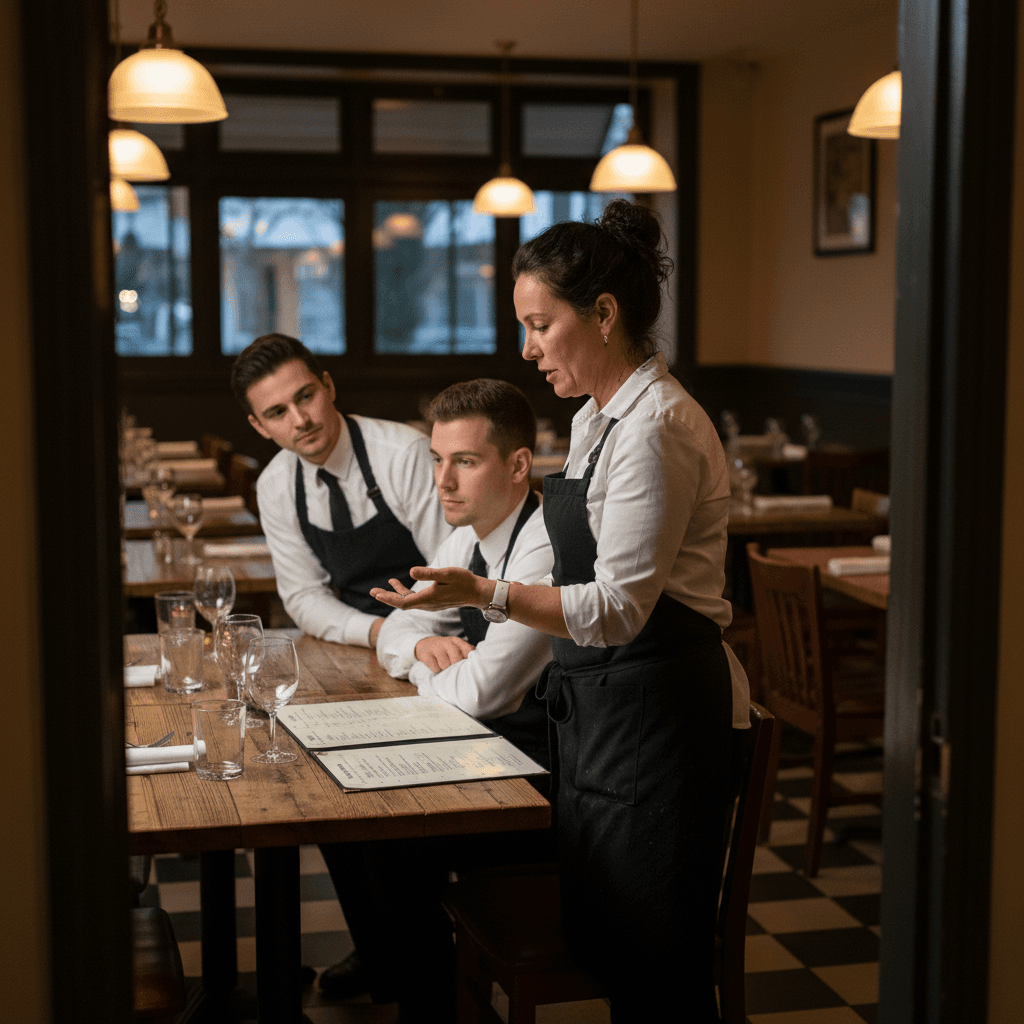
The solution happens before service starts, not during it. You need a training routine that rewires how your team sees international tables.
Start with the five-minute geography lesson. Before each shift, pick one country that's currently sending tourists to your area. Show your team where it is on a map. Give them three non-obvious service notes: "Japanese guests appreciate if you pour drinks for others at the table first." "British diners expect you to ask if they want still or sparkling water immediately." "Italian families might want the check split six different ways without being asked."
Then move to the ten-minute role play. Have servers practice two scenarios: greeting a table that doesn't speak English well, and handling a payment from a guest using unfamiliar currency. The key isn't language - it's body language and patience. Servers should practice slowing down their speech without sounding condescending, using hand gestures to clarify menu items, and smiling genuinely when communication gets difficult.
Hard Truth: Translation apps don't fix cultural misunderstandings - your servers' body language does.
The Rule: Every server must identify at least one visual cue from an international table within the first two minutes of service. Are they taking photos of everything? That's likely Asian tourists who value presentation over speed. Are they pushing plates to share? Probably Mediterranean guests who expect family-style service even if they didn't order it that way.
Attach this training to measurable outcomes. Track which servers get mentioned by name in positive international reviews. Notice which ones consistently receive higher tips from foreign tables. These aren't accidents - they're skills that can be taught in fifteen minutes before a shift.
The most important shift happens in timing expectations. American servers are trained to turn tables efficiently. International guests often come from cultures where dining is the evening's entertainment, not fuel between activities. Teach your team to read the table's pace instead of imposing yours. A simple question like "Would you like me to bring the check now, or would you prefer more time?" can prevent the rushed feeling that kills ratings.
When Good Training Isn't Enough
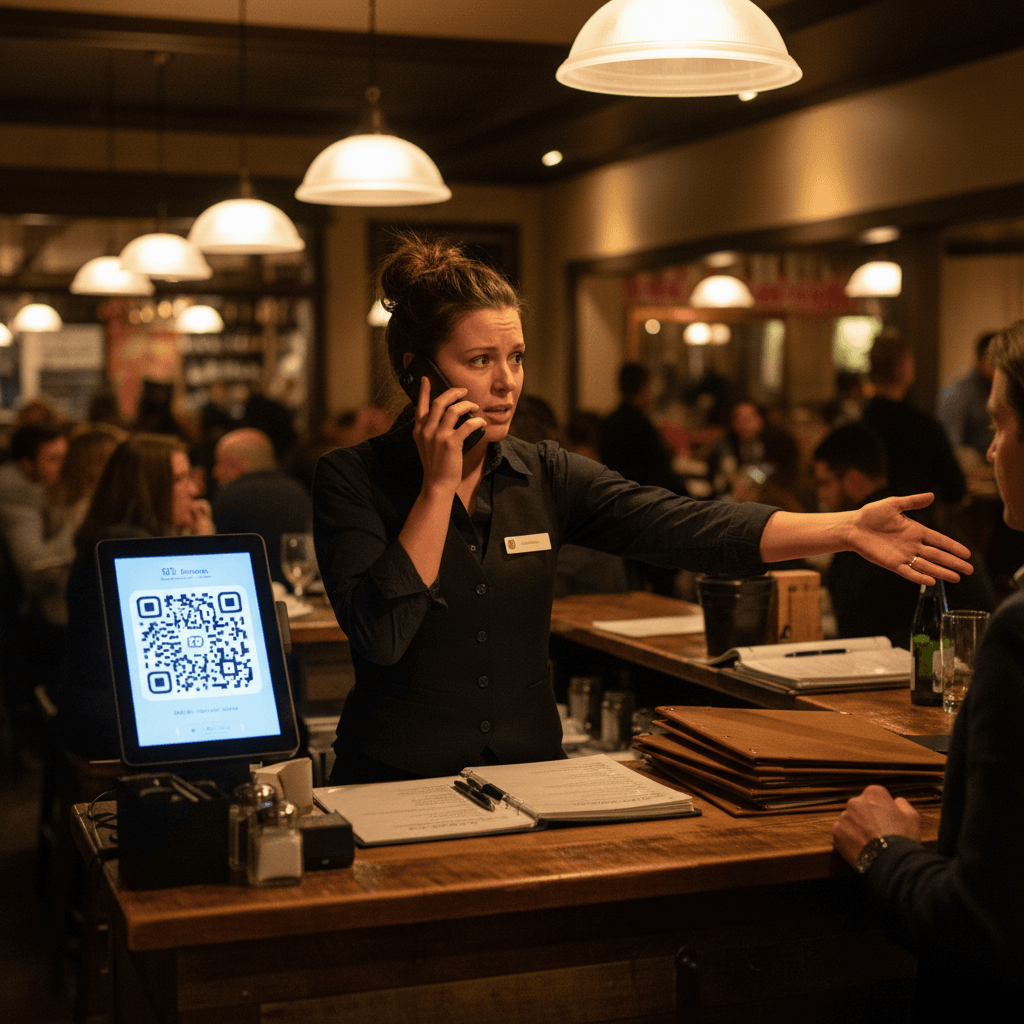
Even perfectly trained staff forget under pressure during busy international tourist seasons. It's Tuesday afternoon in July, and your restaurant is packed with three different tour groups speaking four different languages. Your server remembers the training about German beer service but forgets everything when four tables need water refills simultaneously.
This is the bottleneck: memory fails when volume peaks. Your team knows what to do intellectually, but execution breaks down during the Friday dinner rush when French tourists arrive right after the Japanese business group leaves. The cultural checklist - remember eye contact differences, adjust physical proximity, modify check delivery timing - gets discarded for basic survival: get food out, keep drinks filled, process payments.
The problem compounds with mixed tables. What happens when you have an American family sitting next to a Spanish couple? Your server can't switch service styles table-to-table without seeming inconsistent or robotic. They default to their baseline training, which works for locals but creates those invisible service gaps with international guests.
Seasonal staff rotations make this worse. You train your core team in June, but by August you have college students working their first restaurant jobs alongside experienced servers who've internalized the training. The new hires haven't done the fifteen-minute drills enough times for them to become automatic responses under pressure.
The financial impact is direct but hidden. A single three-star review from an international traveler doesn't just affect your ranking - it affects future bookings from their entire country network. Travelers research restaurants using filters, and once you drop below 4 stars in any major category, you disappear from their search results entirely during peak planning seasons.
From Ranking to Regulars
Improved rankings create visibility, but turning visibility into repeat business requires a different approach entirely.
The transition happens when you stop seeing international guests as one-time transactions and start building relationships that span years and continents. That German family who visited last summer? They're planning next year's trip and checking if you're still highly rated. The Japanese business traveler who ate alone at your bar? He's bringing his team next quarter and needs reservations for eight.
This mindset shift changes everything about how you operate off-season. Instead of relaxing when tourist season ends, you're maintaining connections through simple digital touchpoints that cost nothing but generate enormous loyalty returns.
The practical execution involves creating systems that work whether you're serving locals on a Tuesday in February or French tourists on a Saturday in July. Your reservation notes should flag returning international guests so servers can prepare differently. Your menu descriptions should work for both quick lunch customers and leisurely dinner travelers without confusing either group.
Modern digital tools solve the memory problem under pressure by automating cultural reminders at point of service. When a server opens a table's order screen, simple prompts can appear based on reservation notes or ordering patterns: "Guest from Italy - consider offering bread service separately" or "Table taking many photos - presentation matters more than speed tonight." These aren't complex features - they're digital versions of the pre-shift drill that work when human memory fails during rush periods.
Inventory systems can track which international dishes get ordered most during specific seasons, helping you prepare better next year. Scheduling platforms can ensure trained staff work peak tourist hours rather than leaving new hires to handle complex cultural situations alone.
Taking the Next Step
Climbing Tripadvisor rankings with international guests requires changing what happens before they arrive, not just while they're dining. The logic is clear: different cultures expect different service, and meeting those expectations systematically improves both ratings and repeat business.
Start implementing the fifteen-minute pre-shift drill this week with one country focus at a time. Track which servers naturally adapt well and use them as trainers for others within two weeks of consistent practice.
When manual training reaches its limits during peak volume periods, explore how digital reminders can maintain consistency without adding cognitive load to your already-busy team view our pricing for systems designed specifically for restaurants serving mixed local and international clientele every day start a free trial before your next major tourist season begins to build these patterns into your operational rhythm permanently