Why Robots in Kitchens Won't Fix Your Real Problem
Robot fryers and automated woks are getting all the hype. But most kitchens aren't ready for them. Here's what to fix first.
The Robot Hype That's Costing You Money
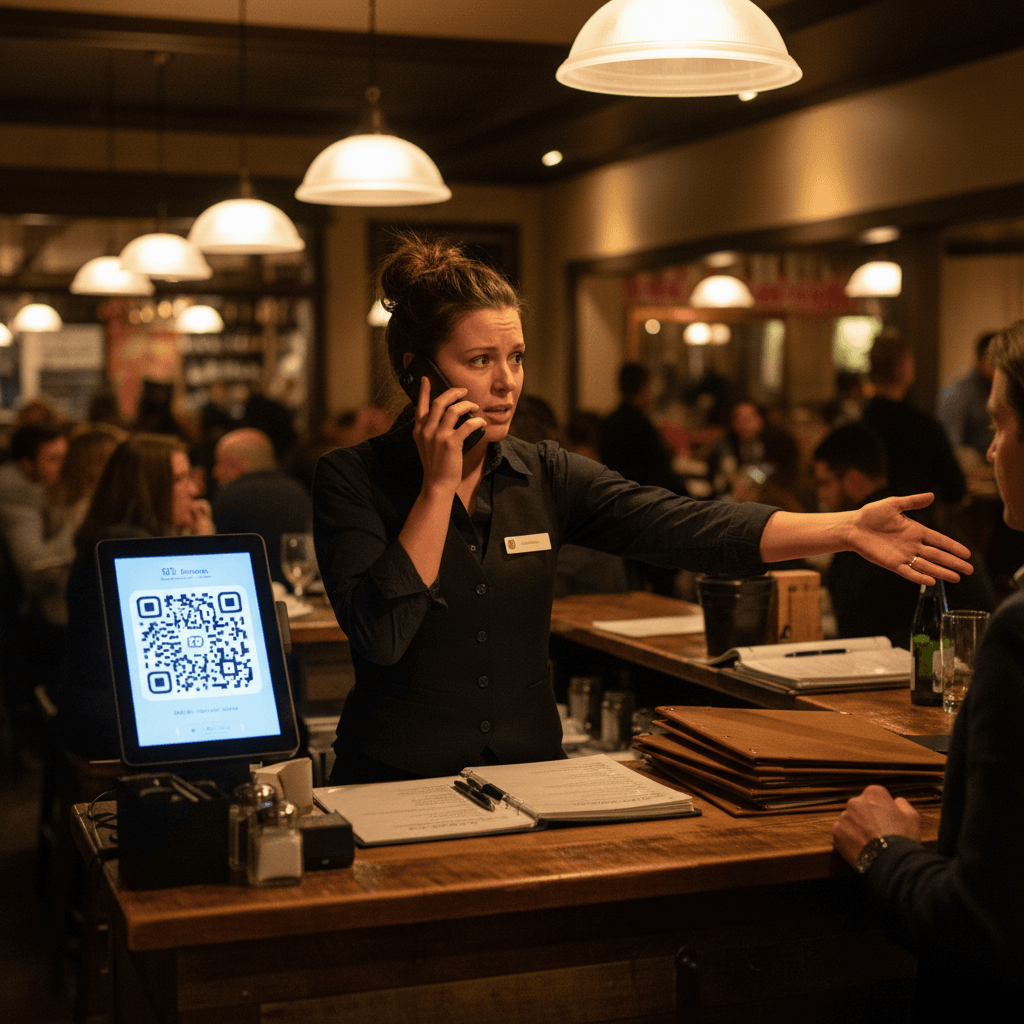
It's 6:47 PM on a Friday. The expo is calling three tickets at once. The fry station is buried. A server is standing at the pass with a question about a modification that was written in the margin of the ticket - in pen, after it printed. The line cook on sauté just realized the bell peppers weren't prepped. And somewhere, a vendor is trying to sell you a robot arm that flips burgers.
Walk into any restaurant conference and you'll see them. Robot arms flipping burgers. Automated woks tossing noodles. AI fryers that lower baskets without human hands. The demos are slick. The price tags are eye-watering. And the question nobody asks is this: would a robot actually fix what's broken in your kitchen? Most owners chase the shiny object while their real problems - slow ticket times, inconsistent prep, high turnover - stay untouched. A robot that drops fries faster doesn't help if your expo is calling three orders at once because the printer jammed. This is one piece of a larger puzzle we break down in Future Restaurant Trends That Actually Matter, which helps owners separate real operational shifts from expensive distractions.
The Thing Nobody Tells You About Automation
Here's the hard truth that vendors won't say: robots amplify what you already have. If your kitchen runs clean, organized shifts with solid mise en place, a robot might save you 10 minutes during Friday dinner rush. If your kitchen is chaos - missing prep, unclear callouts, cooks working over each other - a robot just makes chaos happen faster.
Think of it this way. A $30,000 automated wok station won't fix a cook who doesn't know the fire levels for each dish. It won't fix a menu with 47 items that requires 12 different sauce builds. It won't fix the 15-minute ticket lag because nobody called the pickup. The robot does one thing: repeat a programmed motion. Everything else is still on you.
The vendors won't tell you this because they don't have to. They sell the machine. You run the kitchen. And if your kitchen has fundamental problems, the machine just makes them more expensive.
When Manual Systems Hit the Wall
Let's be specific about where the bottleneck actually lives. It's not in the cooking. It's in the communication.
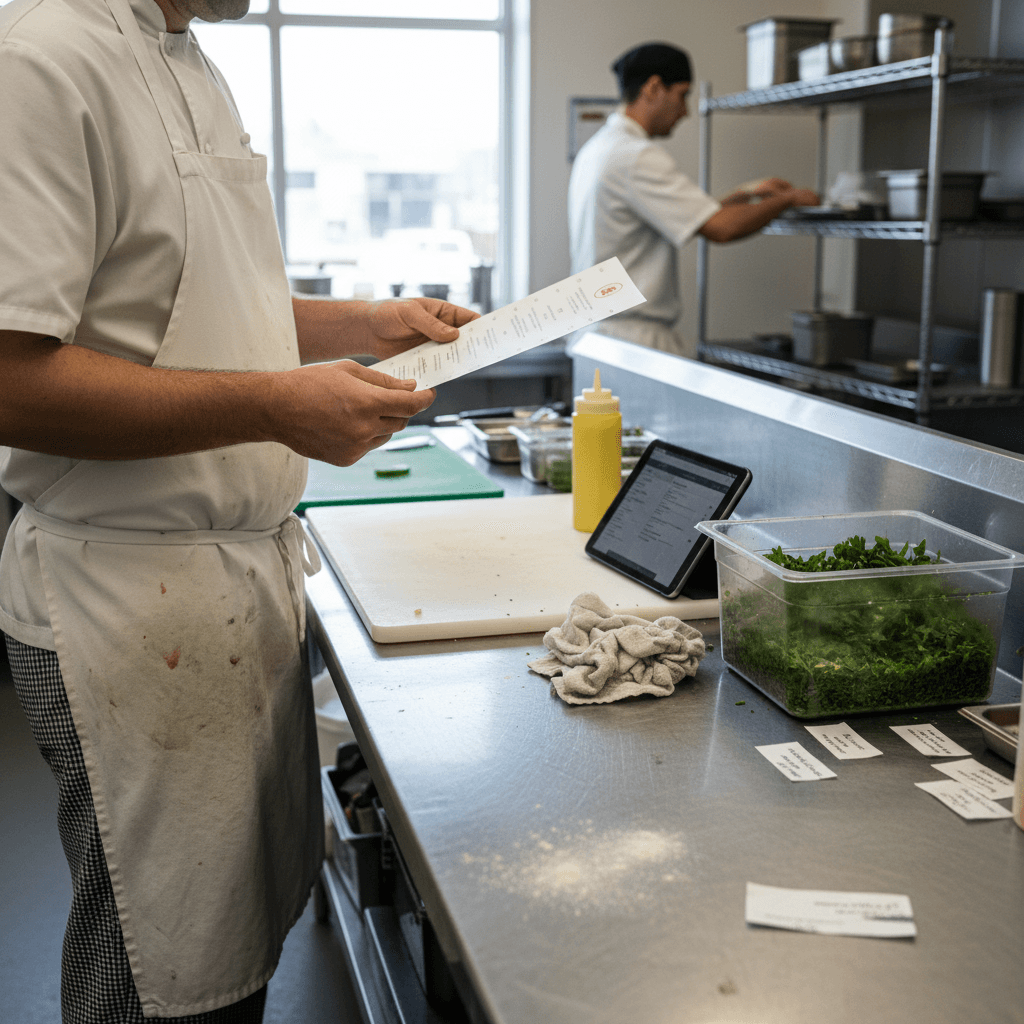
Your line cooks know how to sear a steak. Your expo knows how to call tickets. The breakdown happens when the handwritten prep list from yesterday doesn't match today's par levels. Or when the server writes "no onions, extra pickles" in three different places and the line misses it. Or when the inventory count takes two hours every Sunday because you're still using a clipboard and a pen.
These are information problems, not cooking problems. A robot can't read a server's handwriting. It can't tell you that you're 60% over on bell pepper prep for a Tuesday. It can't flag that your food cost crept up 2% last week because portion sizes drifted. The machine does the motion. The systems around it do the thinking.
Here's a simple test. Stand at your expo station during the next Saturday rush. Watch where the delays actually come from. Is it the cooking time? Or is it the time between the ticket printing and the cook seeing it? The time between the cook finishing a plate and the runner knowing it's ready? The time between running out of an ingredient and finding out you're out?
That gap - the information gap - is where your money goes. Not in the flame height.
What Actually Moves the Needle
Before you budget for automation, look at the three things that make the biggest difference in a kitchen's output.
First: menu structure. A tight menu with 25 items and shared components runs faster than a 50-item menu regardless of what tech you throw at it. The Rule: Every item on your menu should share at least two ingredients with another item. If it doesn't, that dish is costing you time and complexity that no machine can fix.
Second: clear communication protocols. One place for mods. One way to call tickets. One standard for plating. If your servers write modifications in the margin, on the back, or verbally at the pass, you have a communication problem. Fix that before you buy anything with a power cord.
Third: real-time visibility into what you have and what you need. When your prep list, inventory count, and par sheets talk to each other, you stop guessing. You stop over-ordering. You stop the 6pm panic because someone forgot to prep the lunch special that's still on the board.
These fixes cost almost nothing. They just require discipline. And they make any future automation actually worth the investment.
The Smart Way to Think About Robots
Here's the approach that works. Fix your manual systems first. Get your menu tight. Get your communication clean. Get your inventory tracking honest. Then, and only then, look at automation as a force multiplier - not a savior.
A robot wok in a well-run kitchen can bump you from 60 covers an hour to 80. That same robot in a messy kitchen just burns through more ingredients faster while the tickets pile up. The technology isn't bad. It's just not the starting point.
That said, manual systems require time and discipline. And if you're running a busy kitchen, you may not have the bandwidth to build everything from scratch. Modern digital tools - kitchen display systems, digital inventory platforms, scheduling software - can automate the repetitive parts of this workflow. They handle the information gap so you can focus on the cooking.
Start with the fundamentals. Build the discipline. Then let the machines help you run faster, not just run louder.
Taking the Next Step
The logic is simple. Fix what's broken before you automate it. A clean kitchen with tight systems will outperform a messy kitchen with expensive robots every single time. The shift from chasing hype to building fundamentals is not complicated. It just requires a decision.
If you are ready to stop guessing about your prep levels, inventory counts, and par sheets, you can view our pricing to see how digital tools support the manual discipline this article describes. Or you can start a free trial and see what clean information flow looks like during your next Saturday dinner rush.