Future Restaurant Trends That Actually Matter
Stop chasing fads. Learn how to spot real shifts in dining habits before your competition does. Practical guidance for busy owners.
The Trend Trap: When Chasing What's New Costs You Regulars
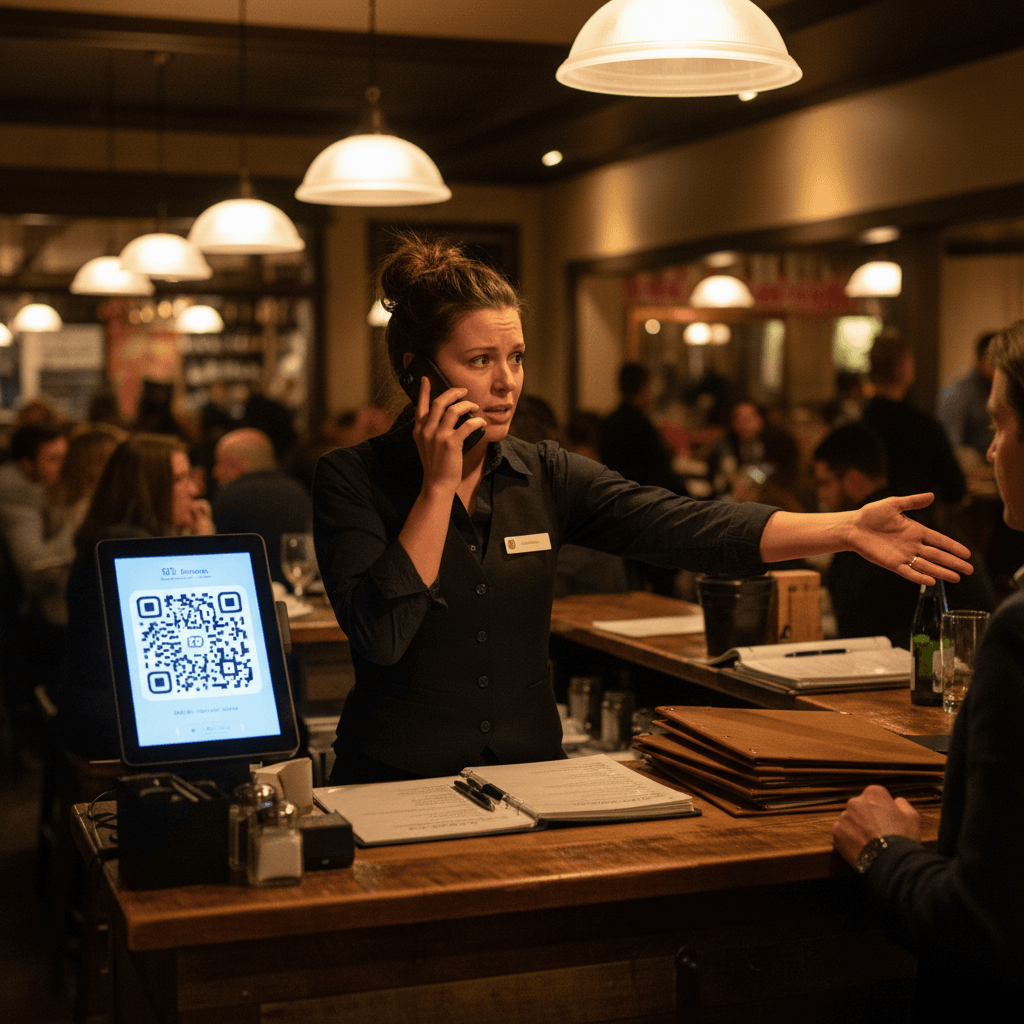
The expo station is buried. It's Friday night, 7:45 PM, and three tickets are hanging. Your best server is at the pass, trying to explain the new CBD-infused cocktail to table six. They're regulars who usually order two old fashioneds and the burger. Tonight, they look confused. The server stumbles through the health benefits she read in a memo. The bartender is three minutes behind because the new tincture bottle is sticky. This is the real cost of chasing future restaurant trends.
Most restaurants waste money on wrong predictions. The real cost isn't just the wasted food from a failed menu item. It's confused servers who can't explain new concepts to regulars who just want their usual. It's a bartender slowing down during peak service because a new ingredient requires a different technique. It's a kitchen expo trying to remember which special garnish goes with which new small plate while the main line backs up.
Example: Adding CBD cocktails because 'everyone's doing it' while your bartenders struggle to explain effects to customers who ask if they'll get high. The customer leaves unsure. The server feels incompetent. The bar loses two minutes per drink during your busiest hour. That's forty minutes of lost production across twenty cocktails. You traded reliable revenue for confusion.
Why Your Gut Is Wrong About Tomorrow's Customer
You know the problem - chasing shiny objects that don't fit your restaurant. Here's why your current method for spotting trends fails completely.
Traditional trend-spotting fails because it relies on outside sources instead of your own customers. Reading trade magazines written by journalists who haven't worked a shift in five years. Following competitors who are just as lost as you are. Watching Instagram reels from restaurants with different customer bases, different price points, and different operational realities.
Hard Truth: Most 'future of dining' predictions come from people who eat at restaurants but never run them. They don't know what it's like to have a line cook call out on a Saturday. They don't understand the math of food cost when a supplier raises prices mid-week. They've never had to explain a menu change to a server team during pre-shift while also dealing with a broken ice machine.
Your gut feeling about what customers want tomorrow is based on noise, not signal. The signal comes from your own floor, your own POS data, and the quiet complaints your regulars make when they think you're not listening.
Spotting Real Shifts Versus Passing Fads
That's the trap of listening to everyone but your own operation. This is how you escape it.
The three-question test stops bad investments before they hit your menu. Ask these questions about any trend before you spend a dollar.
First: Does this solve a real problem for your staff during Friday rush? If the answer is no, it's decoration, not improvement. A new tablet ordering system that requires servers to input three extra screens per table adds friction during peak hours. A complex cocktail that needs fifteen seconds of shaking instead of stirring slows down your well station.
Second: Will your best server understand it in thirty seconds? If you need a training manual longer than one page, it will fail during service. Your staff needs concepts they can explain while carrying three plates and watching table ten's water glasses.
Third: Does it make your regulars' experience better or just different? Better means faster service, clearer communication, or more consistent food. Different means confusing them for novelty's sake.
Contrarian Opinion: Technology isn't the most important trend - it's how customers want to feel when they leave your restaurant. They want to feel taken care of, not impressed by gadgets. They want consistency, not constant change. The real shift happening right now is toward restaurants that feel reliable in an unreliable world.
The Rule: If a trend doesn't make Tuesday lunch smoother for your existing customers, it's not worth pursuing.
Testing Trends Without Breaking Service
You've identified what might actually work for your restaurant. Now you need to test it without disrupting everything that already does work.
Practical methods exist for introducing new concepts that don't disrupt your floor. Start with the Thursday night limited-run test.
Pick one slow night - usually Thursday - and run the new item as a special for four hours only. Don't print new menus. Don't retrain the entire staff. Tell servers during pre-shift: "We're testing a new pasta special tonight only. It's $24. Here's the one-sentence description." That's it.
This method gauges customer response without committing menu space or confusing your regulars on busy nights. If the special sells zero plates, you lose minimal food cost and zero customer goodwill. If it sells out in two hours, you have real data from real customers paying real money.
Training servers to explain new items requires radical simplicity during busy shifts. Give them exactly one sentence that answers "What is it?" and "Why should I order it?" Example: "It's our take on carbonara with house-smoked bacon and a farm egg on top - really rich and comforting." Not: "It's a deconstructed interpretation of traditional Roman cuisine featuring heritage-breed pork and a sous-vide egg."
Measuring what actually matters means tracking repeat orders, not social media likes. A dish that gets photographed but never ordered twice is a failure. A simple soup that five tables re-order next week is a success. Your POS system should tell you what people actually eat, not what they post about.
Building a Restaurant That Adapts Without Losing Its Soul
Testing individual items is tactical survival. Building systems that let you evolve while keeping what makes you special is strategic longevity.
Creating adaptable systems starts with knowing what never changes at your restaurant. Is it the burger? The martini? The way you greet regulars by name? Protect those elements like they're paying your mortgage - because they are.
How you update your concept without alienating regulars requires gradual evolution, not revolution. Add one new item per menu cycle while keeping ninety percent the same. Change your decor one wall at a time over six months, not all at once during a weekend closure. Train staff on new procedures over three shifts, not in one overwhelming pre-shift meeting.
When to lead trends versus when to ignore them completely depends on your customer base and operational capacity. Lead trends that solve problems you're already experiencing. Ignore trends that require completely new equipment, skills, or customer education unless you're willing to rebuild your entire operation from scratch.
Example: If you're already struggling with ticket times during dinner rush, leading the trend toward simplified menus makes sense. If you run a successful neighborhood bistro with limited kitchen space, ignoring the robotic cooking trend is obvious wisdom.
The final question every owner should ask before changing anything cuts through all the noise. Will this make Tuesday lunch better for the people already paying our bills? If the answer isn't an immediate yes, don't do it. Your regulars on Tuesday afternoon fund everything else. Their experience is non-negotiable. Future restaurant trends matter only if they serve the customers who are already here.
Taking the Next Step
The operational shift toward serving today's customers while preparing for tomorrow is inevitable. Chasing every trend guarantees failure. Ignoring all change guarantees irrelevance. The middle path - testing deliberately while protecting your core - is how restaurants survive and grow.
Your next service is where theory meets reality. Stop guessing what might work and start measuring what actually does with systems built for restaurant operations. See exactly how Stonic fits your specific needs by view our pricing or implement one test this week with no commitment through our start a free trial.