When Families Feel Forgotten at Dinner
Families don't leave because of slow food. They leave when kids get restless and parents feel ignored. Fix this before they walk out.
The Silent Exit of Family Tables
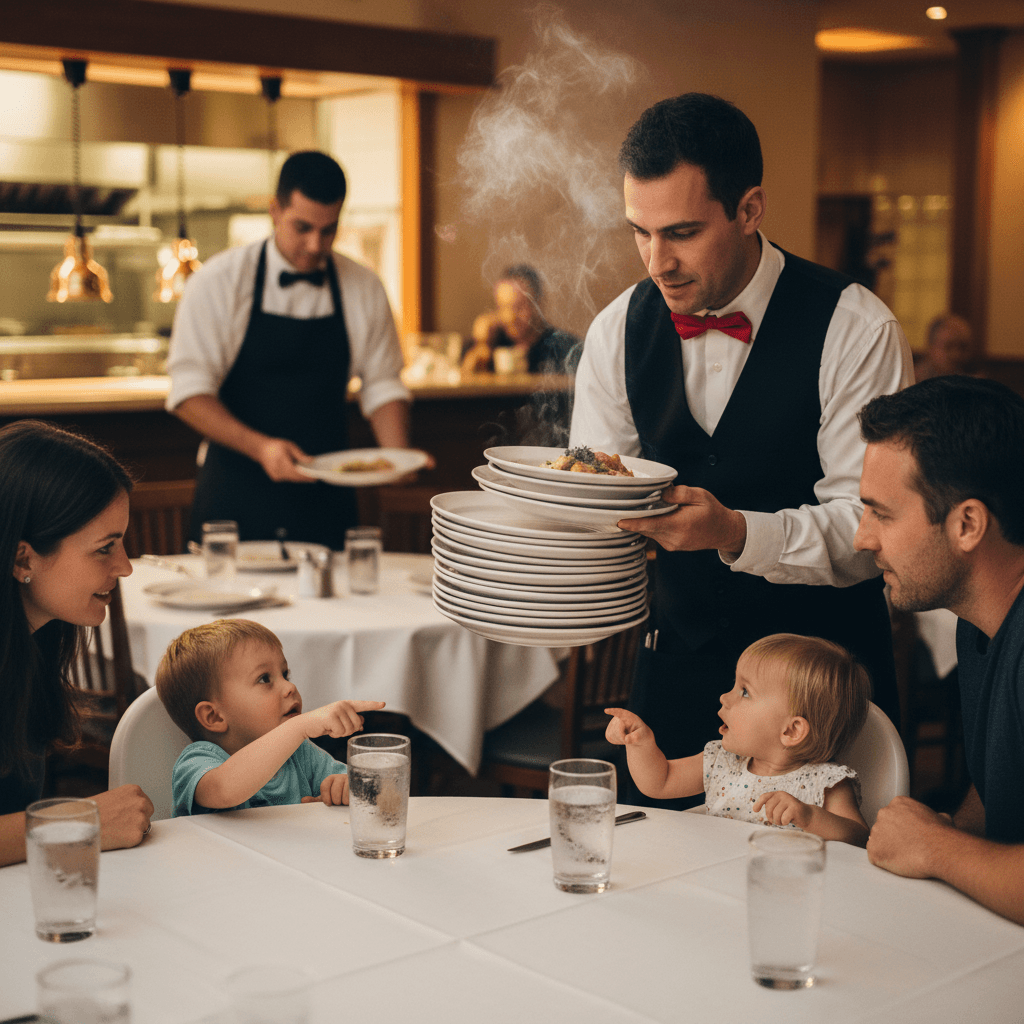
When Families Feel Forgotten at Dinner, it's not about the food being slow. It's about the clock in a child's head. You see them every Friday night. Parents juggling menus while kids bounce in seats. The server who takes too long with drinks becomes the reason they don't come back. Families vote with their feet when service feels chaotic. They don't complain to the manager. They just don't book the next reservation.
This is a specific symptom of a larger operational breakdown. The feeling of being forgotten is what drives guests away, not just the wait time. This connects directly to the root cause analysis we cover in When Service Breaks Down at 7 PM, which breaks down why systems fail under pressure and how to build consistency that lasts.
Watch the table for five minutes after they sit. If a child hasn't gotten something to eat or drink in that window, you've lost them. The parents are now in damage control mode, trying to keep kids quiet while waiting for basic attention. That initial delay creates tension that ripples through the entire meal. The server starts behind, and every subsequent step feels slower.
Three Things That Actually Work for Families
Hard truth: Coloring books and kids' menus are bandaids. Real hospitality means solving problems before parents ask. These aren't complicated theories. They're simple actions that change the entire experience.
First, train servers to bring crackers or bread within 90 seconds of seating. Kids get hungry fast. This isn't about filling them up before the meal. It's about giving their hands and mouths something to do while parents look at the menu. The Rule: Something edible hits that table before the drink order is taken. Keep a basket of pre-portioned crackers or breadsticks at every server station. When you see a family sit down, grab it on your way to greet them.
Second, put straws in all kids' drinks before they hit the table - no fumbling with wrappers. Watch a parent try to open a straw wrapper with one hand while holding a squirming toddler with the other. It's a small moment of frustration that adds up. Have your bar or drink station put straws in every children's beverage automatically. Better yet, use those fun curly straws that kids love. The cost is negligible compared to the goodwill it builds.
Third, have one server own the table from greeting to check. Families hate handoffs. When different people bring drinks, take orders, and deliver food, it creates confusion. Parents don't know who to ask for more napkins or a missing fork. Assign one server as the primary contact for every family table. That server might get support from runners for food delivery, but they remain the point person for all communication.
Why Your Best Intentions Fail at 7 PM
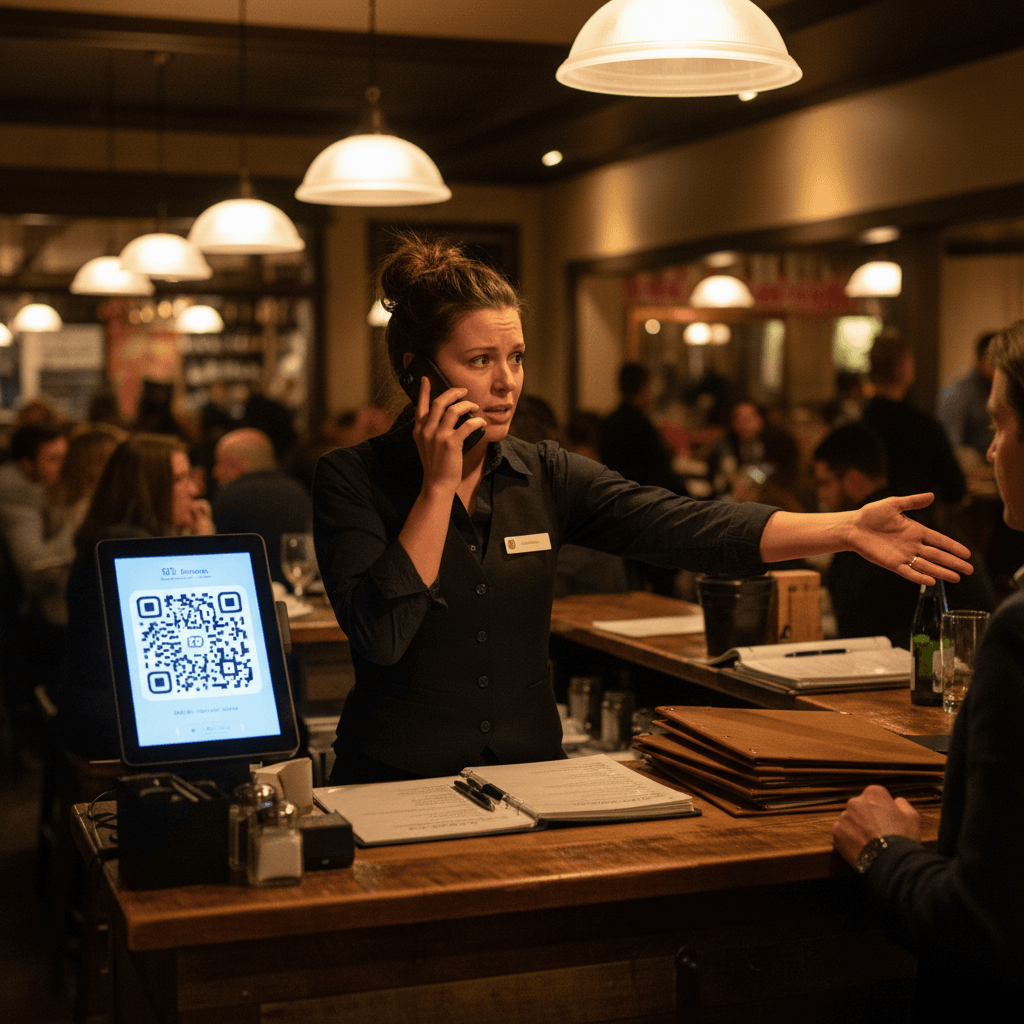
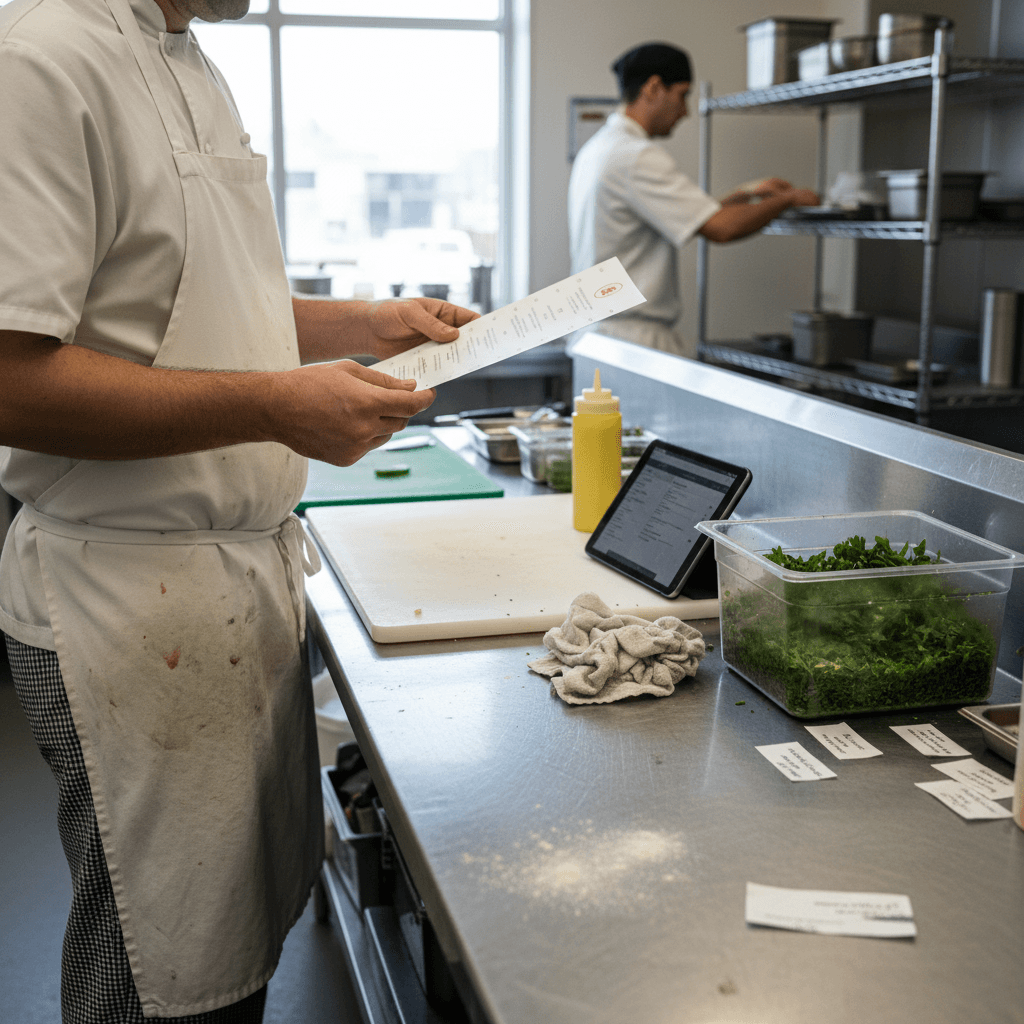
You briefed the team on Monday morning. You stocked extra crayons and printed new kids' menus. Then Friday hits and three servers call out sick. The expo is buried under tickets, calling three orders at once while the printer keeps spitting out more. That careful family protocol you designed disappears because everyone is just trying to survive.
Manual systems work beautifully until they don't - when the rush hits, consistency evaporates. The server who was supposed to bring crackers within 90 seconds now has eight tables all seated within five minutes of each other. She's running drinks for three tables while taking an order at a fourth. The crackers stay at the station because her hands are full with cocktail trays.
This is where good intentions meet operational reality. The problem isn't that your team doesn't care about families. The problem is that your system relies on perfect execution during imperfect conditions. When volume increases by 40% during peak hours, any manual process that requires extra steps will be the first thing dropped.
Watch what happens at 7:15 PM on a Saturday. The host seats three family tables in different sections within two minutes. Each server follows their own timing based on how busy they are at that exact moment. One family gets immediate attention because their server just delivered food and has free hands. Another waits seven minutes because their server is taking a complicated wine order at a six-top celebrating an anniversary.
Building Service That Lasts Past the Rush
The solution isn't more checklists posted in the back hallway. It's building habits that work when you're busy, not just when you're slow. Start with one change this week that creates automatic behavior instead of requiring conscious thought.
Time how long it takes from seating to first food hitting a family table this weekend. Use a simple stopwatch on your phone or watch clock. Don't guess - measure it during your busiest two hours on Friday and Saturday night. Then make it faster by eliminating one step in the process.
Maybe you discover that servers walk past the cracker basket on their way to greet tables because it's tucked behind the coffee station during dinner rush. Move it to where they can't miss it - right next to the water station or POS terminal where they clock in new tables.
Connect this timing exercise directly to fixing those 7 PM breakdowns where everyone feels forgotten. If your measurement shows families wait an average of six minutes for initial contact during peak hours, set a non-negotiable target of three minutes maximum.
The Rule: During peak service hours, family tables receive something edible within three minutes of being seated or drinks are comped.
This creates accountability that matters to your bottom line while focusing staff attention where it counts most.
Build these habits through repetition during slower periods so they become automatic during busy times. Run drills during Tuesday lunch where servers practice greeting families with crackers already in hand before saying hello.
The pivot happens when you realize manual consistency has limits.
Even with perfect training and clear rules, human memory falters under pressure. Digital tools can automate the repetitive parts of this workflow - sending automatic alerts when family tables have been seated for two minutes without contact, or tracking which servers consistently hit timing targets during peak volume. Kitchen display systems can prioritize kids' meals automatically, while digital checklists ensure every family table gets straws in drinks before they leave the bar. The technology doesn't replace hospitality - it protects it from being forgotten when the rush hits.
Taking the Next Step
These changes are practical because they start with observation rather than theory. The logic is clear: measure what's actually happening during your busiest hours, then build systems that work under those conditions rather than hoping perfect execution will magically appear.
If you're ready to move from noticing families leaving frustrated to building service they remember positively, the next step is testing solutions during your actual service flow. You can view our pricing for tools designed specifically for restaurant operations, or start a free trial to see how automated alerts for family table timing work during your next Friday night rush. The goal isn't more technology - it's protecting the hospitality you want to deliver from being lost in translation between your intentions and your busiest shifts