Turning Tourists Into Regulars: The Restaurant Guide
Stop relying on location luck. Learn how restaurants build systems that attract international guests and turn them into repeat customers year after year.
The Empty Table By The Window: Why Location Alone Won't Fill Your Seats
It's Friday night, 7:30 PM. Your dining room hums with locals, but that corner two-top by the window stares back at you - empty. A family of four from Germany just walked past your door, glanced at your menu, and kept moving. You have the location. You have the foot traffic. But attracting tourists to your restaurant requires more than a good address.
That empty table represents a double loss. First, you lose the immediate revenue - the $120 check that would have covered half a line cook's shift. Second, and more damaging, you lose the lifetime value of a traveler who could have become a regular visitor and brand ambassador. A tourist who loves your restaurant tells ten friends back home. They post photos that reach hundreds. They book their next trip to your city and make a reservation before they land.
The math is simple but brutal. Assume 20 tourist tables walk by each night during peak season. If you capture just five of them at an average check of $80, that's $400 per night. Over a 90-day tourist season, that's $36,000 in lost revenue from tables you already pay rent on. The real cost is higher - those five tables would have generated positive reviews, social media posts, and return visits worth three times their initial spend.
When Translation Menus Fail International Guests
You know tourists are walking past. Your current solution probably involves translation menus or hoping your English-speaking staff can bridge the gap. Both approaches fail for the same reason: they address language without understanding culture.
Google Translate creates operational chaos in your dining room. That "spicy" warning on your menu might mean "mildly warm" to someone from Thailand or "unbearably hot" to someone from Sweden. A British guest asking for "pudding" wants dessert, not the steamed custard your kitchen prepares. A Japanese tourist requesting "salad" expects small, delicate greens - not the massive Caesar your line sends out.
The Rule: Never translate ingredients without cultural context.
Your servers saying "it's good" when describing dishes creates more confusion than clarity. International guests need specific information about preparation methods, spice levels measured against familiar benchmarks, and portion sizes compared to what they know back home. A French family needs to know if your steak frites uses entrecôte or filet, cooked bleu or à point. A Chinese business group needs to understand if dishes are meant for sharing or individual consumption.
Traditional approaches fail because they assume all tourists want "authentic local" food. Many don't. They want accessible versions of local cuisine that respect their dietary restrictions and flavor preferences. They want to feel welcomed, not like anthropological specimens studying your regional specialties.
The Tourist Flywheel: Building Systems That Work Year-Round
That's the trap of chasing seasonal spikes. Here's how you escape it: build systems that work whether it's July or January.
The best restaurants for international guests aren't the ones with flashy signs in multiple languages - they're the ones with layered hospitality. This means creating experiences that work for locals while being accessible to tourists without feeling touristy. Your regulars should never feel like they're eating in an airport restaurant designed for travelers.
Start with your menu design. Create two versions: one for locals with full descriptions and chef notes, one for international guests with visual icons for spice levels, portion sizes, and common allergens. Use simple symbols everyone understands: a chili pepper for heat, a cow for beef, a fish for seafood, a leaf for vegetarian. These icons work across languages and cultures.
Train your staff using regional briefings, not language lessons. Every pre-shift meeting should include three minutes on common guest profiles from regions currently visiting your city. This week it might be: "German tourists appreciate efficiency and clear pricing." Next week: "Brazilian families often dine late with children." The information comes from your local tourism board - it's free and updated monthly.
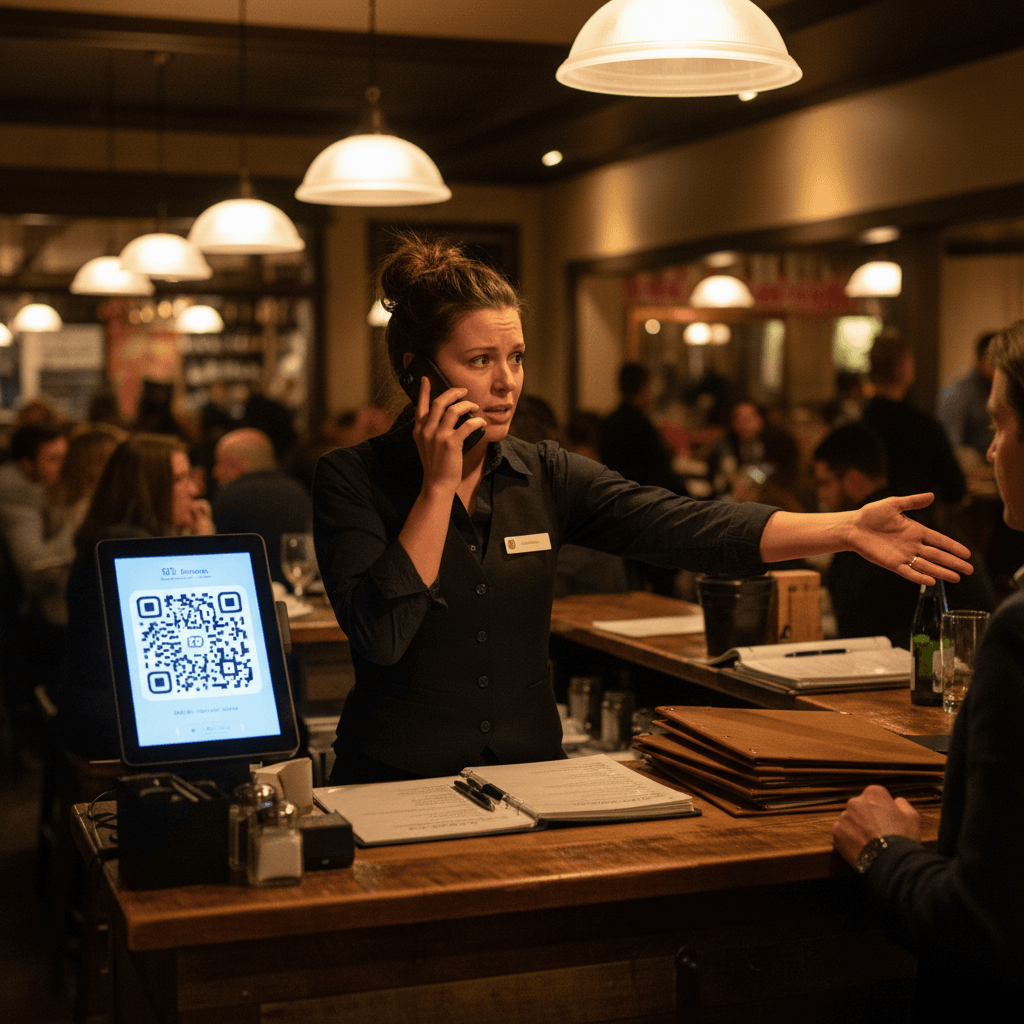
Build payment systems that work globally. Test every international credit card type during slow periods. Know which chip-and-PIN cards from Europe require manager overrides. Have a QR code at the host stand that links to common payment apps from Asia. These systems work year-round because domestic guests use digital payments too.
From Arrival to Review: The 7-Point Tourist Service Blueprint
Start with what happens when an international guest walks in. Your hosts must recognize hesitation within three seconds - the pause at the door, the confused look at the menu board, the family huddling to discuss options.
Point One: Morning prep includes reviewing common dietary restrictions by region. Today that means noting that many Australian guests avoid gluten not by medical necessity but by preference. Your kitchen should know which modifications are simple (omitting croutons) versus complex (preparing separate sauce).
Point Two: Shift briefings include pronunciation drills for three menu items servers struggle with. Today it's "bruschetta" (brew-SKET-ta, not brew-SHET-ta), "gyro" (YEE-roh), and "pho" (fuh). Mispronunciation makes international guests doubt your expertise.
Point Three: Servers carry visual aids - not phones with translation apps that slow service, but laminated cards showing spice levels on a scale of 1-5 with familiar references. Level 3 is "like Tabasco sauce." Level 5 is "like eating raw habanero."
Point Four: Expo calls out dietary restrictions in clear English every time. "Fire two salmon - one no dairy in sauce." This prevents kitchen errors that could make guests ill and destroy their vacation.
Point Five: Managers table-touch every international party within five minutes of ordering. They ask one specific question: "Is this your first time trying [local specialty]?" The answer determines how much explanation the server provides.
Point Six: Payment processing includes asking about receipt needs before presenting the check. European business travelers need detailed VAT breakdowns. American tourists need single receipts for expense reports.
Point Seven: Closing procedures track which international payment methods worked smoothly tonight versus which required manager overrides. This data informs next week's training.
The Repeat Visitor Formula: When Tourists Book Before They Land
The real measure of success isn't getting tourists through the door once - it's getting them to plan their next vacation around your restaurant.
This begins before they leave your dining room. Your server's final interaction should include one specific invitation: "If you're visiting again before you leave town, we'd love to see you." This plants the seed of return without sounding salesy.
Follow-up emails work across time zones when they're simple and visual. Send one photo from their meal - not a generic stock image but their actual dish if you discreetly photographed it (with permission noted on your menu). The subject line: "Your [dish name] from last night." The body: three lines maximum. "Thank you for joining us. Safe travels home." Include a single link to make reservations for their next visit.
Create menu items travelers crave months later by understanding nostalgia engineering. Your signature dish should trigger sense memory beyond taste - the sound of sizzling fajitas arriving tableside, the aroma of fresh herbs crushed tableside, the visual drama of flambé performed safely away from guests. These multisensory experiences embed in memory more deeply than flavor alone.
Build pre-arrival booking systems that recognize returning international guests before they mention it. Your reservation software should flag email domains from previous seasons (.de for Germany, .fr for France). When Mrs. Schmidt books from her German email address visited last August, your host notes automatically add: "Returning guest - prefers corner table near window."
The ultimate success metric is simple: percentage of international guests who book again before leaving town versus those who discover you upon arrival. Aim for 30% pre-arrival bookings within one year of implementing these systems.
Taking the Next Step
Tourists will either walk past your restaurant or become regular visitors who book months in advance. The operational shift toward layered hospitality isn't optional - it's how successful restaurants capture value from every table by every window.
Your systems either work across cultures or they create confusion that drives guests away during your busiest seasons.
Begin tomorrow's pre-shift meeting with one change from this blueprint - perhaps pronunciation drills or visual spice level cards - then view our pricing to scale what works across every service period or start a free trial to implement the full tourist service system before peak season arrives