Why Your Second Location Fails
Your systems break when you scale from one restaurant to two. Learn what actually works for managing multiple locations without losing control.
When Your Systems Stop Working
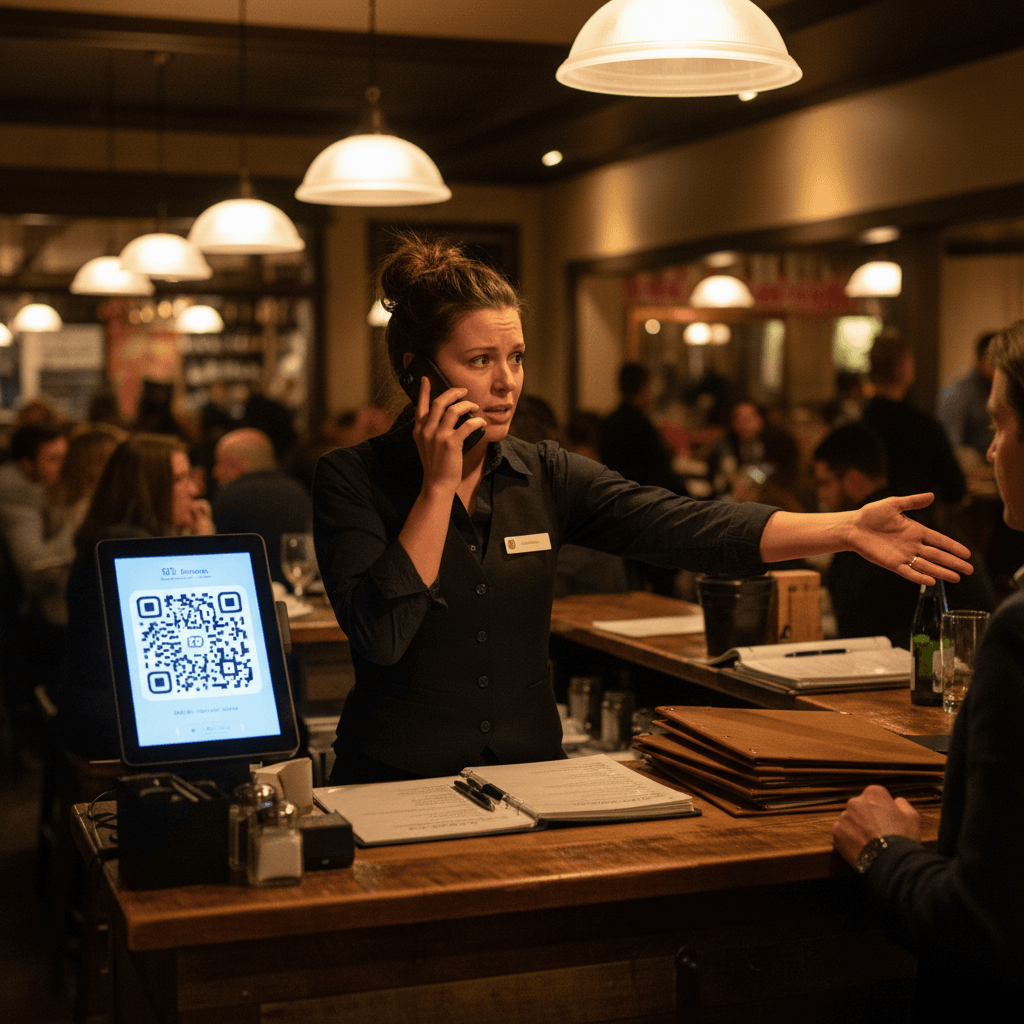
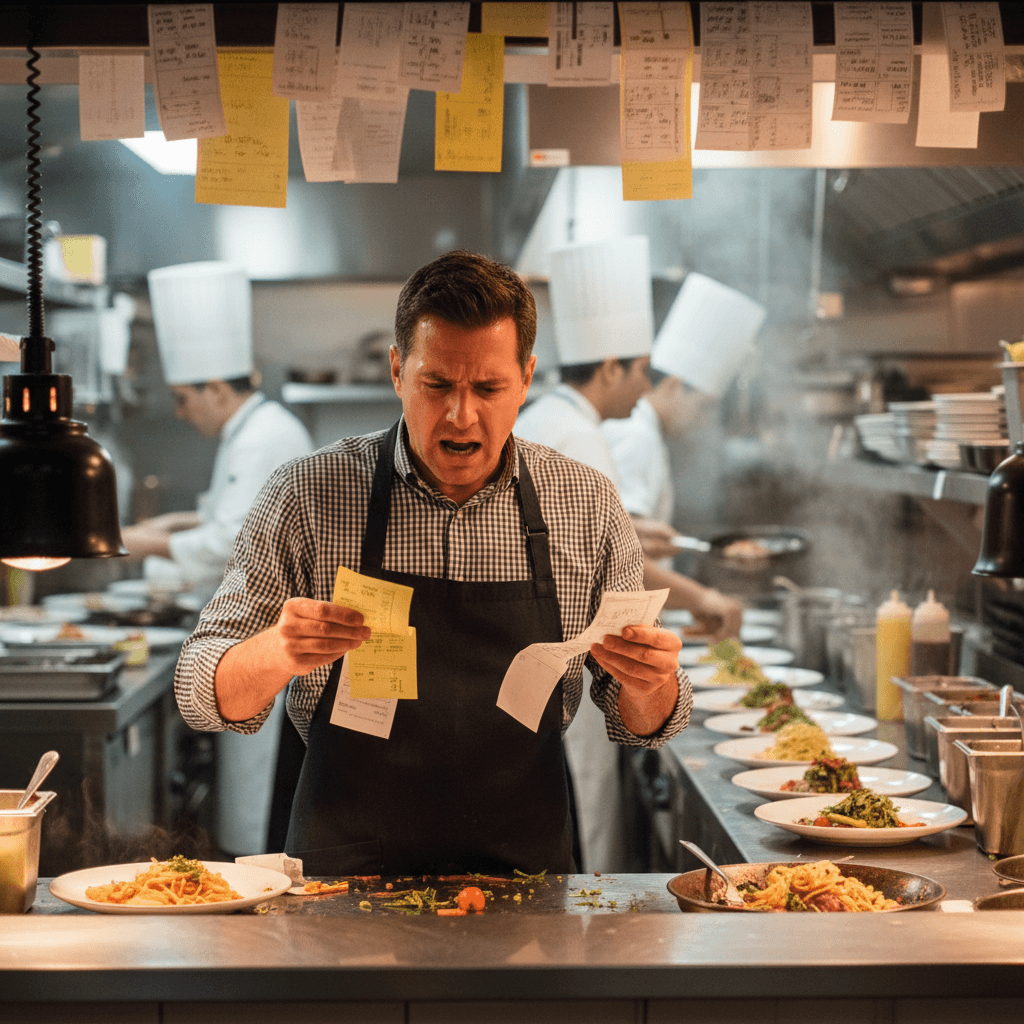
Why Your Second Location Fails starts at 7:15 PM on a Friday. Your original spot is humming. The line is moving, the kitchen is in sync, and the floor manager has everything under control. At your new location, fifteen miles away, the expo is calling three orders at once because the printer jammed. A server just dropped a tray of drinks because they didn't know the shortcut to table 42. The kitchen is waiting on a refire for a well-done steak that got buried on the rail. You are not there. Your systems, the ones you built by being present for five years, are silent.
The checklist that saved your Friday night rush at your first location becomes useless at your second. You can't be in two places at once during the dinner rush. The manager who could handle any crisis now has twice as many crises to manage. Your food costs creep up because nobody's watching both kitchens with the same intensity. Portions get sloppy. Waste bins fill up with prepped vegetables that weren't used in time. The problem isn't your people. It's that your first restaurant's success was built on you being there to enforce the rules. Your second location runs on paper rules alone, and paper doesn't stop a ticket crash.
This is the core scaling challenge we dissect in When Your Second Location Breaks Your First, which maps out how to protect your original profit center while growing.
The Copy-Paste Mistake Every Owner Makes
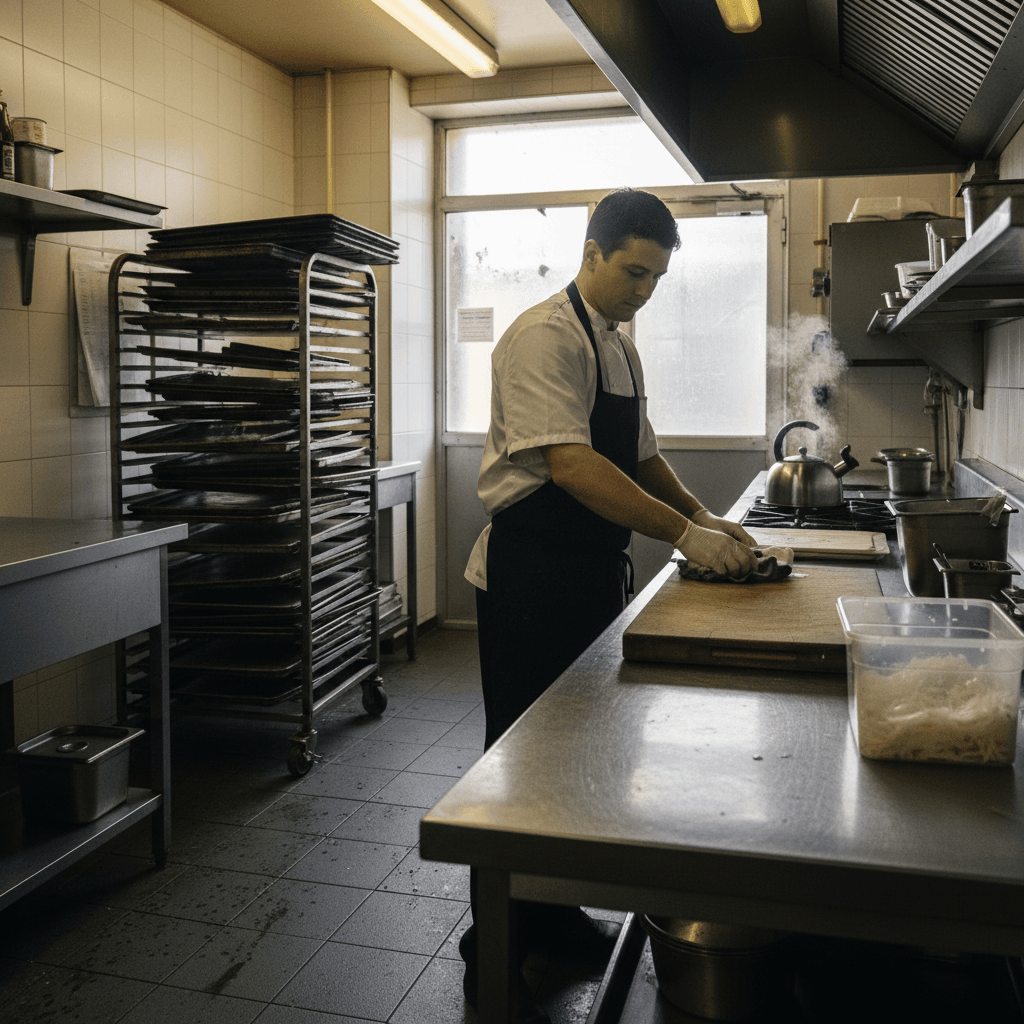
You try to replicate everything exactly - same menu, same recipes, same training manual. But your new staff doesn't have your institutional knowledge. They never saw you fix the printer that one Tuesday. They don't know why the walk-in is organized a specific way. The hard truth: Your second location needs different systems than your first. What worked as owner-operated fails when you're not there every day.
Contrarian rule: Don't copy your first restaurant's systems verbatim. Build new ones that work without you present.
Start with inventory control that doesn't rely on your memory. At your first spot, you might walk in and just know you're low on romaine. At the second location, you need a physical count sheet taped to the cooler door. The Rule: If a task depends on someone remembering to do it, it will fail. Create checklists so simple a new hire can't mess them up. "Check fryer oil at 4 PM" is good. "Check fryer oil - if it's dark brown, change it" is better.
Standardize what matters most - food costs and customer experience - not every minor detail. Does it matter if every server folds napkins the exact same way? Probably not. Does it matter that every burger gets exactly 6 ounces of meat and an ounce of fries? Absolutely. Focus your energy on the handful of standards that directly protect your margin and your guest's meal.
Why Spreadsheets Can't Save You
After a weekend like that, you sit down on Sunday night with a spreadsheet open. You have tabs for sales from location A, sales from location B, food cost percentages, labor hours, and waste logs from both kitchens. The spreadsheet grows to twenty tabs as you try to track every variable. You're tracking everything but fixing nothing in real time.
The bottleneck isn't information - it's actionability. By Tuesday morning when you review the numbers, last weekend's waste data is already outdated. You see that Location B had high shrimp waste, but you don't know why. Was it over-portioning? Was it a cook misunderstanding the prep amount? Was it spoilage? The spreadsheet gives you a number, but it doesn't give you the "why" that lets you fix it before next Friday.
You need systems that alert you during service, not reports you read days later. This means shifting from detective work to prevention.
Building What Actually Scales
The goal isn't to manage two restaurants by working eighty hours a week. The goal is to build restaurants that run well with forty hours of oversight combined.
Focus on three things that transfer between locations: food quality consistency, staff training efficiency, and real-time cost control.
First, lock down your recipes with photographic guides. Don't just write "plate the salmon." Take a picture of the perfect plate from directly above and tape it above the expo station at both locations. Weight matters more than volume for dry goods. Give each line cook a digital scale for portioning proteins and expensive ingredients like cheese or bacon. Consistency in the kitchen is non-negotiable for cost control.
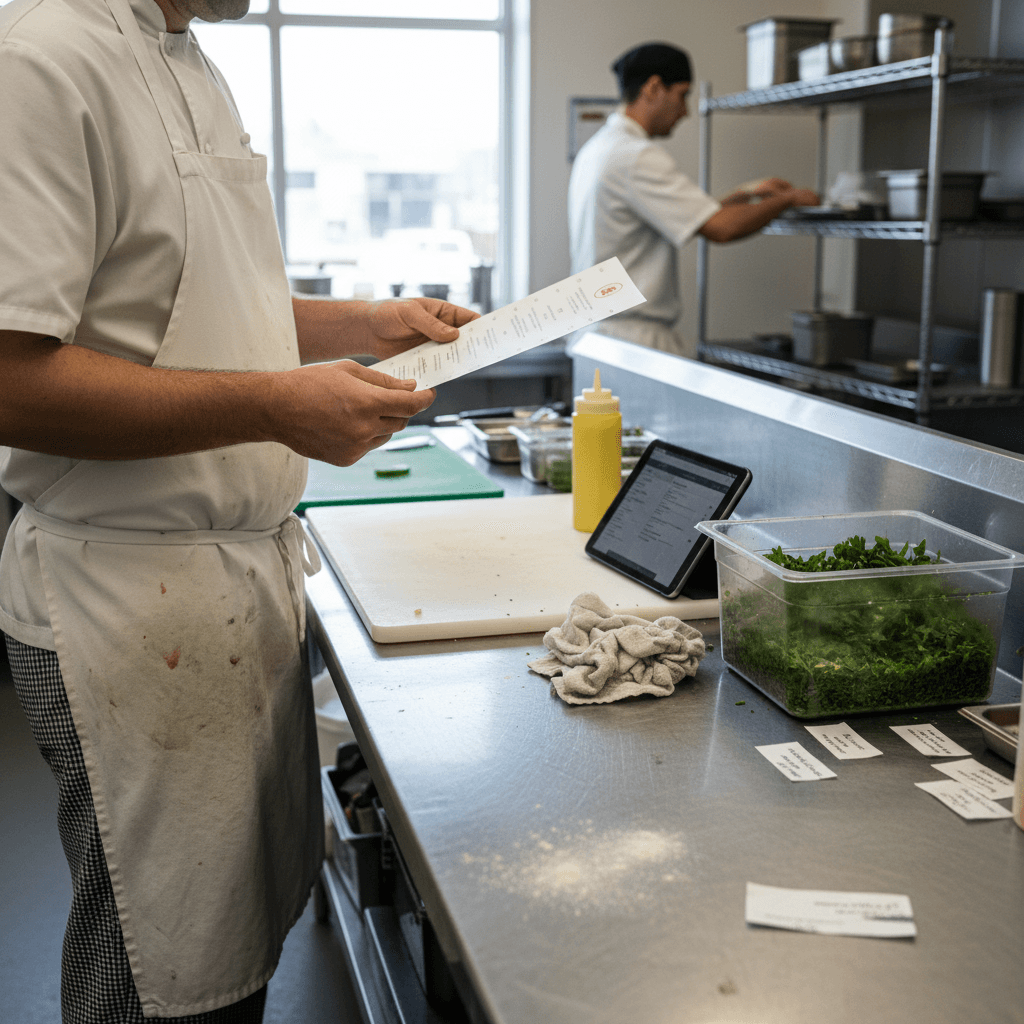
Second, build training that survives turnover. Your training manual shouldn't be a novel nobody reads. Break it into one-page modules: "How to Handle a Ticket Modification," "The Three-Step Reset for Your Section," "What to Do When the POS Freezes." Test new hires on these modules with a veteran server or manager acting as a guest. Role-play the stressful moments before they happen on the floor.
Third, create daily feedback loops that are faster than a weekly report. This is where manual process meets its limit and technology becomes logical.
Manual discipline gets you 80% of the way there - clear checklists, visual standards, and simplified training create a foundation that works without you. But tracking every portion weight or catching every variance in real time requires more eyes than you have.
Modern digital tools bridge this gap by automating the repetitive tracking and alerting part of the workflow. Kitchen display systems can standardize ticket flow between locations so an expo in one spot works exactly like an expo in another. Digital inventory tools can track usage as it happens, flagging if one location suddenly starts using 20% more chicken than sales justify before the week is over.
The logic is straightforward: you build simple, human-proof systems first through process and training. Then, you use technology to handle the constant monitoring and data collection that would otherwise consume all your time.
Taking the Next Step
Scaling from one restaurant to two is less about grand strategy and more about building practical systems that don't need you to function.
The shift is clear: stop trying to be in two places at once and start building locations that can stand on their own through clarity and consistency.
If the manual fixes outlined here make sense but you recognize the need for automated oversight to maintain them across locations, explore how modern restaurant management platforms are designed for this exact challenge. You can view our pricing for plans built around multi-location oversight or start a free trial to see how real-time data changes your weekly review from detective work to proactive management