When Your Second Location Breaks Your First
Managing multiple restaurants means your best practices become your biggest problems. Learn how to scale without losing control.
The Chaos of Duplication
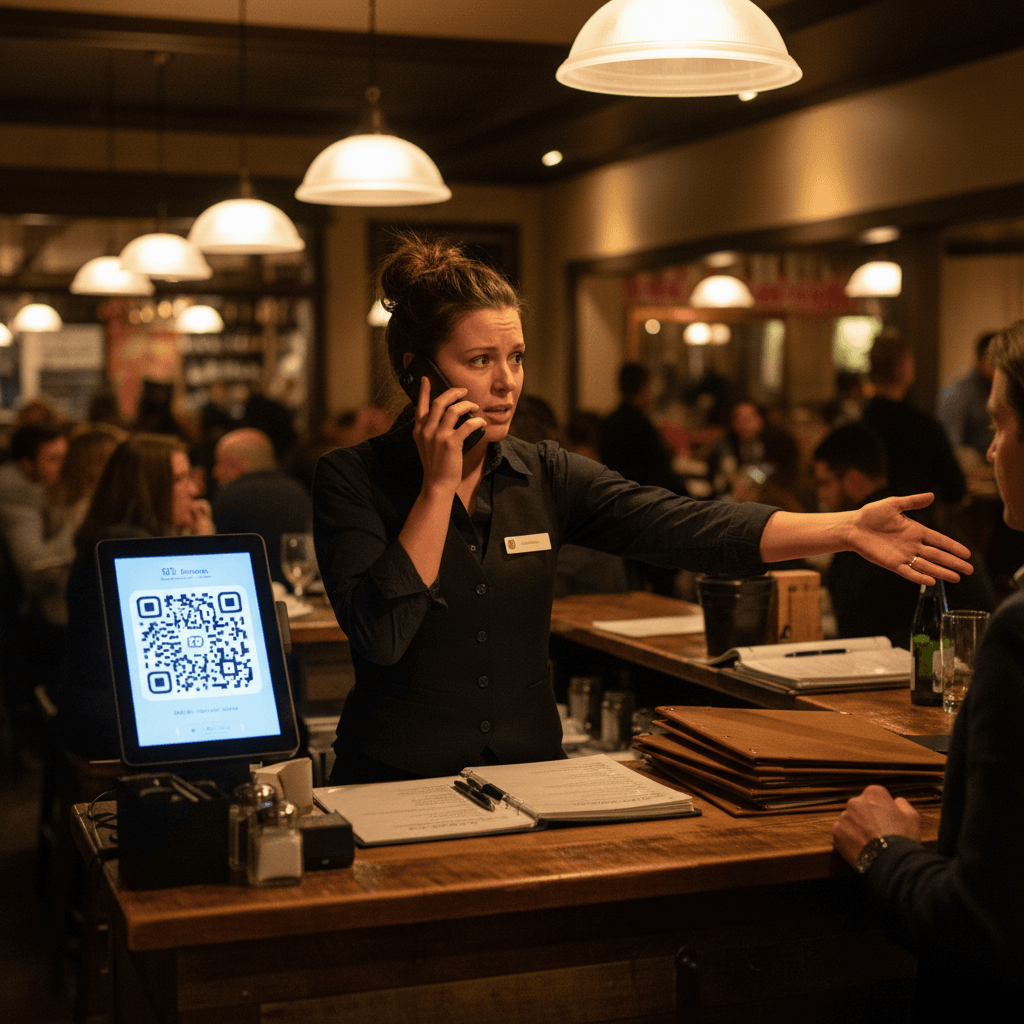
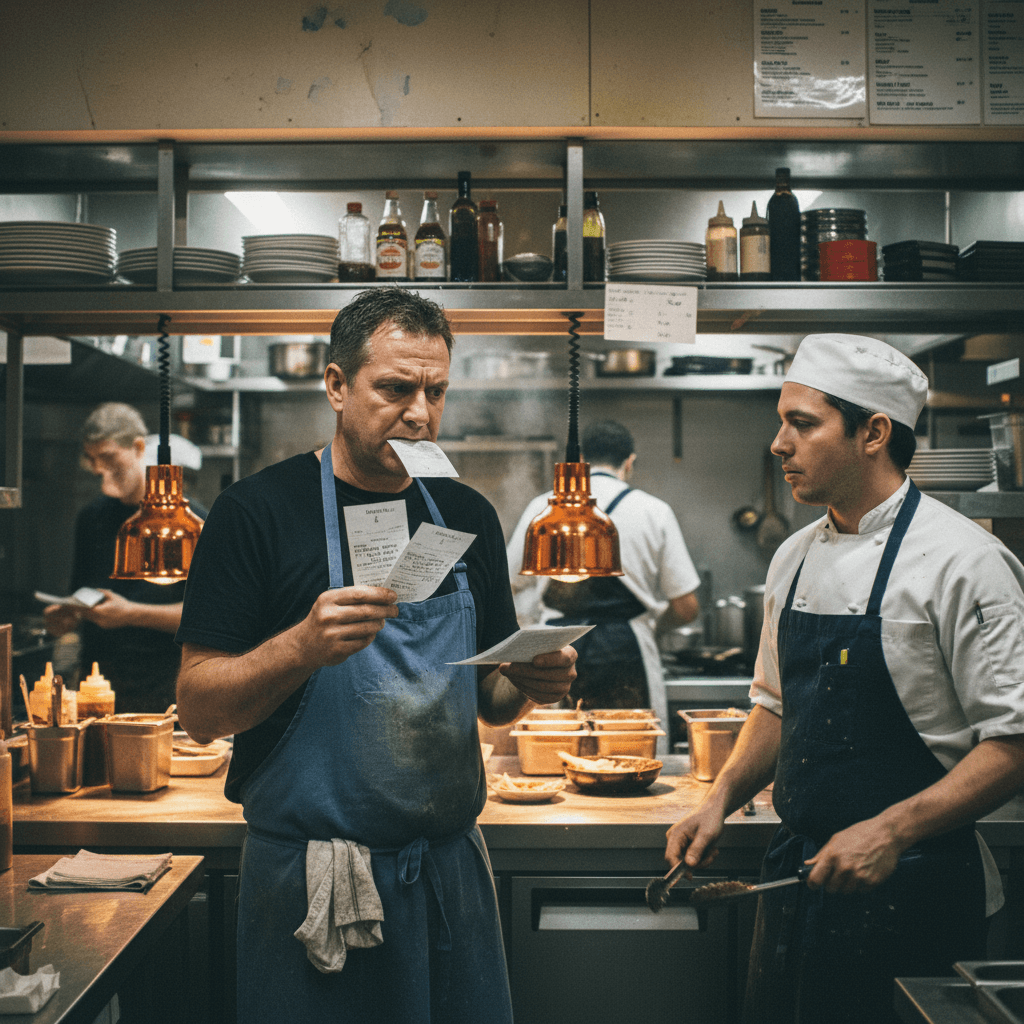
Managing multiple restaurant locations starts with a simple, brutal truth. You are on the line at your second spot during the Friday dinner rush. The expo is calling three orders at once. The printer is spitting tickets for a dish that your suburban kitchen has never prepped correctly. Your head chef from the flagship is yelling into the phone, trying to diagnose a sauce problem from five miles away. The specials board that drove sales downtown is just confusing noise here. You built a second restaurant, but you are now running two completely different businesses that happen to share a name.
Your weekly inventory spreadsheet, a two-hour task for one manager at your first location, now takes six hours across three people and still comes out wrong. The food cost report that made sense when you could walk into the walk-in and see the over-ordered salmon is now just a column of meaningless numbers. You are drowning in data and starving for context. This is not a failure of effort. It is the inevitable collapse of systems designed for one.
Why Spreadsheets Stop Scaling
You know the problem. Here is why your current fix fails. Your manual systems are not breaking because you are bad at them. They are breaking because they were never designed to connect two separate kitchens. That Excel sheet tracking prime cost works for one location where the manager knows why Tuesday's chicken order was high - they saw the catering order go out. It becomes useless when you need to compare why Location A's chicken waste is 8% while Location B's is 22%.
The data exists. The story behind the data gets lost between sites. A spreadsheet cannot tell you that Location B's new prep cook has been trimming filets incorrectly for a week. It just shows rising food cost. You spend hours reconciling numbers instead of fixing the single problem causing them.
Here is the contrarian opinion that most consultants get wrong: standardizing everything across locations often creates more problems than it solves. Your downtown bistro needs different portion sizes than your family-friendly suburban spot because their customers have completely different expectations and price points. Trying to force identical operations ignores real market differences and sets both teams up for failure. The goal is not to make every location the same. The goal is to give every location the same clarity to run their own business well.
The Single Source of Truth
That is the trap of manual tracking. This is how you escape it. You need one place where every location's numbers live in the same format, on the same schedule. More importantly, you need one place where you can see patterns across locations in five minutes, not five hours.
This is not about buying expensive software. It is about creating simple, non-negotiable daily rituals that work identically in every restaurant. A 15-minute end-of-shift count that happens at exactly 10:45 PM in every location, led by the closing manager, counting the same ten key items. A weekly manager meeting where all locations review the same five numbers every Monday at 9 AM.
The Rule: Consistency in process beats consistency in results every time. Location A might sell 40 steaks on a Saturday night. Location B might sell 80 burgers. That is fine. But both managers must track their top sellers using the same method, on the same day, and report it through the same channel.
The Daily Rhythm of Multi-Location Management
You have a single source for truth. Now you must build the daily habits that make it useful.
The morning check-in happens by 10 AM sharp. Every location manager sends a three-line text to the group: yesterday's sales, today's staffing level, and one inventory red flag. "$4,200 sales. Fully staffed tonight. Low on romaine." This is not an email or a formal report. It is three lines that take 30 seconds to write and 60 seconds for you to read across all locations.
The midday pulse check is a five-minute review of each location's pre-shift meeting notes from the day before. Did all locations remind their servers about the 86'd item? Are they all working on the same service weakness - like drink refills - this week? This shows you where training is consistent and where it has broken down.
The evening numbers ritual is about discipline. Every location closes their books the same way. They categorize sales into the same groups - food, liquor, beer, wine - at the same time, with the same person responsible for dropping the deposit. This takes training and accountability, not advanced technology.
Friday reconciliation is your most important hour. All managers meet - in person or on a call - to review the week together. The purpose is not to blame, but to spot patterns. Why did Location C's liquor cost spike 5% on Thursday when Locations A and B were normal? The answer is usually simple - a new bartender was over-pouring - but you can only see it when all the numbers are side-by-side.
The Hardest Part: Letting Go
You have built the rhythm. Now comes the real test of managing multiple restaurant locations: getting out of the way. The founder who could fix every expo problem at their first restaurant becomes the bottleneck for three locations. Your job shifts from doing everything yourself to teaching others how to spot the same problems you would see.
You need checklists so simple that a new manager cannot mess them up. A laminated card by the office computer with three closing questions: 1) Is all cash accounted for? 2) Is tomorrow's prep list printed? 3) Is the walk-in door closed? Trust these systems more than you trust your gut feelings about each location's manager.
The real measure of success: Can you take a week off without everything falling apart? If not, you are not managing multiple locations. You are just working three different jobs simultaneously. Your role is to build reliability, not to be the only reliable person.
Next Steps That Actually Work
Letting go requires trust in systems. Start building that trust with one single change.
Pick one thing to standardize this month. Not your entire menu or your schedule. Just one operational task that all locations will do exactly the same way. Maybe it is how they count the safe at closing. Maybe it is how they train new servers on ringing in modifications. One thing.
Measure it for four weeks. Does it create more clarity or more confusion? Does it save time or create extra paperwork? Adjust based on what actually happens on the floor during service, not what looks good in a planning document.
Then pick one more thing next month. Slow, steady consistency beats trying to overhaul everything at once and watching all three teams rebel against your "perfect system." You are building a culture of operational clarity, one simple ritual at a time.
Taking the Next Step
The shift from running one restaurant to managing multiple restaurant locations is an operational change, not just a financial one. Your systems must evolve from personal memory to shared process.
Stop trying to fix two different sets of books with one tired brain. See what clear, connected management looks like for yourself - view our pricing for multi-location operators and start a free trial to build your first standardized checklist before your next Friday night service begins