Why Your Restaurant's Atmosphere Fails at 7 PM
Ambiance isn't just decor - it's what happens when tickets pile up. Learn how to fix atmosphere problems that show up during your busiest shifts.
When Atmosphere Breaks Down
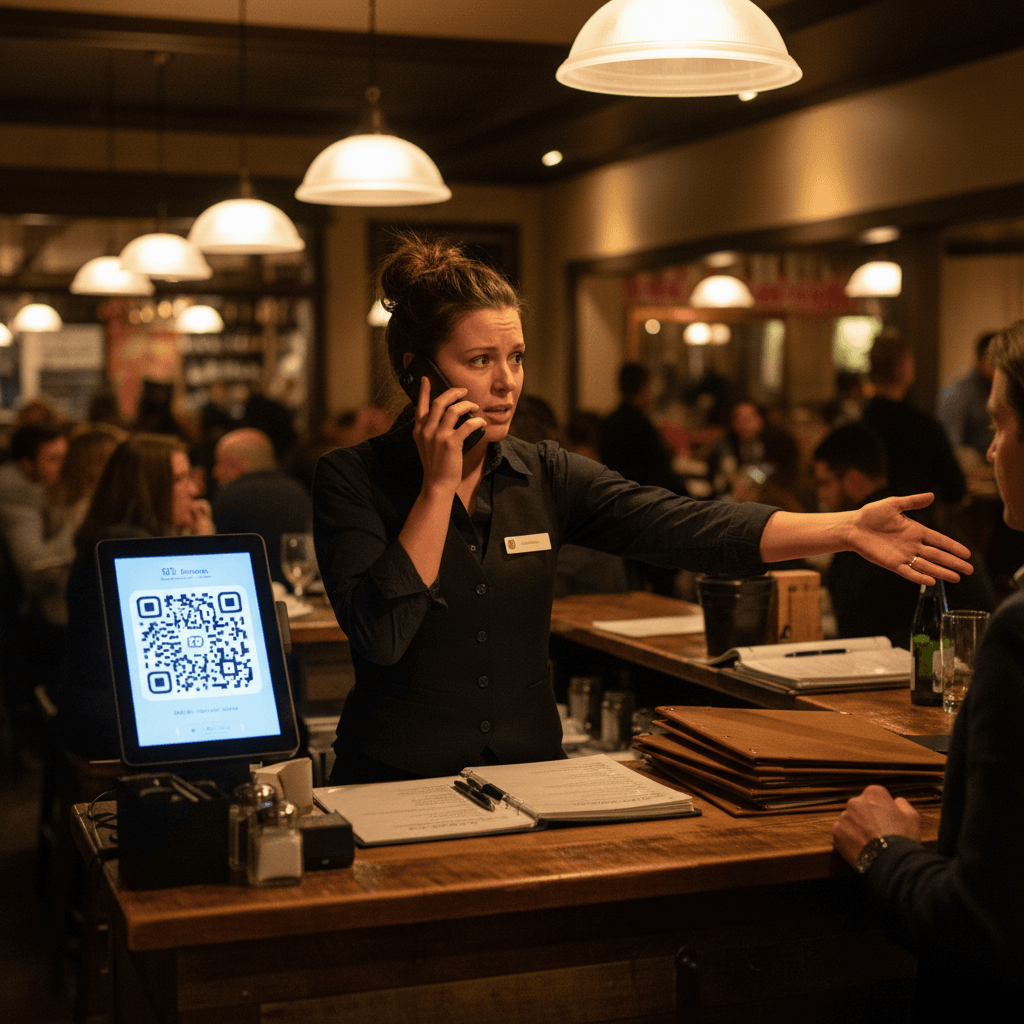
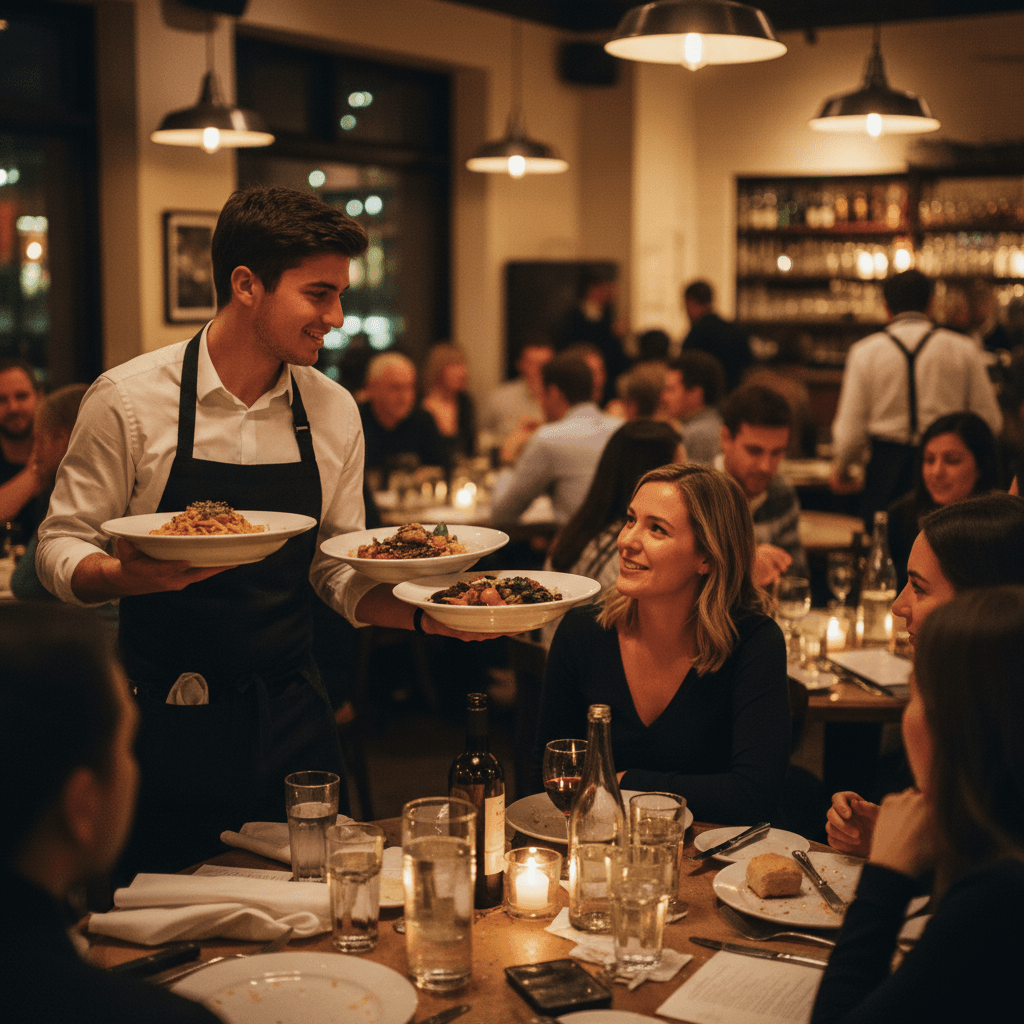
Why Your Restaurant's Atmosphere Fails at 7 PM. It's Friday night. The host stand is three deep. The expo is calling three orders at once. Every table is full, and the sound system is fighting a losing battle against the rising din of conversation. This is the moment your carefully crafted ambiance either works or fails completely. Guests aren't admiring your wall art. They're shouting to be heard across the table, feeling the heat from the person seated twelve inches behind them, or squinting at a menu in mood lighting that's now just dark.
Atmosphere isn't a static decoration you install during renovations. It's a living system that gets tested under load, just like your kitchen line during a rush. The spacing between tables, the volume of your music, the temperature of the room - these aren't aesthetic choices. They are operational variables that directly impact guest experience and staff efficiency when pressure mounts. This connects to the core operational identity we break down in Building Your Restaurant's True Identity, which explains how to build systems that work when tickets pile up.
The failure happens in specific, measurable ways. Servers take longer to navigate cramped aisles, slowing down table turns. Guests get frustrated trying to communicate, which can shorten their stay and reduce drink orders. The kitchen feels the tension radiating from the dining room, which can lead to mistakes. Your romantic, intimate setting becomes a stressful, chaotic environment for everyone involved.
The 15-Minute Pre-Shift Check
Most restaurants treat ambiance as a "set it and forget it" project. The hard truth is that atmosphere needs daily maintenance just like your oven or your walk-in cooler. It degrades with use. Chairs get moved. Light bulbs burn out. Speakers develop quirks. The solution isn't another expensive renovation. It's a simple, consistent pre-shift routine.
Start with a 15-minute walkthrough before every dinner service. Do this with your opening manager or lead server. Don't just look at the room - experience it from key positions.
First, check sightlines from every major table grouping. Can guests see each other comfortably without staring directly into another party's conversation? Sit down. Look around. A bad sightline makes people feel exposed or cramped.
Second, test noise levels with purpose. Turn your music to its normal service volume while your staff is doing their pre-shift side work and talking. Walk to the back corner booth and try to have a normal conversation with someone across from you. If you have to raise your voice, so will your guests.
Third, walk your server paths with a bus tub in hand. Look for bottlenecks where staff have to squeeze past chair backs or navigate tight corners with full hands. These are profit leaks disguised as decor.
The Rule: Dim lighting doesn't create intimacy if your staff can't see their tables. Your candlelit atmosphere fails the moment a server squints to read a check, misses an empty water glass, or has to use their phone flashlight to see the credit card terminal. Romance shouldn't cost you efficiency.
When Manual Checks Become Another Task
The problem with good advice like "do a daily walkthrough" is execution. It becomes another item on a manager's already overflowing list. After lunch rush cleanup, before counting drawers for dinner, during the pre-shift meeting - who has time for a thoughtful ambiance audit? You might catch a blown bulb but miss everything else.
You miss the gradual changes that kill atmosphere slowly. That one ceiling speaker in section three that crackled last Tuesday and now just hums? Missed. The growing pile of spare chairs and coats accumulating in the back hallway near table nine? Missed. The way tables have slowly, over six months, been pushed two inches closer together every time they're cleaned, until now servers can't walk between them without turning sideways? Missed.
Staff notice these things in fragments but rarely report them systematically. A server mentions it's hard to hear specials at table twelve, but you're dealing with a food runner call-out. A host comments on the cold draft near the door, but you're in the middle of reconciling cash. "Atmosphere" feels subjective and soft compared to the hard numbers of food cost or labor percentages. So it gets deprioritized until it becomes a crisis at 7 PM on a Saturday.
The Atmosphere That Works Without You
Great ambiance should function like your best line cook - consistent and reliable without needing constant supervision from you. This doesn't mean automation from day one. It means building manual systems so clear and logical that your team maintains them naturally.
Start by creating one single-page checklist. This isn't a corporate manual. It's an operational tool for your opening manager, as essential as checking fridge temps. Tie every item to a specific, observable outcome.
Pre-Shift Lighting Check: Walk the room. Are all bulbs working at consistent brightness? Can a server read an order pad at every table without straining? Yes or no.
Weekly Sound System Test: Every Tuesday before open. Play music at 50% volume. Stand in each corner of the dining room. Can two people have a conversation without shouting? Yes or no.
Monthly Table Spacing Verification: First Monday of the month. Measure the distance between table edges in high-traffic aisles. Is there at least 36 inches for staff to pass with a tray? Yes or no.
Train your team on why each item matters. Explain that 36 inches isn't an arbitrary number - it's the space needed for a server carrying three hot plates to pass safely without burning themselves or a guest. When people understand the "why," they maintain the "what."
Your furniture arrangement should create clear traffic lanes that staff naturally preserve because it makes their job easier. Your lighting should be on timers that match service rhythms - brighter during lunch turnover, softer during late-night dessert service. These are systems.
Your next step isn't buying new chairs or hiring an acoustic consultant. It's committing to one shift this week where you become the guest.
From Manual Discipline to Digital Consistency
Manual checks work. They build discipline and awareness in your team. But they require time and consistent human effort - two resources that are always in short supply during service. This is where modern operations platforms add value.
The repetitive parts of ambiance maintenance - logging light bulb outages, tracking temperature complaints by table, scheduling weekly speaker tests - can be moved from a paper checklist to a digital workflow. These tools create tickets for maintenance issues automatically, assign them to staff, and track completion. They turn subjective observations ("it's kinda loud over there") into trackable data points ("Table 14 has had three noise complaints this month").
The goal isn't to replace your manager's eyes and ears. It's to free them from administrative tracking so they can focus on higher-level guest experience during peak hours. When a system automatically reminds you to test sound levels every Tuesday, you stop relying on memory during chaotic prep periods.
Taking the Next Step
Fixing your restaurant's atmosphere is not about interior design. It's about operational discipline applied to the guest environment. The logic is clear: systems that work during slow Tuesday lunches will break at 7 PM on Friday. Building consistency requires turning subjective feelings into verifiable checks.
The manual walkthrough is your starting point. Experience your own dining room during peak service this week. Order a meal, sit at different tables, and note what you see, hear, and feel. Then build your one-page checklist from those observations.
If maintaining that consistency manually becomes another overwhelming task on your list, view our pricing for platforms designed to turn operational checks into automated workflows. You can start a free trial to see how digital tools capture ambiance issues before they escalate into Friday night failures.