Why Your Restaurant Music Is Hurting Sales
Bad playlist choices don't just annoy staff - they slow down service and cost you money. Learn how to pick music that works during Friday night rush.
The Sound That Slows Service Down
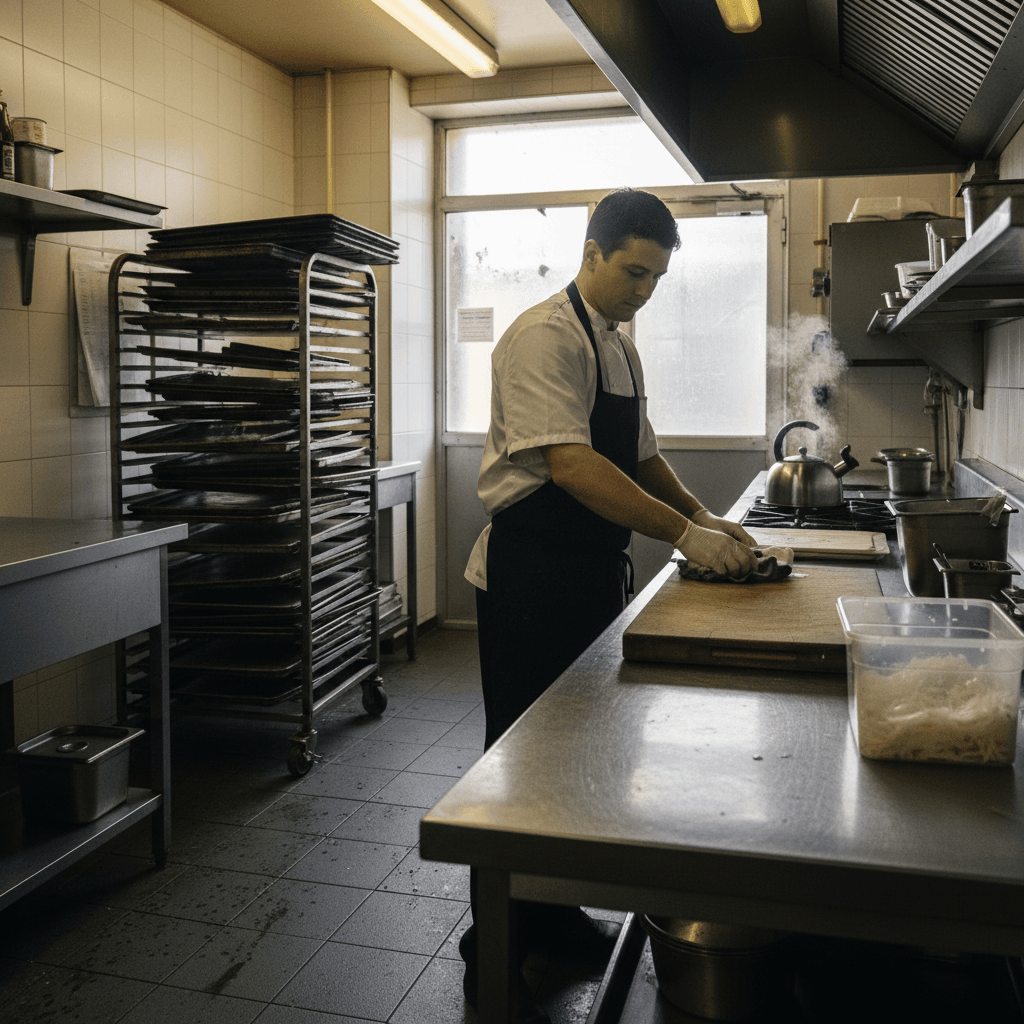
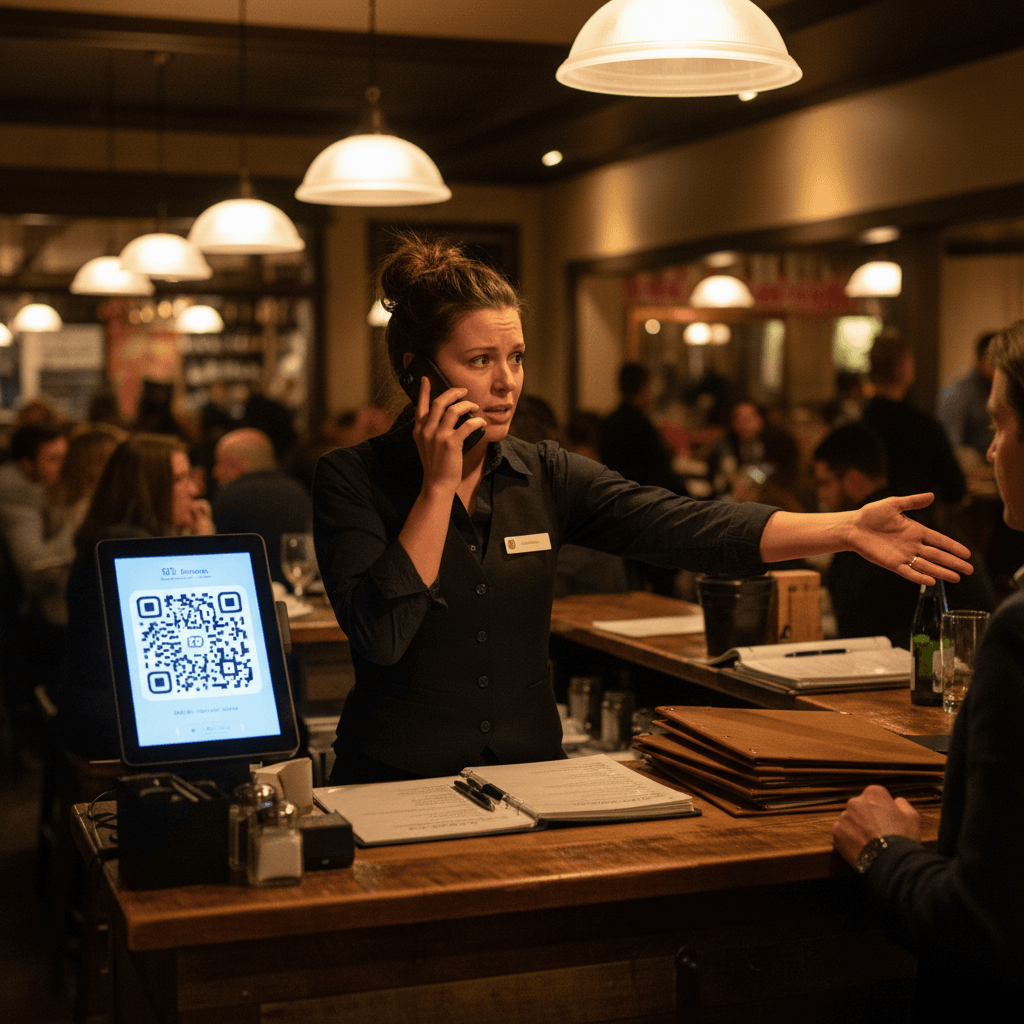
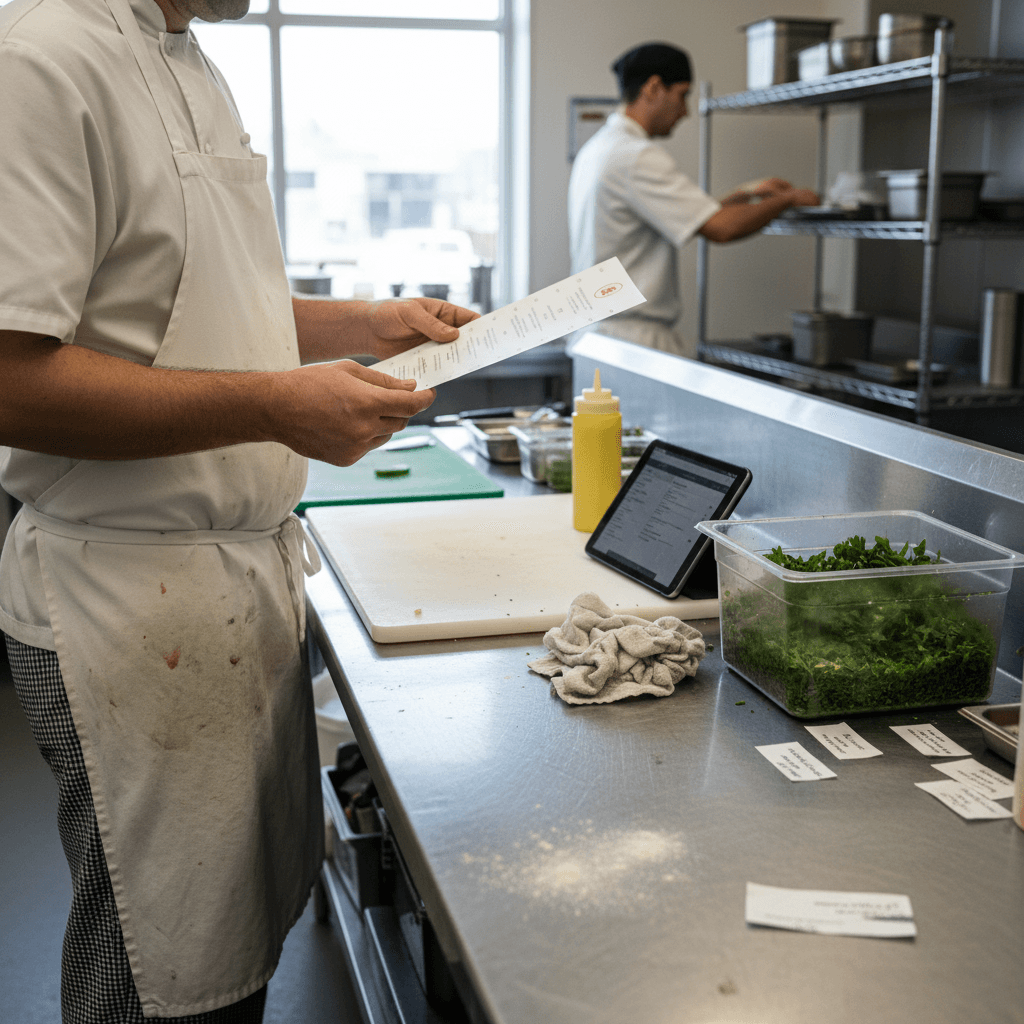
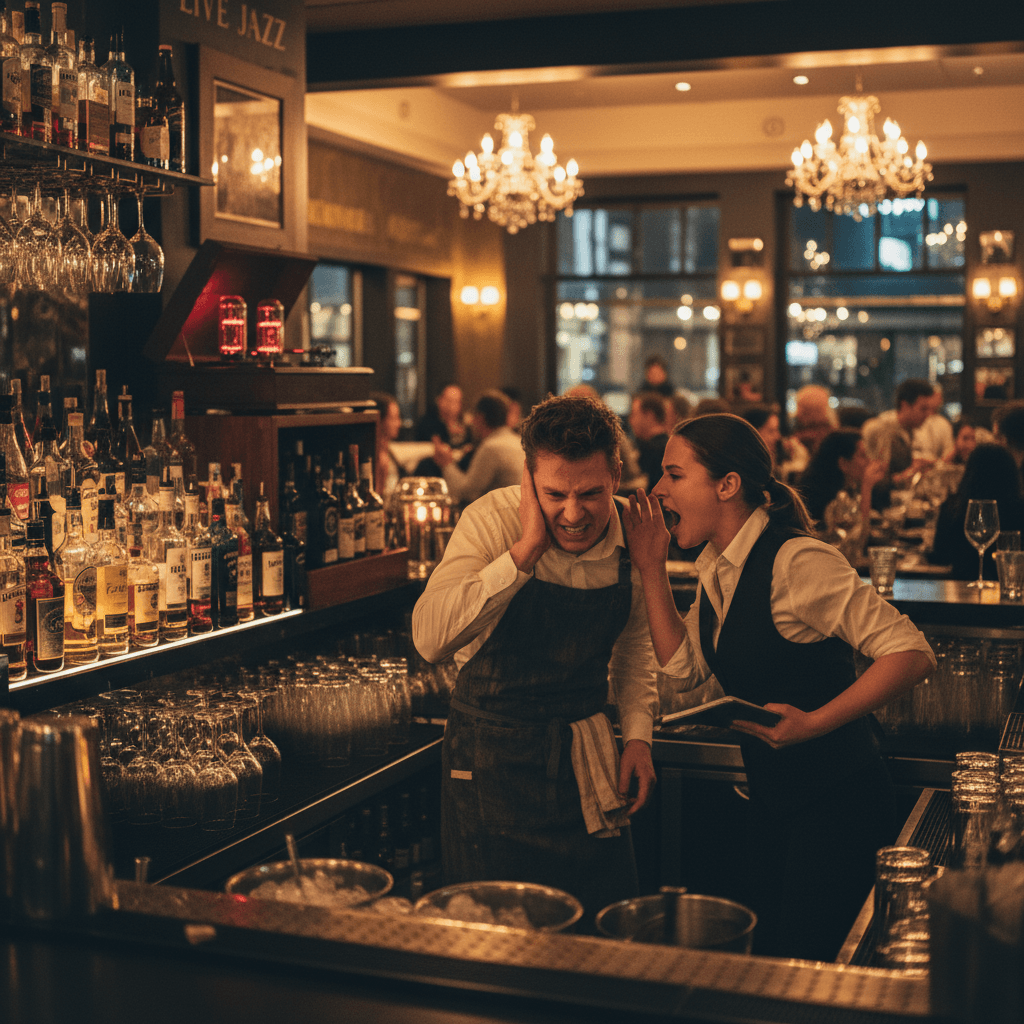
Why Your Restaurant Music Is Hurting Sales becomes clear at 7:04 PM on a Friday. The expo window is stacked three tickets deep. The server needs to tell the kitchen about a steak temperature change, but she's shouting over a bass-heavy track. The line cook misses the call because the chorus hits. That table waits an extra four minutes for their corrected order. Multiply that by every communication breakdown during peak rush, and you're looking at slower table turns and lower sales. This operational noise isn't just annoying - it's expensive. It erodes the identity you're trying to build on the floor, which is why fixing your sound connects directly to the core principles in Building Your Restaurant's True Identity.
Think about the last time your kitchen asked for a re-fire. How many seconds were lost while someone tried to be heard? Those seconds add up to minutes per table. Minutes per table decide whether you turn that four-top twice or once during dinner service. The wrong playlist doesn't just set a mood - it sets a pace. And when the pace slows, money walks out the door.
The Volume Rule Most Restaurants Break
The fix starts with a simple, contrarian rule. Most restaurants get volume backwards. They play music loudest when they're busiest, thinking it adds energy. That's wrong.
The Rule: Your music should be loudest when you're empty, quietest when you're full.
An empty dining room at 3 PM feels dead. You need energy to signal life to anyone walking by. Crank the volume to fill the space. But at 7 PM on a Saturday, the room is alive with conversation, clinking glassware, and sizzling pans from the open kitchen. The music should sit underneath that natural energy, not compete with it.
Give your staff specific targets. At 3 PM with three tables, aim for 70 decibels measured from the center of the room. At 7 PM with a full house, drop it to 60 decibels. That's the difference between needing to raise your voice to talk across a table and speaking normally. Train your opening manager to set the baseline volume based on reservations - quiet if you're booked solid, louder if you have gaps.
This isn't about ambiance theory. It's about communication clarity between server and guest, expo and line cook, host stand and bar. When your team can hear each other, mistakes drop and speed increases.
Three Playlists That Actually Work
Volume control is half the battle. The other half is what you play and when you play it. You need different soundtracks for different parts of your day.
1. The 4 PM Reset This playlist bridges the gap between lunch cleanup and dinner prep. It needs energy but not aggression. Think upbeat indie rock, vintage soul, or acoustic covers of popular songs. The goal is to reset the staff's energy without overwhelming them during side work. Artists that work: Alabama Shakes, Leon Bridges, early Beatles tracks. Avoid: Heavy bass drops or lyrics about heartbreak during roll-up.
2. The 7 PM Peak When tickets start flying, switch to instrumental focus with consistent tempo. Lyrics become competing conversations in a busy room. Genres that work: Bossa nova, classic jazz (Miles Davis' "Kind of Blue"), downtempo electronic (Thievery Corporation), or film scores. The consistent tempo subconsciously keeps service moving at a steady pace. A server doesn't wait an extra beat at the POS because a ballad slowed her down.
3. The 10 PM Wind Down As dinner service winds down and bar guests linger, shift to recognizable but not distracting tracks. This is for the couple having a last drink or the solo guest finishing dessert. Think: Later career Beatles ("Here Comes the Sun"), acoustic versions of 90s alternative hits, or smooth classic rock. The music should feel familiar and comforting, encouraging another round rather than signaling last call.
When Manual Music Management Fails
These rules work on paper. Then reality hits your Friday night shift.
Who changes the playlist at 4 PM? Is it the manager who also needs to count the safe and check in the fish delivery? What happens when that manager calls in sick? Does the bartender pick Spotify based on his mood? Do you have three different servers each controlling one speaker zone?
Manual music management creates service gaps you can't afford.
The bottleneck appears during transition times - precisely when you need consistency most. The 4 PM reset gets forgotten because expo is training a new runner. The volume stays at happy hour levels into dinner rush because no one can leave their station to adjust it. Different shifts create entirely different soundscapes, confusing your regulars and frustrating your staff.
You built a system that depends on one person remembering one more task during the busiest part of their day. That system will break.
The Next Step For Your Sound System
The solution is creating a music system that works without constant manager intervention.
Start by mapping your dayparts against your reservation book or historical covers. If you know you do 40 covers between 5-6 PM and 120 covers between 7-8 PM, set your volume automation accordingly. Use simple timer plugs or smart speakers with scheduling to lower volume automatically as peak approaches.
Create your three core playlists in a dedicated service account - not someone's personal Spotify. Make them collaborative so managers can add appropriate new tracks without overhauling the vibe.
Train every shift lead on one non-negotiable: during peak service (6-9 PM), if they need to shout to be heard by someone three feet away, the music is too loud. Give them permission to turn it down without asking.
This manual framework establishes control and consistency.
Of course, maintaining this discipline takes time and attention - two things in short supply during service. Modern restaurant technology can automate these repetitive scheduling tasks, syncing music changes directly with your POS system's sales data or reservation book flow.
Taking the Next Step
The connection between your restaurant's sound and its speed is direct and measurable. Louder music during peak equals slower communication equals longer ticket times equals fewer turns per table.
The logic is simple once you see it from the floor perspective - not as background noise, but as operational infrastructure.
Start by auditing your next Friday night rush from a communication standpoint. Then view our pricing for tools that help automate this consistency or start a free trial to see how syncing your sound with your service flow changes both atmosphere and pace