Why Your Inventory System Fails at Three Locations
Your perfect single-location inventory system becomes chaos when you add locations. Learn how chain restaurants lose control and what actually works.
The Inventory Math That Stops Adding Up
It's 8:45 PM on a Friday. Your expo is calling three orders at once. The grill cook just pulled the last two ribeyes from the lowboy. He yells "86 ribeye" to the manager, who immediately checks the inventory sheet from this morning's count. It shows seven on hand. Why Your Inventory System Fails at Three Locations is because that perfect weekly count you built for one restaurant becomes useless fiction when you're not there to see what actually happened between the count and service.
At one location, you feel the inventory. You walk into the walk-in and know it feels light before you even look at a sheet. You see the prep cook over-portioning the aioli during Tuesday setup. That gut check disappears when you add locations. Suddenly you're comparing apples to oranges - different managers count at different speeds, different kitchens waste differently during their unique rushes, and your consolidated food cost report becomes a storybook, not a tool for buying decisions. This connects directly to the foundational scaling problems we break down in When Your Second Location Breaks Your First, which explains how your best single-store practices become your biggest multi-unit problems.
The math is simple but brutal. Perfect counts at Store A plus sloppy counts at Store B equals bad data for your entire company. You make purchasing decisions for all three locations based on numbers that are wrong. You over-order for one store and run out at another. The waste happens in the gaps between what was counted and what was actually used during the chaos you didn't witness.
Count What Matters, Not Everything
The hard truth that fixes this starts with a brutal assessment of your counting time. Counting every single item weekly across multiple locations wastes more money than it saves. Most restaurants track 300+ inventory items but only 20 of them drive 80% of your food cost.
Your counting energy must focus on high-cost proteins, expensive seafood, and premium liquor. Let your line cooks manage the condiments, garnishes, and dry goods through simple visual par levels and weekly order sheets. This isn't about trusting them blindly - it's about giving them a system they can execute without a manager hovering.
The Rule: If an item costs less than $2 per serving and isn't prone to massive theft, it doesn't get a detailed weekly count.
Track your ten most expensive proteins by pound. Track your five most expensive seafood items by piece. Track your top-shelf liquor by bottle. This focus cuts counting time by 60% across three locations while actually improving accuracy where it matters - on your prime cost line.
Here's how this looks on the floor. Instead of spending 90 minutes counting every herb, sauce, and spice on Tuesday afternoon, your manager counts the ribeyes, scallops, and bourbon in 20 minutes. They use the saved hour to watch the line during Friday's dinner rush, seeing exactly how those scallops are being portioned and where waste is actually happening. The data from a focused count combined with direct observation beats perfect counts of everything every time.
When Your Best Counter Can't Be Everywhere
Your most meticulous manager can maintain perfect counts at their home store because they live there. They know where every backup case is hidden. They know which prep cook is heavy-handed with the cheese. But they can't clone themselves across locations.
The moment you rely on different people with different standards, your data becomes unreliable. Friday night's rush looks different in each kitchen - some chefs pull extra backup protein from dry storage during peak hours, others run out mid-service and 86 items. Without consistent counting methods and timing across all locations, you're making buying decisions based on bad information.
This inconsistency creates two specific problems you can measure immediately.
First, timing variance kills comparability. Store A counts inventory at 6 AM Monday before deliveries arrive. Store B counts at 10 PM Sunday after cleaning. Store C counts Tuesday afternoon whenever the manager has time. These aren't comparable snapshots of your business. You're looking at three different moments in the usage cycle and calling it "inventory."
Second, method variance creates fictional numbers. Does "one case" mean 12 individual units still in the case? Or 12 units broken down into storage containers? Does your vodka count include the nearly-empty bottle at the service well? Without answering these questions identically across locations, your numbers are meaningless for comparison.
The fix is standardization that survives turnover. Create one counting sheet that matches your storage layout - walk-in first, then lowboys, then dry storage - in that exact order for every store. Train every manager on the same counting method during slow Tuesday afternoons using real product, not during rushed Sunday nights when shortcuts are inevitable.
From Counting to Controlling
Inventory control for chains isn't about achieving perfect counts - that's impossible across multiple locations with different teams. It's about building consistent processes that work when you're not there to supervise them personally.
You need systems that survive manager turnover and busy weekends when everyone is just trying to get through service alive.
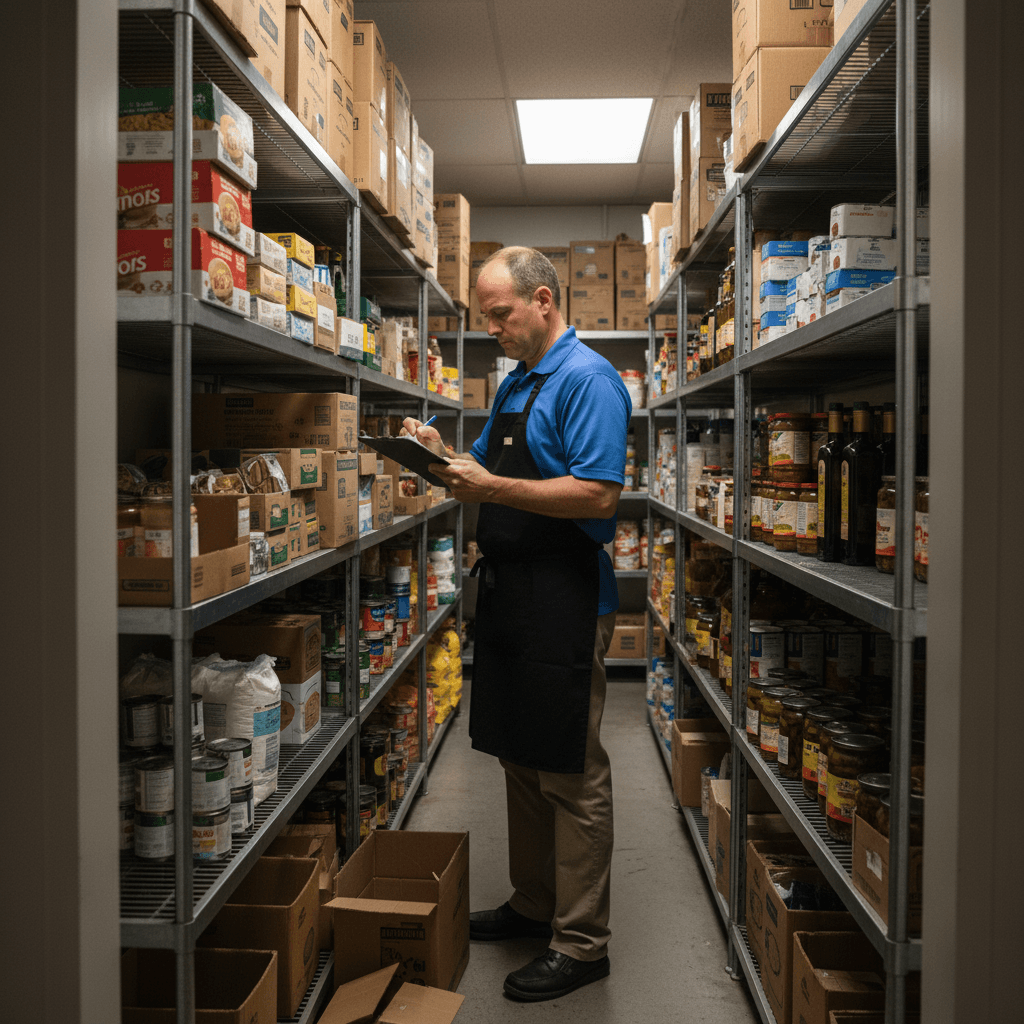
Start with physical organization that enables accurate counting without heroic effort. Store all high-cost proteins in one designated section of every walk-in, using the same containers and labeling system at all three locations. When everything has a specific home and looks identical everywhere, counting becomes faster and less prone to error.
Next, implement cross-location validation checks that don't require your presence. Have managers from different stores swap counting duties once per quarter. Store A's manager counts Store B's walk-in while Store B's manager counts Store A's bar stock. They'll immediately spot inconsistencies in how things are stored and counted that you would never see from reports alone.
Most importantly, shift your limited time from chasing perfect numbers to analyzing trends across locations. Instead of asking "why does Store B have 2 more ribeyes than counted last week?" ask "why does Store B consistently use 15% more ribeye per cover than Store A?" The trend across weeks tells you where real operational differences exist - portioning standards, waste during prep, or even theft patterns.
This manual system requires discipline but delivers control without technology investment.
Modern digital inventory tools can automate the repetitive parts of this workflow - tracking usage against sales in real time, flagging variances automatically, and giving you comparable data across locations without manual spreadsheet consolidation. They handle the math so you can focus on the why behind the numbers.
Taking the Next Step
The shift from counting everything to controlling what matters is practical restaurant math, not theoretical management science. You cut counting time dramatically while improving accuracy on your most expensive items. You build processes that work consistently across locations because they're simple enough for any manager to execute during a busy week.
The logic is clear: better data on fewer items beats bad data on everything when making buying decisions that affect three locations' profitability.
To see how digital tools can automate this focused approach across your locations without disrupting service, view our pricing for multi-unit operations or start a free trial to test the counting workflow during your next slow Tuesday prep period