Why Your Instagram Food Photos Look Bad
Your staff's phone photos are costing you sales. Learn 5 simple rules that turn blurry snaps into menu items customers actually want to order.
The Instagram Gap Between Your Kitchen and Sales
Why Your Instagram Food Photos Look Bad is a question you can answer by standing at the expo station on a Friday night. A server pulls out their phone as the chef calls "order up." They snap one blurry picture of the burger in the dim pass-through light, then rush it to table 12. That photo, now on your Instagram story, looks like a dark, greasy mess. Customers scrolling past don't see your perfectly cooked patty or house-made brioche bun. They see a reason to keep scrolling and order from the place with bright, crisp photos instead.
This is the direct link between bad photos and lost sales. A dark shot of your signature pasta hides the fresh herbs and glistening sauce. A messy rim on a dessert plate makes the whole dish look sloppy. An awkward top-down angle makes the food look flat and unappetizing. When customers can't see what they're buying, they don't buy it. They tap past your post and order from a competitor whose food looks as good as it tastes. This visual gap costs you real money every single day.
The fix starts with training, not expensive cameras. For a complete system to turn every staff member into a capable food photographer, our guide Phone Food Photos That Actually Sell provides the templates and quick-reference cards you need.
Five Rules That Actually Work (And One That Doesn't)
You need rules that work during a busy lunch shift, not in a studio. These five rules are designed for speed and consistency.
Rule 1: The Two-Second Light Test. The Rule: If you wouldn't eat the food in that light, don't photograph it. Bad lighting kills more food photos than anything else. The fluorescent glow from your kitchen hood or the shadowy corner of the dining room at night makes vibrant food look dead. Find natural light near a window during the day, or use the well-lit expo station during service. Hold the plate there for two seconds. If it looks appetizing to you, take the shot.
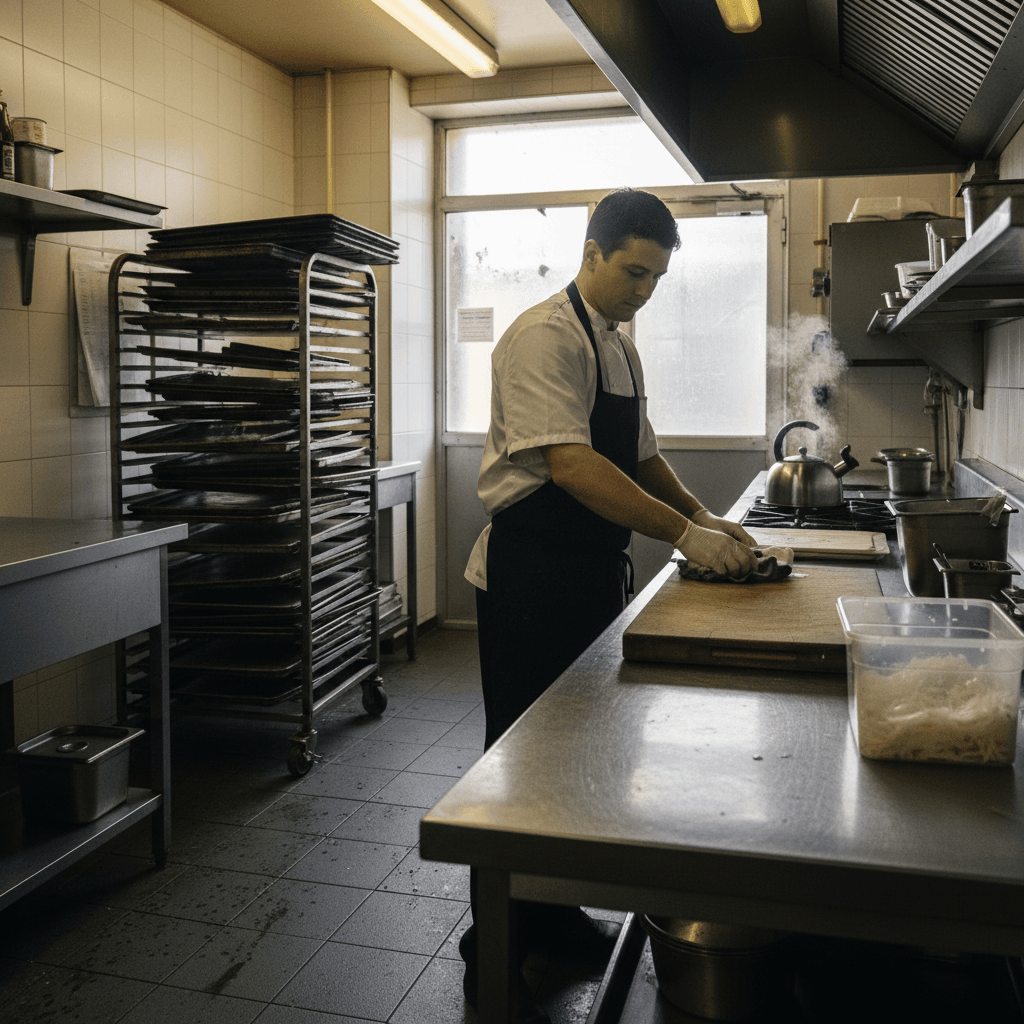
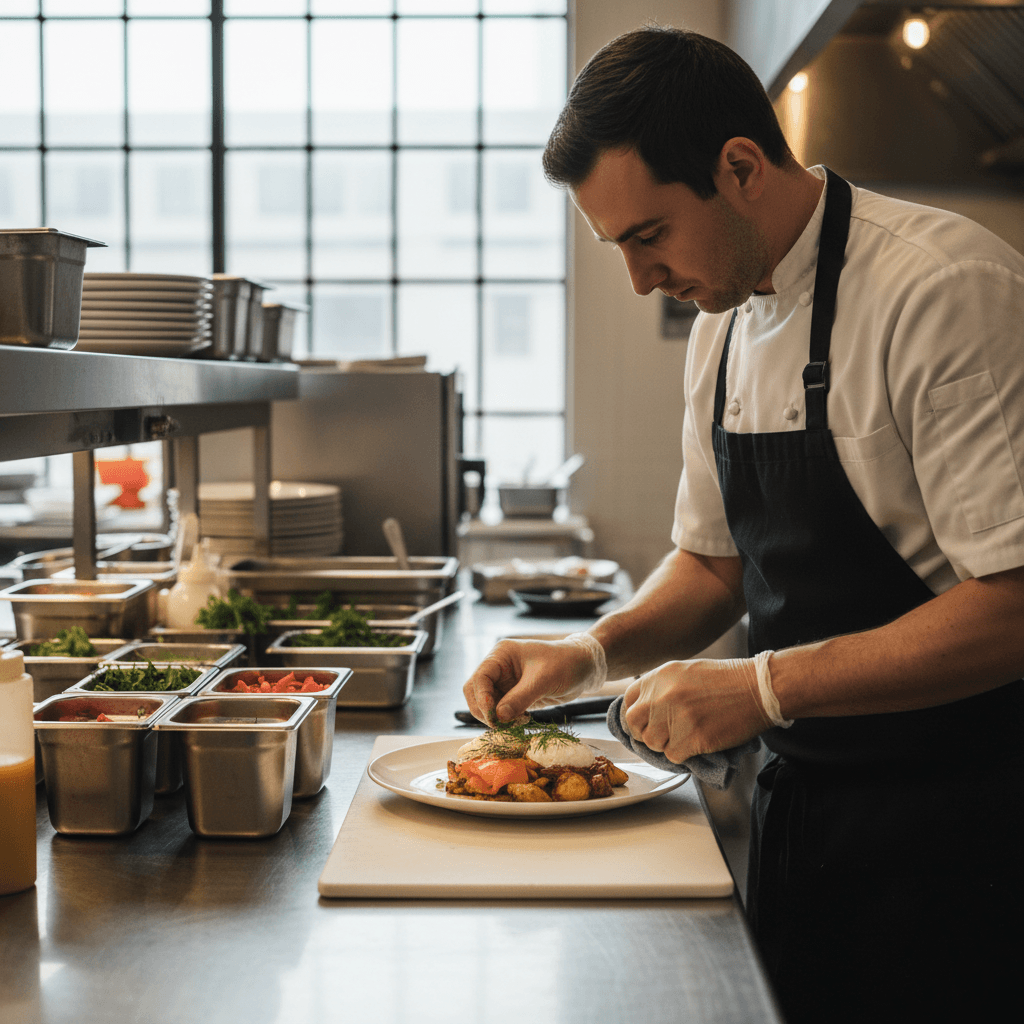
Rule 2: The Clean Plate Rule. Wipe every single rim before you lift the camera. A fingerprint of sauce or a stray crumb on the white porcelain is all anyone will see. Keep a damp side towel at the photo spot - maybe on a small shelf by the expo window. This ten-second wipe transforms a messy plate into a professional presentation.
Rule 3: The Garnish Gap. Leave intentional space around garnishes so they stand out. Don't let fresh parsley or microgreens get lost against a busy background of other food. Plate the main item, then place the garnish in an open area of negative space on the plate. This makes the fresh element pop in the photo and signals quality.
Rule 4: The Customer Angle. Shoot from where the customer sees the food arriving at their table - a slight three-quarter angle, not directly from above. The top-down "flat lay" is for magazines, not for making someone's mouth water as they scroll through their feed. Get down to table height. This angle shows depth, texture, and makes the dish look ready to eat.
Contrarian Rule: Stop Using Portrait Mode. The artificial background blur (bokeh) from smartphone portrait modes makes food look fake and processed. It often blurs parts of the dish you want in focus, like the edge of a crispy piece of bacon or the details in a sauce drizzle. Turn it off. Use your phone's standard photo mode for sharp, realistic images that look delicious, not digitally altered.
Rule 5: The Three-Shot Minimum. You won't get one perfect shot under pressure. Take three quick photos from slightly different angles or positions. One will be usable. This takes fifteen seconds, not five minutes. Snap, adjust slightly, snap again, adjust once more, snap a third time. Move on.
When Service Rush Kills Your Photos
These rules make perfect sense at 3 p.m. during prep. They fall apart completely at 7 p.m. on a Friday.
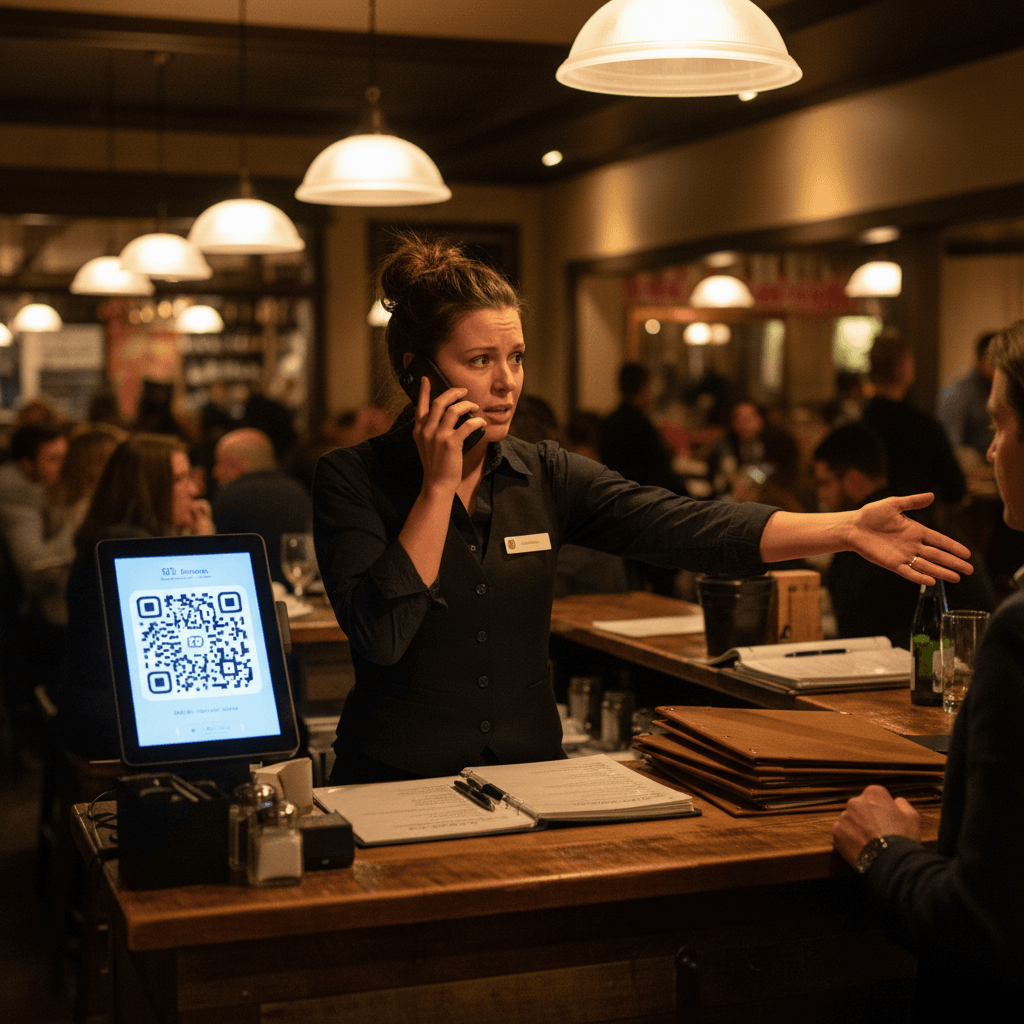
The reality hits when expo calls three orders at once - "Two burgers, one salmon, firing!" The line cook is plating all three simultaneously. There is no ten-second window to wipe rims and find good light. The server is double-sat with new tables and needs to run that hot food immediately. The beautiful natural light from the front windows is gone because it's now dark outside, and the dining room lighting creates harsh shadows.
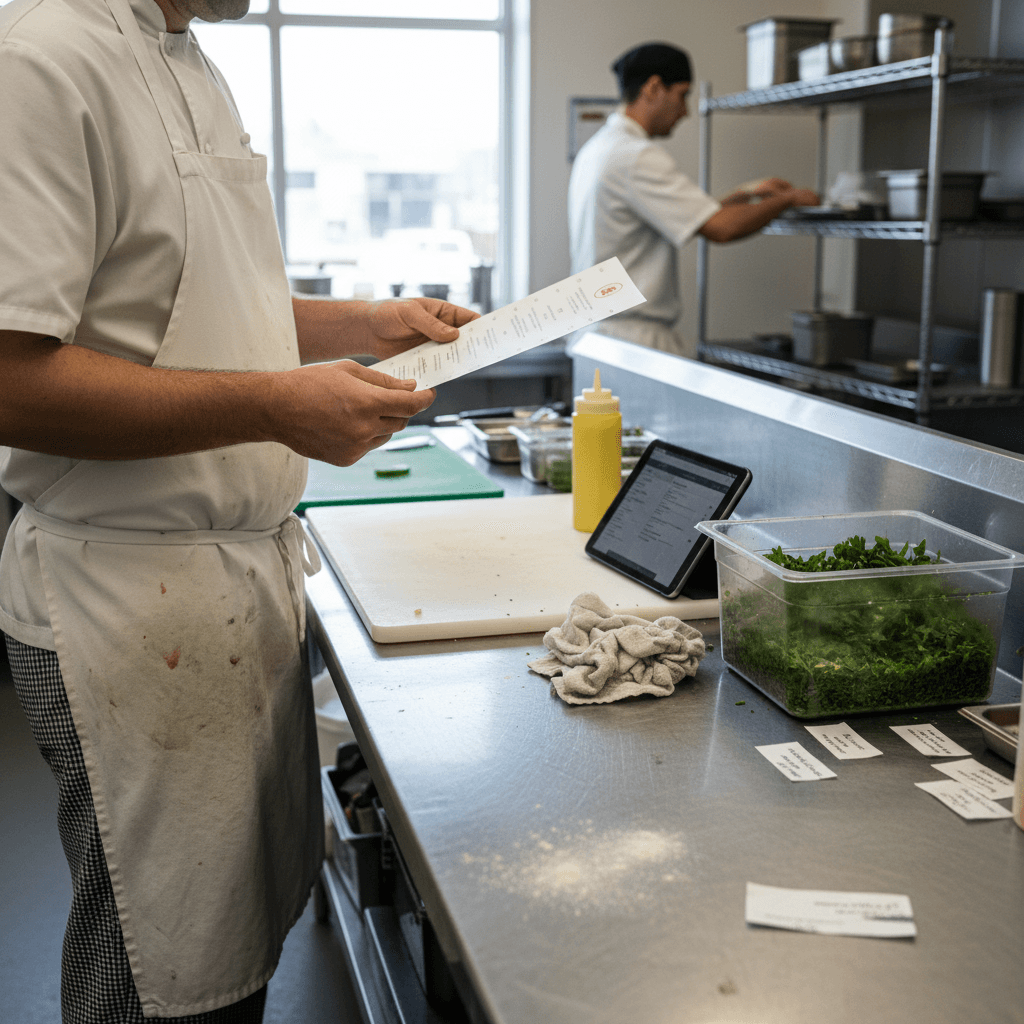
The manual system breaks under volume because it depends on human discipline during chaos. A manager might intend to photograph every new special, but then gets pulled to handle a customer complaint or a keg change. A dedicated staff photographer sounds great in theory, but that's one less person running food or bussing tables during your peak revenue hours.
This is why most restaurant Instagram accounts start strong and then fade into sporadic posts of mediocre quality. The operational friction is too high when you're in the weeds.
From Better Photos to More Orders
Improved photos directly increase check averages and item sales. When customers see a bright, crisp image of your new scallop special next to a dark, blurry one of your old steak dish, guess which one they order? One restaurant trained their servers on these five rules and asked for just two perfect shots per shift - one during pre-service setup and one during a slower post-lunch moment.
They created a shared album where staff could instantly upload their best shots from their phones. Within a week, their social media feed was consistently filled with high-quality images without anyone working overtime as a photographer. They saw a measurable uptick in orders for the items that were photographed well, because people wanted what they could see clearly.
This connects back to building a reliable system that doesn't depend on any one person's heroic effort during rush hour.
Manual processes require constant reinforcement and management oversight to maintain quality. Modern digital tools in hospitality can automate parts of this visual workflow by creating standardized capture points within existing service sequences or simplifying how media is collected and approved for use.
Taking the Next Step
Better Instagram photos come from simple rules applied consistently, not from magic or expensive gear. The logic is clear: food that looks appetizing sells more readily than food that doesn't.
Start by implementing one rule this week - perhaps the Clean Plate Rule with a dedicated side towel at expo - and build from there.
To explore how digital systems can help streamline this process alongside your team's efforts, you can view our pricing details or start a free trial to see how it integrates with your daily service flow