Why Your Food Videos Don't Sell
Your food videos look great but don't drive orders. Learn the three mistakes restaurants make with video content and how to fix them today.
The Instagram Trap That Costs You Orders
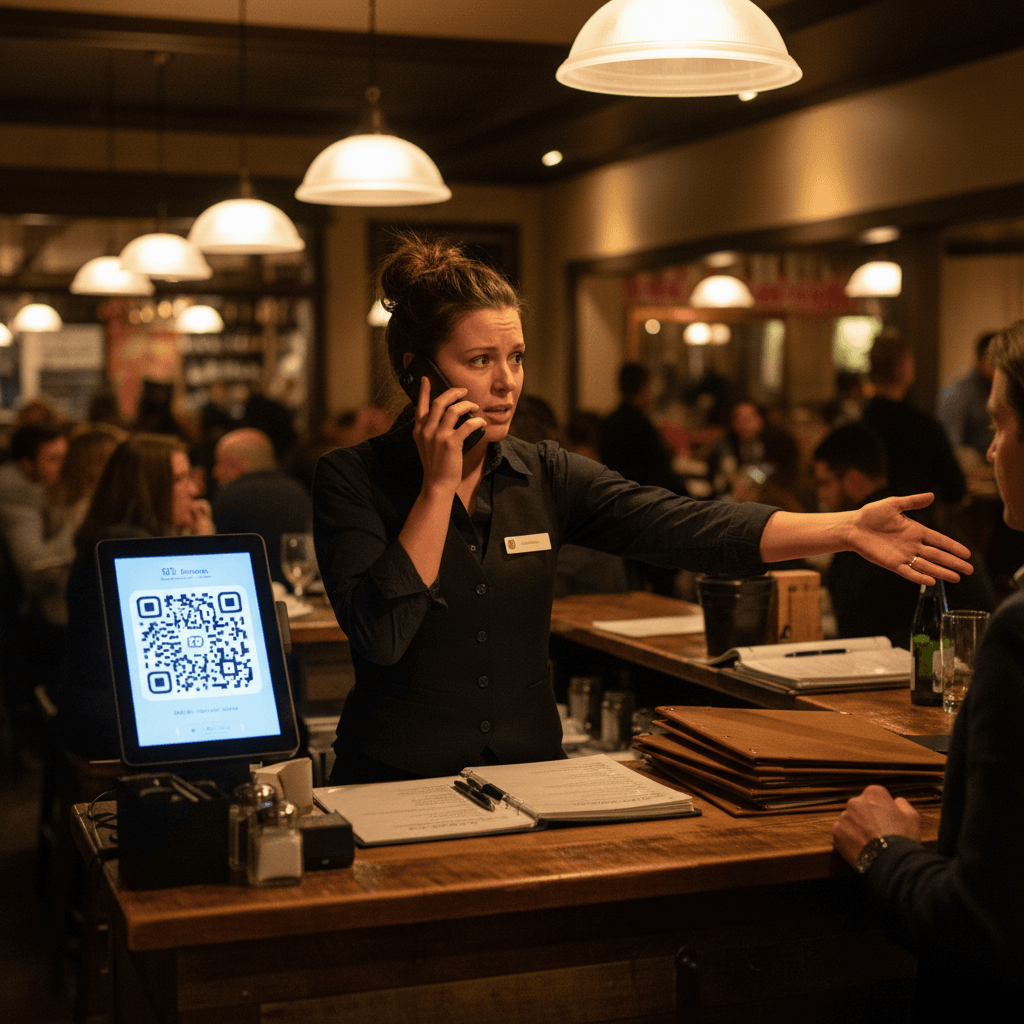
It's Friday night, your specials board is full, and your servers are describing the new burger with enthusiasm. But the table of four in the corner is scrolling through their phones, watching your beautifully edited food videos, and still asking "What's good here?" Why Your Food Videos Don't Sell is a question you feel in real time when likes don't turn into orders. You're creating content that other restaurants admire - the perfect lighting, the artistic plating, the slow-motion shots that took an hour to film. Meanwhile, hungry customers watching those same videos aren't feeling the urge to order. They're seeing art, not dinner.
The disconnect happens because you're solving for applause from industry peers instead of solving for hunger cues from actual customers. Your videos get shared in chef groups and earn compliments on technique. But the family deciding where to eat tonight doesn't care about your knife skills - they care about whether that pasta looks creamy enough to satisfy their craving. This visual strategy connects directly to the practical photography skills we break down in Phone Food Photos That Actually Sell, where we focus on what makes customers click "order now" instead of what earns professional admiration.
Show The Sizzle, Not The Art
Hard truth: your beautiful slow-motion shot of microgreens falling gracefully onto a plate doesn't sell food. It sells an idea - an idea that this dish is delicate, artistic, and perhaps intimidating. Customers want to see what happens when they bite into it. They want texture shots that trigger physical hunger responses.
Focus on cheese pulls that stretch across the frame. Show crispy crusts cracking under a knife with audible sound. Capture sauces pouring over hot surfaces where they sizzle and bubble. These are the moments that make someone's stomach growl while they're scrolling. The steam rising from fresh pasta, the juice running from a medium-rare steak when cut, the crunch of a fried chicken sandwich - these sell better than any perfectly composed still life.
The Rule: If your video doesn't show texture or movement that suggests flavor, it's not selling food.
When Production Kills Profit
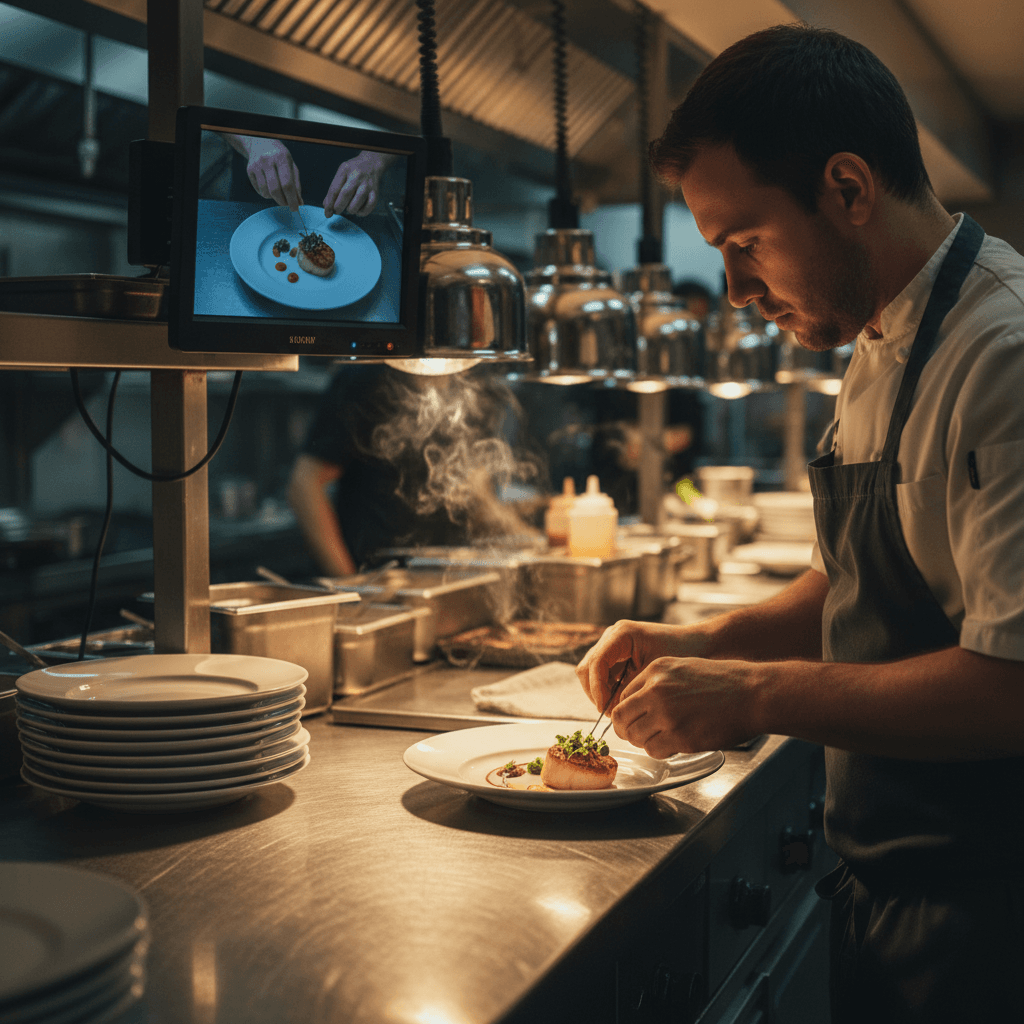
You spent three hours last Tuesday filming one perfect burger shot. You adjusted lighting, styled the plate with tweezers, and captured fifteen takes of sauce dripping slowly down the side. Meanwhile, your specials board sat with last week's items because you didn't have time to update it. Your servers struggled to describe the new dish because they hadn't tasted it yet.
Video becomes another task on your already full plate instead of a tool that works for you during service. The time investment doesn't match the return when you're filming for perfection rather than hunger. That three-hour burger shoot could have been spent training staff on upselling techniques that would have made real money during Friday's dinner rush.
This isn't about abandoning quality. It's about redefining what quality means in a sales context. A slightly shaky video of actual service - showing real food going to real tables - often sells better than a polished studio shot because it feels immediate and available.
Let Your Kitchen Tell The Story
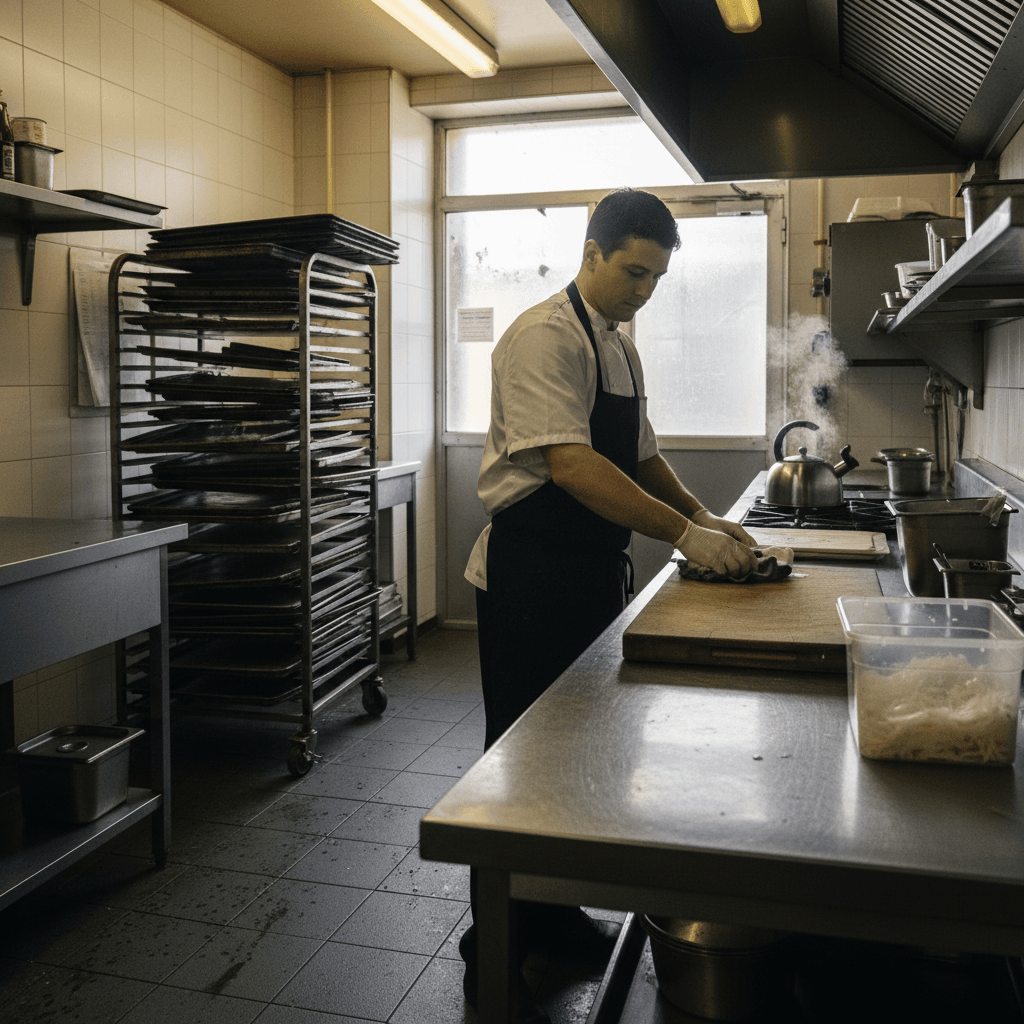
The best food videos happen during actual service, not staged photo shoots. Capture your line cooks during the Friday night rush - the sizzle of proteins hitting the hot grill, the steam rising from fresh pasta being plated, the quick hands assembling dishes for the expo window. This authentic energy sells better than any commercial because it shows your kitchen at work right now.
Customers watching these videos aren't just seeing food - they're seeing your restaurant in action. They're seeing care, speed, and consistency. They're hearing the sounds of a working kitchen that makes them feel like they're already there. Most importantly, they're seeing food that's actually available to order at this moment.
Set up a simple phone mount near your expo station or grill line. Capture thirty seconds during peak service once a week. You'll get more usable content from those raw clips than from hours of staged photography.
Stop Making Videos For Other Chefs
Your primary audience isn't other restaurant owners looking for plating inspiration. It's hungry people scrolling on their phones deciding where to eat tonight. Yet most restaurant videos talk about technique, sourcing, and ingredients in ways that only chefs appreciate.
Talk about flavor instead of technique. Describe texture rather than cooking methods. Focus on satisfaction over sophistication. Instead of "house-made pasta with heirloom tomatoes," try "creamy pasta with tomatoes so fresh they burst in your mouth." Instead of "pan-seared salmon with lemon beurre blanc," try "crispy salmon with a rich lemon butter sauce that melts on your tongue."
The language shift is small but powerful. It moves from showing what you know to showing what customers will experience.
The 15-Second Rule That Works
If your video doesn't make someone hungry in the first 15 seconds, it won't sell anything. Social media scrolling happens fast - you have less time than it takes for a server to walk from the kitchen to table six.
Start with the money shot every single time. Open with the cheese pull stretching across the frame. Begin with the knife cutting through crispy skin revealing juicy interior. Lead with sauce pouring over hot food where it sizzles audibly. Save your beautiful establishing shots, artistic angles, and ingredient close-ups for later in the video if you must include them at all.
Think of it like your menu description - you lead with what makes people want to order, not with background information they might find interesting later.
When Video Should Work For You
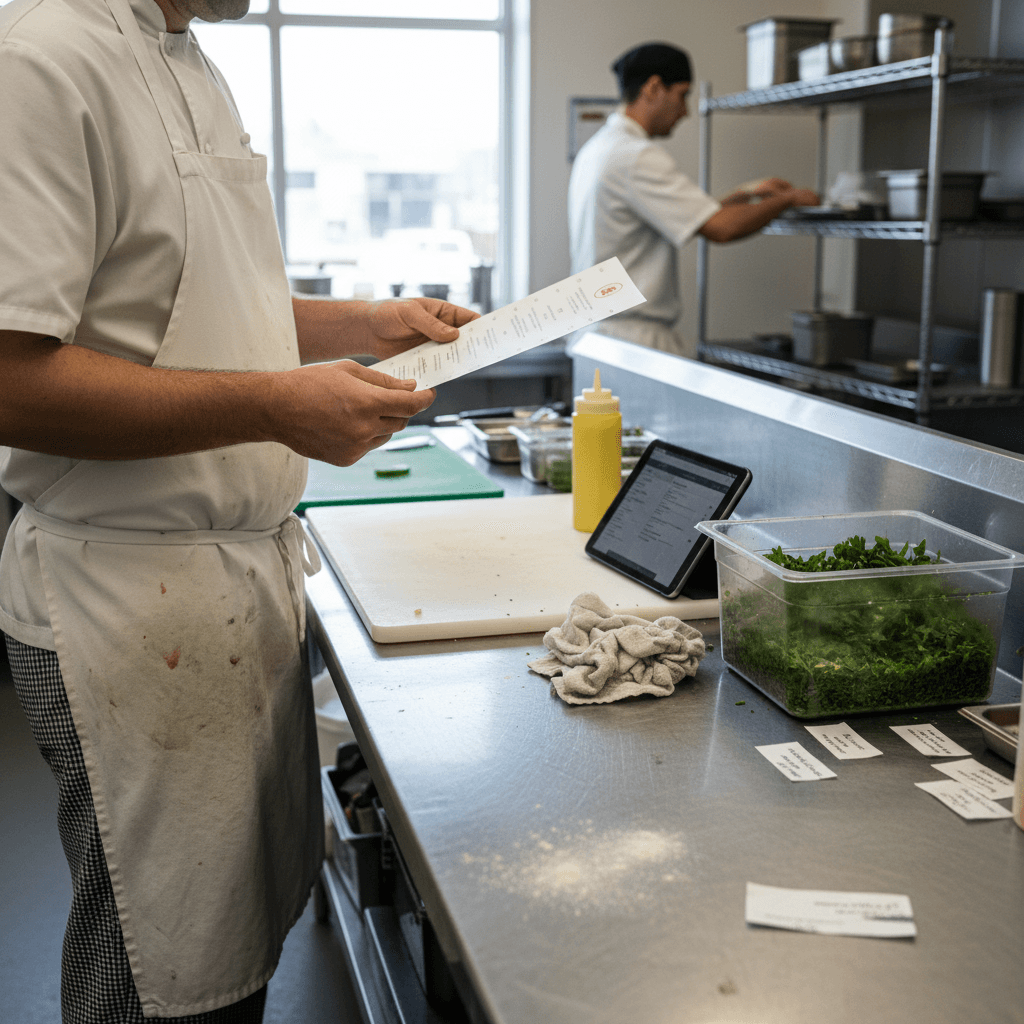
The real shift happens when video becomes part of your daily routine instead of a special project scheduled for slow Tuesday afternoons. Quick clips during prep show freshness and care without requiring production time. Shots of popular dishes going out during rush hour prove popularity and availability simultaneously.
Behind-the-scenes moments that show quality - someone hand-rolling pasta dough, checking produce freshness, tasting sauces before service - build trust faster than any polished brand message can achieve.
The Rule: If filming interrupts service or requires special scheduling, you're doing it wrong. Video should capture what's already happening efficiently.
What Comes After The Perfect Shot
Creating great videos is only half the battle. You need systems to use them where they matter most - on your digital menu when customers are deciding what to order, in social media posts timed for when people are hungry (weekday lunch hours, weekend dinner planning times), and as training tools for your staff to understand dish presentation standards.
Place video thumbnails next to high-margin items on your online ordering platform. Use short clips in Instagram Stories during peak ordering hours with clear "Order Now" buttons linked directly to those items. Show servers these videos during pre-shift meetings so they can describe dishes accurately without having memorized lengthy descriptions.
This manual system works but requires consistent discipline - someone must remember to capture content regularly, someone must edit it quickly, someone must place it strategically across platforms before peak ordering times.
Modern digital tools designed for restaurants can automate parts of this workflow by integrating visual content directly into menu management systems, scheduling social posts based on historical ordering patterns, and providing templates that make quick editing possible during brief kitchen downtime rather than requiring dedicated production sessions.
Taking the Next Step
Shifting from creating artistic food videos to creating sales-driven visual content requires changing what you value in production - trading perfection for hunger cues, swapping technical admiration for customer satisfaction signals.
The logic is clear when you watch customers scroll past beautiful shots while asking servers what they should order next Thursday night dinner rush proves which approach works better every single service period.
If you're ready to make video work harder for your restaurant instead of working harder on video start by viewing our pricing options designed for operations like yours then start a free trial to see how integrating visual sales tools into your daily workflow changes what gets ordered during next Friday's rush hour