Why Your Feedback Cards Are Failing
Guests don't fill out comment cards when they're angry. They tell their friends instead. Here's how to catch problems before they walk out the door.
The Silence That Costs You Regulars
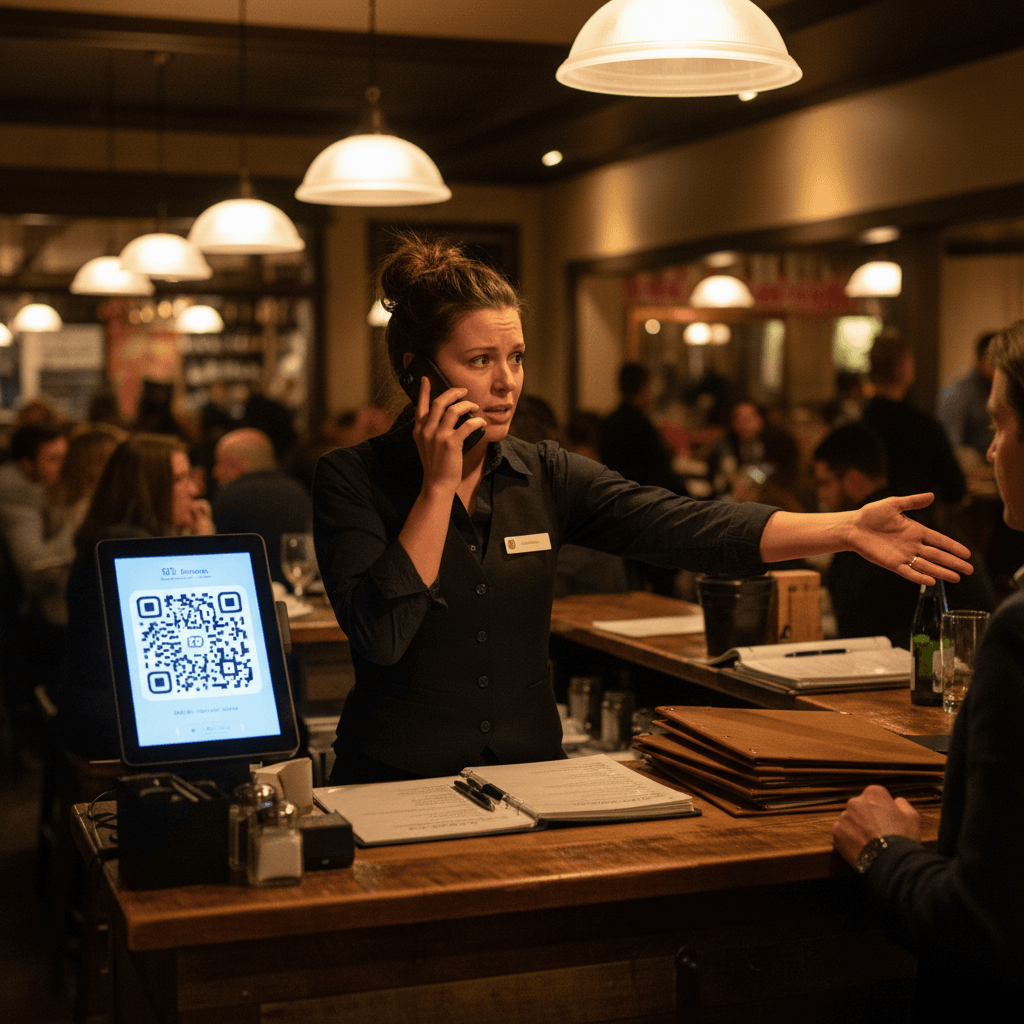
It's 8:15 PM on a Friday. The dining room is full, the kitchen is in the weeds, and table 12 just sent back their second round of drinks. The server smiles, apologizes, and rushes the corrected order. The guests finish their meal, pay, and leave quietly. They won't fill out your comment card on the way out. They'll tell six friends this weekend that service was slow and the drinks were wrong. Why Your Feedback Cards Are Failing starts with this exact moment.
Your best customers never complain directly. They just stop coming back. The server who forgot the extra ranch dressing? The steak that took 45 minutes on a Tuesday? Those guests won't write you a note. They'll quietly decide to try the new place down the street next time. This silent exit is more expensive than any shouted complaint.
Stop Asking for Feedback - Start Listening for It
That quiet table leaving without dessert just gave you feedback. You just didn't hear it.
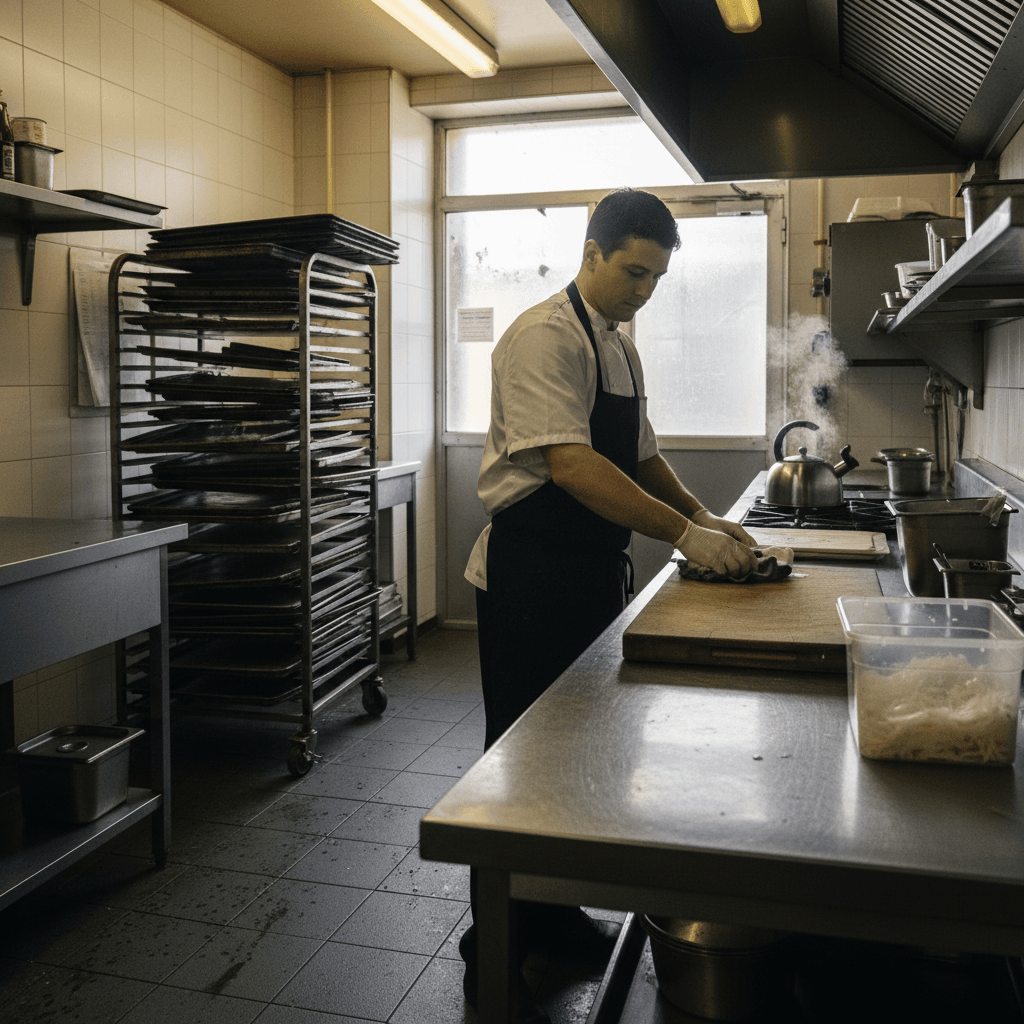
The hard truth: formal feedback systems miss what matters most. Guests give you real signals during service, not after. Watch for the half-eaten plate that goes back to dish. Listen for the quiet table that doesn't order dessert after raving about their appetizer. Notice when regulars change their usual order or start coming less frequently.
This connects directly to handling operational breakdowns, which we cover in When Service Breaks Down at 7 PM. That guide shows how to fix the real problems before guests walk out, not just collect complaints after they're gone.
Three Questions That Actually Work
Instead of generic 'How was everything?' ask specific questions tied to moments in service. 'Was the salmon cooked how you like it?' when clearing entrees. 'Did we get your drink refills timed right?' when dropping the check. 'Would you order that appetizer again?' These get real answers because they're concrete.
The Rule: Never ask a vague question during feedback collection. Specific moments yield specific answers that you can actually fix.
Here's how it works on the floor. Your server clears the plates after main courses. Instead of "Everything good?" they say "How was the cook on that steak? We're working on our timing tonight." This tells the guest you want real information, not just a polite nod. It also gives you data you can use - three tables say their medium steaks came well done? Check your grill station immediately.
The Paperwork Bottleneck
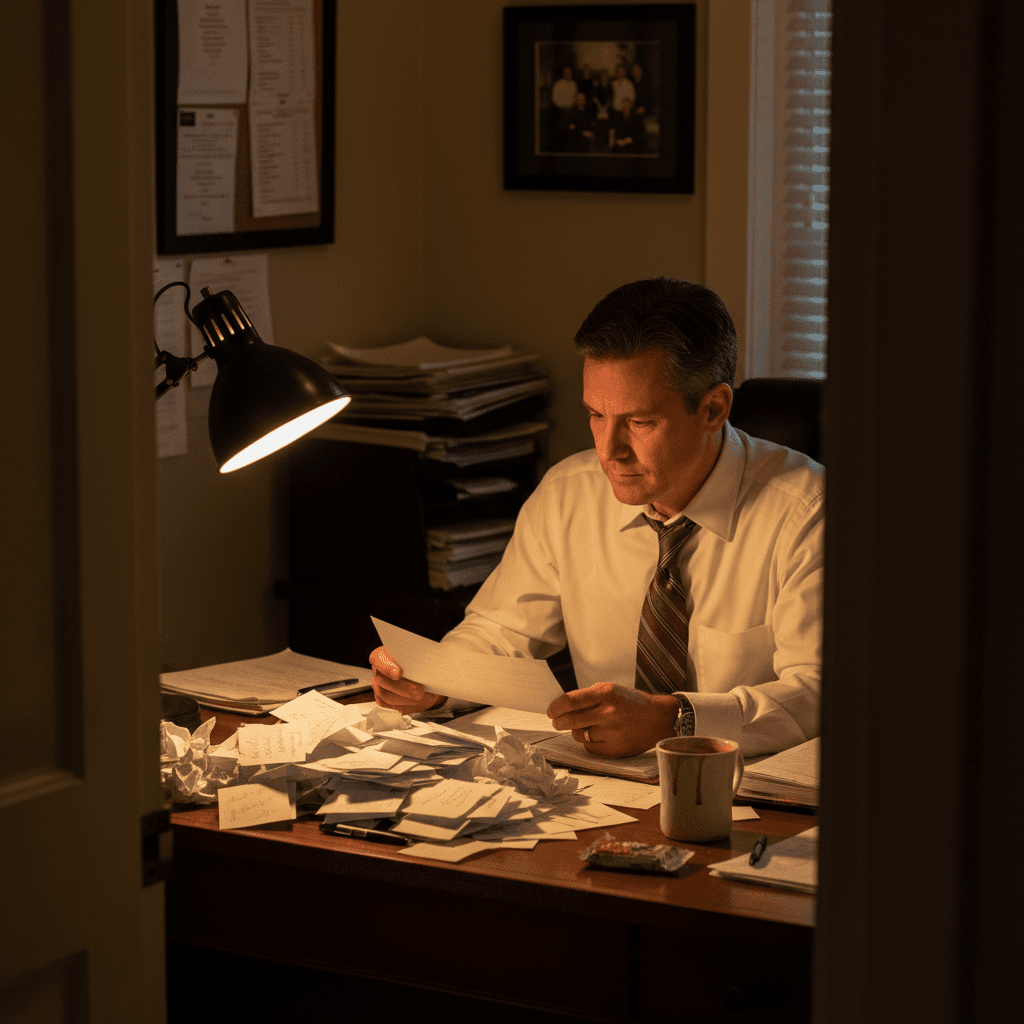
You collect twenty comment cards on Friday night. By Monday morning, they're buried under invoices and schedules. Even when you finally read them, they're mostly from your happiest customers or your angriest ones. The middle - where real improvement lives - stays silent.
This isn't just about organization. It's about timing. Feedback collected days after service is useless for fixing tonight's problems. That returned pasta dish from Saturday night tells you nothing about why Sunday brunch service crashed.
The operational cost is real. While you're sorting through last week's comment cards, tonight's guests are having the same problems. They're waiting too long for drinks, getting cold food, or dealing with a server who's in the weeds. Your feedback system is always one shift behind reality.
Turning Complaints Into Training Moments
When a guest does speak up, treat it like gold. Bring the server and cook together to hear the complaint firsthand. Not to blame, but to learn. 'The burger was overcooked' becomes 'Let's check our grill temp logs from last night.' This fixes systems, not people.
Do this during pre-shift meeting tomorrow. Take one complaint from last night and walk through it with your team. "Table 14 said their fries were cold. Who was on fry station? What was happening at that time?" You'll learn more in five minutes than from twenty comment cards.
Here's what happens on the floor when you do this right. A guest mentions their soup was lukewarm. Instead of just apologizing, your manager brings the expo and soup station cook together after service. They discover the soup well temperature had drifted down during the rush because no one was checking it hourly. Now you have a system fix - check soup temps every hour during peak - not just one unhappy guest.
The 7 PM Warning System
Create simple signals that catch problems during service, not after. Three returned steaks in an hour? Check the grill station immediately. Multiple tables asking for drink refills at the same time? Your server might be in the weeds and needs support.
These real-time alerts prevent small issues from becoming walkouts. They work because they're tied to what's happening right now, not what happened last week.
Set up your own warning system starting tomorrow night. Pick three signals: returned food items, multiple drink refill requests at once, and tables waiting more than five minutes after being seated without menus or water. When any of these happen twice in thirty minutes, a manager must intervene immediately.
From Comment Cards to Conversation Starters
Train your staff to listen differently. When a guest says 'It's fine,' that's often code for 'I'm disappointed but don't want to make a scene.' Teach servers to probe gently: 'Just fine? What could make it great next time?' This turns passive guests into active partners in your improvement.
This changes how feedback flows through your restaurant. Instead of waiting for formal comment cards, you get real-time information from every table interaction.
Start with one phrase tomorrow: "What would make it perfect?" Use it when guests give lukewarm responses about their food, drinks, or service timing. You'll be surprised how many people will tell you exactly what's wrong when asked this way instead of "Is everything okay?"
Building Your Early Warning System
Start tomorrow with one change: have managers eat in the dining room during peak hours, not hide in the office. Listen to neighboring tables without being obvious. Watch body language at tables around you - are people looking around for servers? Are they checking watches? Notice which dishes come back mostly eaten versus barely touched.
This free intelligence beats any feedback form because it's immediate and contextual.
The Rule: Every manager must spend at least one peak hour per shift sitting in the dining room as a customer would experience it.
Here's what you'll notice that comment cards never tell you: which servers disappear for long periods, which food runners are confused about table numbers, which sections have too many large parties at once causing service delays throughout the restaurant.
The Real Metric That Matters
Track one number: how many guests come back within 30 days. Not online reviews, not comment card scores - actual return visits measured by your reservation system or regulars you recognize.
This tells you if you're fixing what actually bothers people enough to stay away.
Start simple next week: pick twenty random tables from last weekend and see how many have returned within 30 days before today. If it's less than half, your feedback system is missing major issues that keep people from coming back.
When Silence Is Your Best Feedback
Sometimes the absence of complaints is the problem itself.
If you haven't heard a single negative comment in a month, you're not listening hard enough or your staff is hiding problems from you because they fear blame rather than seeing feedback as improvement data.
Create safe ways for employees to report guest issues without fear of punishment tomorrow morning at pre-shift meeting: "Bring me any guest complaint from today's shift - I promise no one gets in trouble if we can fix the system instead."
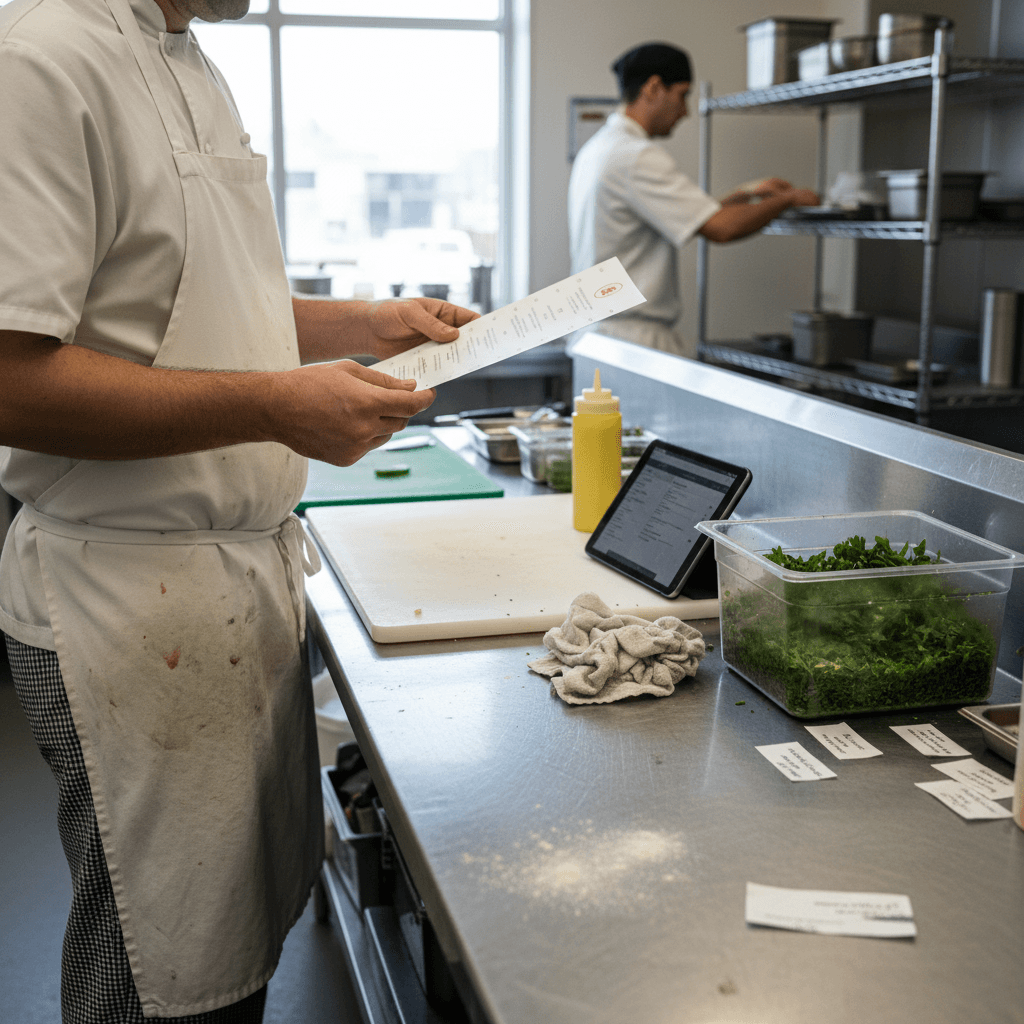
Modern digital tools can help automate parts of this listening work when manual systems become overwhelming during busy periods or across multiple locations - think about how kitchen display systems catch ticket errors immediately rather than waiting for complaints about wrong orders later that night.
Taking the Next Step
Shifting from collecting complaints to listening for signals is practical restaurant work, not management theory. The logic is clear: feedback that helps fix tonight's service beats feedback that documents last week's problems every time.
If tracking guest signals manually feels overwhelming during peak hours, view our pricing for tools that automate this listening work so you can focus on fixing issues instead of finding them first - then start a free trial to see how real-time alerts work during your next busy Friday night shift before another table quietly decides not to return