Why Your Best-Selling Item Might Be Losing Money
Your top seller could be draining profits. Learn how to track real menu performance beyond just sales numbers and spot hidden profit killers before they hurt your business.
The Silent Profit Drain on Every Table
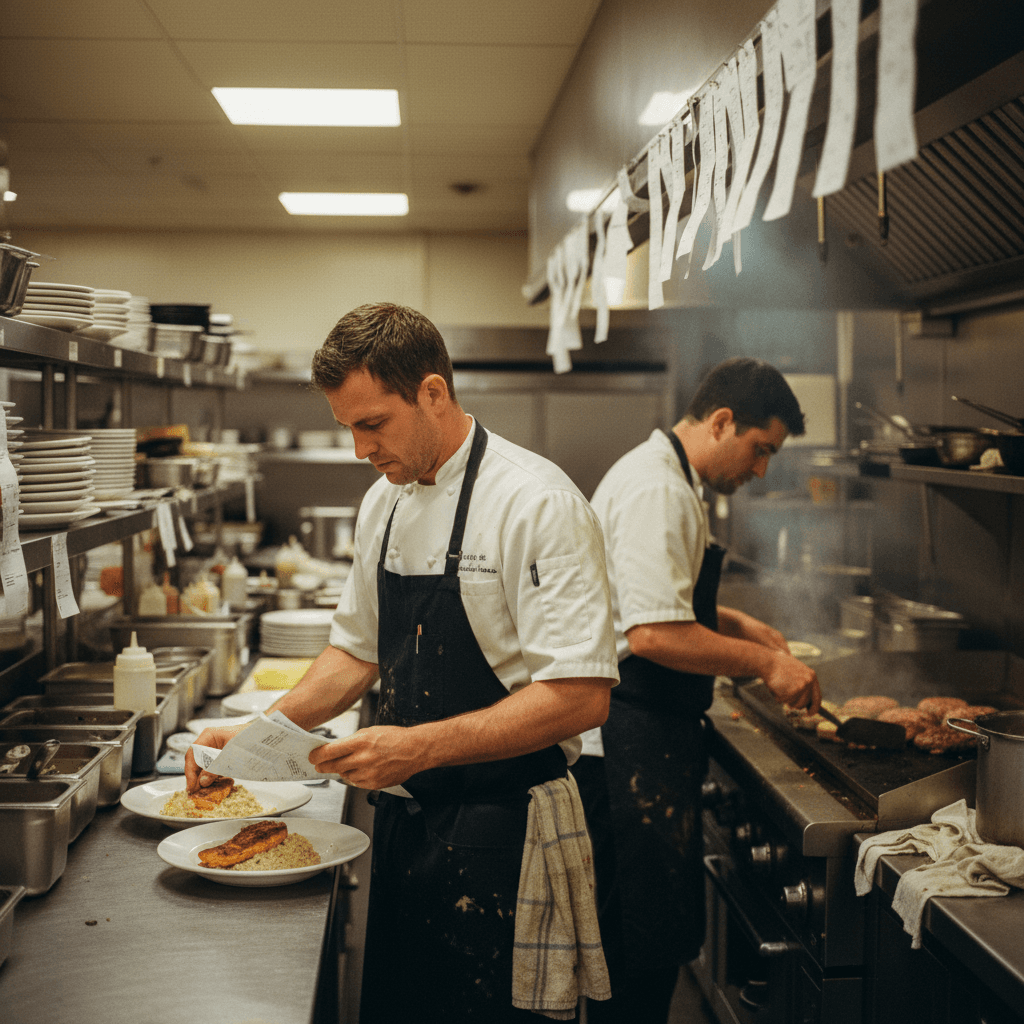
Why Your Best-Selling Item Might Be Losing Money becomes clear at 7:45 PM on a Friday. The dining room is full, tickets are flying, and your servers keep selling the steak special. It moves faster than anything else on the menu. But when you count the drawer at midnight, the profit doesn't match the energy. That $38 steak costs $14 in meat alone before you add the compound butter, roasted vegetables, and potato gratin. Your food cost percentage creeps up each week while sales stay strong. You're busy but not making more money.
This happens because popularity and profitability are different measurements. Servers push what customers love and what gets compliments. Line cooks focus on what sells out fastest. Nobody tracks what actually puts money in the bank after all costs are paid. The disconnect happens between the front of house excitement and the back of house reality.
Understanding this gap requires looking at your entire menu strategy, which we break down in Menu Engineering: The Real Math Behind Profitable Plates. That guide shows you how to analyze every dish like a pro instead of guessing what works.
Forget What Sells Most - Track What Earns Most
Here's the hard truth that changes everything: Popularity doesn't equal profitability. A $25 pasta dish that costs $4 to make puts $21 toward your rent and payroll. A $40 steak costing $18 leaves only $22 despite the higher price tag. The pasta makes more money even though it sells for less. You need to track contribution margin - what's left after food cost.
The Rule: Contribution margin is dollar profit per plate, not percentage. A 25% food cost on a $100 item leaves $75. A 40% food cost on a $20 item leaves $12. The higher-priced item makes more money even with worse percentages.
Start with last week's sales report printed from your POS system. Get your ingredient cost sheet from your latest supplier invoices. Circle every item sold last week. Next to each, write two numbers: food cost percentage and dollar profit per plate. Do this for one week only - you'll see patterns immediately.
Look for three specific items: your highest seller by volume, your highest profit maker by dollars, and your biggest loser. The biggest loser often surprises owners. It might be that beautiful seafood tower that takes fifteen minutes to plate or the signature cocktail with six premium ingredients. These items drain profit while looking successful on sales reports.
When Paper Spreadsheets Can't Keep Up
The manual method works until Tuesday afternoon hits. You're trying to update chicken breast costs while prepping for dinner service. Your supplier raised prices 15% last week but your spreadsheet still shows old numbers. You're making menu decisions on outdated data during your busiest prep hours.
Every menu change requires recalculating thirty items manually. Seasonal ingredients mean weekly adjustments you can't track fast enough. The roasted beet salad costs change when local beets come into season, then change again when you switch to storage beets. Your data exists in three separate places: POS system sales numbers, supplier invoice costs, and mental calculations about what "feels" right.
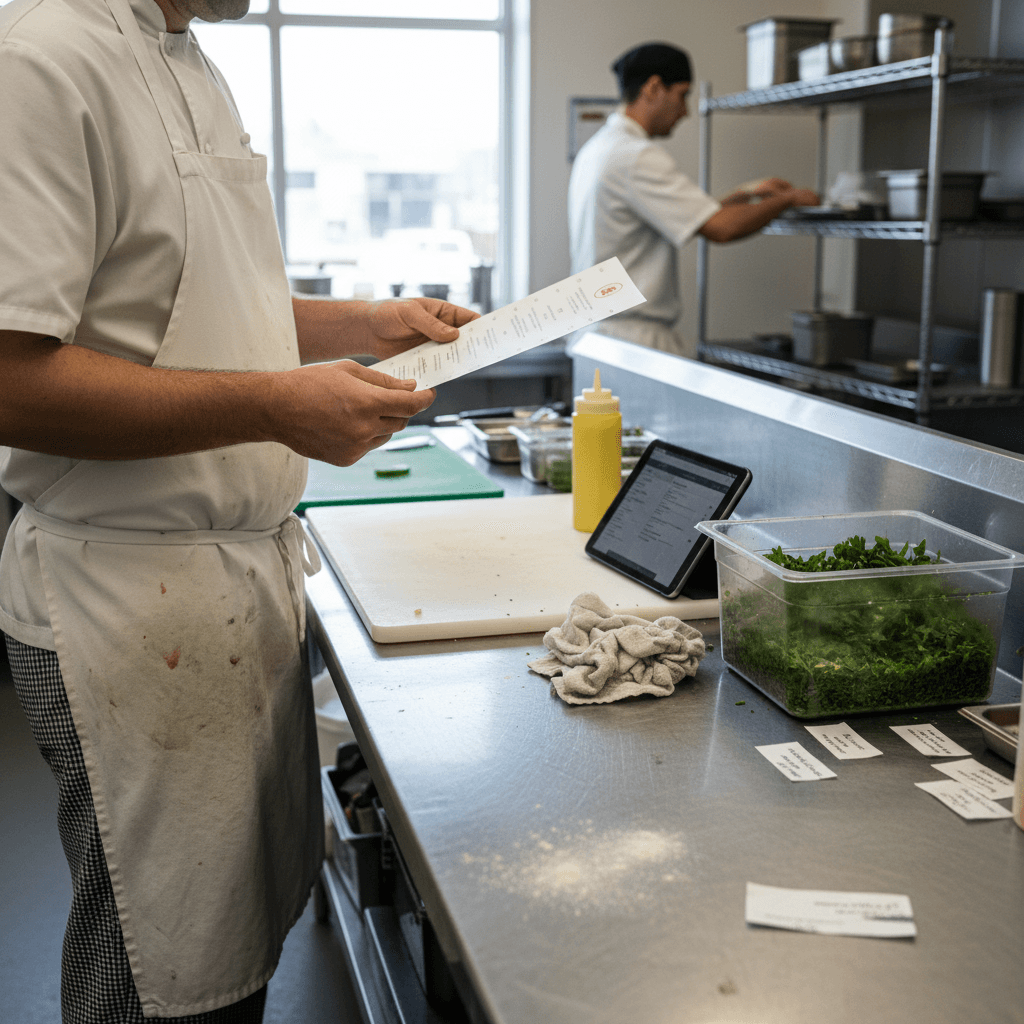
The breakdown happens during service transitions. At 2:30 PM, between lunch cleanup and dinner prep, you have thirty minutes to decide if tonight's special should be salmon or pork chops. You need current food costs for both proteins plus all accompaniments. Your spreadsheet from last month doesn't reflect today's market prices for wild salmon or heritage pork.
Seasonal menus create constant recalculations that paper systems can't handle. Summer tomatoes cost half what winter tomatoes cost. Spring asparagus gives way to fall squash. Each change affects food costs across multiple dishes - that tomato appears in salads, pastas, and garnishes. Tracking these shifts manually means hours of spreadsheet work instead of managing your team.
From Data Overload to Clear Decisions
Stop choosing between running service and analyzing numbers during precious afternoon hours. Systems that connect sales data to current food costs give you real-time answers when you need them most. You'll know before Friday if that popular appetizer needs a price adjustment because shrimp prices jumped.
The goal isn't more spreadsheets - it's clearer decisions in less time. Next Tuesday afternoon, instead of guessing about menu changes, you'll have actual numbers showing what works. Digital tools that track menu performance analytics automatically calculate contribution margins as prices change and sales happen.
These systems show you which items actually make money versus which just look good on paper. They connect your POS sales data with updated supplier costs without manual entry each week. You see profit per plate updated daily instead of monthly.
Modern restaurant technology handles the repetitive math so you can focus on execution during service hours. Instead of calculating thirty food costs by hand every time chicken prices change, the system updates all affected dishes automatically. You spend those thirty minutes training servers or improving plating instead of doing spreadsheet work.
Taking the Next Step
The shift from tracking sales to tracking profits is practical once you understand the math behind each plate. Your best-selling item might be losing money, but now you know how to spot it and fix it before another Friday night rush drains your profits.
Menu performance analytics give you the clarity to make confident pricing decisions without guesswork during busy prep hours. To see how this works for restaurants like yours, view our pricing options or start a free trial to track your actual contribution margins next service period