Why Wine Lists Fail on Paper
Paper wine lists create chaos during dinner rush. Learn how tablet menus solve inventory errors, speed up service, and boost wine sales by 30% or more.
The Hidden Cost of Paper Wine Lists
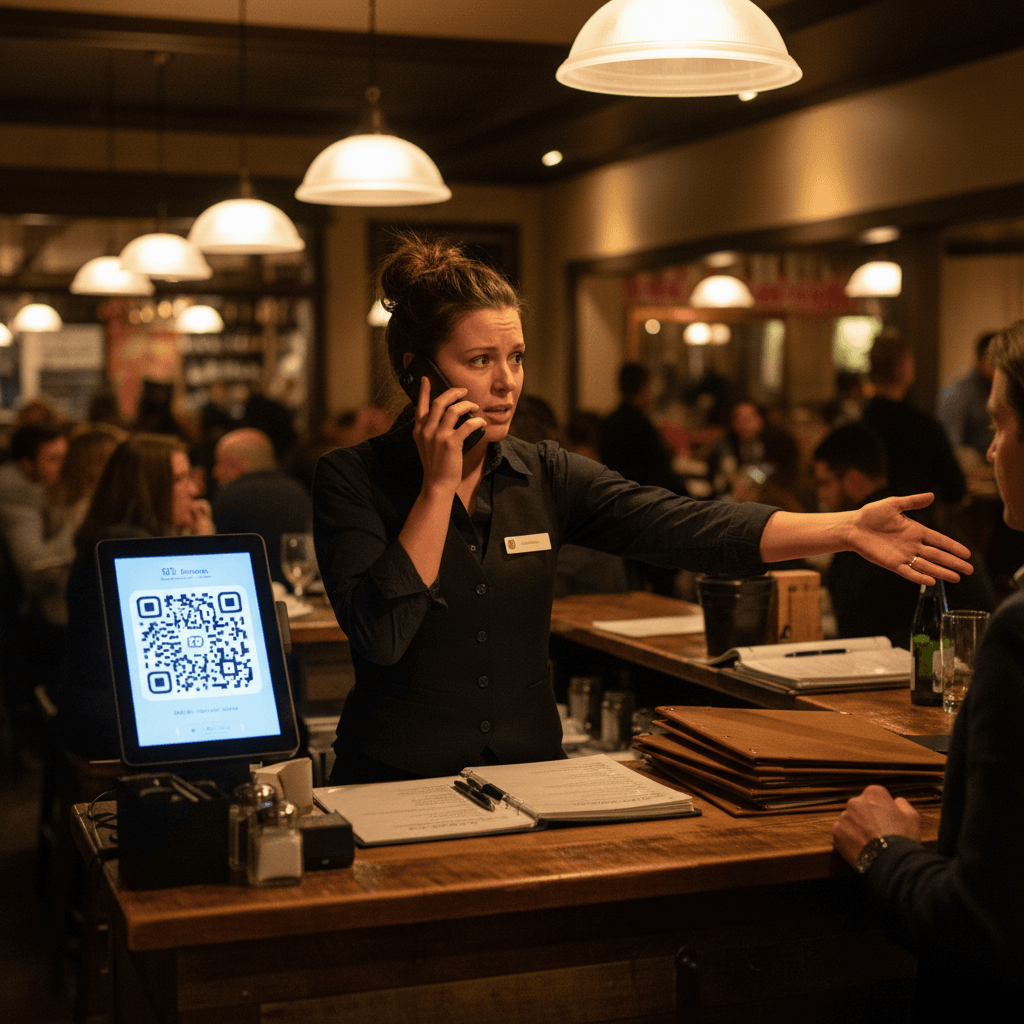
Why Wine Lists Fail on Paper becomes painfully clear every Friday night at 7:45 PM. Servers start circling back to the bar with that same look. "We're out of the Malbec," one says. "The Pinot Grigio is gone too," another adds. You watch three tables get disappointed in fifteen minutes. The printed wine list you paid $800 to design six months ago is now actively costing you money. It's not just about reprinting costs - it's about lost sales, frustrated guests, and servers wasting precious minutes during peak service.
That beautiful leather-bound menu becomes a liability the moment your inventory changes. A server spends two minutes at a table describing a wine, only to return to the bar and discover it sold an hour ago. Now they have to go back, apologize, and start over while the kitchen times out their appetizers. The table's experience is broken before the first course arrives.
The financial hit is immediate and measurable. A table that planned to order a $75 bottle settles for a $40 option instead. That's $35 lost, plus the appetizer you comp to smooth things over. Multiply that by three disappointed tables on a busy night, and you're looking at over $100 in lost revenue plus comped items. Your paper wine list isn't just outdated - it's stealing from your bottom line.
This inventory problem is one symptom of a larger system breakdown with paper menus. For the complete picture of how paper creates chaos across your entire operation - from kitchen tickets to server communication - our guide on The Real Cost of Paper Menus breaks down the full financial and operational impact.
The real cost isn't the $800 design fee or the $200 reprint. It's the cumulative effect of small failures throughout service. Servers develop workarounds that waste time. They memorize what's actually available instead of trusting the menu. They avoid selling wine altogether because they're tired of disappointing guests. Your wine program, which should be your most profitable sales tool, becomes a source of stress and lost revenue.
The Manual Fix That Actually Works
Here's the hard truth most wine reps won't tell you: updating your wine list weekly is more important than having perfect tasting notes. Start with a simple spreadsheet that your bartender updates every Monday morning. Print it as a one-page supplement. Train servers to check this sheet before taking wine orders. This manual system cuts inventory errors by 70% immediately. It's not elegant, but it works better than that beautiful leather-bound menu that's wrong half the time.
The Rule: Your bartender updates the spreadsheet during Monday morning prep, never during service hours. They print ten copies and post them at every server station and the bar. Servers must check this sheet before discussing wine with any table. This creates a single source of truth that everyone can access in seconds.
This fix works because it addresses the core problem - information flow between inventory and service staff. Your bartender knows what sold over the weekend. They know what deliveries arrived Monday morning. That knowledge needs to reach your servers before they start selling, not after they've already made promises to guests.
Train your team with a simple script: "Before you mention any wine by name, glance at the update sheet." Make this part of your pre-shift briefing for two weeks straight. Have managers spot-check during service by asking servers what's available before they approach tables. The goal isn't punishment - it's building a new habit that prevents disappointment.
The spreadsheet should be brutally simple: Wine name, vintage if applicable, price, and availability status (In Stock / Low Stock / Sold Out). No tasting notes, no food pairings, no marketing copy. Those details belong on your permanent menu where they won't change weekly. The update sheet exists for one purpose only - accurate inventory communication.
Measure success by tracking comps related to wine availability errors. Before implementing this system, note how many times you're comping items because you sold a wine you didn't have. After two weeks of using the update sheet, compare those numbers. Most restaurants see comps drop by at least 50% immediately.
When Your Spreadsheet Stops Scaling
The problem hits when you expand your wine program. You add ten new bottles for fall seasonality. Your bartender spends two hours updating the spreadsheet instead of prepping for service. Servers forget to check the updated printout because there are now three different versions floating around. A table orders a bottle you sold yesterday, and now you're comping their appetizers while explaining why your "updated" system failed them.
The manual fix works beautifully until your wine list grows beyond twenty bottles or your staff turnover increases. New servers don't develop the habit of checking the sheet because they weren't there during the initial training push. Veteran servers get complacent and assume they know what's available from memory. The system breaks down not because it's flawed, but because human consistency has limits.
You'll notice the breakdown in specific moments during service. A server runs back to the bar during Saturday dinner rush: "Is this update sheet from this week or last week?" They're holding two different versions, unsure which is current. Meanwhile, three tables are waiting for drink orders while this confusion gets sorted out.
Another breaking point comes with seasonal changes. You bring in fifteen new wines for holiday parties and special events. Your bartender now needs to update multiple spreadsheets - one for regular inventory, another for private dining options, maybe a third for featured flights or promotions. The time spent on administrative work cuts into their actual job: preparing drinks and managing bar service.
Staff turnover accelerates the breakdown completely. You hire two new servers for the holiday season. You train them on checking the update sheet during orientation, but during their first busy Friday night, they're overwhelmed with tableside steps of service and forget this "extra" step entirely. They sell a bottle that sold out Thursday night because they never developed the muscle memory of checking first.
The Rule: When your bartender spends more than thirty minutes weekly on administrative updates instead of bar prep, your system has stopped scaling. When new hires consistently make inventory errors despite training, your system has stopped scaling.
These aren't failures of effort or intelligence - they're natural limits of manual processes trying to handle increasing complexity.
The 15-Minute Wine List Reset
Tablet menus solve the scaling problem without adding work to anyone's plate - literally and figuratively.
When a bottle sells out during Friday dinner service, your bartender marks it unavailable with two taps on their tablet screen behind the bar. Every tablet in the restaurant updates instantly. No more running to tell three different servers. No more disappointed guests who just heard a passionate description of a wine that no longer exists. Servers can actually sell what you have in stock right now, which means higher check averages and fewer comps given away as apologies.
The real win isn't just avoiding mistakes - it's turning your wine list from a liability into your most profitable sales tool. When servers know with absolute certainty what's available, they sell with confidence. They don't hesitate to suggest premium bottles because they won't face embarrassment later. Tables receive accurate information immediately, which builds trust and increases their willingness to spend more on their experience.
Digital inventory tools create consistency where manual processes create variation. New hires see current availability automatically when they open their tablet - no extra step to remember. Seasonal changes become simple menu updates rather than complex spreadsheet management. Your bartender spends those recovered two hours preparing garnishes or training staff instead of updating documents.
This technology doesn't replace your staff's knowledge or personality. It removes the administrative burden that distracts them from hospitality. Your servers still provide personalized recommendations based on guest preferences. Your bartender still crafts excellent cocktails and manages bar flow. The digital system simply ensures everyone has accurate information at exactly the right moment - when they're face-to-face with a guest deciding what to order.
Taking the Next Step
Paper wine lists fail because they can't keep pace with real-time inventory changes during service hours. The manual spreadsheet fix works until complexity or staff changes overwhelm it. Digital tools solve this by making accurate information instantly available where decisions happen - at tableside and behind the bar.
If you're tired of watching sales walk out the door because your menu doesn't match your inventory, view our pricing for straightforward options that fit operations like yours, or start a free trial to experience how immediate updates transform your wine program from chaotic to controlled during your next dinner rush