The Real Cost of Paper Menus
Paper menus waste time and money daily. Learn how switching to digital transforms operations from chaos to control in your restaurant.
The Daily Menu Chaos Every Restaurant Owner Knows
You see it every shift: servers scrambling with outdated specials sheets, kitchen getting orders with items you discontinued last week, customers complaining about prices that changed yesterday. This isn't just annoying - it's money walking out the door every service. Switching to digital menus solves this, but first you need to see the real cost of what you're doing now.
Friday dinner rush hits at 6:45 PM. Your expo station has three tickets backed up. The printer spits out another. It's the salmon special you sold out of twenty minutes ago. The server who took that order was using a menu from yesterday's shift meeting. Now the kitchen has to stop, the server has to go back to the table, and that six-top just added ten minutes to their wait time. Multiply that by three tables per server, times eight servers. You just lost an hour of productive service time before dessert even hits the pass.
Why Your Current System Is Bleeding Cash
The hard truth nobody tells you: Most restaurants waste more money on menu reprints than they save on paper costs. Those 'quick fixes' with Sharpies and tape? They make your restaurant look amateur. Staff spend 20 minutes pre-shift explaining what's actually available tonight. Customers get frustrated when their third choice isn't available either.
You know the daily scramble. Here's why your current fix fails completely.
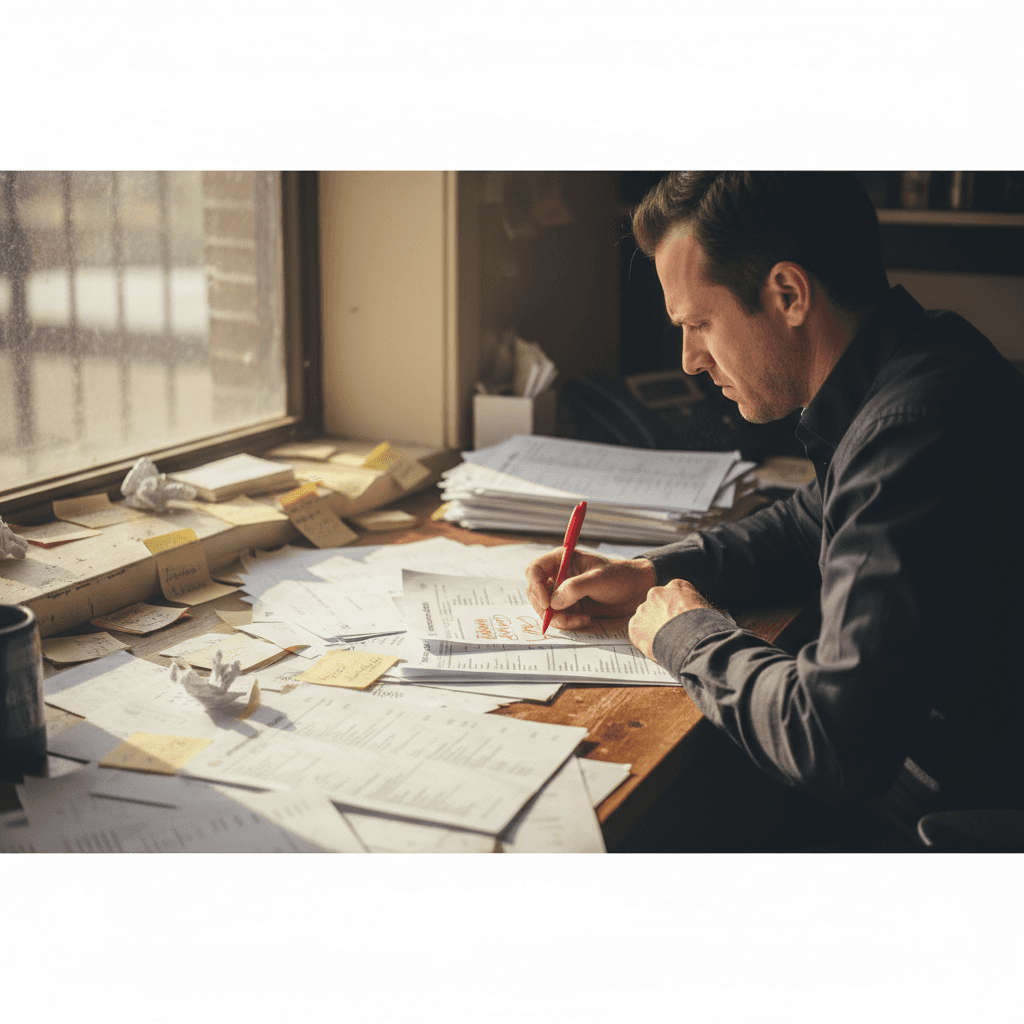
Calculate your actual paper menu cost for one year. Include every reprint for seasonal changes, price updates, and specials sheets. Add the labor cost for managers who spend hours formatting and proofing those changes. Now add the food waste from selling items you've already 86'd. That final number is your true paper cost - and it's always three times higher than your printer invoice shows.
The Rule: If your kitchen receives one wrong order because of an outdated menu, your entire paper system has failed its only job.
Think about last Tuesday's lunch shift. You ran out of arugula for the steak salad at 1:30 PM. How did you communicate that? A server wrote "86 ARUG" on a piece of tape and stuck it to the expo line. Two more steak salad orders came in before the tape fell off. That's two comped meals, two unhappy tables, and wasted kitchen labor plating food that couldn't be served.
Digital Isn't About QR Codes (That's Just the Start)
That's the trap of thinking small about menus. This is how you escape it completely.
Here's the contrarian take: If you think digital menus mean slapping QR codes on tables, you're missing 90% of the benefit. The real win happens in your kitchen and office. When your line cook can see exactly what ingredients are needed tonight because the menu updated automatically. When your manager changes prices once at 3 PM and every tablet, website, and display board reflects it by 4 PM.
Switching to digital menus means your prep list generates itself. Your morning cook arrives at 6 AM and checks the kitchen display. They see exactly how many portions of each item sold yesterday, what's projected for tonight based on reservations, and what inventory is running low. They prep 24 portions of scallops instead of 30 because they know Wednesday nights are slower. You just saved $45 in food cost before service even begins.
The real-time update feature changes everything about specials. Your bartender creates a new cocktail at 2 PM. They add it to the digital system with a photo and description. By 4 PM happy hour, every customer looking at a menu - whether on their phone, at the bar tablet, or on your website - sees that new cocktail. No reprinting costs. No confusion about what's available. The special sells because people can actually order it.
The Friday Night Test: Does Your System Survive Rush Hour?
You've seen how digital works in theory. Now walk through a real Friday dinner service where it works in practice.
Walk through a Friday dinner service with digital menus working properly. The host seats a six-top at 7:15 PM. Before they even open their phones, your kitchen knows exactly what's available based on real-time inventory. Your server doesn't waste five minutes explaining what's sold out. The expo station prints tickets with correct modifiers because the digital system prevents impossible combinations.
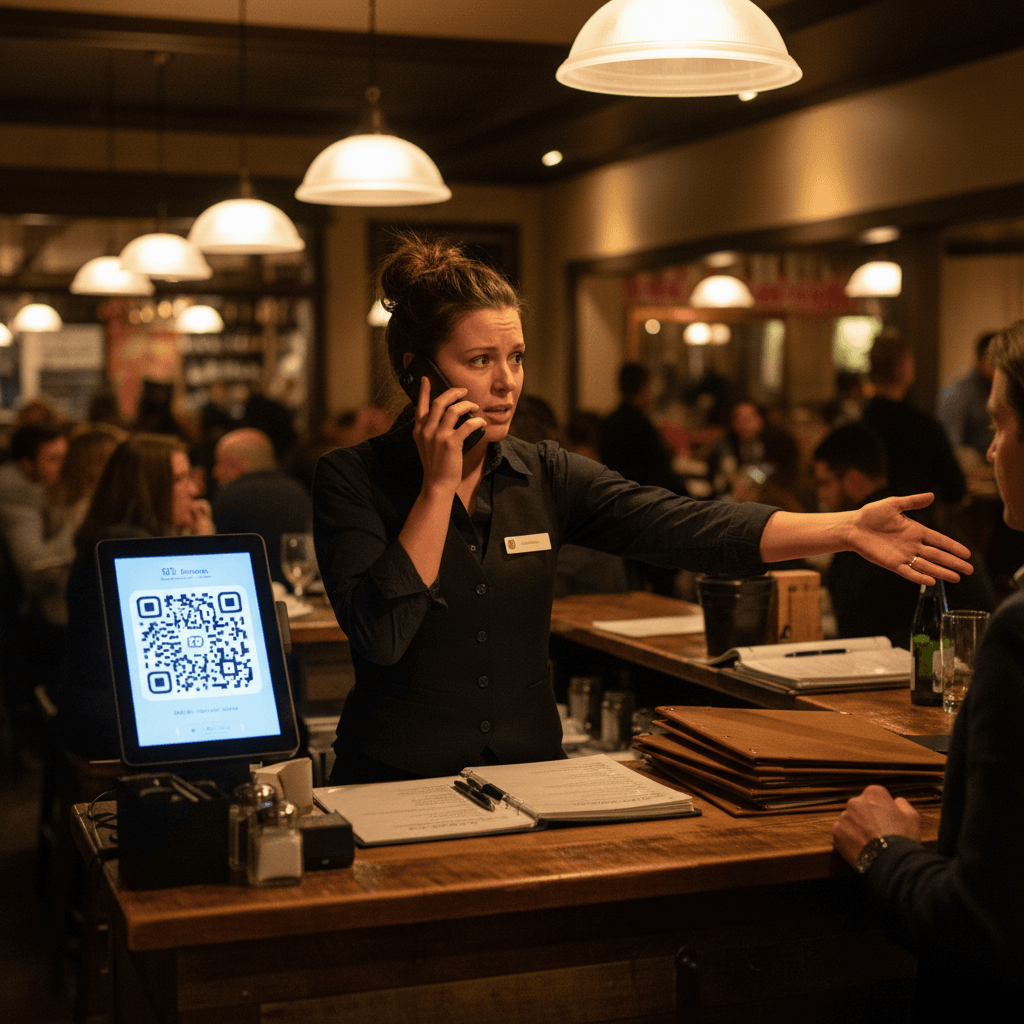
The table scans the QR code or uses the tablet on their table. They see current prices, today's specials highlighted in green, and items that are sold out grayed out with "Unavailable Tonight" next to them. They don't ask about the halibut because they already know it's gone. They order the chicken instead - which you have plenty of - and their food arrives twelve minutes faster than the table next to them using paper menus.
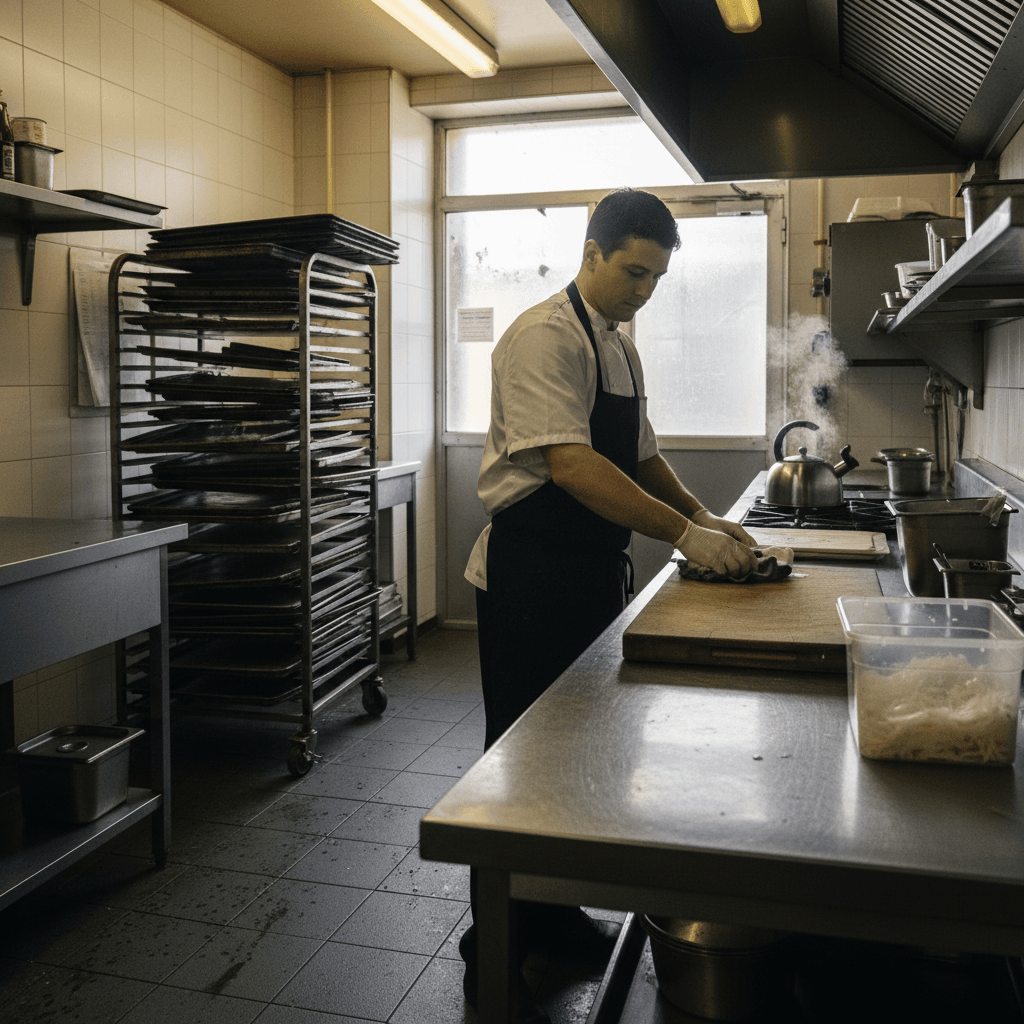
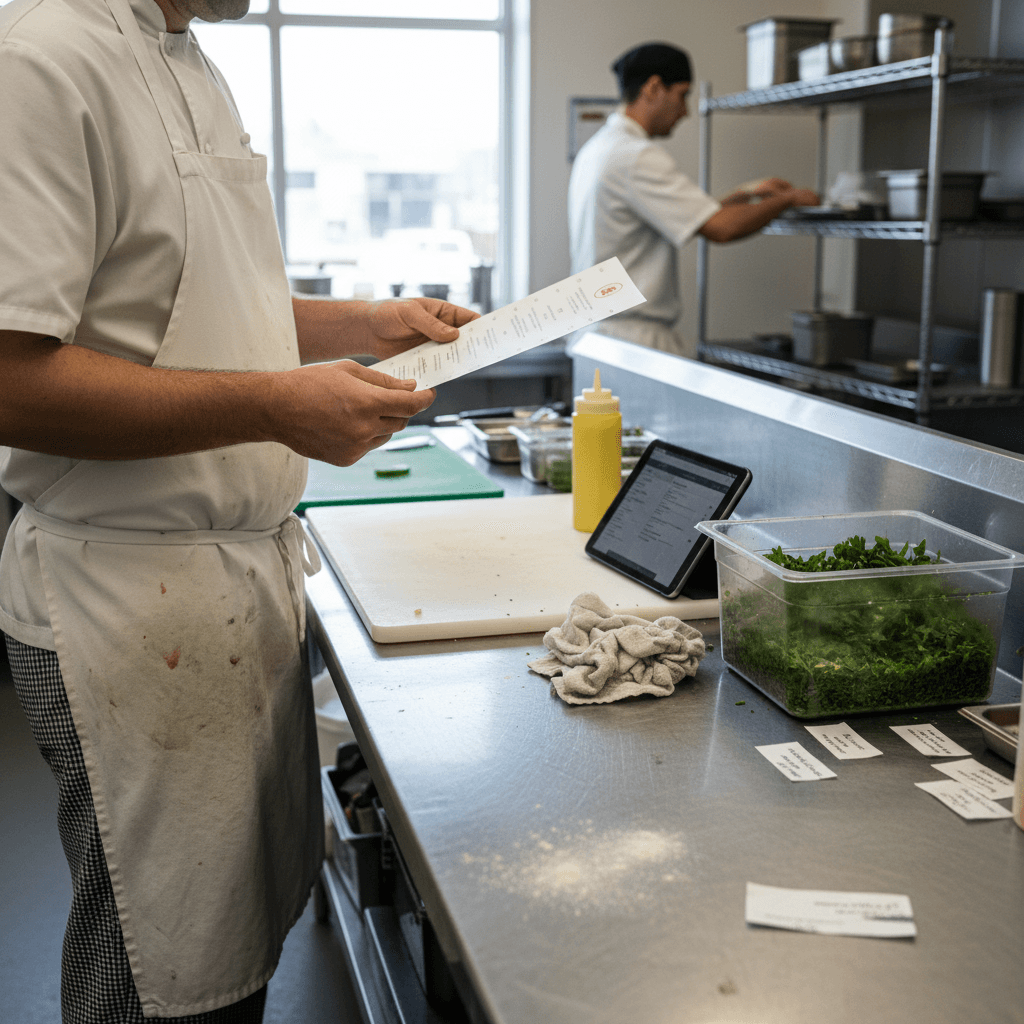
In your kitchen, the display shows incoming orders with allergens flagged in red. The grill cook sees "NO DAIRY" highlighted on a burger ticket before they even reach for the cheese. The expo calls three orders at once without checking if modifications are possible - because the system already validated them when the server entered the order. Your Friday night rush flows instead of fights.
When Staff Actually Like the New System (And Why They Resist)
Most resistance comes from bad training, not bad technology. Show your servers how digital menus cut their steps by half during rush hour. Teach your kitchen how real-time updates prevent wrong orders before they hit the pass. The moment your bartender realizes they can push a new cocktail special to every table instantly? That's when adoption happens.
Servers resist change when they think it means more work for them. Show them the opposite is true during their busiest shift.
Train your servers on a slow Tuesday afternoon, not during Friday dinner prep. Show them this sequence: Customer asks if you have gluten-free options. Instead of running to find the manager or checking a separate allergen sheet, the server shows them how to filter the digital menu by "Gluten-Free." Customer selects their own options without twenty questions back and forth. Server spends that time getting drinks for another table instead of playing menu detective.
The kitchen staff adoption happens when they see fewer tickets coming back with "86" written across them in red sharpie. Show your line cooks how the kitchen display highlights low inventory items in yellow before they sell out completely. When they see "CHICKEN WINGS - 8 PORTIONS REMAINING" at 7 PM, they know to tell management before it becomes a problem at 8 PM during peak rush.
Start Small, Win Big: Your First 30-Day Plan
Don't try to change everything overnight. Pick your busiest section for week one. Train two servers thoroughly. Fix what breaks immediately after each shift. By week three, expand to your whole dining room. By month's end, you'll have data showing exactly how much time you're saving - and where you're making more money.
Week One: Choose your bar area or a six-table section near the kitchen entrance - somewhere with high visibility but contained risk.Train two servers who are good with technology and respected by their peers.Give them extra support during their first digital shifts.Have them use tablets for taking orders while keeping paper backups as safety nets.After each shift, ask them one question: "What slowed you down?" Fix those three things before tomorrow's service.
Week Two: Add two more servers and expand to twelve tables.Run both digital and paper systems side-by-side but require digital entry for all new tables.Measure the time difference between taking an order digitally versus writing it on paper.You'll see servers saving 2-3 minutes per table just on order entry alone.That's an extra table turn during peak hours without adding staff.
Week Three: Go fully digital in half your dining room.Train all remaining servers using your now-experienced team members as coaches.Turn off paper printing for that section completely.This is where you'll find system breaks - maybe modifiers don't show correctly on kitchen tickets, or certain menu combinations cause errors.Fix these immediately after each shift.Do not let problems accumulate overnight.
Week Four: Full restaurant rollout.Collect data from your point-of-sale system comparing this month to last month.Look at three numbers: average table turn time, order accuracy percentage (fewer voids/comps), and sales of specials/high-margin items.You will see improvement in all three areas.That improvement is your actual return on investment - not some theoretical "efficiency gain."
What Comes After Menus Are Digital
Once your menus live digitally, everything changes.Seasonal updates take minutes instead of days.Happy hour specials activate automatically at 4 PM .Your kitchen prep list generates itself based on what's actually selling tonight.This isn't just about replacing paper - it's about rebuilding how information flows through your restaurant.
Your menu becomes a living document that responds to what's happening right now in your restaurant.When local tomatoes come in unexpectedly beautiful on Thursday morning,you add a tomato salad special at 10 AM .By lunch service at 11:30 ,every customer sees it.When that tomato supply runs out at 2 PM ,the item grays out automatically.No server training needed.No kitchen confusion.No wasted food trying to sell what you don't have.
Your pricing strategy transforms completely.You test a price increase on your steak entree starting next Monday.Instead of reprinting hundreds of menus over the weekend,your manager changes one number in the system at 3 PM Sunday.The change goes live for Monday lunch.You monitor sales data in real-time.If steak sales drop too much by Wednesday,you can adjust back down before Friday dinner.This kind of agility was impossible with paper.
Your staff training accelerates.New servers learn the menu through interactive tablets that show photos,videos of preparation,and ingredient sourcing stories.They can answer customer questions without having tasted every item yet.Kitchen staff see preparation videos and plating guides directly on their display screens.Consistency improves because everyone sees exactly how each dish should look before it leaves the pass.
Taking the Next Step
The shift from paper chaos to digital clarity isn't a technology upgrade - it's an operational necessity.The math works.The staff adoption works.The customer experience improves.Every restaurant reaches this point eventually;the only question is how much money you waste getting there.
Stop calculating reprint costs and start measuring lost revenue from outdated menus.The solution is simpler than Friday night rush makes it seem.View our pricing matches systems to restaurant size,and start a free trial lets your best server test it next shift without commitment.The change happens one table at a time,but profit accumulates across every service thereafter