Why Tuesday Nights Stay Empty (And How to Fill Them)
Tuesday's slow service isn't fate. Learn specific operational fixes to turn your quietest night into a consistent revenue stream without discounting everything.
The Tuesday Night Reality Check
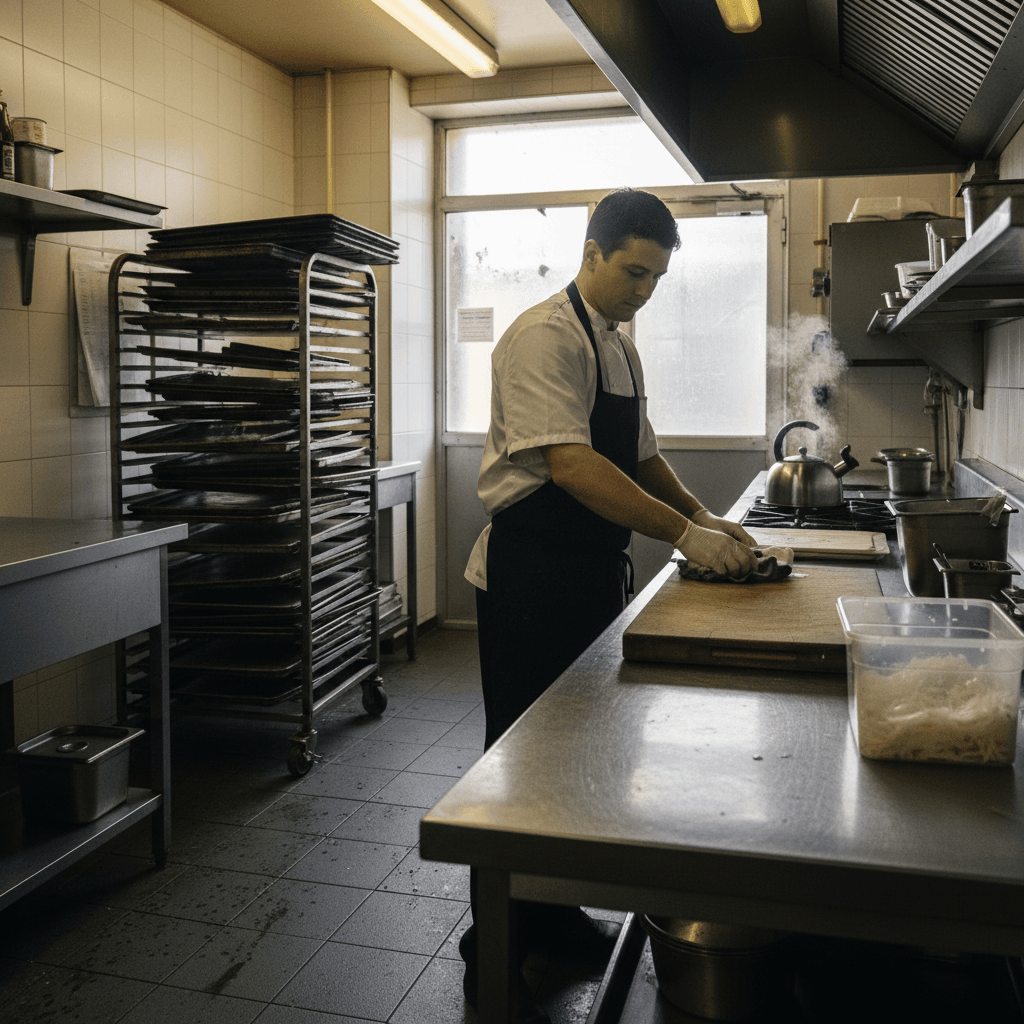
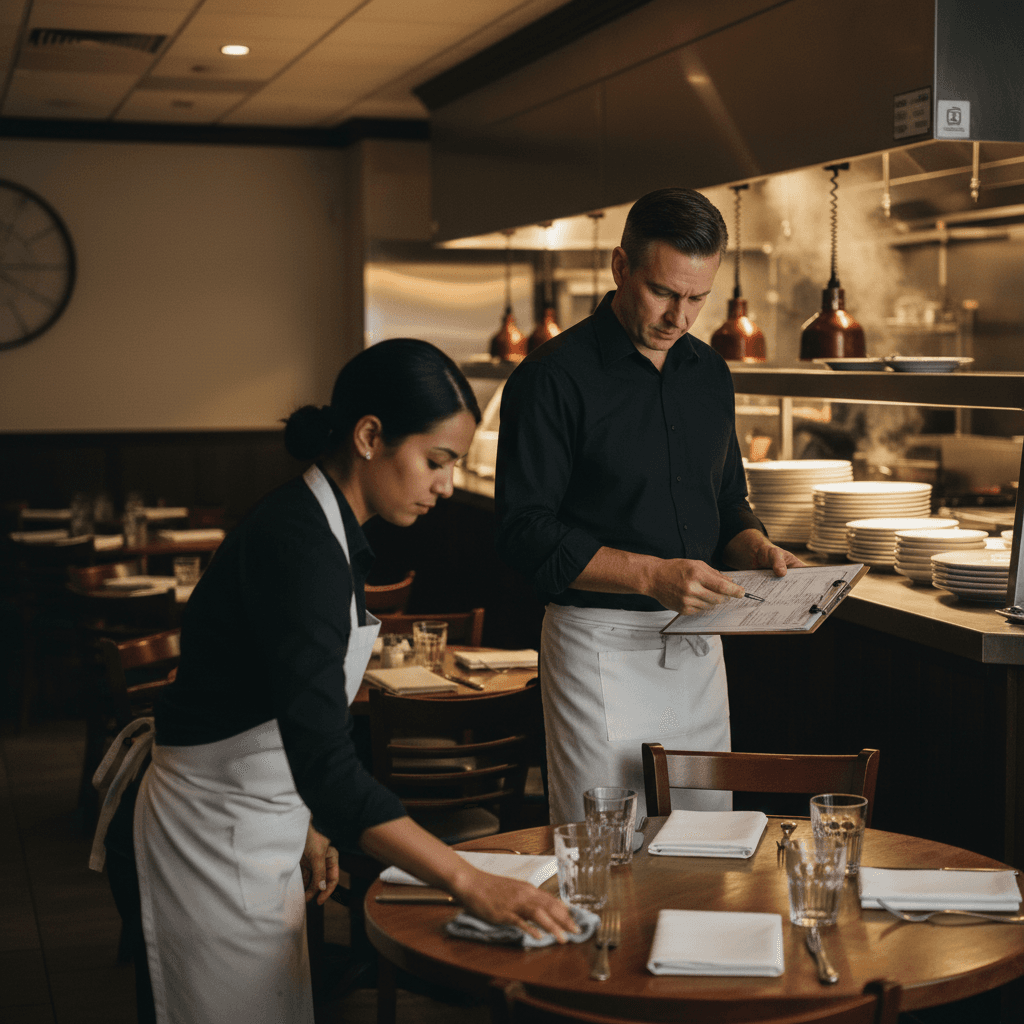
It's 7:15 PM on a Tuesday. Your line cooks are leaning against the lowboy, scrolling their phones. Your servers are refilling salt shakers for the third time. You have three tables in the dining room, and two of them are finishing dessert. The kitchen is fully prepped, the bar is stocked, and you're paying eight people to stand around. This is the specific operational pain of "Why Tuesday Nights Stay Empty (And How to Fill Them)". It's not just lost revenue - it's wasted labor hours, demoralized staff, and food that will spoil before Friday.
The problem isn't that people don't go out on Tuesdays. They do. They're just not choosing your restaurant over their couch. You haven't given them a compelling reason to get off the sofa, find parking, and spend money. This isn't about marketing magic. It's about fixing a broken operational pattern that drains profit every single week. For a complete system to rebuild your revenue from the ground up, including daily operations and menu design, see our guide on Restaurant Sales Growth: Practical Strategies.
Every quiet Tuesday costs you twice. First, you lose the sales you didn't make. Second, you waste the fixed costs you already paid - labor, utilities, rent. That second cost is silent but deadly. A server making $15 an hour doing side work for four hours costs you $60 in pure waste if they could have been sent home. A cook prepping for a rush that never comes wastes $80 in wages and $40 in food that won't get used. These numbers add up to thousands per year, just from one slow night each week.
Stop Discounting Everything
Here's the hard truth most restaurants get wrong right from the start. Slashing prices across the board trains your customers to only visit when things are cheap. You become the discount house, not the destination. A 20% off everything Tuesday tells your regular Friday crowd to wait for the deal. It devalues your entire menu in their minds.
Instead of discounting everything, create targeted value that feels special. The goal isn't to be cheapest - it's to be most interesting on Tuesday specifically.
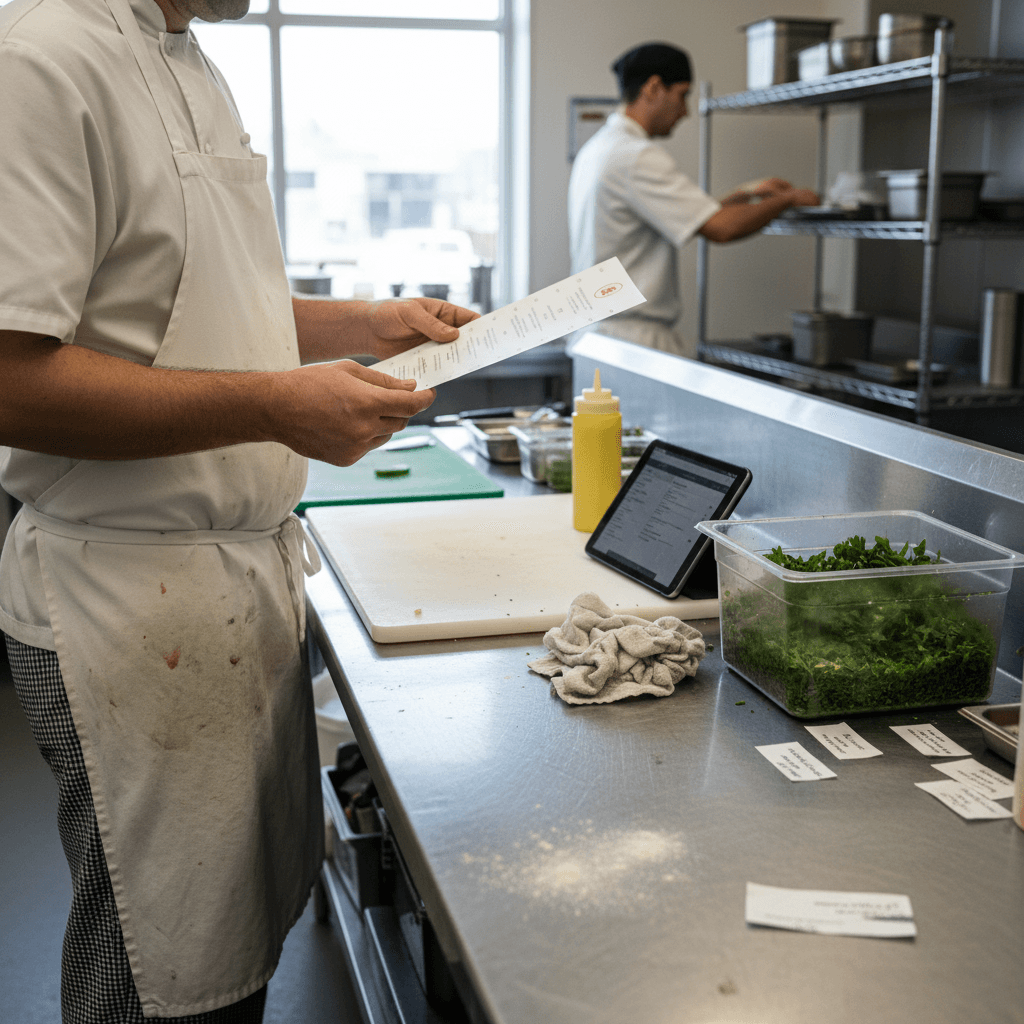
Run a Tuesday-only cocktail that uses ingredients you need to move before your Wednesday liquor delivery. That bottle of elderflower liqueur from a failed spring special? Build a $9 cocktail around it tonight. Feature a chef's special that utilizes prep from Monday's slower service - the duxelles you made for stuffed chicken, the roasted tomato sauce, the blanched green beans. Turn your leftover prep into Tuesday's featured pasta.
The Rule: Your Tuesday promotion must solve an operational problem first, and attract customers second.
If your promotion doesn't reduce waste, streamline prep, or improve kitchen flow, it's just a discount in disguise. A "burger and beer for $15" night is a discount. A "butcher's cut steak special" that moves the end pieces from your weekly ribeye breakdown is targeted value. The first brings in bargain hunters. The second brings in customers who feel they're getting insider access.
Start with one thing. One cocktail. One appetizer special. One entree feature. Execute it perfectly every single Tuesday for a month. Train every server to describe it with genuine enthusiasm because it's actually different from Wednesday through Monday. This consistency builds a habit for your customers and simplifies execution for your team.
When Manual Promotions Burn You Out
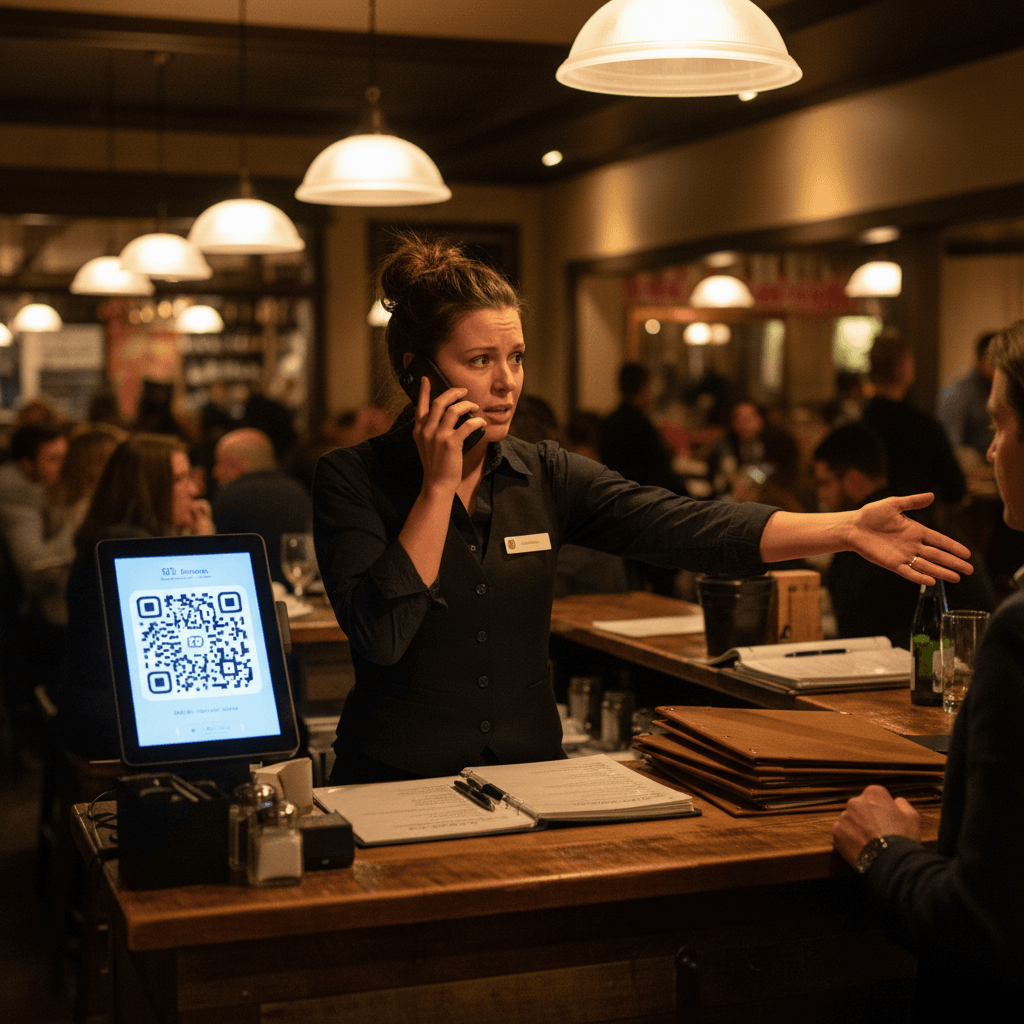
You print table tents on Monday afternoon. You update the chalkboard by the host stand. You gather the servers for a two-minute pre-shift about the new specials. By Thursday, you're exhausted from managing Tuesday promotions alone. The creative part is easy - thinking of a fun cocktail name or a clever pasta dish. The bottleneck is always execution speed.
When promotions require designer time for new menus, printing delays at Staples, and retraining staff on new items every single week, you have two choices: stop running promotions entirely, or let them become permanent discounts by accident. Most restaurants choose option one after three weeks of chaos.
The friction is in the physical updates. Changing printed menus is expensive and slow. Updating multiple chalkboards takes time and artistic skill not every manager has. Training servers on entirely new items every week leads to mistakes on the floor - wrong descriptions, incorrect modifiers, allergy questions they can't answer.
Simplify your promotional architecture so it requires almost zero weekly change.
Create a permanent section on your menu called "Tuesday Features" with three blank lines. Use a dry-erase marker on laminated inserts to write this week's specials. The framework stays the same - one cocktail, one app, one entree - only the details change. Servers already know the drill: "Tonight we're featuring a seasonal cocktail, our chef's pasta special, and a butcher's cut steak." They only need to memorize three new names and descriptions, not an entirely new system.
The Rule: If your promotion requires more than five minutes of manager time to set up each week, it's too complicated.
Your goal is to make Tuesday promotions as routine as refilling the ketchup bottles. It should happen automatically, without drama or last-minute scrambling. This reliability is what allows you to build a loyal Tuesday crowd over time.
Turning Quiet Nights Into Your Secret Weapon
Tuesday doesn't have to be your worst night - it can become your most predictable revenue stream. Predictable revenue is more valuable than sporadic big nights because it lets you schedule smarter, prep accurately, and reduce stress across your entire operation.
Start with one consistent promotion you can execute perfectly every week without fail for two months. Build a small but loyal Tuesday crowd first - maybe just ten regular tables who now plan their week around your steak special or signature cocktail. Then use what you learn about those customers to expand your offerings slowly.
Watch who shows up on Tuesdays. Are they young couples avoiding weekend crowds? Industry workers on their night off? Retirees looking for early dinner specials? Your Tuesday crowd will tell you exactly what they want by what they order and when they arrive.
If your 6 PM tables are all seniors ordering the early bird special but leaving by 7:30, you have dead space from 8-10 PM. That's when you add a late-night happy hour for industry folks getting off shift at nearby bars or theaters. If your Tuesday crowd loves wine but isn't ordering cocktails, pivot your feature to a discounted wine flight instead of a new drink.
The restaurants that win on slow nights aren't the ones with the biggest discounts - they're the ones who make Tuesday feel like an event worth leaving home for.
This requires turning manual observation into systematic action. You need to track what sells each Tuesday without adding hours of spreadsheet work for managers after close.
Modern digital tools can automate this repetitive tracking and communication work while keeping your focus on hospitality where it belongs - with guests on the floor.
Taking the Next Step
Turning empty Tuesdays into consistent revenue is about fixing predictable operational patterns first and foremost. The logic is clear: targeted promotions beat blanket discounts; simple execution beats complex creativity; reliable weekly events build customer habits faster than random marketing blasts. Your quietest night can become a foundation for predictable profit instead of weekly frustration. To see how digital tools can automate this workflow while keeping your focus on guests, view our pricing or start a free trial to build your first Tuesday promotion before next week's service begins