Restaurant Sales Growth: Practical Strategies
Stop guessing what works. Learn proven, practical methods to boost restaurant sales from daily operations to menu design.
When Your Sales Hit a Wall
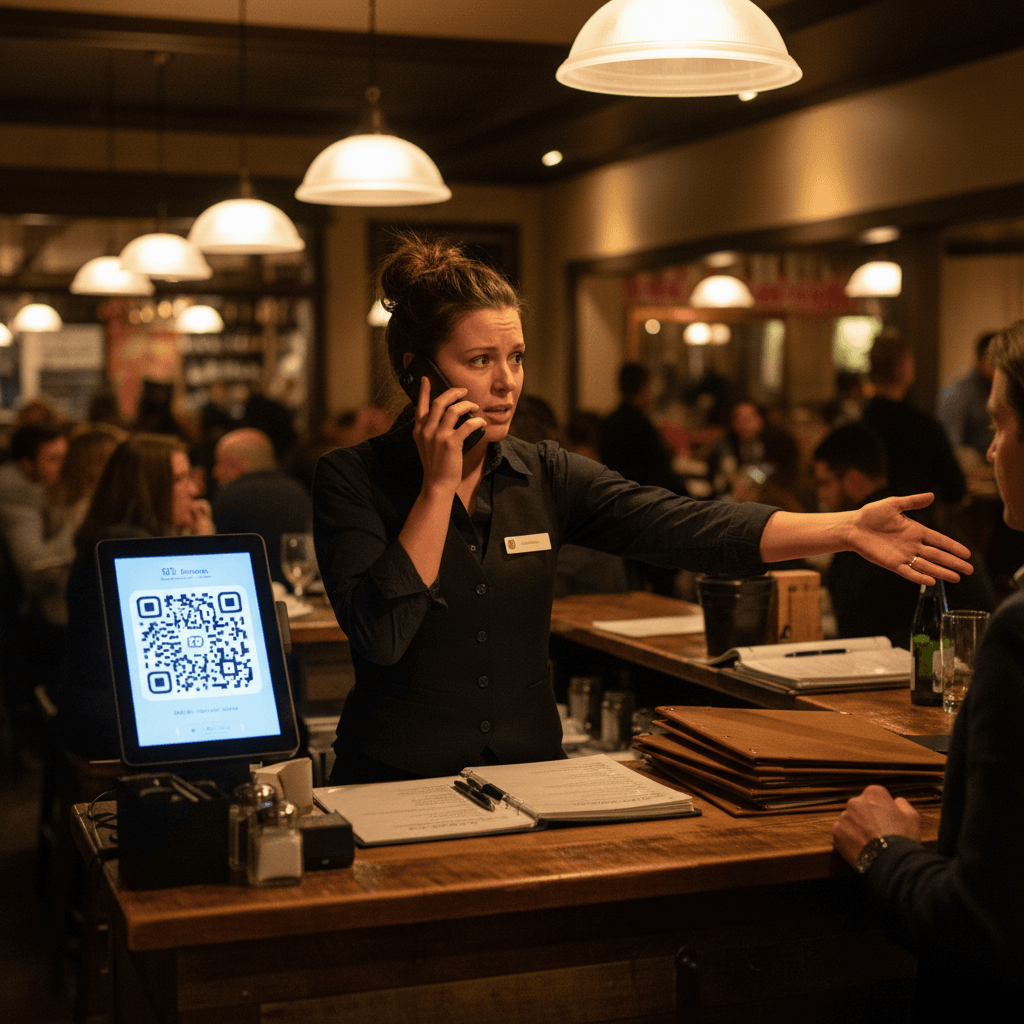
The server is in the weeds, the expo is calling three orders at once, and you have three empty tables during Friday's 7:30 PM rush. You are losing money right now. This is the silent cost of empty tables during prime hours. The lost revenue from those empty seats is a direct subtraction from your bottom line, and it happens quietly while you are busy putting out fires.
Small operational leaks drain big revenue over time. A two-minute delay on every table turn adds up to one less table served per server per night. A 5% over-pour on every cocktail becomes hundreds of dollars in lost liquor margin by Saturday night. A side of fries forgotten on one check means a comped dessert and an apology that costs you profit.
You recognize the plateau when your weekly sales reports show the same number, plus or minus a few percent, for three months straight. Marketing pushes create a small bump that fades. Your labor cost stays stubbornly high because you are working harder, not smarter. The feeling is familiar: you are running at full capacity but not moving forward.
Why Your Current Methods Are Failing
You know the problem. Here's why your current fix fails.
Hard truth: more marketing dollars do not fix a broken service flow. You cannot advertise your way out of a kitchen that takes 25 minutes to fire a ticket. A beautiful Instagram post brings guests in once. A slow, chaotic experience ensures they do not come back. Marketing attracts. Operations retain.
The menu update trap is changing dishes without changing results. You spend weeks developing new items, retraining the kitchen, and printing menus. Your food cost stays the same. Your check average stays the same. The new salmon sells exactly as often as the old salmon. You changed the recipe but not the economics.
Customer loyalty programs often miss the real problem. They reward frequency but ignore experience. A guest who gets a free appetizer after ten visits still endured ten slow services or ten incorrect orders. You are paying them to tolerate mediocrity instead of fixing what makes them leave in the first place.
Training staff on upselling versus teaching them to solve problems creates friction. Telling a server to "push the special" feels transactional. Teaching them to identify a guest celebrating an anniversary and suggesting champagne creates a genuine sale and a memorable experience. One feels like a sales tactic. The other feels like good service.
The Three Levers Every Restaurant Owner Misses
That's the trap. This is how you escape it.
Contrarian opinion: sometimes raising prices increases perceived value more than discounts. A $28 steak feels premium. A $32 steak with a described sourcing story and a recommended wine pairing feels like an experience worth seeking out. Discounting trains guests to wait for a deal. Strategic pricing trains them to value what you offer.
Lever 1: Turning every table faster without rushing guests. This is not about hurrying people out the door. It is about eliminating dead time in their visit. The clock starts when they sit down. The goal is to compress the time between a guest wanting something and receiving it.
Lever 2: Menu engineering that actually works during rush hour. This is not about food cost percentages on a spreadsheet. It is about designing a menu that the kitchen can execute perfectly when tickets are backing up and the printer is running non-stop.
Lever 3: Staff empowerment that creates genuine sales opportunities. This means giving your team the tools and permission to solve problems on the spot, which turns service recovery into sales moments and builds guest loyalty that marketing cannot buy.
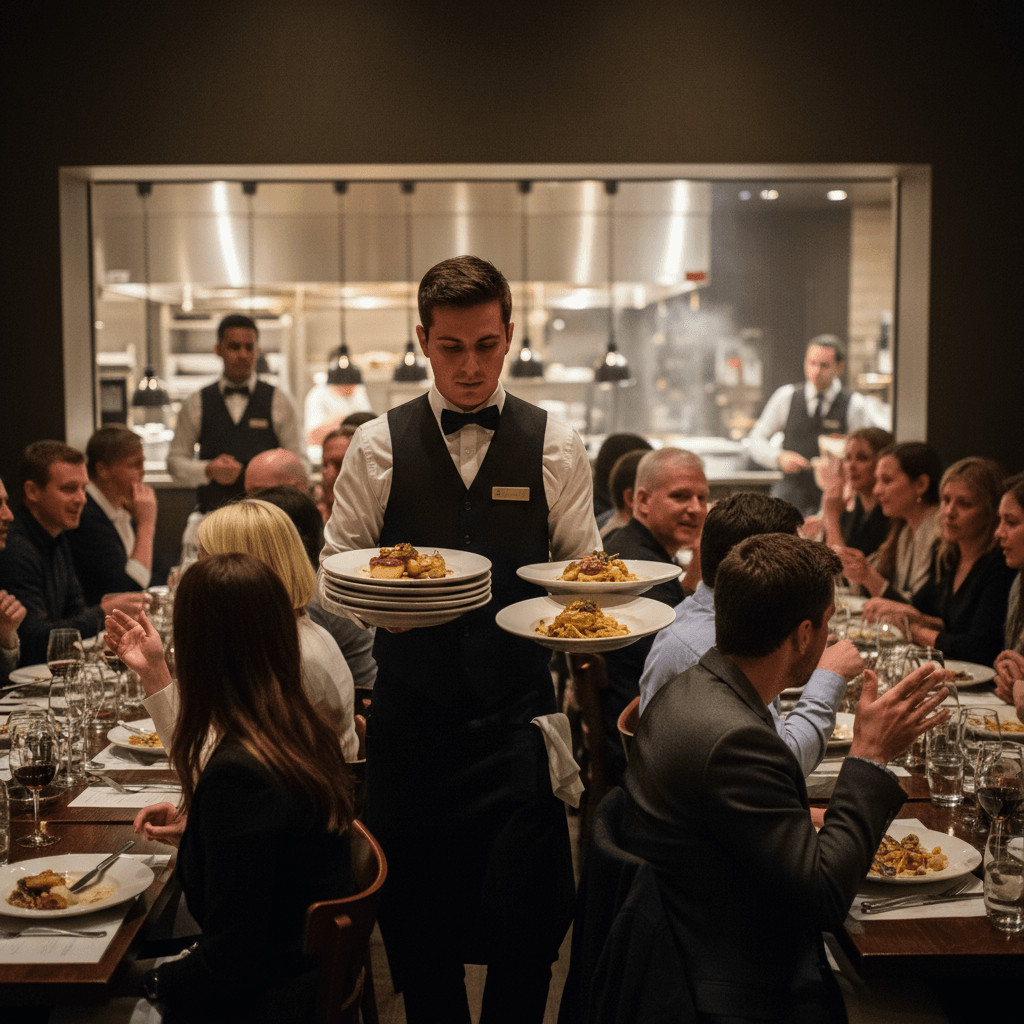
These levers work together during a Saturday night shift. Lever 1 gets drinks ordered within 90 seconds of seating. Lever 2 ensures the kitchen can fire the popular pasta dish without slowing down the entire line. Lever 3 allows a server to comp a round of drinks for a delayed entree, securing a positive review and a future reservation instead of a complaint.
Turning Theory into Friday Night Results
The pre-shift briefing that sets up sales success is five minutes focused on one thing: tonight's bottleneck. Is it the well? Tell the bar to batch mix cocktails for the first two hours. Is it appetizer firing? Tell servers to stagger their first course orders by two minutes per table. Name the problem and give one solution everyone will use.
Menu placement tricks servers can use immediately involve their hands, not their words. When presenting menus, place the dessert menu on top of the dinner menu for tables that have finished their main course. Physically point to the "Chef's Selection" section with two fingers when describing it. These are visual cues that guide ordering without pressure.
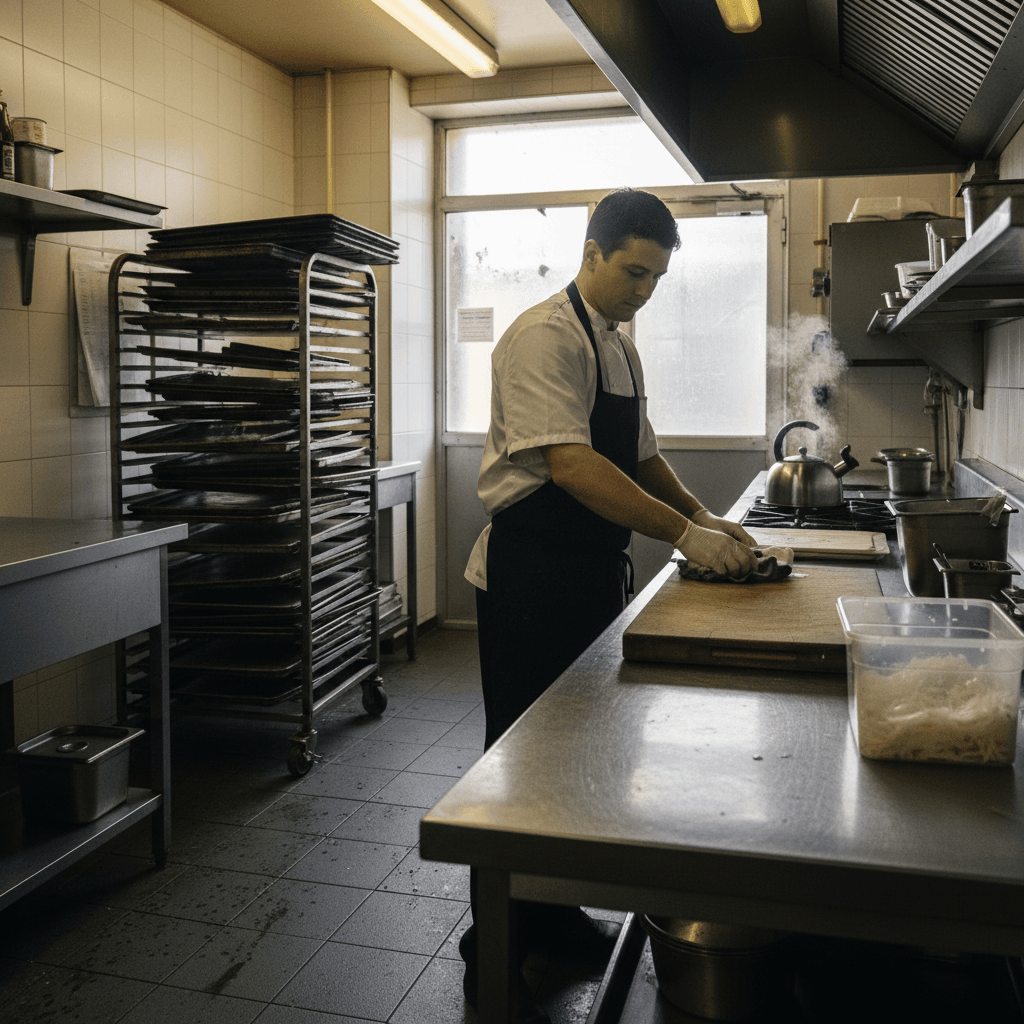
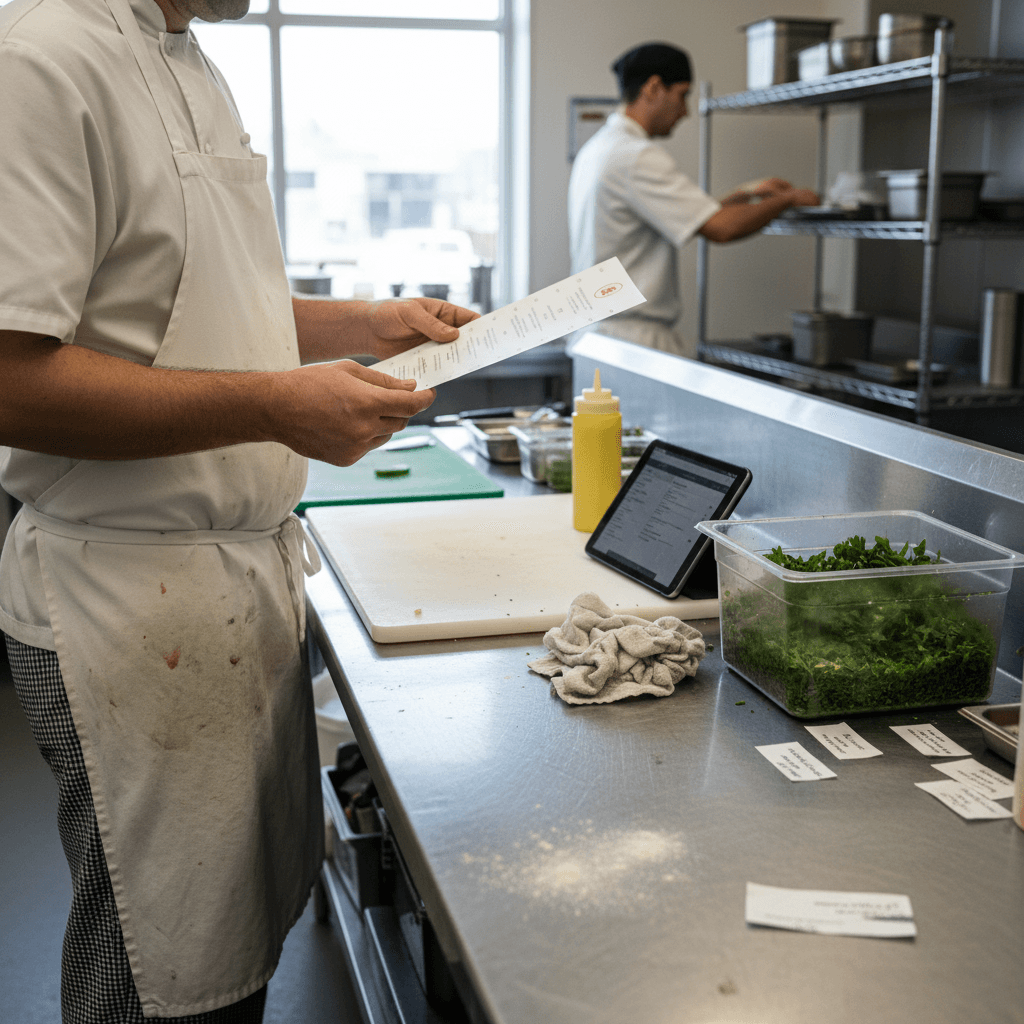
Expo station organization speeds up table turns by eliminating plate touching. The Rule: If you touch a plate twice before it leaves the window, you have lost money on that table. Organize sauces, garnishes, and side plates within arm's reach of the expo person so every plate gets finished in one motion. A well-organized expo station can cut 30 seconds off every ticket time during peak service.
Simple check-back timing increases dessert orders by 30%. Train servers to return to the table two minutes after the main course plates have been cleared. This is the moment when guests are deciding if they are done or want more. Arriving with a dessert menu at this exact moment captures orders that would otherwise be lost to hesitation.
Closing techniques leave guests planning their next visit. When presenting the check, include one specific recommendation for next time. "Your next visit, try the Wednesday wine flight. It pairs perfectly with what you ordered tonight." This plants the idea of returning before they have even left.
Your Next Shift Starts Here
Pick one lever to implement this week. Do not try all three. If your bottleneck is kitchen speed during rush, start with menu engineering. Print your current menu and highlight every item that takes more than 12 minutes to cook during peak. That is your target list for simplification or removal.
Measure what's actually working by tracking one number before and after. If you are working on table turns, track the time from seat-to-order for three tables each night. If you are working on check average, track dessert attachment rate for one server's section. Use concrete data from your floor, not industry averages.
Adjust when your data tells you something is not working. Stay the course when you see incremental improvement. If simplifying two menu items shaves two minutes off ticket times during Friday's rush, that is a win. Keep going. Do not change tactics because you are bored. Change tactics because the numbers stopped moving.
Build momentum from small wins to consistent growth. One faster table turn becomes two. Two become four. A 5% increase in dessert sales this week funds a small staff bonus next week, which motivates more engagement. Growth compounds through operational discipline, not grand gestures.
Taking the Next Step
The shift from chasing sales to engineering them through operations is inevitable for restaurants that last. The methods described here turn your daily service from a cost center into your most reliable growth engine.
To implement these ways to increase restaurant sales with precision, you need systems that provide real-time data from your floor, not just monthly reports. View our pricing for tools built specifically for restaurant operators who measure success by Saturday night throughput, then start a free trial to see how it works during your next busy service