Why Restaurant Email Newsletters Fail (And What Works)
Most restaurant newsletters get ignored. Learn 3 simple rules that turn emails into reservations without wasting hours each week.
The Newsletter Graveyard
Why Restaurant Email Newsletters Fail (And What Works) is a question you answer every Thursday at 2 PM. You're staring at a blank screen, the lunch rush just ended, and you need to send something to your list before dinner service. You type "Weekly Specials" as the subject line, attach a photo of the new pasta dish, and hit send. You just added another email to the graveyard - the digital pile where most restaurant newsletters go to die unread.
The problem isn't your food or your customers. It's the manual process that breaks down when you're trying to run a restaurant and a media company simultaneously. This connects directly to the practical approach we cover in Simple Restaurant Marketing Ideas That Actually Work, which focuses on systems that get results without wasting your limited time.
Most restaurant emails fail because they make three critical mistakes during creation. First, they sell instead of serve. Your subject line screams "20% Off" while your customer is deleting promotional emails during their morning commute. Second, they're inconsistent - you send weekly for a month, then disappear for six weeks when summer gets busy. Third, they're created in panic mode, which means the content feels rushed and generic.
The result? Low open rates, high unsubscribe rates, and zero reservations generated. You're spending 30 minutes each week on an activity that delivers no return. That time could be spent training a server, checking inventory, or actually cooking food.
Three Rules That Actually Work
Moving from failure to function requires shifting your mindset from marketer to host. Your email list isn't an audience - it's your regulars waiting at the virtual bar. They want the same experience they get at your tables: warmth, value, and connection.
The Rule: Never sell in your subject line. Your subject line is your host's greeting at the door. "Welcome back" works better than "Tonight's Specials." "A story about our new farmer" beats "Farm-to-Table Update." Promise value or tell a story. Give people a reason to open before you ask for anything.
Frequency matters more than perfection. Consistency builds trust faster than brilliant one-off emails. Pick a schedule you can maintain through your busiest season - maybe bi-weekly instead of weekly. A short, genuine note sent regularly outperforms a beautifully designed newsletter that appears randomly.
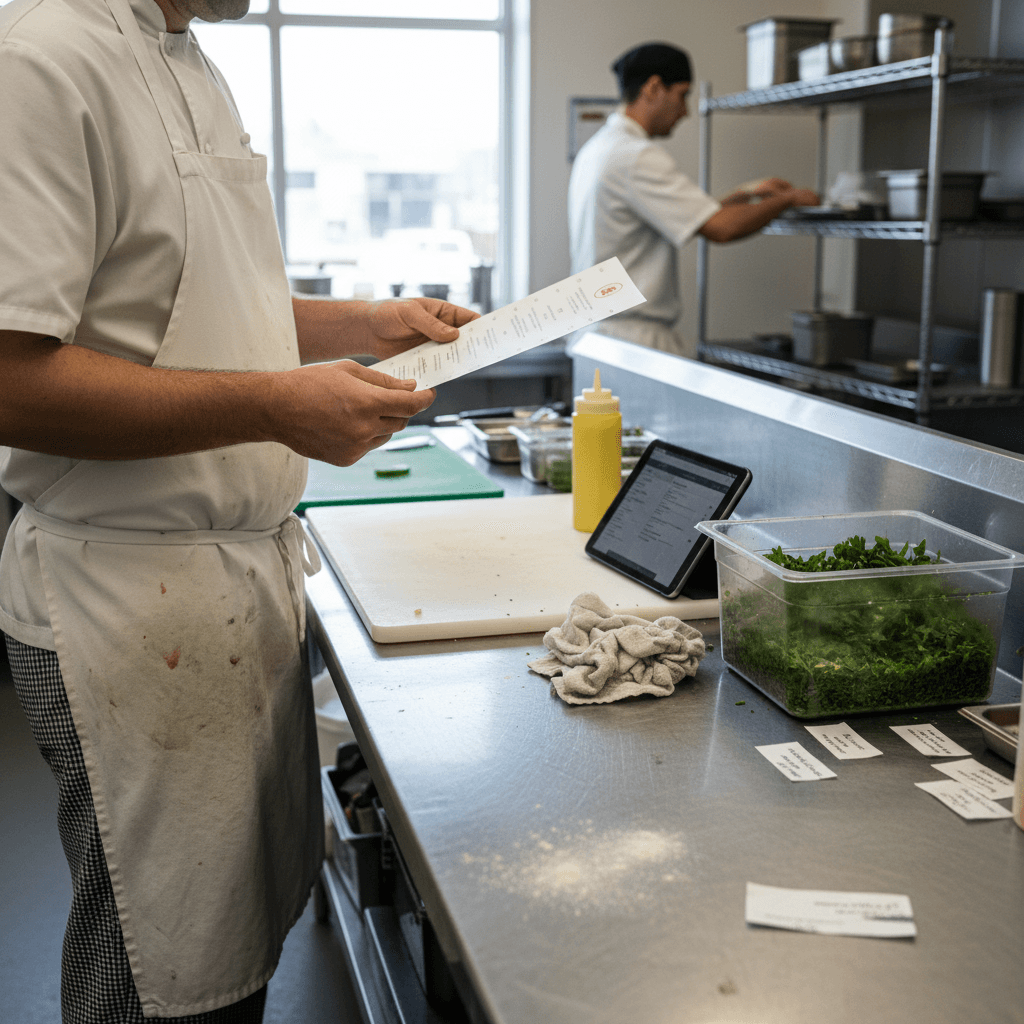
Content should feel like table talk. What do regulars ask about when they sit down? The new bartender's cocktail creation. The story behind the wall art. How the chef sources that amazing cheese. Your emails should answer those questions before they're asked. Share kitchen photos from prep time. Introduce your newest server with three fun facts. Tell the story of why you changed the soup recipe.
Attach this to a real moment: When your expo calls "Fire table 12," that's when customers experience your restaurant's energy. Your email should capture that same authentic moment, not a staged photo shoot.
When Consistency Becomes Your Enemy
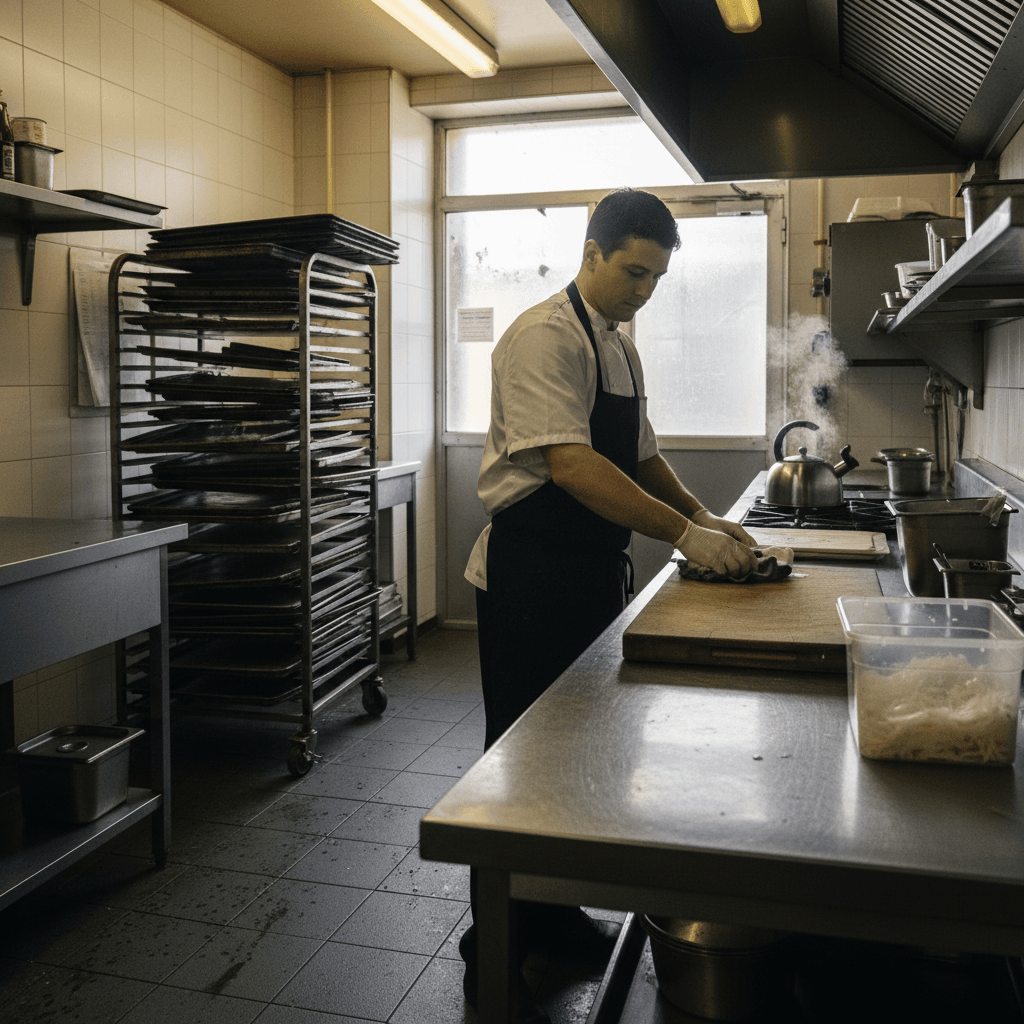
Knowing what to send is easy compared to finding time to create it. The real breakdown happens Tuesday afternoon when you planned to write but got pulled into fixing the walk-in cooler. Or Friday morning when you remember you need to send something but service starts in two hours.
Manual systems fail under restaurant pressure. You start with great intentions: "I'll write every Monday morning." Then Monday brings a no-call no-show from a line cook, a delivery issue with produce, and three reservation changes for tonight's large party. Writing slides to Wednesday, then next week, then never.
The quality spiral begins. Rushed content looks and feels rushed. You reuse last month's template with new photos. You send without proofreading and miss typos. You forget to update the seasonal closing time notice. Each weak email trains your subscribers to ignore future ones.
This isn't about willpower - it's about workflow design. Successful newsletters come from systems, not inspiration blocks. You need capture tools for ideas during service (a notebook by the POS). You need templates that work even when you're exhausted (pre-written sections for staff introductions). You need approval processes that don't require three people's attention (one manager signs off).
Think about your ticket times during Saturday dinner rush. The Rule: Standardized processes prevent chaos. Your email creation needs the same operational discipline as your kitchen line during peak hours.
From Newsletter to Reservation Book
The goal isn't open rates or click-through percentages. The goal is turning email readers into booked tables without feeling like you're running a separate business.
Start with one measurable action per email. Don't ask people to follow you on social media, check out your new menu, and book for next weekend all in one message. Pick one clear call-to-action that matches where they are in their dining cycle. New subscriber? Invite them for their first visit with a simple offer. Regular who opens every email? Ask them to book for next Thursday's wine pairing event.
Track what actually drives reservations. Most restaurant owners guess at what works. They think "20% off" emails perform best because they get opens. But opens don't pay bills - booked tables do. You might discover that your "Meet Our Farmer" emails actually drive more weekend reservations than discount offers because they build connection rather than desperation.
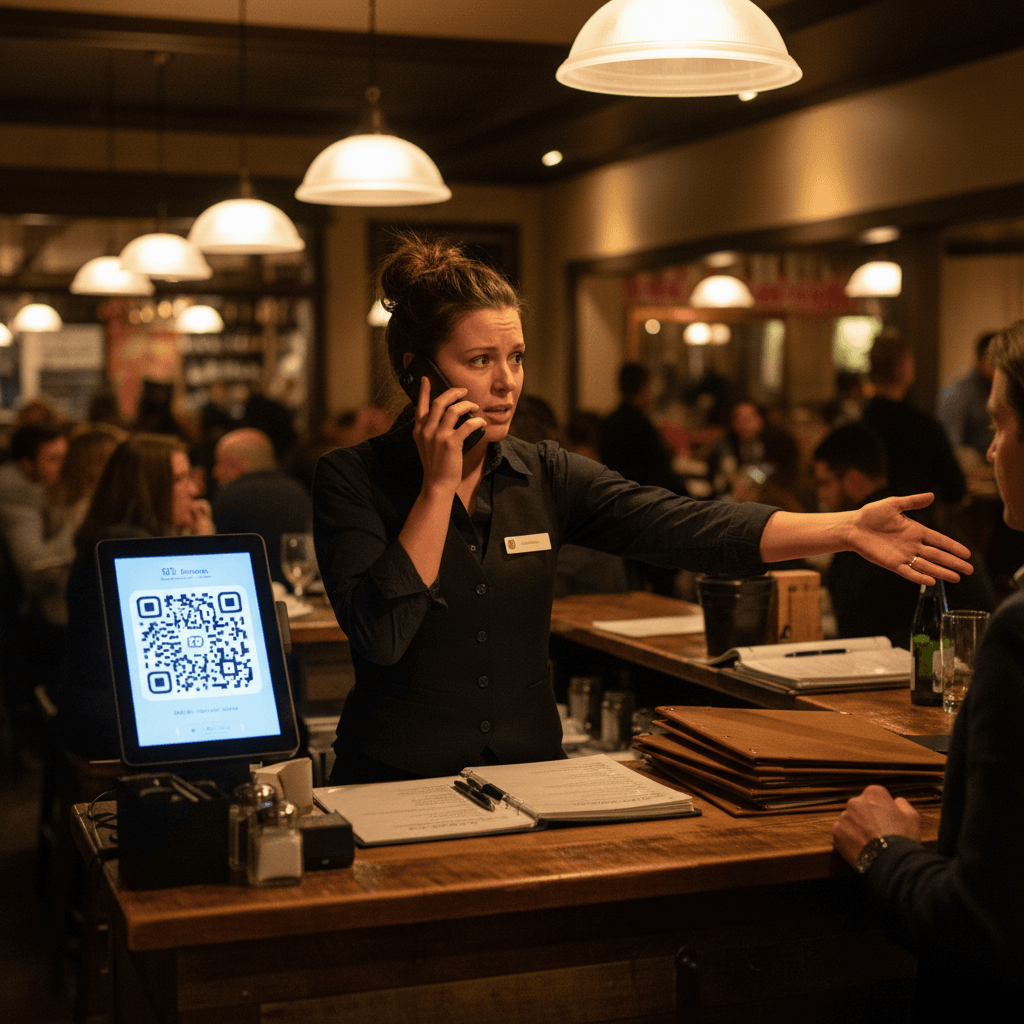
Connect email behavior to dining behavior. When someone books online after opening your email, that's gold data. When they mention your newsletter at the host stand, that's relationship building in action. Train your front-of-house staff to recognize and acknowledge these connections: "I see you got our note about the new cocktail menu - would you like to start with one?"
This manual approach works but demands discipline. You're essentially adding another station to your restaurant - the communications station - that needs daily attention like any other part of your operation.
Modern digital tools can automate the repetitive parts of this workflow while keeping the human touch where it matters most. Email platforms designed for restaurants can handle scheduling, template management, and performance tracking without requiring you to become a marketing expert during your already packed day.
Taking the Next Step
Why Restaurant Email Newsletters Fail (And What Works) comes down to operational reality versus marketing theory. The manual fixes work when implemented with kitchen-level discipline: consistent processes, clear rules about content creation, and measurable connections between emails and booked tables.
The shift from newsletter graveyard to reservation generator is practical once you stop treating email as an add-on task and start treating it as another service station in your restaurant.
If building this system manually sounds overwhelming given your current workload, explore how modern restaurant communication platforms handle the repetitive work while you focus on what only you can provide - authentic stories about your food and team. View our pricing matches tools to different restaurant sizes and needs, while starting a free trial lets you test whether automated consistency delivers better results than manual struggle during your next service cycle.