Simple Restaurant Marketing Ideas That Actually Work
Forget complicated campaigns. These simple restaurant marketing ideas focus on what matters: getting more customers through your door without wasting time or money.
The Marketing That Never Happens
The Friday dinner rush is at its peak. The expo station has three tickets hanging, each with modifications scribbled in different handwriting. A server asks if you've posted this week's specials online. You haven't. You meant to take photos during prep, but the produce delivery was late, and now you're in the weeds. This is where simple restaurant marketing ideas die - not in a meeting, but between the third and fourth course of a fully booked Saturday night.
You know you need to market. Every empty table during a slow Tuesday whispers it. The problem isn't desire. The problem is execution. Complicated marketing plans require uninterrupted time, creative energy, and consistent follow-through. A restaurant has none of those things. Your day is sliced into fifteen-minute segments between seatings, fire times, and staff questions. Marketing becomes another item on a list that never gets shorter.
The real cost isn't just the missed Instagram post. It's the compounding effect. A customer can't find your current hours online, so they go to the place down the street. A regular wants to bring friends but can't remember if you take reservations, so they choose somewhere easier. A potential catering client sees your outdated menu PDF and assumes you're closed. These are silent losses that add up to thousands in missing revenue every month. Marketing isn't an expense. Not doing it is.
Your Menu Is Your Best Salesperson (Hard Truth)
That's the trap of chasing trends before fixing fundamentals. Here is the contrarian opinion you need: stop worrying about TikTok dances before you fix your menu.
Customers decide to visit based on what they see before they walk in the door. A potential guest is hungry. They search for "steakhouse near me" or "best brunch." Your restaurant appears. They click. What they see next determines everything. If they see a blurry photo of a PDF that looks like an accounting spreadsheet from 2003, they click back. The decision is made in three seconds.
The problem with bad menus is visual clutter. Tiny font sizes crammed onto one page. No prices next to items on digital versions. Descriptions that read like ingredient lists instead of stories: "Chicken, rice, vegetables." Compare that to: "Wood-fired half chicken with crispy skin, resting on garlic-herb jasmine rice and summer squash." One is a list of components. The other is a reason to visit.
How does this cost you walk-ins? Directly. A confusing menu creates friction. Friction causes abandonment. If someone can't easily see what you serve, what it costs, and whether it sounds good, they will not call for a reservation. They will not drive to your location. They will choose the restaurant whose menu makes the decision easy.
The Rule: Your menu must sell when you are not there to sell it. A server can describe a special with passion at the table. Your menu must do that job alone at 10 PM on a Tuesday when someone is deciding where to eat tomorrow night. This isn't about graphic design degrees. It's about removing every single barrier between a hungry person and saying "yes" to your restaurant.
The 15-Minute Marketing System
You know why big plans fail. They don't fit between lunch cleanup and dinner prep. This system does.
Simple restaurant marketing ideas work when they become routines, not projects. The goal is not a viral campaign. The goal is consistent, small actions that compound over weeks and months.
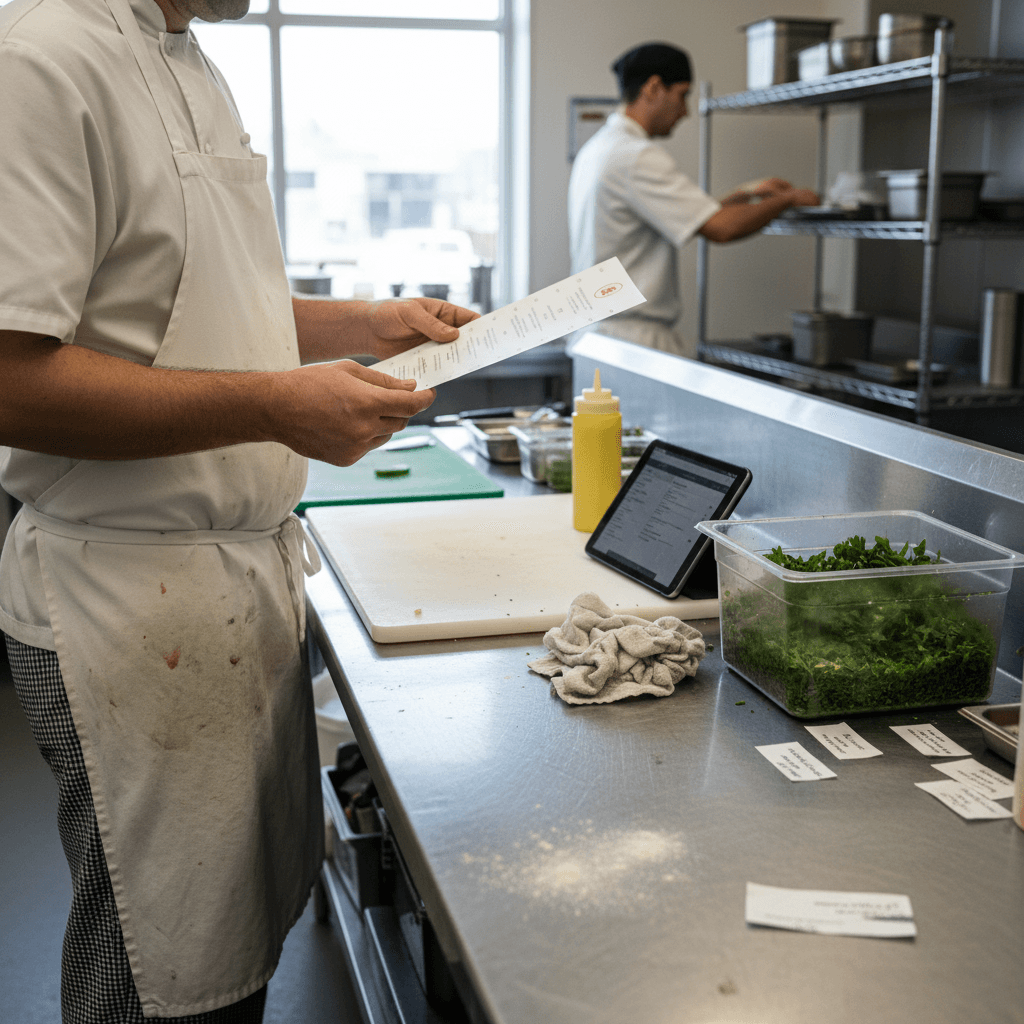
Start with three things you can do today without any special skills. First, take one photo of a finished dish before service starts. Use your phone. Place it on the pass under good light - the same light your expo uses to check plates. Capture one dish that looks perfect. That's your social media content for the day. Second, text one regular customer. Not a blast message. One person. Say: "Hey [Name], we just got some amazing wild salmon in for tonight's special. Thought of you." That takes 20 seconds. Third, update one thing online that is wrong. Is your Google listing still saying "temporarily closed" from 2020? Fix it right now.
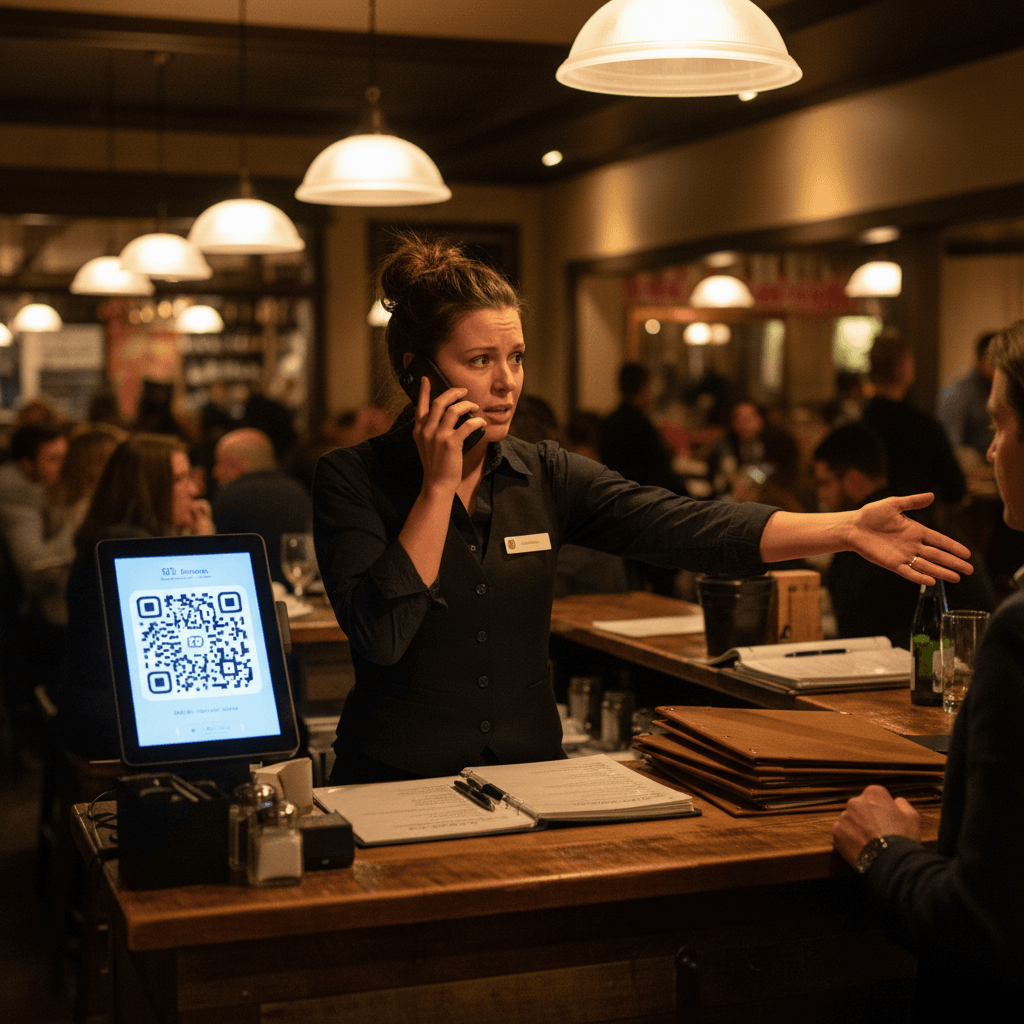
How do you turn regulars into your marketing team? You make it effortless for them. When a regular raves about the new burger, your server's response should be trained: "That's awesome! Would you mind leaving a quick review on Google? It really helps us get found by new people like you." Hand them a card with a QR code that goes directly to your Google review page. When a catering order picks up, include two extra menus in the bag with a handwritten note: "For your office fridge." You have just turned one client into a potential office full of clients.
Why consistency beats creativity every time in restaurant marketing? Because your customers live in patterns. They check Instagram at 5 PM when deciding where to eat dinner. They search for "weekend brunch" on Friday afternoon. They look up your phone number when running late for a reservation. If you post beautiful food photos every day at 4:30 PM, you become part of their decision-making pattern. If you only post erratically - three times one week, then nothing for a month - you disappear from their habit loop. One great photo posted consistently for thirty days is more powerful than thirty perfect photos posted all at once and then forgotten.
What to Do When You're Too Busy to Market
Service will always take over. The tickets will back up. The emergency plan for marketing during chaos has one objective: maintain presence without adding work.
Delegate this one task to any staff member who has five minutes: collect customer quotes. Give your host or a senior server a notepad. Their job is to write down one positive thing they overhear a customer say each shift. "Best martini I've ever had." "My kids actually ate all their vegetables." "This steak melted in my mouth." These are not full reviews. They are raw quotes. At the end of the week, you have seven genuine compliments. Post one per day as text on your social media with the caption: "Heard in our dining room this week." This requires zero photography, zero design time, and zero creative energy. It is pure customer voice.
Use slow days for marketing without feeling overwhelmed by turning it into operational prep. Tuesday lunch is quiet? That's when you film the 30-second kitchen video. Not a produced tour. Film the grill cook seasoning steaks. Film the pastry chef piping frosting. Film the dishwasher stacking plates with military precision. This shows the craft behind the food. You get seven videos in twenty minutes. Schedule them to post one per day over the next week.
Turn customer complaints into marketing opportunities through immediate public resolution. A guest complains on Yelp that their pasta was cold? Do not reply privately. Reply publicly on the same review platform within 24 hours: "Sarah, we're so sorry we missed the mark last night. Your experience is not our standard. Please email me directly at [owner@restaurant.com] so I can make this right." This does two things. First, it shows potential customers you care enough to monitor feedback and respond quickly. Second, it takes a negative public moment and demonstrates professional accountability. Future customers reading reviews will see that you fix problems.
Stop Planning, Start Doing
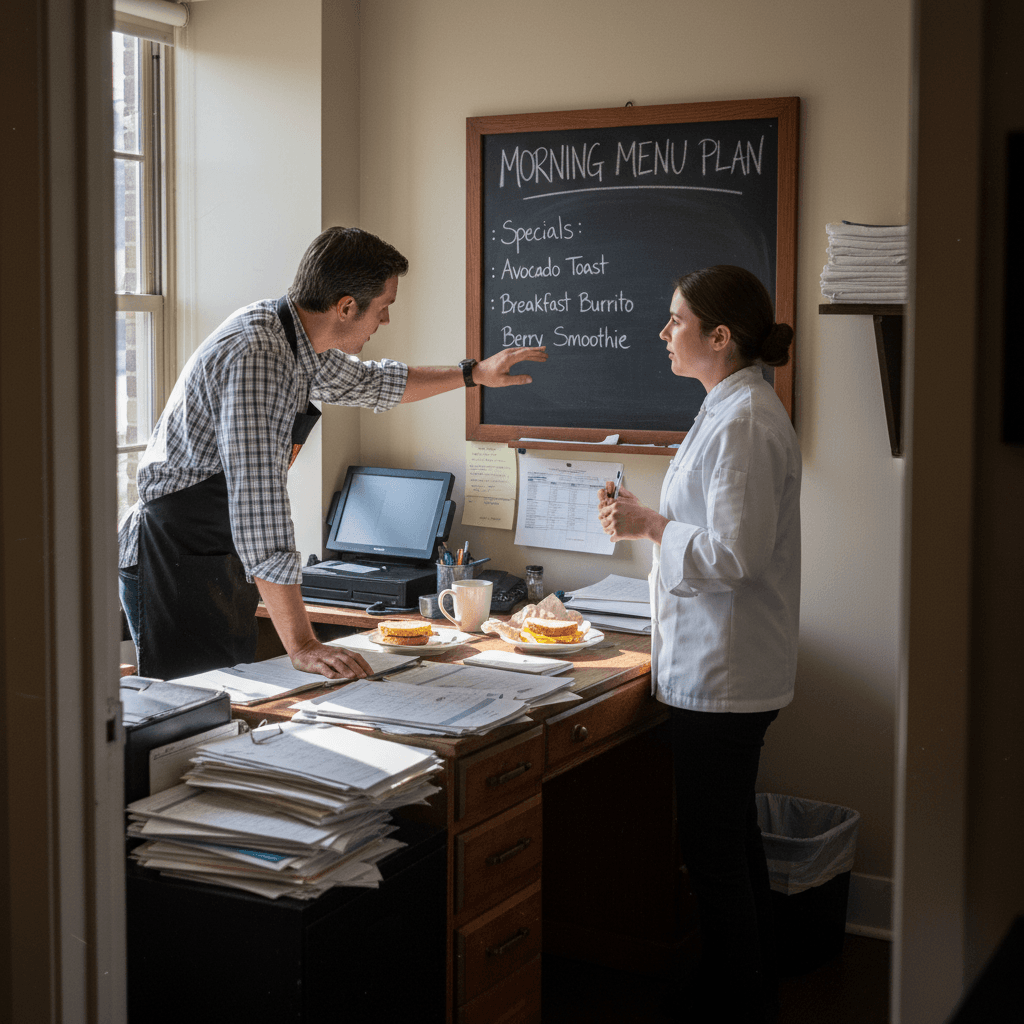
Planning feels productive. It happens in quiet offices with coffee and notebooks. Doing happens in noisy kitchens with timers beeping. Your marketing must live in the noisy kitchen.
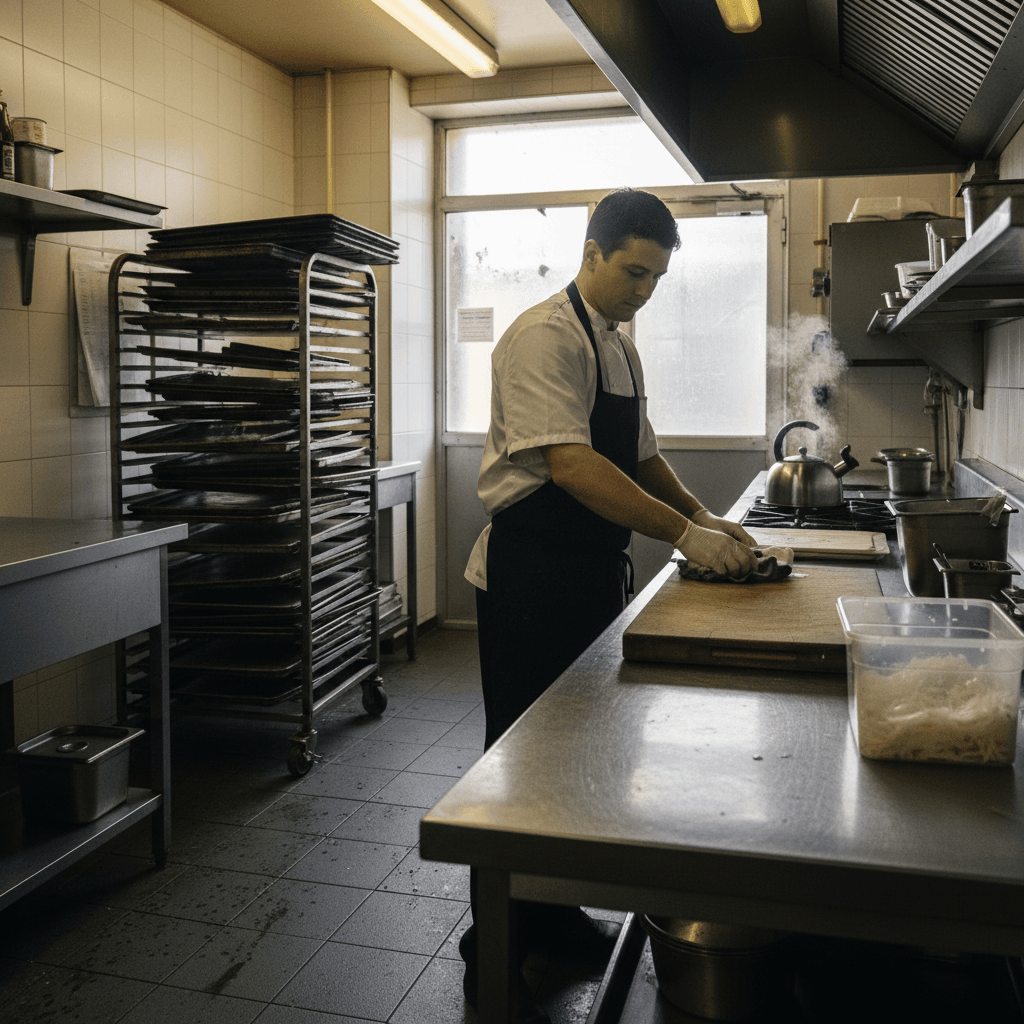
The shift starts now. Open your phone's camera. Walk to the line during prep hour when vegetables are being chopped and stocks are being stirred. Take ten photos in two minutes. You now have content for the next ten days.
Open your reservation book or POS system from last night's service. Find three customers who visited for the second time this month. Send them each this text: "Noticed you were in again last night - thanks for being part of our restaurant family." That took ninety seconds.
Check your website on your phone right now. Can you find your current hours in three clicks? Is your phone number clickable? Does the menu load quickly? If anything requires extra effort from a visitor, fix it this minute.
These actions are not part of a campaign. They are operational habits, like wiping down stations or checking fridge temps. Marketing becomes just another station that needs daily attention.
The logic is simple and undeniable: Empty tables cost more than marketing ever will. Every minute spent making your restaurant easier to find and choose pays back in full seats during slow periods and waitlists during busy ones.
Taking the Next Step
The operational shift from chaotic intention to systematic execution is inevitable once you see marketing as daily prep work rather than monthly creative projects.
Your menu sells while you sleep if it’s built right; your regulars bring new guests if you make it easy; and five minutes between services compounds into consistent visibility that fills seats on rainy Tuesdays.
Stop letting perfect social media posts be the enemy of good daily updates—begin by posting one kitchen photo from tonight’s prep and watch how simple consistency builds momentum over shouting into the void view our pricing or start a free trial today to build these routines directly into your shift flow without adding another planning meeting