Why QR Codes Fail at Dinner Rush
QR codes promise easy ordering but often create chaos during busy service. Learn practical fixes that work when phones won't scan and servers get overwhelmed.
The Moment QR Codes Stop Working
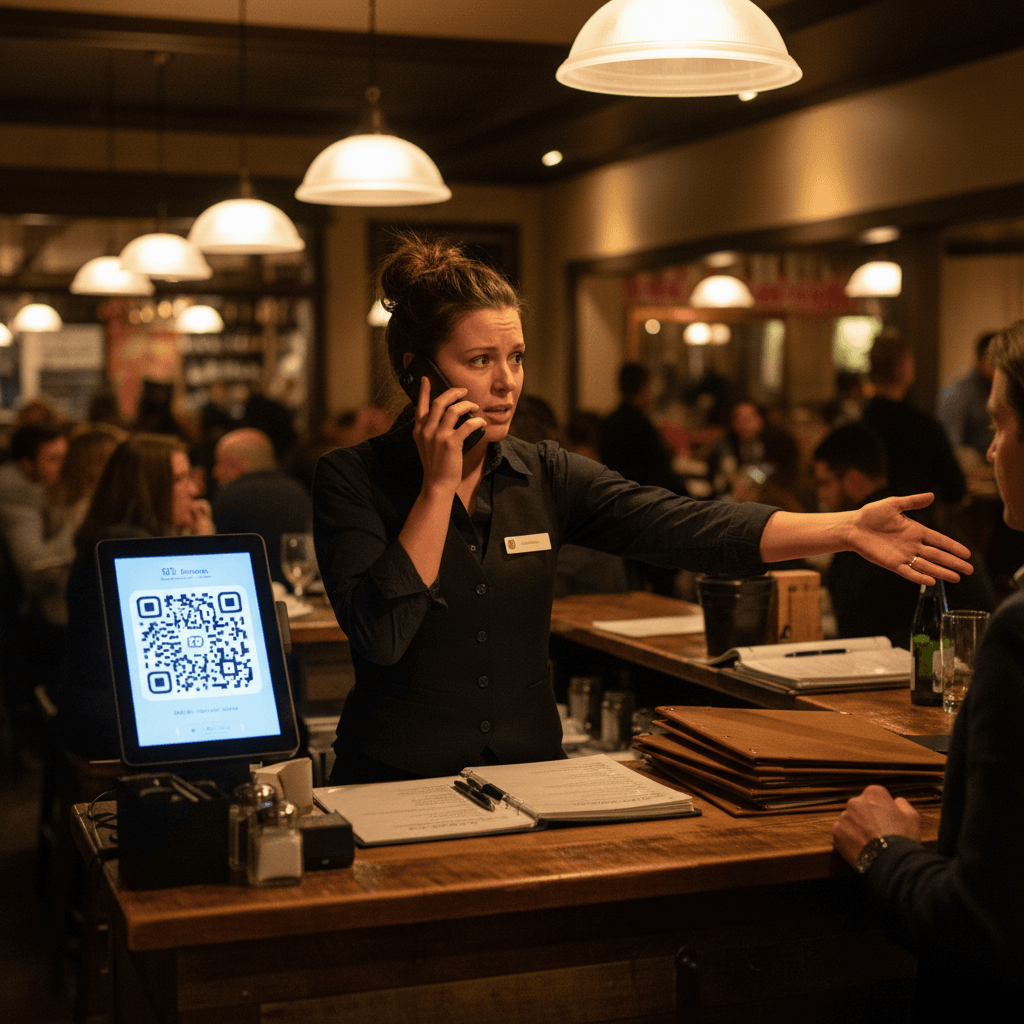
Why QR Codes Fail at Dinner Rush is a question answered every Friday night at 7:15 PM. That's when your host stand has three parties waiting, the bar is two deep, and half your seated tables are waving down servers. They're not ready to order. Their phones won't scan the code. Your servers, who should be taking drink orders and running food, are now tech support. They're bending over tables, trying to get a camera to focus, explaining Wi-Fi connections that are probably fine. The digital promise of speed and efficiency collapses into manual chaos that costs you real money every minute a table sits idle. This operational breakdown is part of a larger financial picture we detail in The Real Cost of Paper Menus, which breaks down how menu format directly impacts your bottom line from waste to labor.
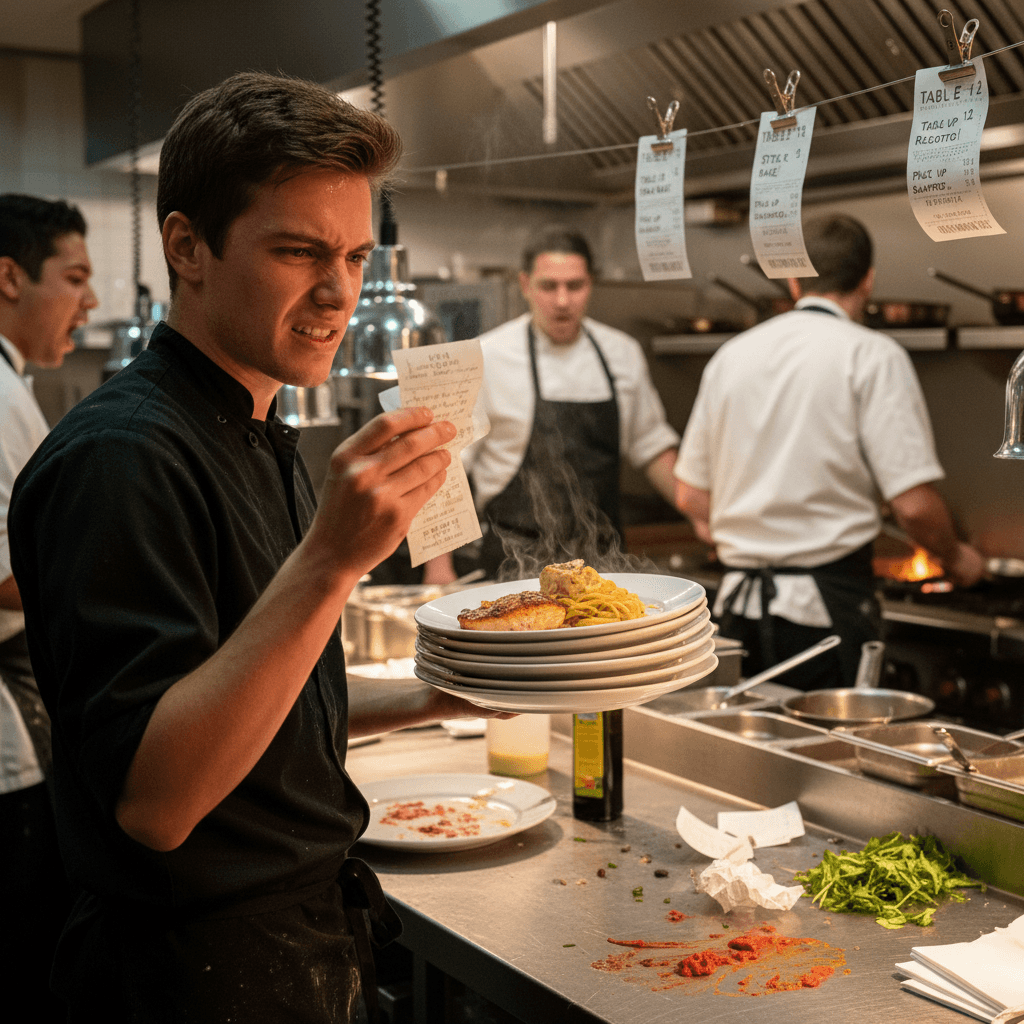
The failure isn't theoretical. It's the server who just spent four minutes at table six instead of delivering the appetizers for table four. It's the expo calling for a runner because all hands are tied up with scanning problems. You can measure the cost: one lost round of drinks per table, slower table turns, and servers who can't focus on selling or service. The problem isn't the QR code technology itself. It's the conditions you create for it during your busiest, most profitable service.
Three Manual Fixes That Work Tonight
The first step is accepting a hard truth. Your Wi-Fi is probably fine. The real culprits are your lighting and physical placement. Glare from windows kills scanning. Low light in booths makes phone cameras struggle. A code placed on a wobbly table tent moves just enough to blur.
First, move every QR code away from direct light sources. If it's near a window, move it to the wall or the center of the table. Second, add simple, clear table tents with backup instructions. A small line that says "Having trouble? Try turning up your phone's brightness" solves more problems than a server's five-minute troubleshooting session. Third, train every server on one sentence that solves 80% of scanning issues: "Try turning up your brightness." Drill it in pre-shift meetings until it's automatic.
These aren't tech solutions. They're service solutions that work during an actual dinner rush. The Rule: Your QR code must be scannable in three seconds or less under your normal dining room lighting at 8 PM on a Saturday. If it takes longer, the placement has failed.
Test this yourself tonight. Sit at every table type during service - booth, window, dark corner - and try to scan with your own phone. Time it. You'll find the exact spots where your system breaks down. Fixing those spots costs nothing but five minutes of a manager's time before service.
When Manual Fixes Become The Bottleneck
Even perfect placement and trained staff hit a hard limit when you're three deep at the bar and every table is full. That server explaining brightness settings for the third time could be selling another round of cocktails or checking on a food allergy. The manager who should be expediting the window is now rebooting a router because one guest insists the Wi-Fi is down.
Every minute spent fixing scanning problems is a minute not spent making money or improving the guest experience. You can train and place codes perfectly, but you cannot control the hundred different phone models, camera qualities, and user skill levels that walk through your door each night. The manual fix has a ceiling.
This creates a hidden cost: decision fatigue for your staff. When servers have to constantly switch gears from hospitality to tech support, their service soft skills degrade. They become frustrated technicians instead of engaging hosts. The mental energy spent on "why won't this scan" is energy taken from "would you like to hear our specials" or "how is everything tasting."
From Fixing Problems to Building Systems
The goal isn't just making QR codes work sometimes. It's making them disappear as an issue entirely, so your team can focus on what actually drives revenue: service and sales.
Start with data from your busiest shifts this week. How many customer complaints were specifically about scanning? How many server minutes were lost to playing tech support? Count the interruptions during one Friday night rush. Those numbers tell you exactly where to focus and how much this problem is truly costing you.
Build a system around prevention, not reaction. Start with the one shift where scanning fails most often - probably Saturday dinner - and fix those specific conditions first. Then document what you changed and why. Create a simple opening checklist for managers: check code placement at high-glare tables, ensure backup instructions are visible, brief servers on the one-sentence fix during pre-shift.
This turns a chaotic problem into a manageable process. You stop fighting the same fire every night and start building a kitchen that doesn't catch fire in the first place.
Taking the Next Step
The shift from reactive troubleshooting to systematic prevention is practical and its logic is clear: free your staff to do the work that guests notice and that makes you money.
If managing these manual systems feels like it's consuming more time than it saves, modern digital ordering platforms are built to eliminate these friction points entirely by ensuring reliable access from the guest's first interaction. They handle the technical reliability so you can focus on hospitality.
To see how this approach can work for your operation without disrupting service, you can view our pricing for transparent costs or start a free trial to test a seamless ordering experience during your next busy weekend shift