Why PDF Menus Fail on Phones
PDF menus create chaos during rush hours. Tiny text, slow loading, and constant zooming frustrate guests and slow down your servers when you need speed most.
The Friday Night Zoom Struggle
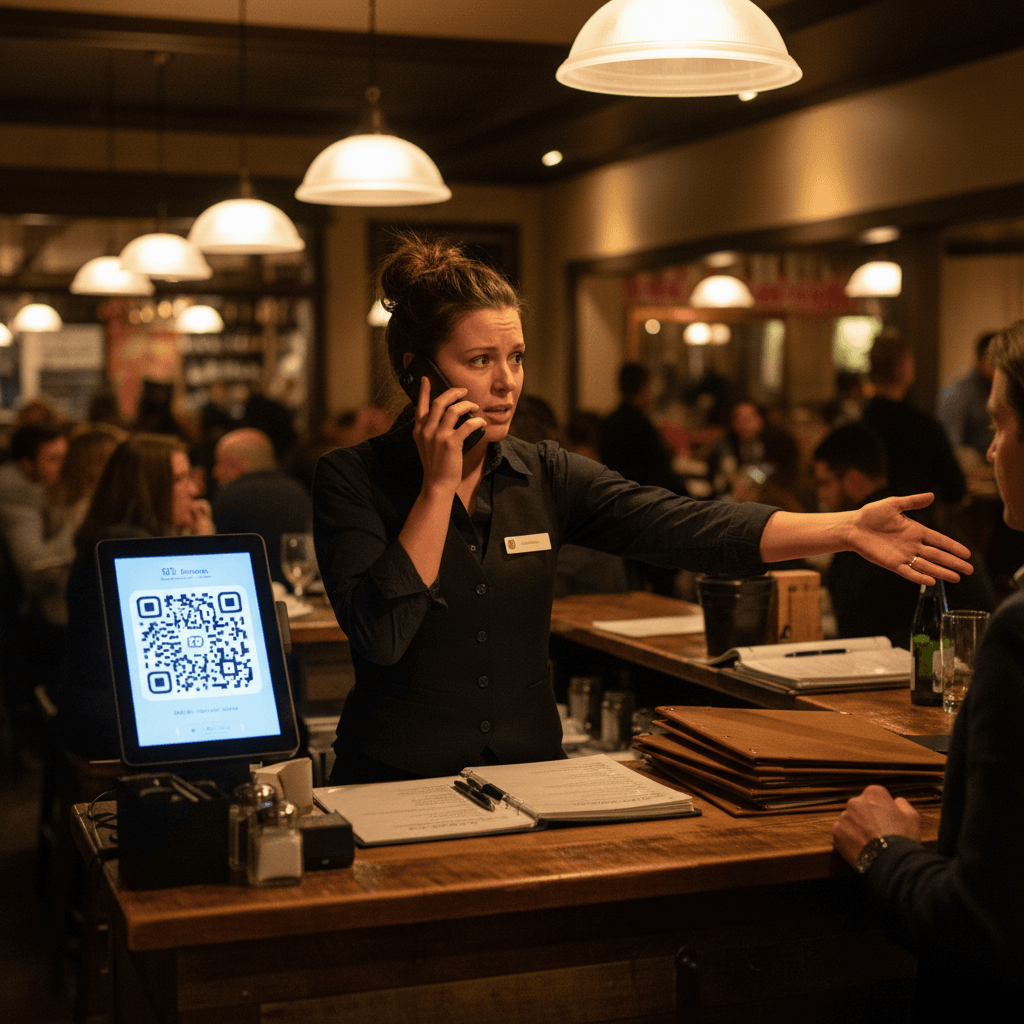
Picture your busiest server during Friday dinner rush. Three tables just sat down. Everyone pulls out phones to look at your PDF menu. Now watch what happens next.
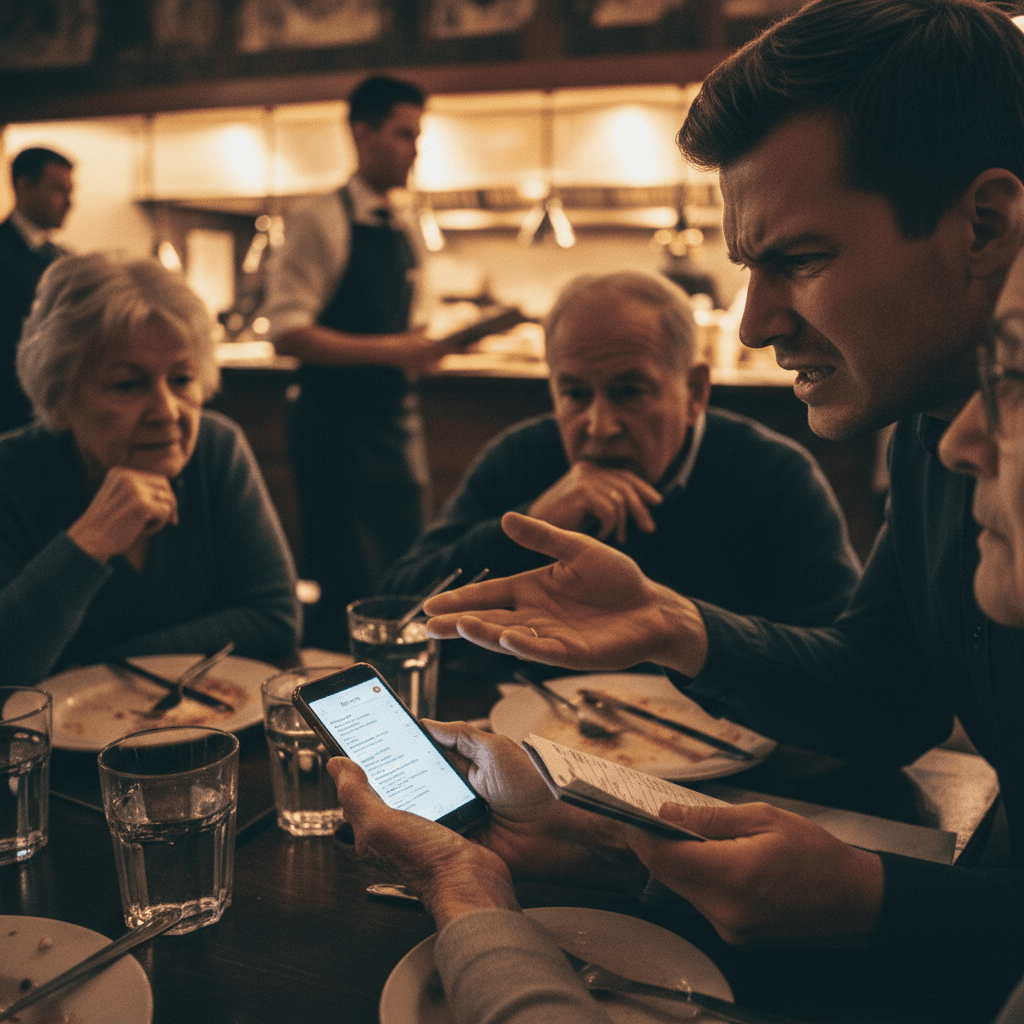
Guests squint at tiny text. They pinch and zoom repeatedly. The server waits while someone's phone loads slowly. Another guest asks for help finding the gluten-free options buried on page three.
This isn't just annoying - it's costing you real money. Every minute guests spend fighting with your menu is a minute they're not ordering drinks or appetizers. Why PDF Menus Fail on Phones becomes painfully clear when you calculate the lost revenue from slower table turns during peak hours.
The frustration starts before the first drink order is taken. This operational breakdown is part of a larger pattern of inefficiency that drains profitability from every shift. For a complete analysis of how traditional menu systems impact your bottom line, see our detailed breakdown in The Real Cost of Paper Menus.
When Digital Makes Things Worse
Most restaurants think going digital means progress. But a bad digital menu creates more problems than paper ever did.
Here's the hard truth nobody tells you: A poorly designed digital menu actually slows service more than paper menus do.
With paper, everyone looks at the same thing. Servers can point to sections. Guests can pass menus around. But with a PDF on phones, every guest is on their own island of frustration.
The server becomes a tech support person instead of a hospitality professional. They're explaining navigation instead of describing specials. They're troubleshooting loading issues instead of taking drink orders.
What Your Guests Actually Experience
Let's break down exactly what happens when someone opens your PDF menu on their phone.
First, they wait for it to load - sometimes 10-15 seconds on slower connections. Then they see text meant for an 8.5x11 sheet shrunk to a 6-inch screen.
They pinch to zoom in on appetizers, then scroll sideways to read descriptions. They zoom out to see entrees, then back in for prices.
Older guests struggle with small text. People with vision issues can't adjust font sizes. Everyone gets frustrated trying to navigate between sections.
The worst part? This happens simultaneously at every table during your peak hours. Multiply that frustration by twenty tables and you have a service bottleneck that no amount of staffing can fix.
The Server's Hidden Workload
Now shift perspective to your floor staff.
Instead of taking drink orders immediately, servers spend precious minutes explaining how to use the menu. "Swipe left for entrees." "Pinch here to make it bigger." "Scroll down for desserts."
They answer the same questions repeatedly: "Where are the specials?" "How much is this?" "What sides come with that?"
During Saturday night rush, this adds up to hours of lost time across your entire team. Time that should be spent upselling, checking on food quality, and turning tables faster.
The Rule: If your servers are explaining technology more than describing food, your menu system is broken.
The Mobile-First Solution That Actually Works
The fix isn't complicated, but it requires thinking differently about how people actually use phones.
You need a responsive menu designed specifically for mobile screens. Text that adjusts automatically. Clear sections that don't require zooming. Fast loading without PDF downloads.
Think about how people read on phones - vertical scrolling, not horizontal panning. Large touch targets, not tiny links. Instant updates when you change specials or prices.
This isn't about fancy technology. It's about removing friction during your busiest moments.
Start by testing your current menu on different phones during a slow period. Have your staff try to order from it while timing themselves. The results will show you exactly where the bottlenecks are.
From Frustration to Flow
When your menu works properly on phones, everything changes.
Guests browse comfortably while waiting for servers. They make decisions faster because information is clear and accessible. Servers spend less time troubleshooting and more time selling.
The result? Faster table turns during peak hours. Higher check averages from better browsing experience. Reduced stress for both guests and staff.
The transition happens one table at a time, but the cumulative effect transforms your entire service flow.
Manual improvements get you most of the way there - better design thinking, staff training on guiding guests through mobile menus, and clear section organization that works on small screens.
For the remaining friction points that manual processes can't solve, modern digital menu platforms automate what used to require constant staff intervention. These systems handle real-time updates, mobile optimization, and guest navigation automatically, freeing your team to focus on hospitality instead of tech support.
Taking the Next Step
PDF menus create unnecessary friction during your most profitable hours. The solution requires shifting from document thinking to mobile experience thinking - designing for how people actually use their phones in your dining room.
Stop making guests work to give you their business during Friday dinner rush. View our pricing for mobile-optimized menu solutions or start a free trial to experience the difference in your next service period without commitment