Why Nightclub Bars Get Backed Up
Long lines at your nightclub bar mean lost sales and angry customers. Learn why service slows down and how to fix it before Friday hits.
The Line That Costs You Money
Why Nightclub Bars Get Backed Up starts with the moment your bartender looks up and sees ten people waiting. Each minute they stand there means another drink you won't sell. The math is simple - if five people leave because the line's too long, that's $75 gone before midnight even hits.
Nightclubs have different rules than regular bars. Customers want their drinks now, not in five minutes. They'll walk away faster than in a restaurant. Your staff knows this pressure turns good servers into rushed mistakes.
This connects to the full system for handling peak volume, which we break down in When Your Bar Hits Friday Night Chaos. That guide shows you how to build workflows that survive the rush.
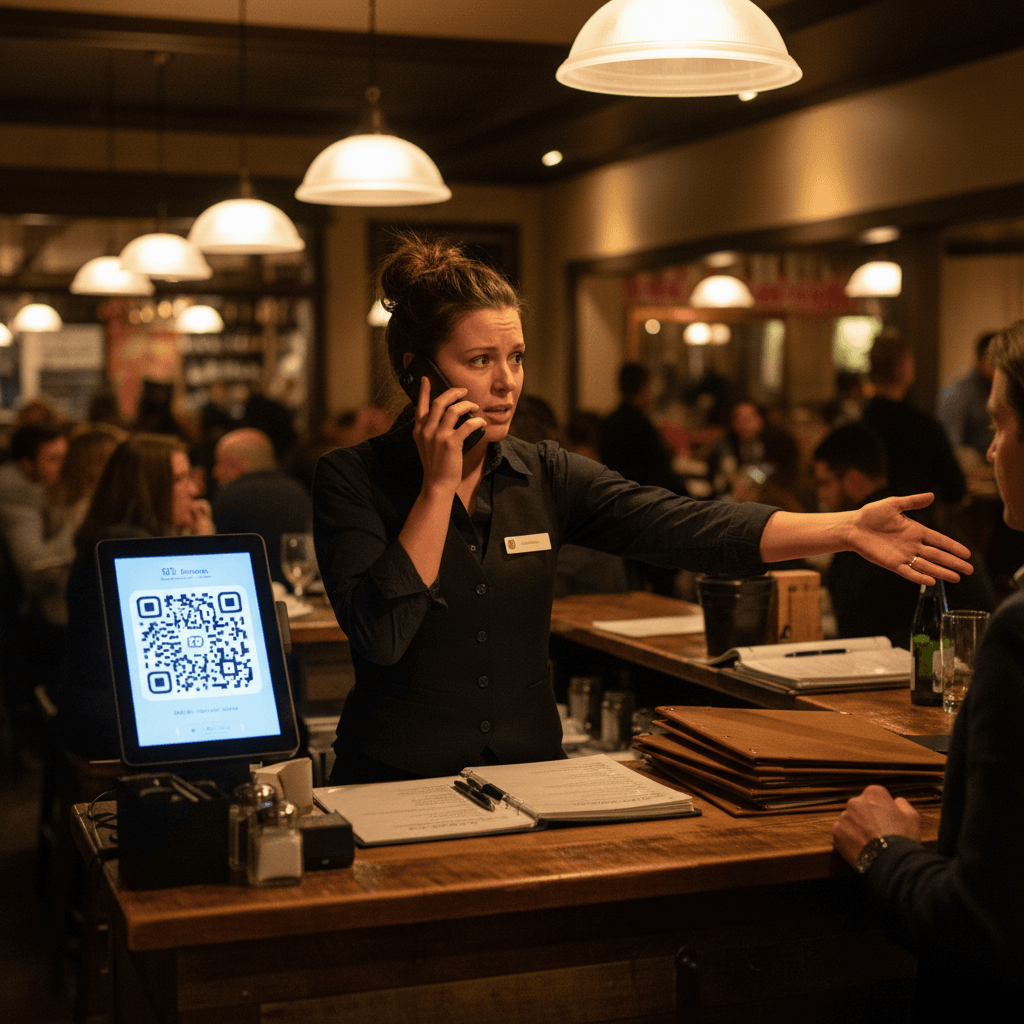
The problem isn't just a slow bartender. It's a broken system that collapses under pressure. You can see it every Friday at 11:15 PM when three servers crowd the service well with handwritten tickets. The bartender is making two mojitos while a line of customers stares at their phones, deciding if they should leave.
Three Bottlenecks Every Nightclub Faces
The hard truth nobody tells you: adding more bartenders often makes service slower, not faster. When you have three people behind one bar without clear zones, they bump into each other. They reach for the same bottle. They ask each other where the lime wedges went.
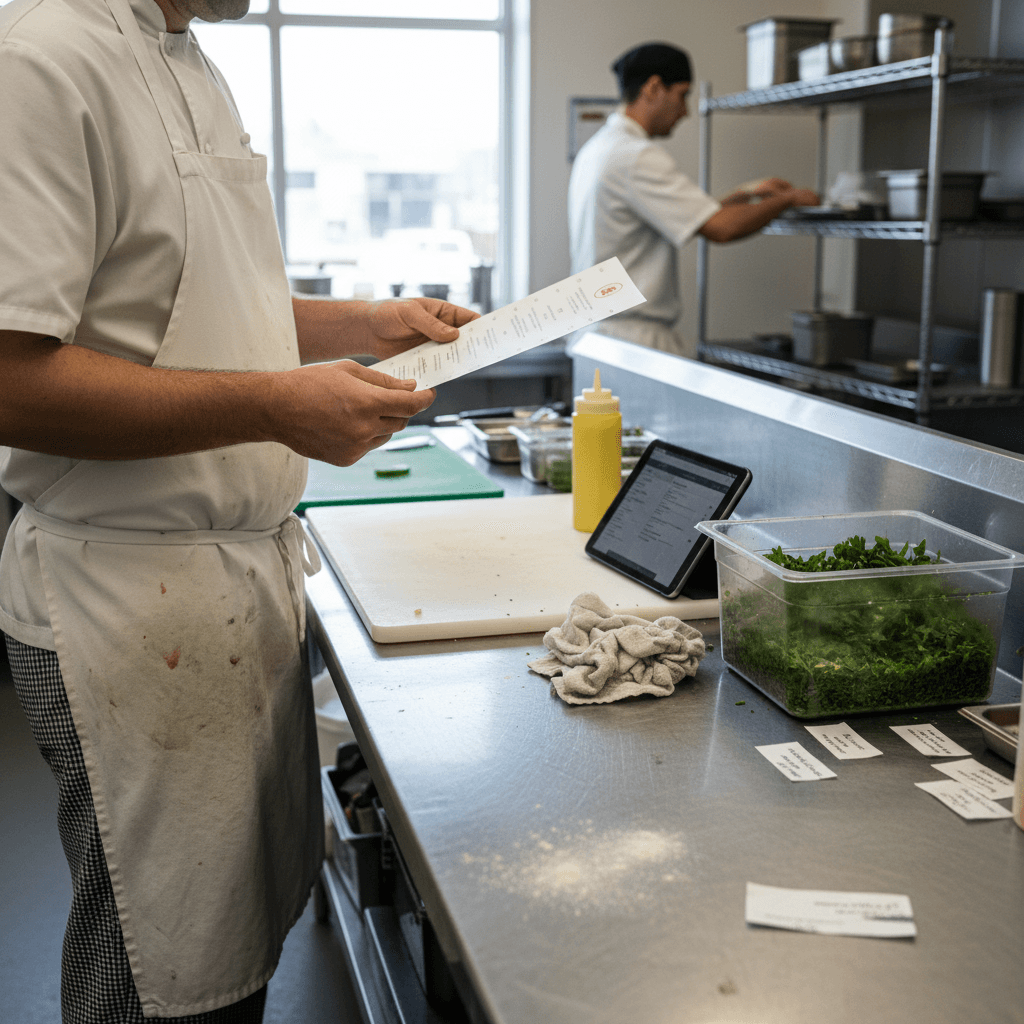
First bottleneck: ticket organization. In a loud club, your bartenders can't hear the expo call orders. They're looking at a pile of handwritten tickets that all look the same. Vodka soda, vodka soda, vodka soda - but which ticket goes with which customer?
Second bottleneck: station setup. Your well should have everything within arm's reach. If your bartender takes two steps to get simple syrup, that's two seconds times fifty drinks per hour. Do the math on lost time.
Third bottleneck: payment processing. The credit card machine that takes thirty seconds to process kills your flow. Cash is faster but comes with its own problems.
These bottlenecks multiply each other. A messy ticket system makes bartenders move more to check details. A poorly stocked well makes them search for ingredients while tickets pile up. Slow payments create a traffic jam at the register that backs up the entire line.
The 15-Second Drink Rule That Actually Works
Time every drink from ticket to handoff. If it takes more than fifteen seconds for a simple cocktail, something's wrong. This isn't about rushing - it's about eliminating wasted motion.
Create clear zones on your bar. Bartender A handles tickets 1-20 and makes all vodka drinks. Bartender B handles tickets 21-40 and makes all whiskey drinks. They don't cross into each other's space.
Pre-batch what you can during slow hours. That margarita mix should be ready to pour, not measured each time. Those garnish trays should be full before doors open.
The Rule: Every movement behind your bar must serve a purpose during peak hours. If a bartender turns around twice to make one gin and tonic, you've designed failure into your system.
Test this Monday afternoon when you're empty. Have your lead bartender make your top ten drinks while you time them. Then add three distractions - a server asking for change, another ticket arriving, a customer waving for attention. The difference between those two times shows you where your training needs work.
When Manual Systems Hit Their Limit
You can organize tickets better. You can train staff until they're perfect. But Friday night at 11 PM brings problems you can't solve with checklists.
Three servers hand tickets to one bartender at the same moment. The music is so loud nobody can hear anything. A regular customer wants their usual complicated drink that takes two minutes to make while ten people wait for simple orders.
Your best bartender calls in sick. The replacement doesn't know your system. Now you're back to chaos with handwritten tickets everywhere.
The real bottleneck isn't your staff - it's communication breakdown in impossible conditions. When everyone's shouting over music and lights are flashing, good systems fall apart.
This is where manual processes show their weakness. Paper tickets get lost behind bottles or soaked in spilled soda. Servers forget who ordered what when they're handling five tables at once. The bartender prioritizes the loudest customer, not the one who's been waiting longest.
What Comes After The Rush
Look at last Friday's numbers differently. Count how many people walked away from the bar without ordering. Track which hours had the longest wait times.
Your solution starts Monday afternoon when the club is empty. Walk behind your bar with a stopwatch. Time how long it takes to make your top five drinks without any pressure.
Then add one complication - pretend you have three tickets in front of you. Time it again.
The difference between those two times shows you where your system breaks down. Fix that gap first.
This is where digital tools enter the conversation after you've fixed the manual basics. Modern bar management systems automate the repetitive parts that fail under pressure - ticket organization, order routing, and payment processing become background operations rather than daily battles.
Taking the Next Step
Fixing your nightclub's service speed comes down to eliminating wasted motion and creating clear communication paths during impossible conditions. The logic is straightforward once you break it down into measurable steps.
If handwritten tickets and crowded service wells are costing you sales every weekend, view our pricing to see how digital ordering systems replace chaos with organized workflow during your busiest hours, then start a free trial to experience how automated ticket routing changes what's possible on Friday night at 11 PM when every second counts