Why Most Cross-Selling Training Fails
Servers hate pushy sales scripts. Learn 3 natural techniques that increase check averages without annoying guests.
The Silent Revenue Killer Every Shift
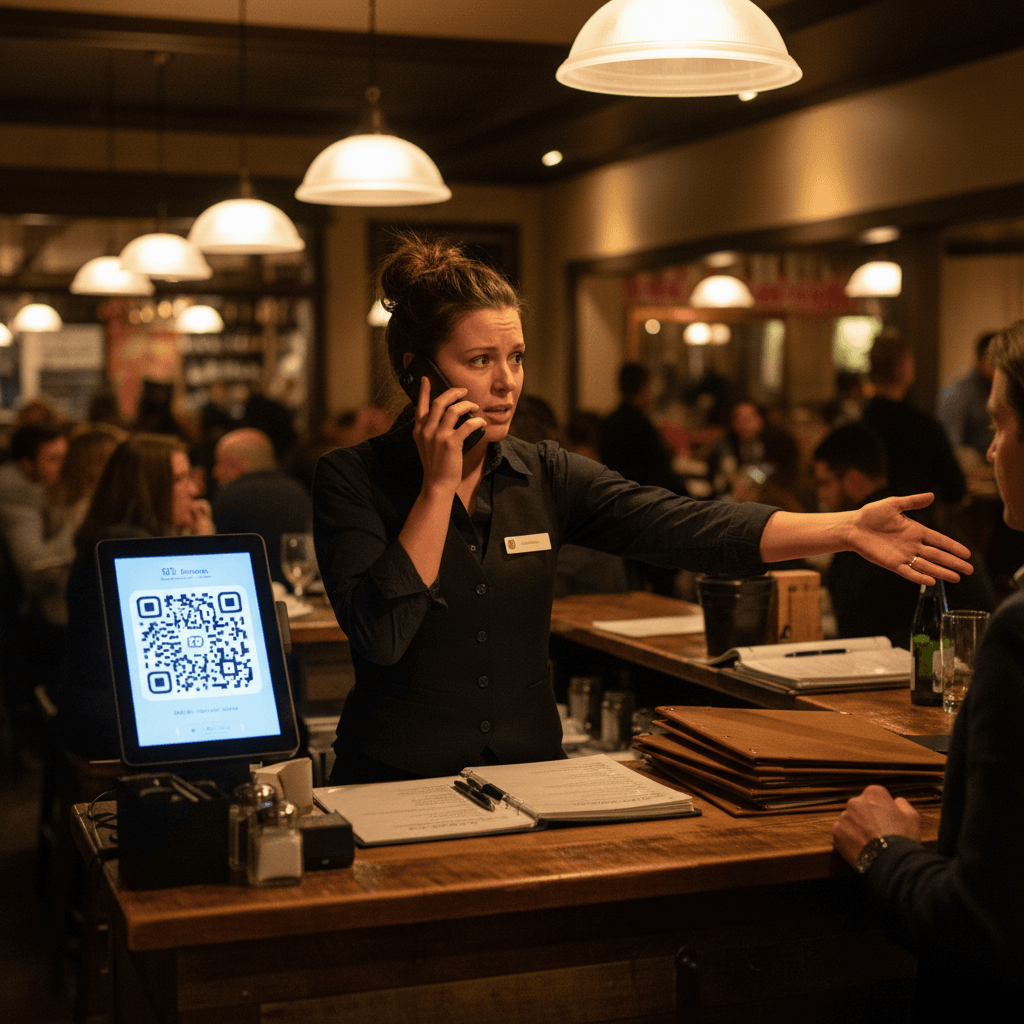
Friday night, 7:15 PM. Your best server, Sarah, is in the weeds. Table six just sat down. She drops menus and water, gives her standard greeting, and asks, "Are you ready to order?" They say yes. She takes their entree orders for two steaks and a chicken dish. No appetizers. No cocktails. No dessert suggestions later. The table spends $120 and leaves. That table should have spent $150. Why Most Cross-Selling Training Fails is because the pressure of a busy shift erases every pre-shift meeting. Guests feel a scripted upsell. Servers feel awkward pushing add-ons. And you lose real money - not theoretical profit, but cash that should be in your register at the end of the night.
This isn't about being greedy. It's about missing the natural rhythm of good service. A family celebrating a birthday wants to be guided toward the special dessert. A couple on a date might love to hear about the perfect wine pairing. When servers default to order-taking instead of guiding, everyone loses. The guest misses a better experience. The server misses a bigger tip. You miss the revenue that keeps your doors open. This specific pain point is part of a larger system for building a healthier business, which we break down in Restaurant Sales Growth: Practical Strategies.
The loss is quiet but constant. Think about your last busy Saturday. How many tables ordered just entrees and water? For each of those tables, you left $8 to $15 on the table. That's one appetizer, one extra cocktail, or one shared dessert. Multiply that by 50 tables on a weekend night. Suddenly, you're looking at $400 to $750 in lost contribution margin - money left after food cost - that never made it to your bottom line. That's not a marketing problem. It's an operational habit that breaks during rush hour.
Three Phrases That Work Better Than Scripts
Forget laminated cards with forced suggestions. The hard truth: guests can smell a script from three tables away. Instead, teach servers to connect dishes naturally.
Example one: "The kitchen just pulled fresh bread for our baked brie - perfect for sharing while you look over the menu." This works because it's true (the bread is fresh), it's helpful (it gives them something to do), and it's low-pressure (it's for sharing). You're not selling an appetizer; you're solving the "we're hungry now" problem.
Example two: "Our bartender created a cocktail that pairs beautifully with the salmon - want me to bring one for you to try?" This works because it's specific (ties to their entree choice), it's expert-driven (the bartender created it), and it's an offer to try, not an order to buy. You're enhancing their meal, not adding a line item.
Example three: "Several tables have been adding the truffle fries as a side with the burger tonight." This works because it uses social proof (other people are doing it), it's casual ("adding" not "ordering"), and it creates a complete picture (burger + fries). You're making a normal recommendation, not a sales pitch.
The Rule: Every suggestion must be anchored in something real happening in your restaurant right now - fresh product, staff creation, or current guest behavior. When it's authentic, it stops being sales and starts being service.
When Training Doesn't Stick Past Tuesday
You run the perfect pre-shift demo on Wednesday afternoon. Servers nod along. You role-play the three phrases. Everyone seems to get it. Then Friday rush hits at 6:30 PM. Three tables sit down at once. The expo station is calling two orders back. Sarah has five drinks to make. And every server reverts to "Are you ready to order?" The bottleneck isn't knowledge - everyone knows what to say. The bottleneck is muscle memory under pressure.
Training fails when it exists only in the calm before the storm. Your team needs systems that work when chaos is the norm, not the exception. This means designing for the crash, not for the quiet Tuesday lunch shift.
Think about what actually happens during peak service. Servers have 45 seconds of face time with a new table before they need to move to their other six tasks. In that window, they must greet, assess the mood, drop water, and suggest something without sounding robotic. If your training requires them to remember five bullet points from a handout, they will fail every time. You need one simple trigger that works automatically.
Making Suggestions Second Nature
Start with one item per shift for two weeks. Not ten items forever.
Pick your highest-margin appetizer or signature cocktail - the one where you make the most money after food cost. On Monday pre-shift, brief servers on exactly why guests love it right now. Be specific: "The heirloom tomatoes in our caprese are at peak season this week - they're incredibly sweet." Or "We just got a special batch of local gin for our cucumber martini - the distiller dropped it off yesterday."
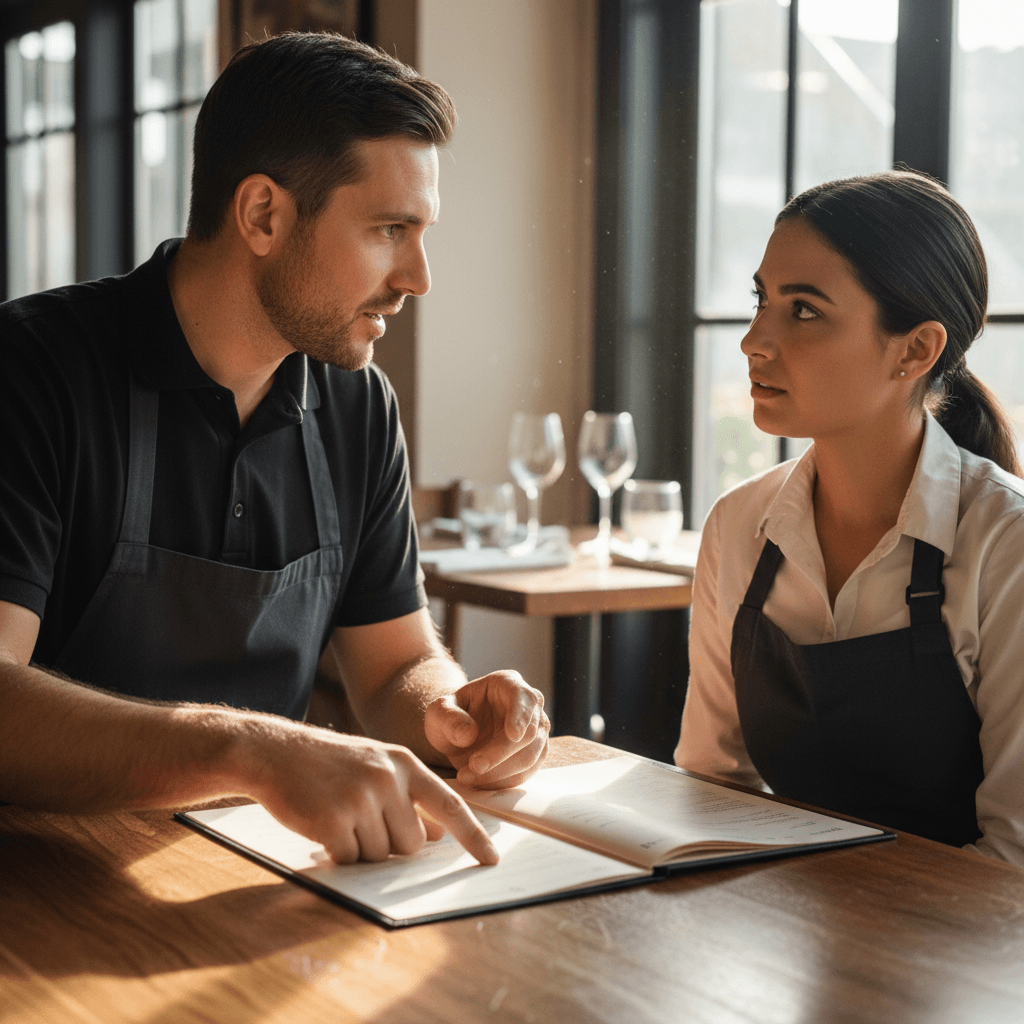
Then role-play two scenarios for 90 seconds each.
Scenario one: The guest asks for recommendations. Scenario two: The guest does not ask for recommendations.
In both cases, servers practice weaving the specific reason into their natural speech pattern. "The kitchen is highlighting our caprese salad this week because the heirloom tomatoes are at peak season - they're incredibly sweet right now." "While you look over the cocktail menu, our bartender is featuring a cucumber martini with a special local gin we just got in."
Track which servers use the suggestion naturally during service - not who forces it awkwardly into every interaction. Celebrate those who get it right without sounding salesy. Give immediate feedback after a table leaves: "Sarah, that was perfect how you mentioned the fresh bread with the brie when they were looking at their phones waiting." Within two weeks, talking about one featured item becomes how your team describes food and drinks. It stops being an add-on script and starts being their genuine voice.
The Rule: Master one natural suggestion before adding a second. Depth beats breadth every time in building service habits.
This manual approach builds skill. But maintaining consistency across every server on every shift requires discipline and constant reinforcement. Modern digital tools can help automate parts of this workflow. Point-of-sale prompts can remind servers of daily features based on real-time inventory. Tablet menus can highlight seasonal items with chef notes visible to guests. These systems handle the repetitive memory work so your team can focus on authentic delivery.
Taking the Next Step
The shift from forced selling to natural suggestion is practical. The logic is clear: guests respond better to authentic guidance than scripted prompts. Your revenue increases when service improves.
To implement this consistently across your team, view our pricing for tools that support this training approach, or start a free trial to see how digital reminders can help your servers make better suggestions during next Friday's rush