Why Menu Updates Break Multi-Location Restaurants
Changing one menu item shouldn't mean hours of manual updates across locations. Learn how to sync menus instantly and avoid service breakdowns.
The Friday Night Menu Disaster
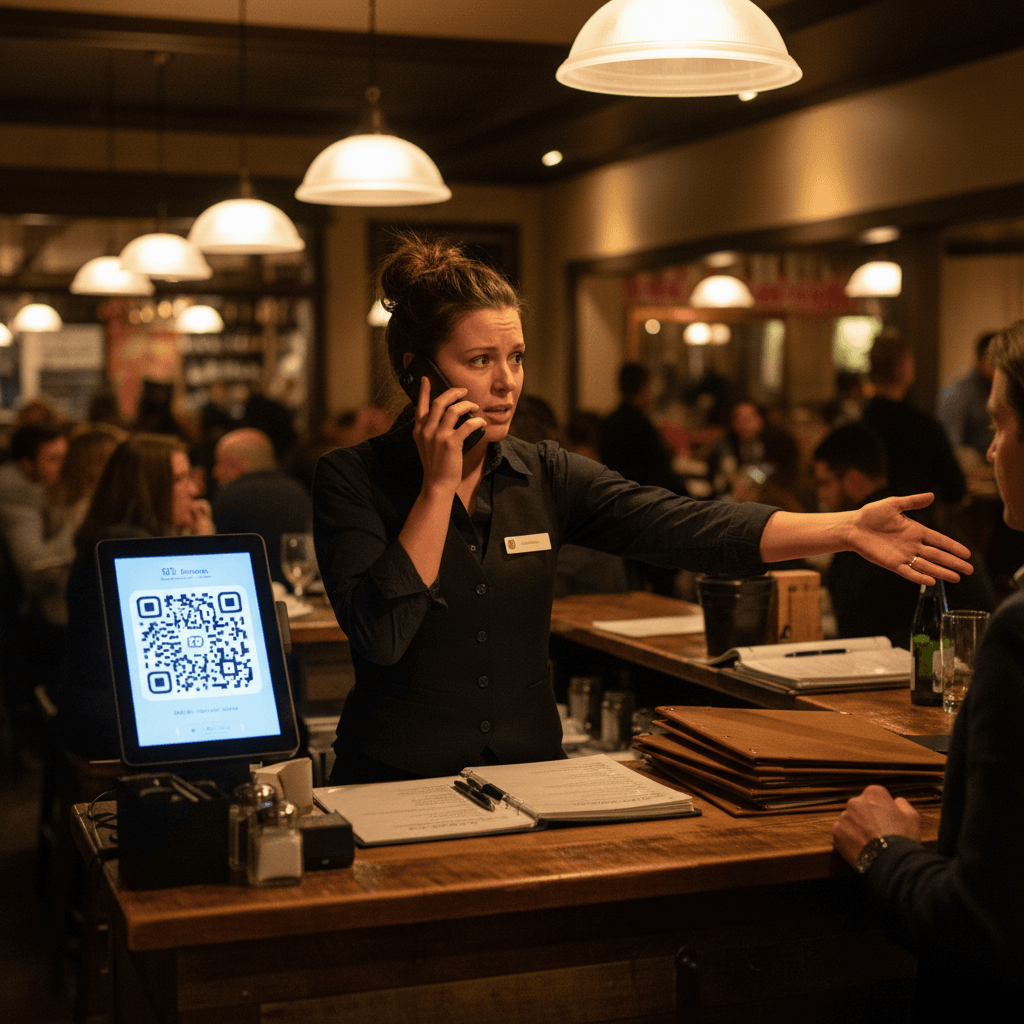
Picture this: Your downtown location runs out of salmon at 7 PM on Friday. You update their menu to 86 the salmon special. But your suburban location still shows it on their QR code menu. Servers keep selling it for another hour before someone catches the mistake. Now you have angry customers, wasted kitchen time, and refunds hitting your bottom line.
This happens because most restaurants treat each location like a separate business when it comes to menus. You're running three different operations with three different sets of problems. Why Menu Updates Break Multi-Location Restaurants is a daily reality when your systems can't keep pace with service demands. This specific breakdown is part of a larger pattern we explore in When Your Second Location Breaks Your First, which details how scaling introduces predictable failures that hurt profitability.
The core issue is timing. Critical menu changes happen during service, when everyone is focused on customers. Your downtown manager is handling a packed dining room, not updating spreadsheets. Meanwhile, servers at your other locations are working from outdated information.
The Manual Sync That Never Works
The industry standard advice is simple: create a master spreadsheet and update every location manually. This sounds reasonable until you're in the middle of service.
Here's the hard truth: Your best server is your worst menu updater. The people who know what needs changing are too busy serving customers to update spreadsheets. They see the salmon run out at table seven, but they have three more tables waiting for drinks.
You try designating one person - maybe a manager or assistant manager - to handle all menu updates. But then you face the Friday night problem again: that person is busy managing the rush when critical updates need to happen. They're dealing with a kitchen backup or an unhappy guest, not exporting PDFs.
The manual process breaks down in predictable ways:
- Price changes get delayed because someone forgot to update the PDF
- Seasonal items stay on menus past their season
- Specials that sell out downtown still show available in the suburbs
- Typos and errors multiply across locations
Each mistake costs money. A price change delayed by one week across three locations means you're losing margin on every sale. A seasonal item that stays on the menu forces your kitchen to prep ingredients you shouldn't have ordered.
When One Update Becomes Ten Hours of Work
Let's do the math on a simple menu change. You want to add a new burger across three locations:
- Update the master spreadsheet (15 minutes)
- Export three different PDFs (5 minutes each)
- Email PDFs to three different managers (5 minutes)
- Wait for managers to print and replace menus (varies)
- Update three different QR codes (10 minutes each)
- Test each location's menu (5 minutes each)
- Fix any formatting issues that appear differently (15-30 minutes)
That's 90 minutes of focused work if everything goes perfectly. In reality, it takes 3-4 hours spread across multiple days because people are busy with service.
Now multiply that by weekly specials, seasonal changes, price adjustments, and inventory-driven updates. You're looking at 10-15 hours per month just keeping menus consistent.
The Rule: Any menu update process that requires more than five minutes per location will fail during busy periods.
Think about what happens during those hours of manual work. Your manager is sitting at a computer instead of walking the floor. Your servers are dealing with customer confusion about why the menu says one thing but the kitchen can't make it. Your cooks are prepping items that won't sell or running out of items that are selling too fast.
The cost isn't just time - it's customer trust. When someone orders something you can't make, they don't care about your spreadsheet problems. They care that their experience was broken.
The Instant Sync Solution That Actually Works During Service
The solution isn't more spreadsheets or better processes. It's eliminating the manual work entirely.
Imagine this instead: Your downtown location runs out of salmon at 7 PM Friday. The manager taps "86 salmon" on their tablet. Instantly, every location's digital menu updates - QR codes, public links, everything. No emails, no PDFs, no waiting.
The suburban location's servers see the change immediately when they scan tables for orders. The kitchen doesn't waste time prepping for orders that can't be fulfilled. Customers never order something you don't have.
This isn't futuristic technology - it's available right now with systems designed for multi-location operations.
The key is finding software that treats your restaurants as one business with multiple front doors, not separate businesses sharing a name.
Modern digital menu platforms solve the timing problem by letting updates happen exactly when they need to - during service, by the people who see the problem first. Your server who notices the salmon running low can flag it immediately. Your manager who gets a price increase notification from a supplier can update costs before the next order goes out.
These systems work because they match how restaurants actually operate: fast decisions made by people on the floor, not careful planning done in quiet offices.
Taking the Next Step
Menu synchronization stops being a theoretical problem and becomes a practical reality when you connect updates directly to service moments. The logic is clear: information should flow as quickly as customers do between your locations.
Test this approach during your next slow period by timing how long it takes to communicate one change across all your restaurants versus how quickly that change needs to happen during dinner rush. That gap represents real costs in waste, refunds, and customer frustration that digital synchronization eliminates completely.
To implement this shift without disrupting your current operations, view our pricing for multi-location solutions designed around restaurant workflows, then start a free trial during your next quiet Tuesday to experience instant menu updates without changing how your team works during peak hours.