Why District Managers Fail at 3 Locations
District managers drown in details when scaling beyond two restaurants. Learn which three responsibilities matter most and which to delegate immediately.
The Paperwork Tsunami That Sinks Multi-Unit Managers
Why District Managers Fail at 3 Locations is a story that starts at 7:45 AM on a Tuesday. You're sitting in your car outside Location A, trying to reconcile yesterday's sales report with the cash deposit slip. Your phone buzzes - the manager at Location B needs you to approve an overtime request because their schedule software crashed. Location C's chef just texted a photo of a walk-in cooler thermometer reading 48 degrees. You haven't stepped foot in a dining room yet, but your day is already over.
This is the moment you stop being a restaurant operator and start being a paperwork processor. The daily sales reports from Location A don't match the inventory counts from Location B. Location C's labor schedule conflicts with their projected covers. You spend your mornings reconciling spreadsheets instead of walking dining rooms during prep when you could actually spot problems. The manual systems that worked for one or two locations become impossible at three. You're not managing restaurants anymore - you're managing data entry errors.
This connects directly to the systemic breakdown we explore in When Your Second Location Breaks Your First, which shows how scaling multiplies every small process flaw into a major operational crisis.
The Rule: If you spend more than thirty minutes each morning collecting numbers from your locations before 10 AM, your system is broken. That time should be spent tasting sauces, checking plate presentations, and talking to opening staff about last night's service.
The Three Non-Negotiables: Food Cost, Labor Percentage, Guest Experience
Hard Truth: Stop trying to manage people across locations. Start managing their systems instead. Your job isn't to fix every broken printer or mediate every staff conflict. Your job is to ensure each location's food cost stays within 2% of target, labor runs at 22% or lower on weekdays, and guest satisfaction scores don't dip below 4.2 stars. Everything else is noise.
Food cost percentage is what you spend on ingredients divided by what you sell them for. A location selling $10,000 in food with $3,000 in food cost has a 30% food cost. If your target is 28%, that location is bleeding $200 daily in food waste or theft. Labor percentage works the same way - total labor dollars divided by total sales. A Friday night with $8,000 in sales and $2,400 in labor costs hits exactly 30%. That's acceptable for a weekend. That same percentage on a Tuesday lunch means you're overstaffed.
Teach your managers to send you three numbers every morning by 9 AM: yesterday's food cost percentage, labor percentage, and any guest complaints that need escalation. Use a simple text thread or shared document. If those numbers are green, you don't call them until your weekly walk-through. This creates predictable communication and forces managers to own their numbers.
The Rule: Your managers should know their food cost within 1% by noon each day. If they don't, their counting system is too complicated or they're not doing it daily.
When you focus on these three numbers, something remarkable happens. The manager at Location B stops calling you about server drama and starts calling about why their chicken cost jumped 15% this week. You shift from being a complaint department to being a profit protector. You'll discover that most "people problems" are actually system problems in disguise - poor scheduling creates stressed staff who make mistakes with guests.
When Your Best Systems Become Your Biggest Bottlenecks
The manual system works until your fourth location opens. Suddenly those morning reports take two hours instead of thirty minutes. You're comparing apples to oranges because Location A uses one POS system while Location B uses another. Your 'simple' three-number system now requires you to log into four different platforms before you've had your first coffee.
The spreadsheet that worked for two locations becomes unreadable for four. You start missing patterns because you're drowning in data entry instead of analyzing trends. You might notice Location C's food cost crept up 3% over three weeks, but you miss that it's specifically the seafood station running 8% over target because you're looking at aggregate numbers.
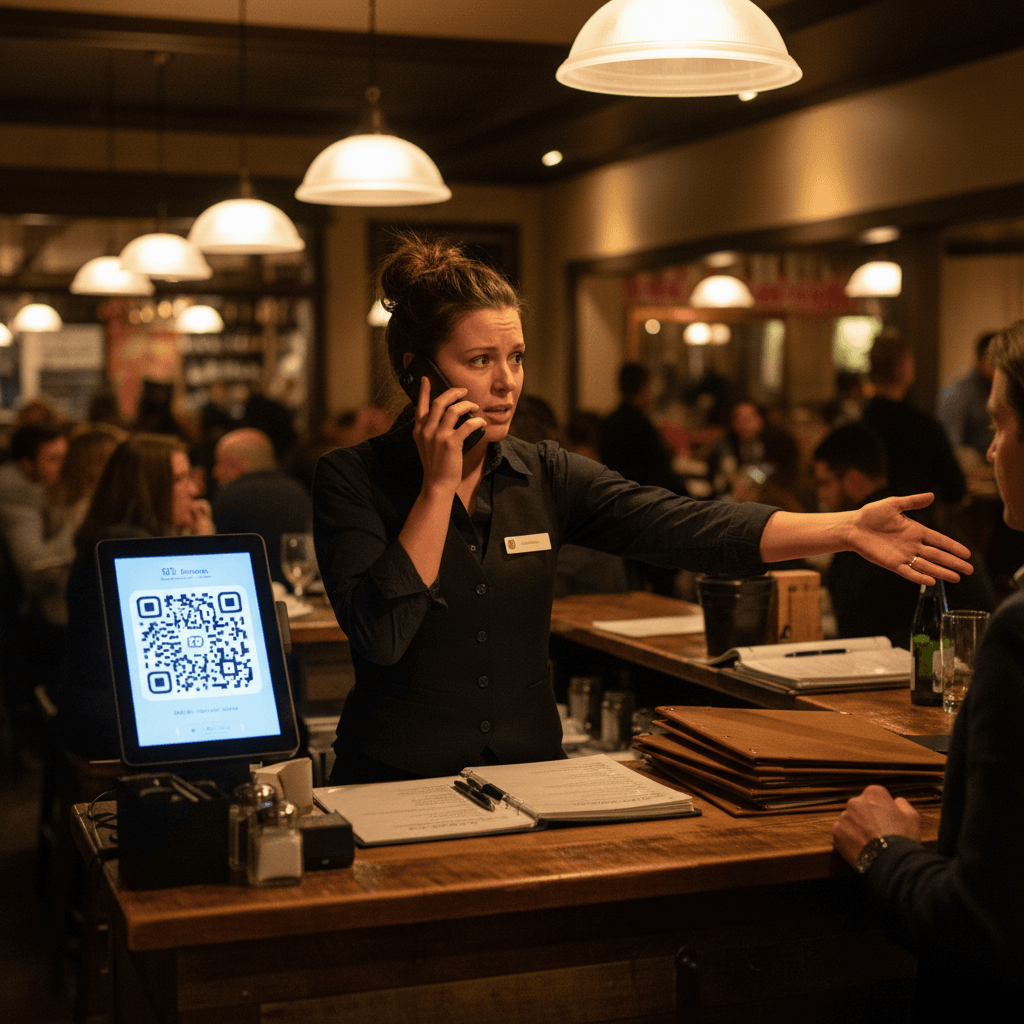
This bottleneck shows up during Friday dinner rush at 7 PM when all three locations are packed. You're supposed to be visiting Location A during their peak hour, but you're still at home trying to get Location B's labor report to export correctly so you can approve payroll by midnight. The real problems - the expo calling three orders at once, the server forgetting modifiers on three consecutive tickets - happen while you're stuck in spreadsheet hell.
The Rule: Any reporting system that requires manual data entry from more than two sources will fail at four locations. Human error increases exponentially with each additional copy-paste step.
Standardization becomes non-negotiable here. If Location A counts inventory on Monday mornings and Location B counts on Sunday nights, you're never comparing the same time periods. If one manager calculates food cost using beginning inventory and another uses ending inventory, your numbers are meaningless for comparison. This isn't about perfection - it's about creating consistency so you can spot real problems instead of system artifacts.
Building Your Escape Hatch From Daily Firefighting
Your goal isn't to work harder across more locations. It's to work smarter with less daily involvement. Start by standardizing one reporting system across all locations this month - even if it means running parallel systems temporarily. Pick one day of the week for inventory counts at all locations. Choose one method for calculating food cost - most operators use the simple formula: (Beginning Inventory + Purchases - Ending Inventory) ÷ Food Sales.
Next quarter, implement one inventory counting method that all managers can execute in under twenty minutes. This means organizing walk-ins the same way, using the same count sheets, and training everyone to count during the same slow period (Tuesday after lunch works for most restaurants). The twenty-minute limit forces simplicity - if counting takes longer, your storage is too complicated or your product list is too long.
Within six months, you should be spending less than thirty minutes daily on location data collection and more than two hours weekly visiting each restaurant during actual service hours. When you're physically present during Friday dinner rush instead of stuck in spreadsheets on Saturday morning, you'll see the real problems - and solutions - that spreadsheets can never show you.
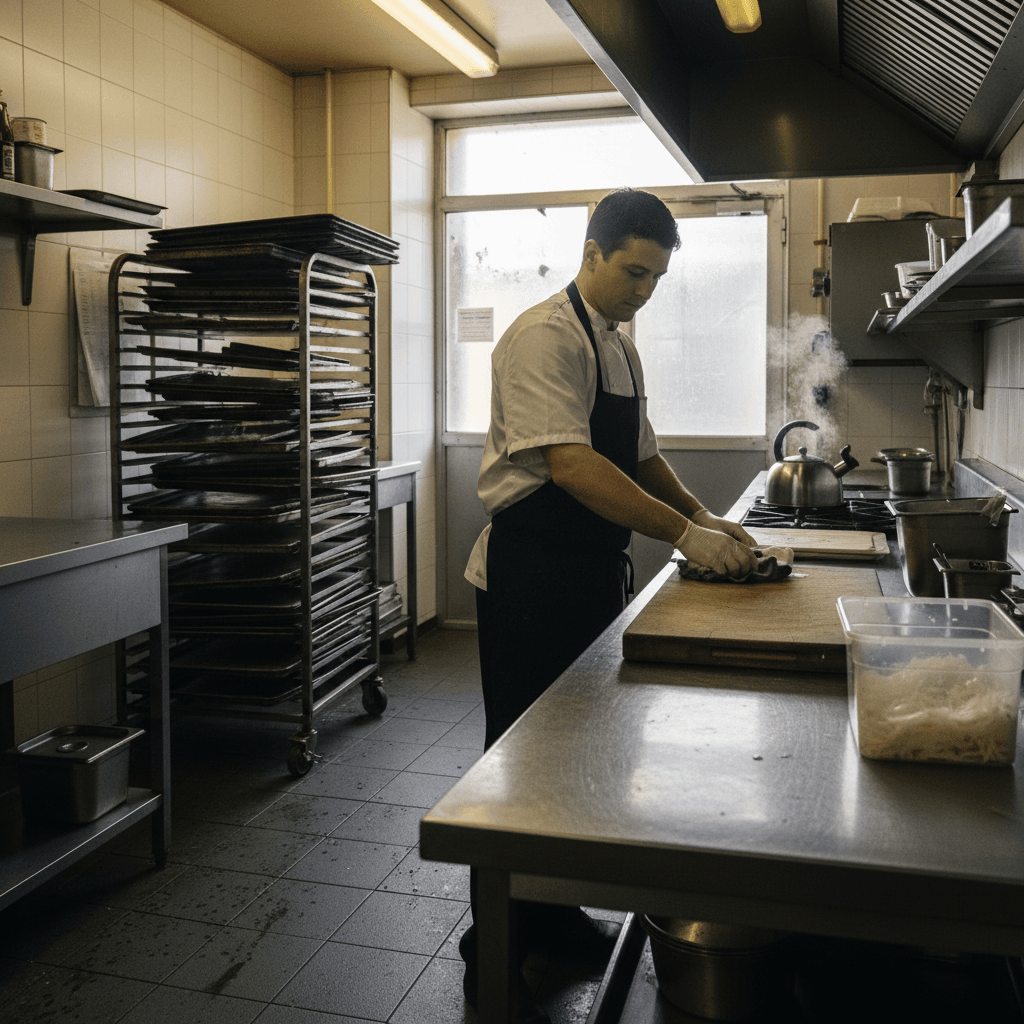
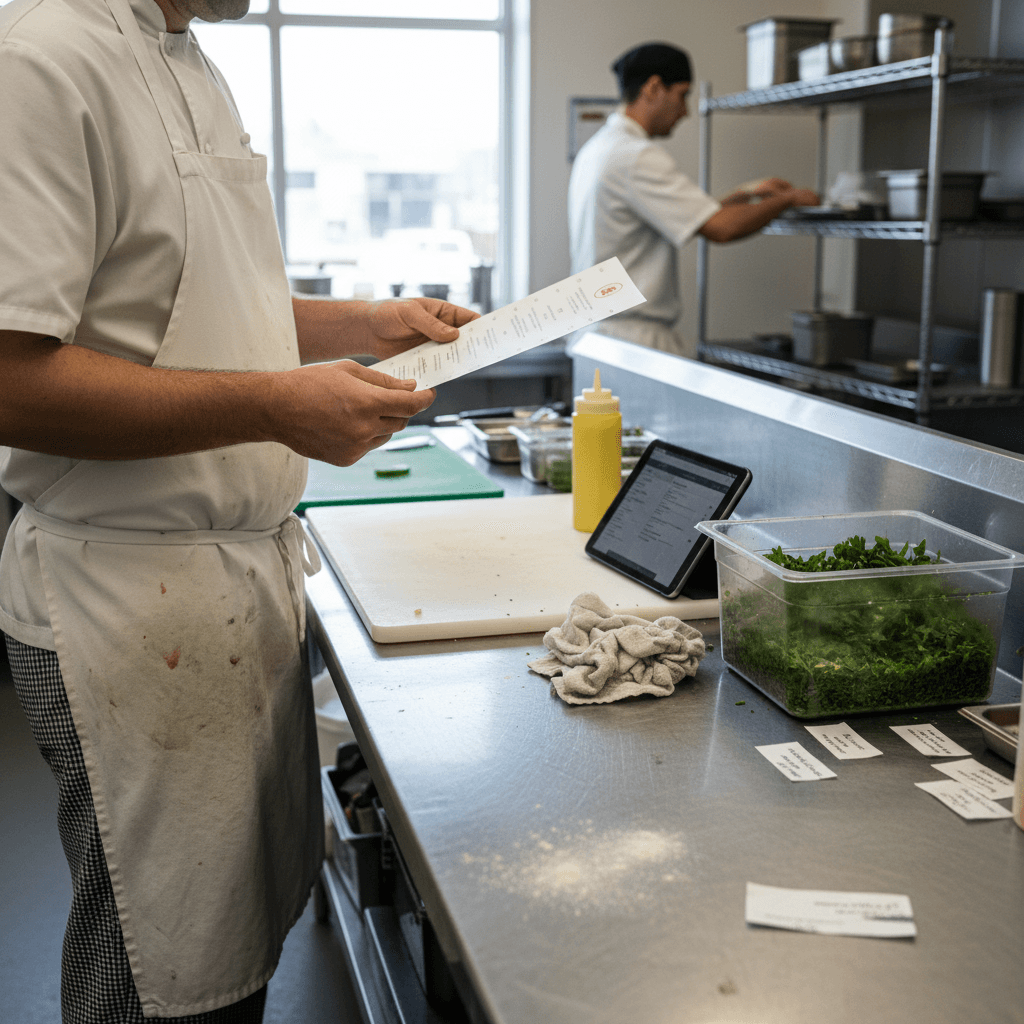
You'll watch how the sauté cook handles six tickets during the rush and realize why his station's food cost runs high - he's portioning by eye instead of using scales because the scale is buried under towels. You'll hear how servers explain menu items and understand why certain dishes get more modifications (and waste). This is where district management actually happens - on the floor during service, not in reports after the fact.
Modern digital tools can automate much of this data collection burden when you're ready to scale further. Kitchen display systems that track modifier frequency show exactly which customizations cost money. Digital inventory tools connected to your POS eliminate manual counting errors and give real-time food cost alerts when items run high. Scheduling platforms that integrate sales forecasts with labor targets prevent overstaffing before it happens.
These tools don't replace good management - they automate the repetitive parts so managers can focus on coaching staff and improving guest experience during actual service hours.
Taking the Next Step
Shifting from paperwork processor to multi-unit operator requires changing what you measure and when you measure it. The logic is clear: if you're buried in spreadsheets during service hours, you're missing the actual business happening on your floors.
The systems described here work immediately without new technology or major investment - they require only disciplined focus on three numbers and physical presence during service.
When manual processes become barriers rather than tools, modern restaurant platforms can automate the data collection that consumes morning hours. View our pricing to understand how digital tools scale with your growth. Start a free trial to experience automated reporting during your next busy weekend without changing your current operations