When Your Kitchen Goes Silent
Cooks waiting for information from servers kills speed during rush. Fix the communication gaps that stall your kitchen before Friday dinner.
The Silence That Stops Service
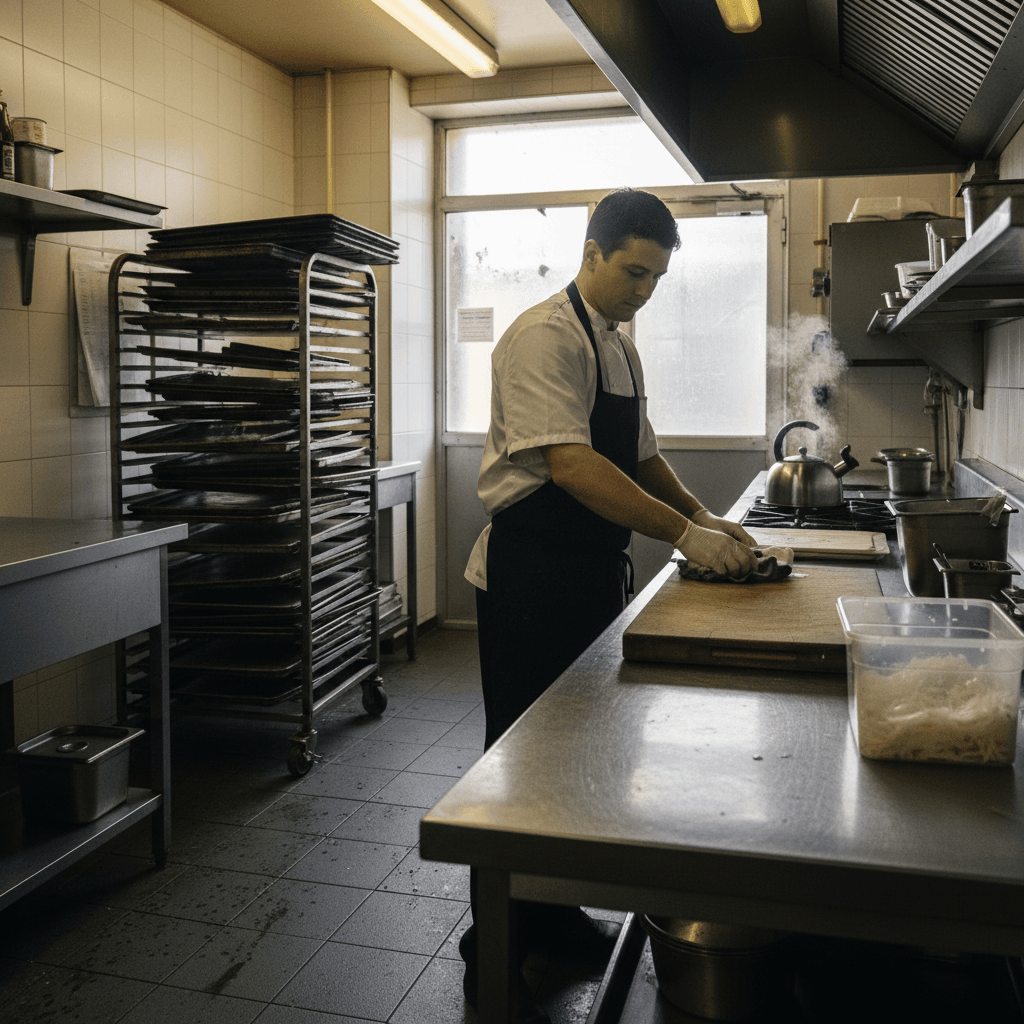
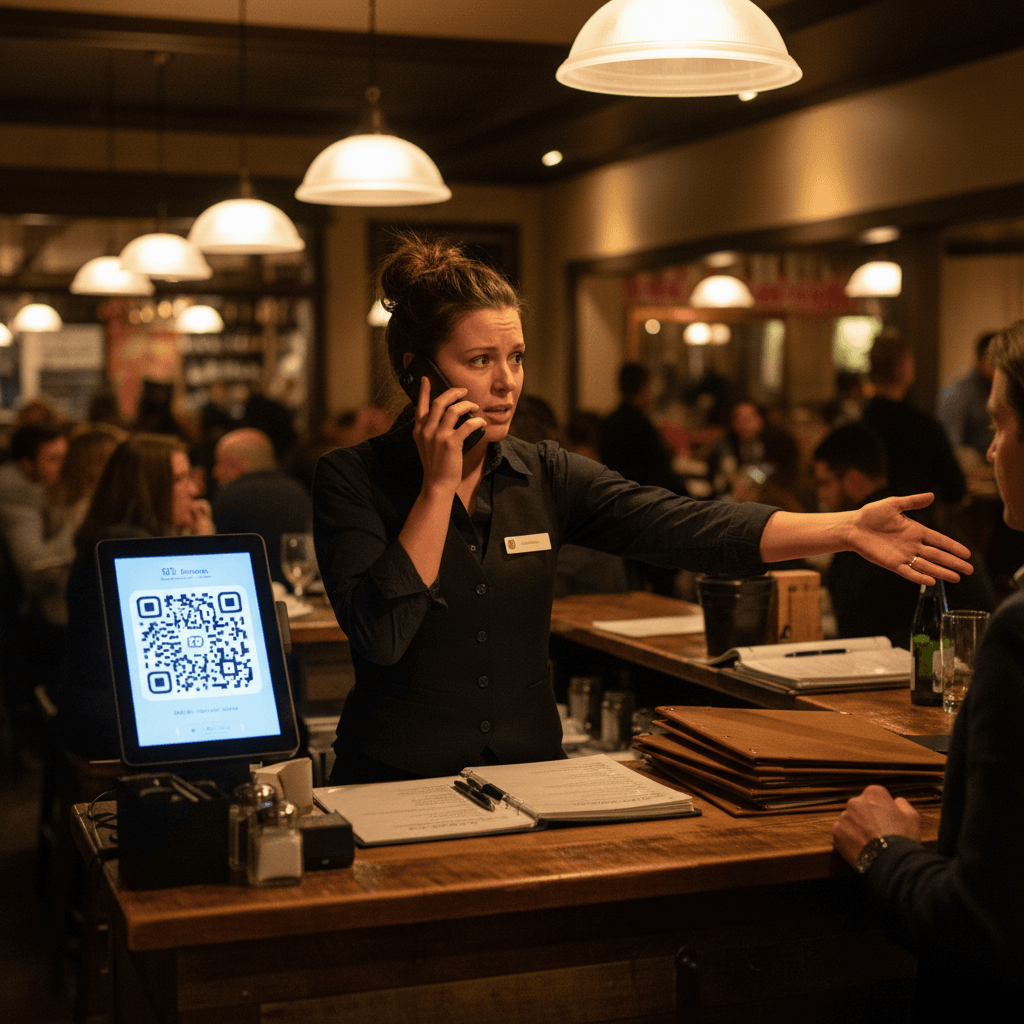
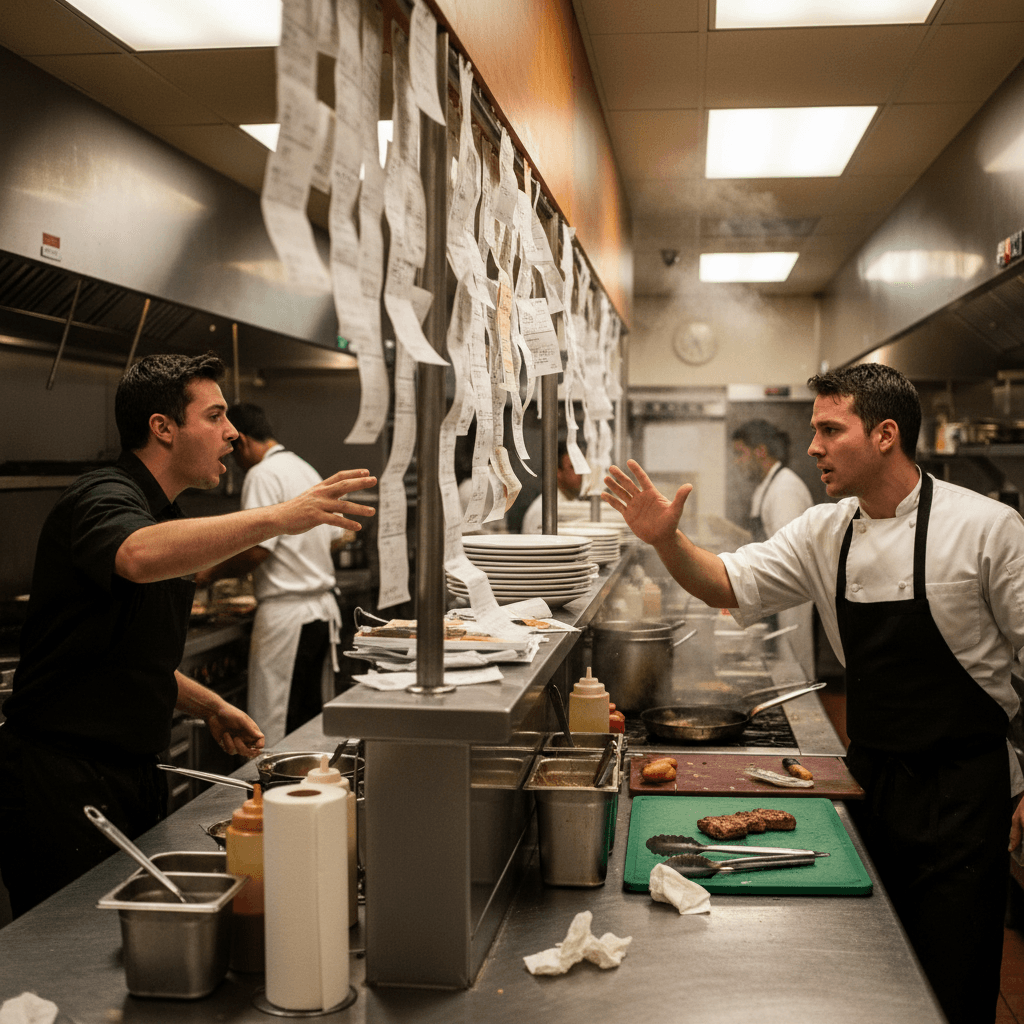
When Your Kitchen Goes Silent, you can feel the tension. It's Friday night dinner rush - three tables just sat, servers are taking drink orders, but the cooks are staring at blank tickets. They're not waiting for food to cook. They're waiting for information. The server hasn't given allergies yet. The special request box is empty. The expo calls for table 12's steak temperature three times with no response from the floor.
This isn't about volume. It's about information flow breaking down completely.
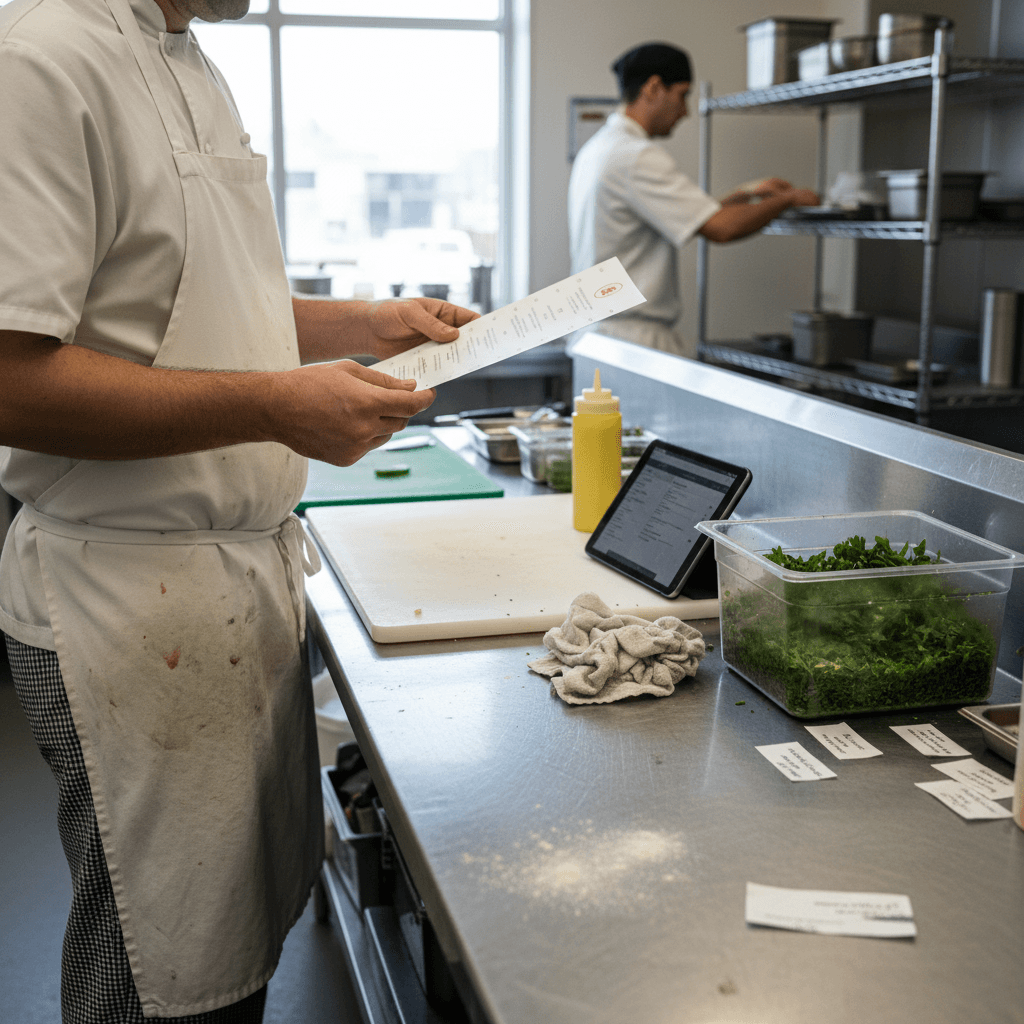
Watch what happens next. The server finally remembers the gluten-free substitution as plates are going up. The cook has to pull a finished dish back to remake it. Three other tickets are now backing up behind this one mistake. The expo is calling modifications that never got written down. Cooks are holding tickets waiting for clarification on "no onions" versus "light onions." This silent gap between what servers know and what cooks need kills your speed during peak hours.
This communication breakdown is one piece of a larger system problem we break down in Kitchen Speed: When Your Line Cooks Are Waiting, which shows how slow kitchens aren't about lazy cooks but broken workflows.
The real cost isn't just remade food. It's lost momentum when every minute counts. A two-minute delay on one table creates a five-minute backup for the next three tables. Servers get frustrated because food takes longer. Cooks get angry because they're working hard but not moving tickets. Guests notice the awkward silence where their food should be.
Stop Talking More, Listen Better
The silence happens because we try to fix it with more noise. Managers add more radio chatter. They extend pre-shift meetings. They tell everyone to "communicate better." This makes the problem worse during peak hours when everyone is already overwhelmed.
The Rule: More communication isn't better communication.
The manual fix creates specific information checkpoints instead of constant chatter. Server must give allergies before taking drink orders - not after, not during, not when they remember. Cooks must confirm special requests before firing protein. Expo must repeat back modifications exactly as heard, word for word.
Here's how this works in real time. Server approaches the pass between taking orders and says "Table 7 has dairy allergy on pasta" before returning to the floor. Cook marks that ticket with a red allergy clip immediately. When plating begins twenty minutes later, expo calls "Dairy allergy on table 7 pasta" as a final check.
Give your team specific drills they can practice. The 30-second allergy briefing at shift start where servers announce any known reservations with dietary restrictions. The modification confirmation loop where server tells expo, expo repeats it back, cook acknowledges with a nod. The "fire when ready" hand signal system for busy rushes - a simple thumbs-up from expo tells cooks to start cooking without verbal confirmation.
These checkpoints create predictable moments for information exchange instead of hoping someone remembers during chaos.
When Manual Systems Break Down
The bottleneck happens when you have three new servers training during Saturday lunch rush. Manual systems rely on perfect execution every time by every staff member, and people make mistakes when they're tired and busy.
Watch what fails specifically. The trainee forgets to mention the vegan substitution because they're overwhelmed with six tables all asking for water and bread at once. Expo misses a modification call because three tickets came up simultaneously and the printer is jamming. Cook fires a steak medium-rare instead of medium-well because the handwritten note was unclear and they didn't want to hold up the line asking.
The real cost compounds quickly. That remade steak isn't just food cost - it's the cook who could have been working on the next three tickets, the expo who now has to replate everything, the server who has to explain the delay to hungry guests, and the table that will likely receive their appetizers and entrees at the same time because timing is now completely off.
Manual systems work beautifully when executed perfectly. They fall apart under pressure, during staff turnover, or when multiple things go wrong at once - which is exactly when you need them most.
Building Communication That Lasts
Focus on creating systems that work when people are tired, stressed, and busy - not just when everything is calm and everyone is paying attention.
Start with one consistent handoff point between front and back of house. For most restaurants, this is the expo station during service hours. Everyone knows that if you have information for the kitchen, you give it to expo. If you need information from the kitchen, you ask expo first.
Create visual systems that don't rely on memory or perfect handwriting. Color-coded allergy clips that stay on tickets from printer to plating - red for dairy, green for gluten, blue for nuts. Modification flags that physically attach to plates or tickets so they don't get lost in translation between stations.
Train for failure scenarios explicitly during pre-shift meetings. What happens when expo is pulled away to help on the line? Who takes over communication duties? How do servers get urgent information to cooks without walking through the hot kitchen during rush? Designate a backup person and practice the handoff.
The goal isn't perfect communication every time - that's impossible during dinner rush with a full house and two call-outs. The goal is creating enough redundancy that one missed message doesn't stop the entire kitchen's momentum.
Build in automatic checks at natural breakpoints in your workflow. When a server puts in an order with modifications, the system should require them to confirm those modifications before sending to kitchen. When cooks fire a ticket with special requests, there should be a visual reminder at their station until that item is plated.
These systems create multiple opportunities to catch errors before they reach the guest.
Modern digital tools can automate much of this repetitive workflow once your manual processes are solid. Kitchen display systems show modifications directly on screens so cooks don't miss handwritten notes. Digital ordering platforms can flag allergies automatically and require servers to confirm special requests before sending orders through.
The technology doesn't replace good training - it supports it by removing points where human memory can fail during busy periods.
Taking the Next Step
Fixing kitchen silence starts with recognizing where information gets lost between your front and back of house during peak hours. The solutions are practical changes to how your team communicates at specific moments in service, not vague calls for "better teamwork."
When your manual systems are working smoothly, consider how digital tools might handle the repetitive parts of this workflow automatically during your busiest shifts.
If this breakdown sounds familiar in your operation, view our pricing for systems designed specifically for restaurant communication flow or start a free trial to see how automated checkpoints work during your next Friday night service