When Seasonal Tourists Disappear
Stop losing international guests between seasons. Learn how to track tourist patterns and build systems that keep them returning year after year.
The Guest Note System That Works
When seasonal tourists disappear, you're left with empty tables and a sinking feeling that you missed a connection. The server who chatted with that German couple about their hiking trip is now gone for the season. The host who remembered the Italian family's name is working at a ski resort. The connection you made over paella and wine evaporates when the plane takes off.
Here's the hard truth: collecting business cards doesn't work. Asking for email addresses at the register feels transactional. The real connection happens during dessert, when guests are relaxed and happy, telling stories about their day.
Train servers to collect three specific details during every international table visit: home city (not just country), remaining travel dates, and one memorable moment from their meal. Not "they're from Spain" but "Madrid, here until Friday, loved how the paella special reminded them of their grandmother's cooking."
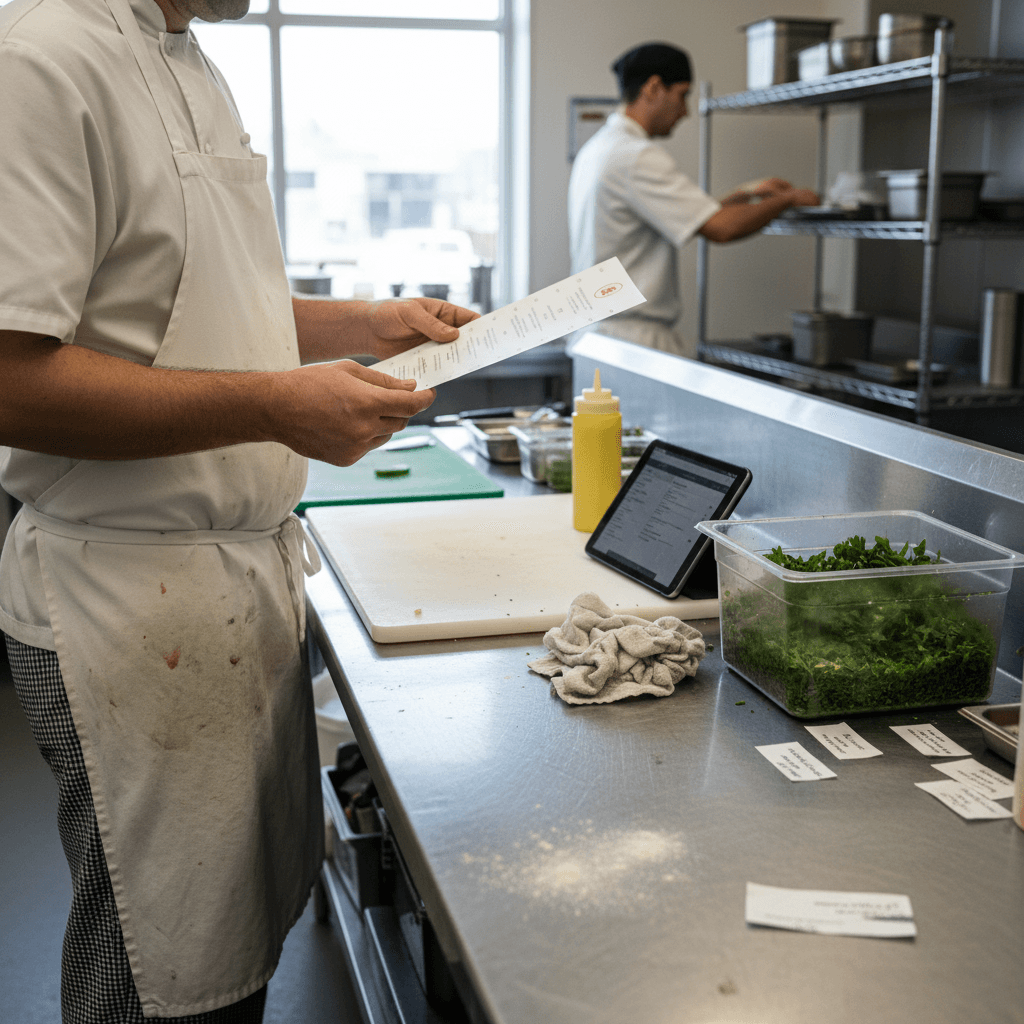
Write these notes on duplicate guest checks or a dedicated notebook that stays at the host stand. The server keeps one copy for follow-up tips, the restaurant keeps another for seasonal planning. This creates a living database of who visits when and what they enjoy. You'll start seeing patterns like "Italian families arrive third week of June" or "Australian backpackers prefer Tuesday night specials."
The Rule: Every international table gets three details recorded before they pay the bill. No exceptions.
This manual system connects directly to building year-round profitability with international guests, which we break down step-by-step in Turning Tourists Into Regulars: The Restaurant Guide. That guide shows how to turn these initial notes into a revenue stream that survives the offseason.
Why Paper Systems Fail When Seasons Change
The notebook system works beautifully until you have 500 guest notes scattered across three different books and your best server leaves for college. You know Mrs. Schmidt from Berlin loves window table seven, but your new host doesn't recognize her name when she calls for a reservation.
Seasonal planning becomes guesswork instead of data-driven decisions. You're trying to remember last year's patterns while managing this year's Friday night rush. The bottleneck hits hardest during shoulder seasons - those quiet weeks between peak tourist months when you need every advantage to fill seats.
You have the information somewhere in those notebooks, but finding it takes longer than cooking a medium-rare steak. Was it the French couple who loved the duck confit or the Swiss family who ordered extra pommes frites? The notes exist, but they're buried under coffee stains and last month's specials.
Paper systems fail because they don't scale with staff turnover. Your institutional memory walks out the door with every departing employee. The connection you worked so hard to build during service gets lost in translation between seasons.
Building Year-Round Relationships
The solution isn't more paper or complicated software. It's turning those guest notes into actionable intelligence that survives staff changes and season shifts.
Start by designating one person each week - maybe your Tuesday lunch manager - to review all international guest notes from the previous seven days. They enter key details into a simple spreadsheet: nationality, visit date, favorite dishes, special requests, and travel dates if mentioned.
Use this data to plan next season's promotions with surgical precision. If you know British guests arrive in September craving proper Sunday roasts, schedule your roast specials for September Sundays, not August Fridays. If French families book weeks in advance for August, open your August reservations on June 1st instead of July 15th.
Create simple email templates for different nationalities that reference their previous visit specifically. "We remember you enjoyed our paella last summer when you visited from Madrid" works ten times better than generic "come back soon" messages sent to everyone.
The goal isn't complex CRM software with features you'll never use. It's taking the genuine connection you made during service - over that second bottle of wine when they told you about their anniversary - and extending it through the offseason so guests remember your restaurant when they plan next year's trip.
When tourists become regulars who visit every season, you stop worrying about empty tables in October. You're already emailing them in February about your spring menu tasting. You're planning staff schedules around their confirmed August reservations instead of hoping walk-ins show up.
From Manual Process to Consistent System
Manual systems require discipline that gets tested during busy seasons. When you're triple-seated on a Saturday night, writing detailed notes feels like one more task slowing down table turns.
This is where digital tools designed for restaurants can help without complicating what works. Modern guest management systems can capture those three key details servers already collect - nationality, travel dates, memorable moments - right at the table or during checkout. The information flows directly into your seasonal planning database instead of sitting in a notebook until someone has time to transcribe it.
The best systems work like your current paper process but without the transcription bottleneck. Servers still make the human connection during service. Managers still review patterns weekly. But the data organizes itself automatically, surviving staff changes and ready for next season's planning meetings.
Taking the Next Step
Tracking tourist patterns doesn't require complex technology or marketing degrees. It starts with training servers to capture three specific details and creating a simple weekly review process that turns those notes into next season's reservations.
The logic is clear: guests who feel remembered return. Guests who return fill seats during shoulder seasons. Full seats mean consistent revenue year-round instead of dramatic summer peaks and fall valleys.
If manual tracking feels sustainable now but you're concerned about scaling as your guest list grows, view our pricing for systems designed specifically for restaurants managing seasonal fluctuations. The most effective way to understand how digital tools can preserve your human connections is to start a free trial during your next shoulder season and see how automated tracking changes your offseason planning conversations.