When Pictures Sell More Than Words
Tourists don't read menus - they look at pictures. Learn how visual menus cut ordering time by 40% and turn confused travelers into confident customers.
The Language Barrier That Costs You Money
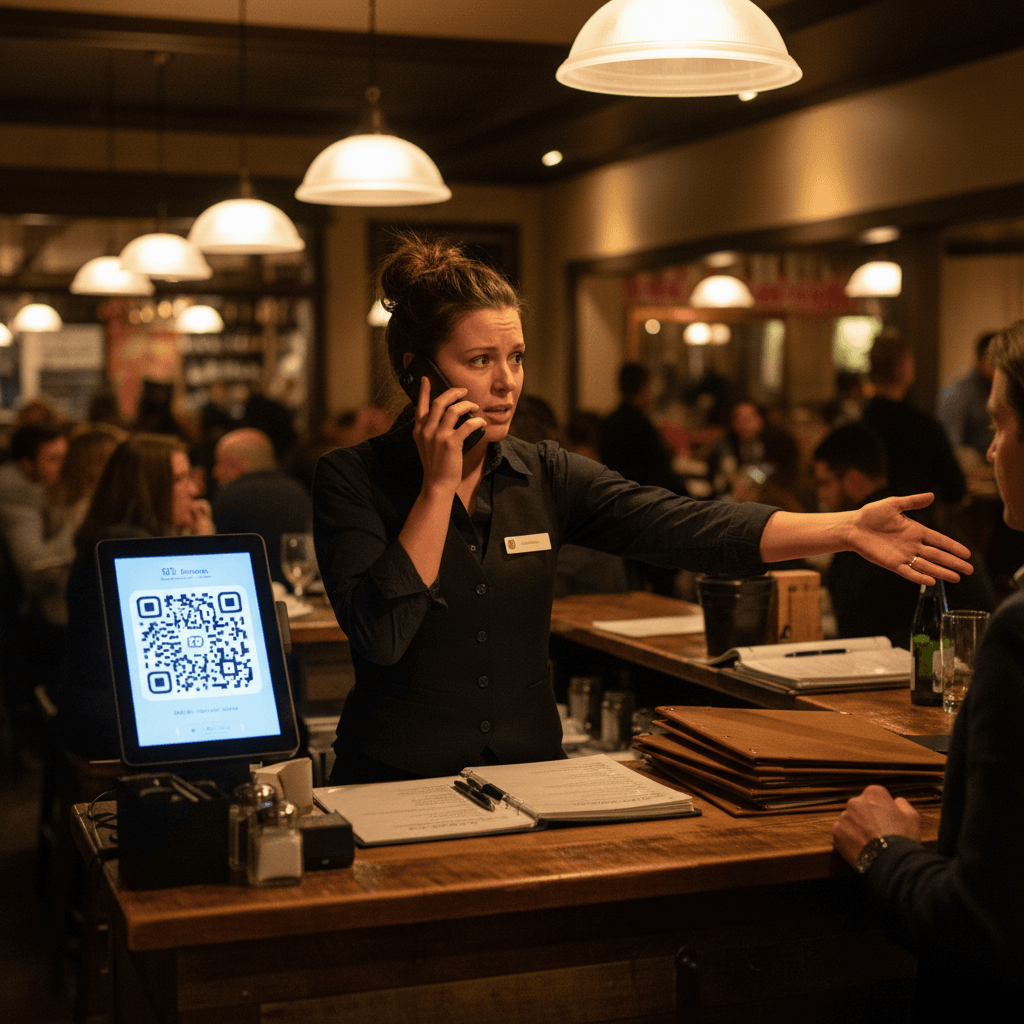
When pictures sell more than words, you see it on the floor every Friday night. A server stands at table seven, pointing at the menu while a family of four tourists looks confused. The father gestures at a dish name he cannot pronounce. The mother asks about ingredients she has never heard of. This takes three minutes of server time during peak rush, and it happens six times before eight PM. The table finally orders two chicken dishes and two pastas - the safest items they recognize. Your higher-margin specials and local specialties go unordered because the language barrier creates fear of a bad surprise.
This silent friction costs you real money. Tourists who cannot read your menu will default to familiar options every time. They skip the $32 seafood tower for the $18 chicken sandwich. They avoid the signature cocktail with local ingredients for a basic beer. Your average check drops, and table turnover slows as servers become translators instead of salespeople. This is one piece of a larger system for maximizing tourist revenue, which we break down in Turning Tourists Into Regulars: The Restaurant Guide. That guide shows how to build consistency that brings international guests back year after year.
The problem is not that tourists are picky. The problem is that your menu speaks a language they do not understand. Words like "confit," "carpaccio," or "mole" require cultural context they might not have. Even simple terms like "braised" or "seared" can cause hesitation if they have never seen the cooking method. Every moment of confusion is a moment your server is not taking another drink order or clearing another table.
Visual Menus That Actually Work
Here is the hard truth: adding random food photos makes things worse, not better. A blurry stock photo of lasagna tells a tourist nothing about portion size. A generic image of steak does not show thickness or doneness options. Your photos must answer the specific questions tourists have before they ask them.
Start with your three most confusing dishes for international guests. These are usually your signature items, chef specials, or local delicacies. Take photos during actual service plating, not during a staged photography session. Use natural kitchen lighting and your standard dinner plates. Show the dish from the customer's perspective - exactly what they will see when it arrives at their table.
The Rule: Every photo must include a common portion indicator. Place a fork next to the plate for scale. Show the dish on your standard dinner plate so tourists can judge size immediately. For shareable items, include text that says "serves 2-3" directly on the menu next to the photo.
Consider presentation details that matter to tourists. If your fish dish comes with the head on, show that in the photo so there are no surprises. If your burger is stacked high with toppings, make that clear visually. Tourists are not just buying food - they are buying an experience they can understand before committing.
Your visual menu should work like a silent server. It should answer these questions without requiring staff intervention: How big is it? What does it look like? What are the main ingredients? Is it shareable? A great photo reduces ordering time by forty percent because it eliminates back-and-forth questions.
The Friday Night Photo Problem
Now you have beautiful photos that help tourists order confidently. But here is what happens next: Your specials change daily. Your chef creates a new seasonal dish for summer. You run out of scallops on Saturday night and need to substitute shrimp. Suddenly your perfect visual menu is outdated, and you are back to explaining everything verbally.
Printing new menus costs money and time you do not have during tourist season. Digital screens require constant updates that someone forgets to do during the Friday dinner rush. You end up with servers carrying both the printed menu with pictures and verbal specials that contradict what tourists see.
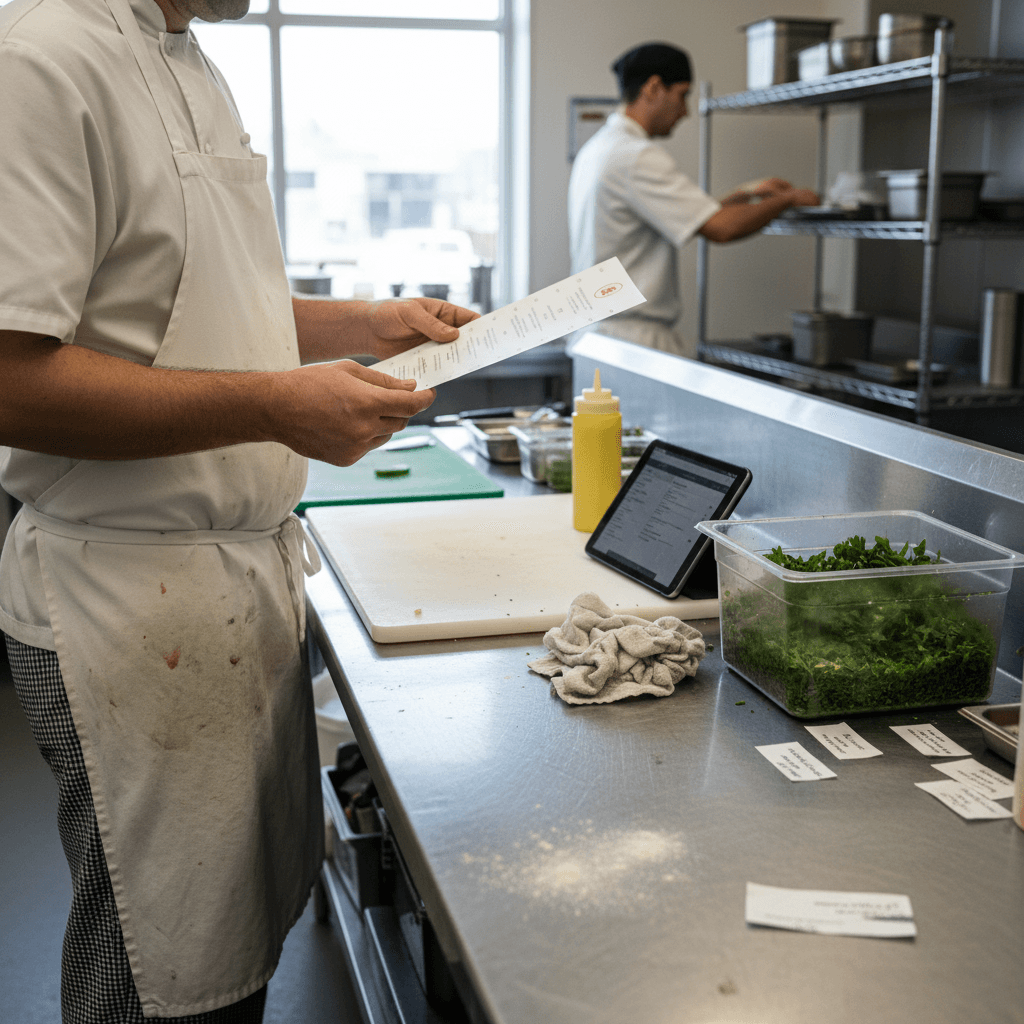
This creates confusion at the worst possible moment - when tables are full and servers are stretched thin. Tourists point at pictures that no longer match reality. Servers have to explain discrepancies between what is pictured and what is available. Kitchen tickets get modified mid-rush with substitutions that slow down the line.
The manual system breaks down because it cannot keep pace with kitchen reality. Your menu photos become historical artifacts rather than current representations. This erodes trust exactly when you need it most - with first-time visitors who may never return if they feel misled.
From Tourist Trap to Destination Restaurant
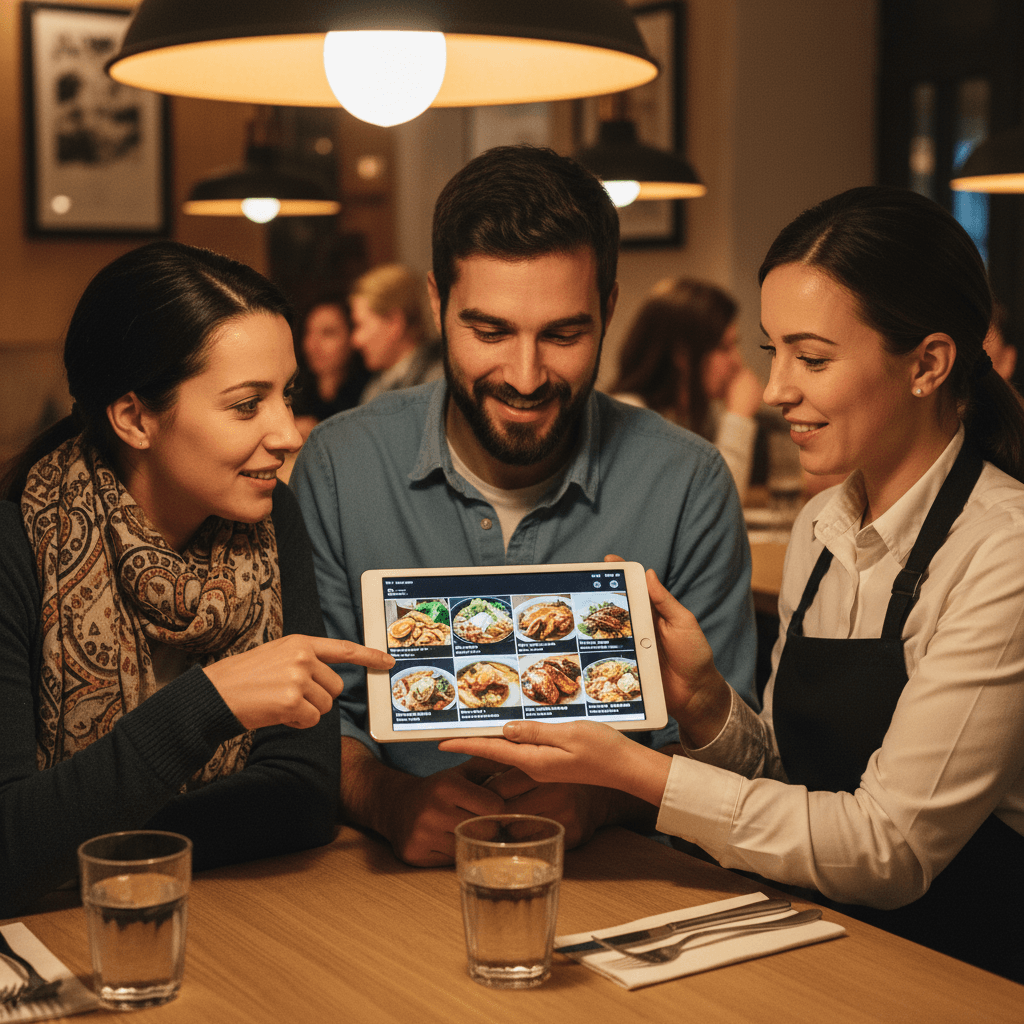
The solution is not more pictures - it is a system that keeps pictures current without daily maintenance work. Imagine if your visual menu updated automatically when your kitchen changed availability. Picture servers showing tourists exactly what is available right now, with accurate photos for every option.
This turns your restaurant from just another place tourists stumble into into a destination they seek out. International guests return because they know they can order confidently without language struggles. They tell friends back home about the restaurant where they could actually understand what they were ordering.
The real win comes during peak season when you are serving tourists every night. Instead of slowing down service with explanations, your visual system speeds up ordering by forty percent. Tables turn faster during precious summer months when every seat counts twice - once for dinner, once for dessert and drinks.
Your staff gains back minutes per table that add up to hours per shift. Servers can focus on suggestive selling instead of basic translation. The kitchen receives cleaner tickets with fewer modifications because customers understand what they are ordering before they commit.
Modern digital tools can automate this connection between kitchen reality and customer-facing visuals. Kitchen display systems that track ingredient availability can trigger menu updates automatically. Digital menu platforms can swap photos based on real-time inventory levels without manual intervention.
These systems remove the maintenance burden from your already-busy staff during rush hours. They ensure that what tourists see is exactly what your kitchen can deliver right now, building trust through consistency rather than creating confusion through outdated information.
Taking the Next Step
Visual menus work when they reflect current kitchen reality, not yesterday's specials. The logic is clear: tourists order faster when they understand what they are buying, and accurate photos build trust that turns first-time visitors into repeat customers.
If you are ready to move beyond printed menus that cannot keep pace with your kitchen's daily changes, explore digital solutions that connect inventory to customer-facing visuals in real time view our pricing or start a free trial to see how automated menu updates can work during your next busy weekend service without adding staff workload