When Menu Descriptions Fall Flat
Generic dish descriptions waste prime real estate. Learn how to turn your menu into a conversation starter that reflects your kitchen's true identity.
The Silent Menu Problem
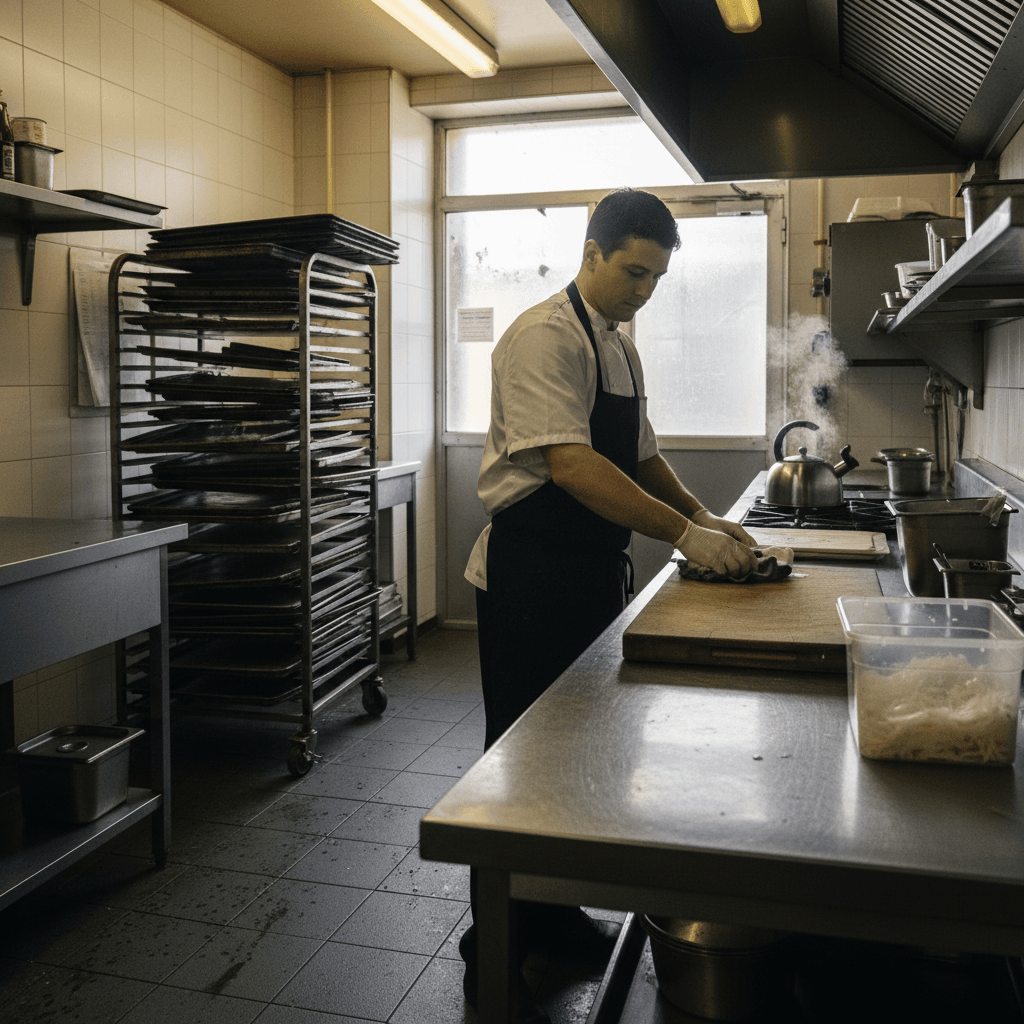
When menu descriptions fall flat, you feel it first on the floor. It's Friday night, the expo calls "fire two salmon," and the server has nothing to add. The guest sees "Pan-Seared Salmon - lemon, asparagus, rice" and orders the steak instead. That's the silent problem: your menu speaks before your servers do, and when it reads like a grocery list, customers miss what makes your kitchen different. They don't see the cold-smoked preparation that took three hours, or the local farm where the asparagus was picked yesterday. This isn't about fancy words; it's about lost revenue on every ticket that could have been a few dollars higher.
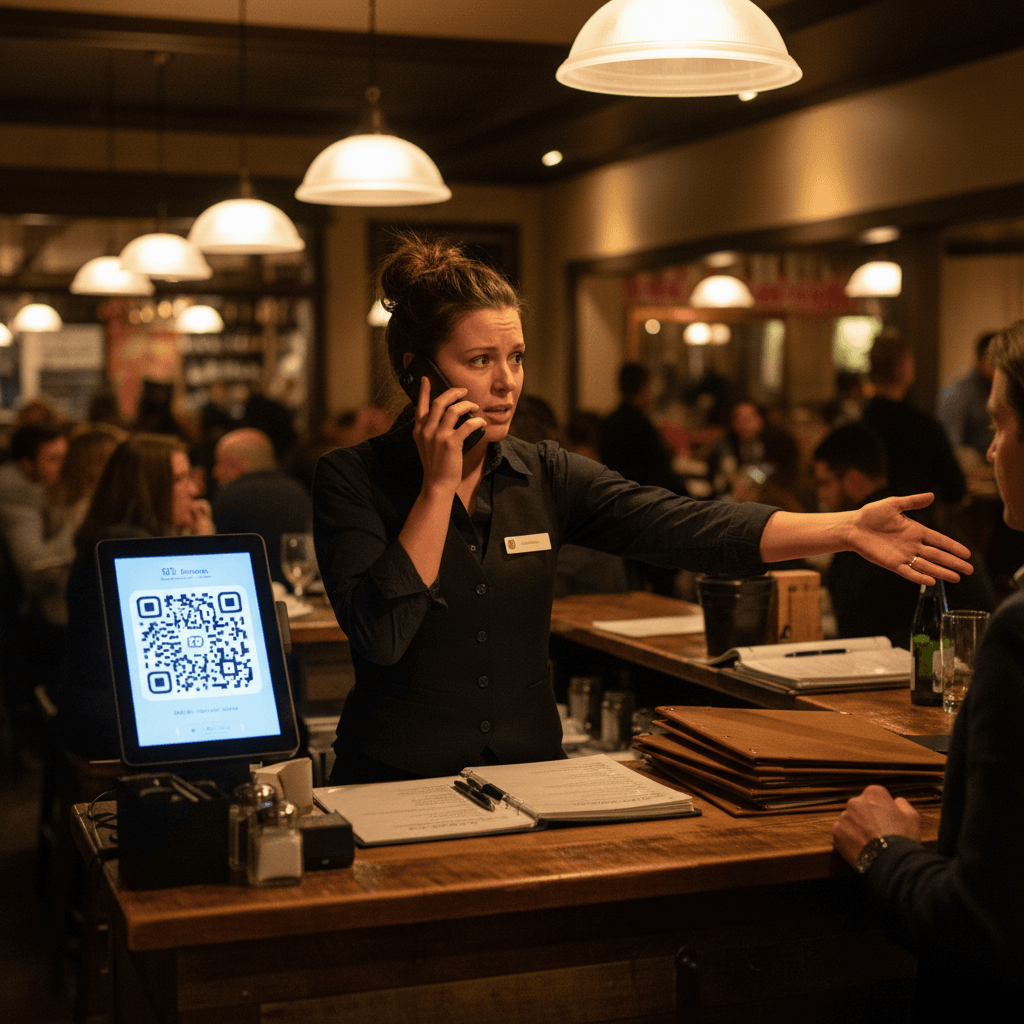
The disconnect happens in real time. A guest asks why your burger costs $18. The server stumbles, listing ingredients they could read themselves. The moment passes. That table spends less, tips less, and doesn't come back for the thing you do best. Your menu is prime real estate, and generic descriptions waste it. This specific pain point is part of building a cohesive identity that works under pressure, which we break down in the guide Building Your Restaurant's True Identity.
Your food has a story. The problem is the story isn't getting to the table.
Write Like You Talk at Family Meal
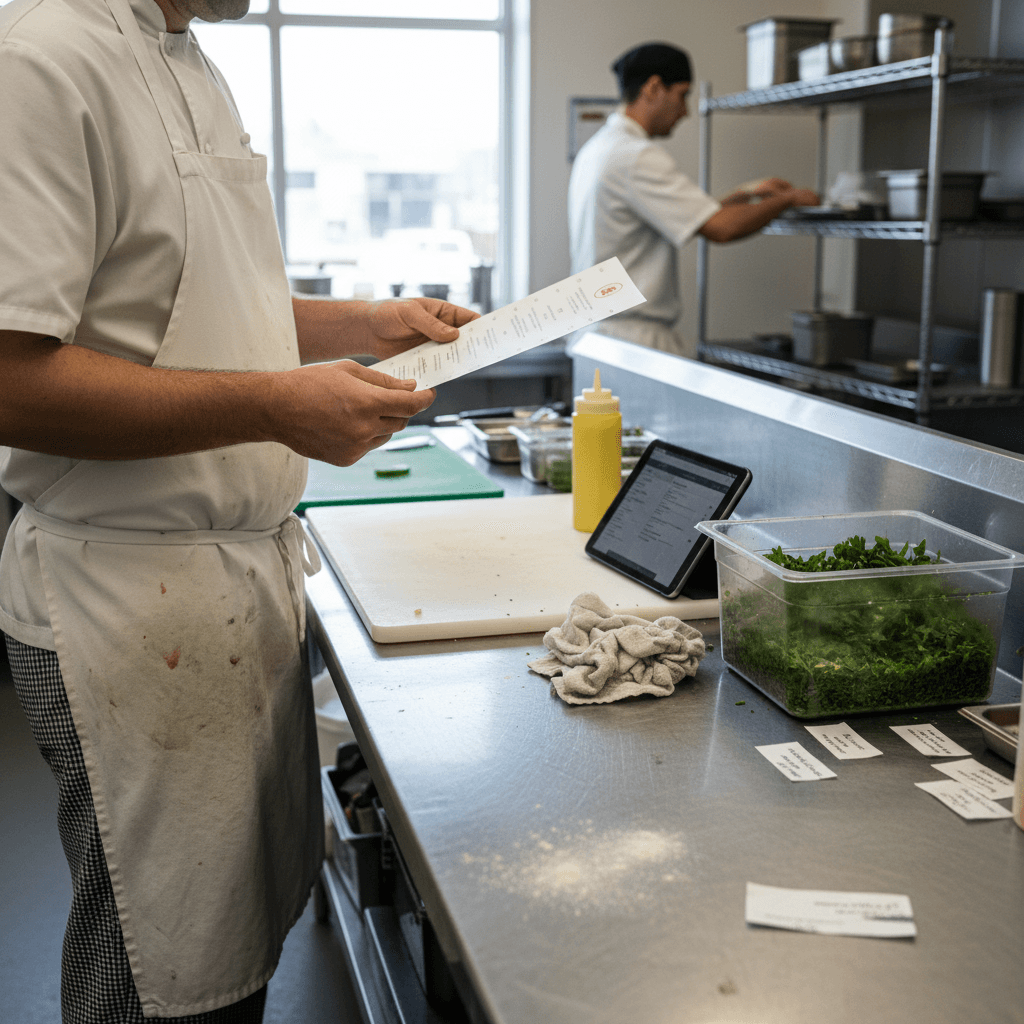
Forget the flowery language you read in magazines. The best menu stories sound exactly like how you'd describe a dish to a new line cook during family meal. You wouldn't say "succulent poultry with a reduction." You'd say "We brine the chicken overnight in buttermilk and herbs - that's why it's so juicy." Start with why the dish exists. Was it a staff meal experiment that worked? Does it use tomatoes from the farmer you know by name?
Here is one hard truth: customers don't care about your "culinary journey" unless it directly improves their meal. They care that the fish is fresh, the pasta is handmade, or the sauce has a depth they can't get at home. Connect your process to their plate.
The Rule: Every description must answer "Why here?" and "Why now?"
Take your signature dish. Instead of "Braised Short Rib - mashed potatoes, glazed carrots," try this: "8-Hour Braised Short Rib. We cook it low and slow until it falls apart, then serve it over our garlic mashed potatoes and honey-glazed carrots from Johnson's Farm." See the difference? One is a list. The other explains the work and the source. It gives your server an opening: "The short rib braises all day - want me to put one on for you?" That's how you sell.
The Monday Morning Bottleneck
You know you should rewrite the menu. But when? Between inventory counts, scheduling conflicts, and placing orders, writing authentic descriptions becomes a task for "someday." This creates a Monday morning bottleneck where good intentions meet zero time.
Consistency suffers when different managers write different versions. Your bar manager describes the cocktail with flair, but your kitchen manager writes the steak special like a textbook. The menu voice becomes a patchwork. Then seasonal changes hit. You get beautiful squash from your purveyor, but now you have to rewrite entire sections instead of just tweaking a few lines on what already works.
This manual process breaks down in three specific places:
- Time: Writing takes focused mental energy you don't have during service or between crises.
- Voice: Without a single writer or a clear style guide, your menu sounds like three different restaurants.
- Scale: Changing one ingredient shouldn't mean starting from scratch, but often does.
The operational cost is real. A weak description means servers have to work harder to explain value, which slows down table turns during rush hour. It means guests default to the familiar item instead of trying (and loving) what you're actually proud of.
From Description to Conversation
Your menu should work like your best server's spiel - brief, authentic, and tailored to who's listening. It's not a novel; it's a conversation starter printed on paper or a screen.
Start small this week. Pick three signature dishes - your top seller, your most profitable item, and the dish you're most proud of. Rewrite those descriptions using the "family meal" rule. Then, train your servers on them at pre-shift.
This training is crucial. It connects the dots between what's written and what happens on the line. Tell your servers: "When you see table 12 looking at the salmon, don't just take their order. Say 'Great choice - our cook cold-smokes that salmon in-house every morning. It comes with asparagus we got fresh today.'" Give them the simple story behind the food.
Measure this shift not by compliments, but by checks. Are average tickets on those three items going up? Are servers mentioning them more confidently? That's how you know it's working.
The manual fix requires discipline, but modern digital tools can handle the repetitive heavy lifting once your process is solid. Digital menu management systems let you update descriptions across all platforms - your printed menu, website, and tablets - from one place instantly when seasons change or purveyors deliver something special. This automates distribution so your team always shares the latest story.
Taking the Next Step
Turning your menu into an asset is a practical shift with clear logic: better stories lead to better server confidence, which leads to better guest experiences and higher checks.
The work starts with three dishes this week. Rewrite them as you would explain them to a new cook. Train your staff on those stories at the next pre-shift meeting.
If managing these updates across all your customer touchpoints feels like the next bottleneck, explore how technology can streamline that final step for consistency at scale. You can view our pricing for digital tools built for restaurant operations or start a free trial to see how centralized menu management works in your own space before your next seasonal changeover