When Guests Walk Out Angry
Bad service isn't about slow food. It's about broken trust. Here's how to fix it before they tell everyone they know.
The 90-Second Recovery Window
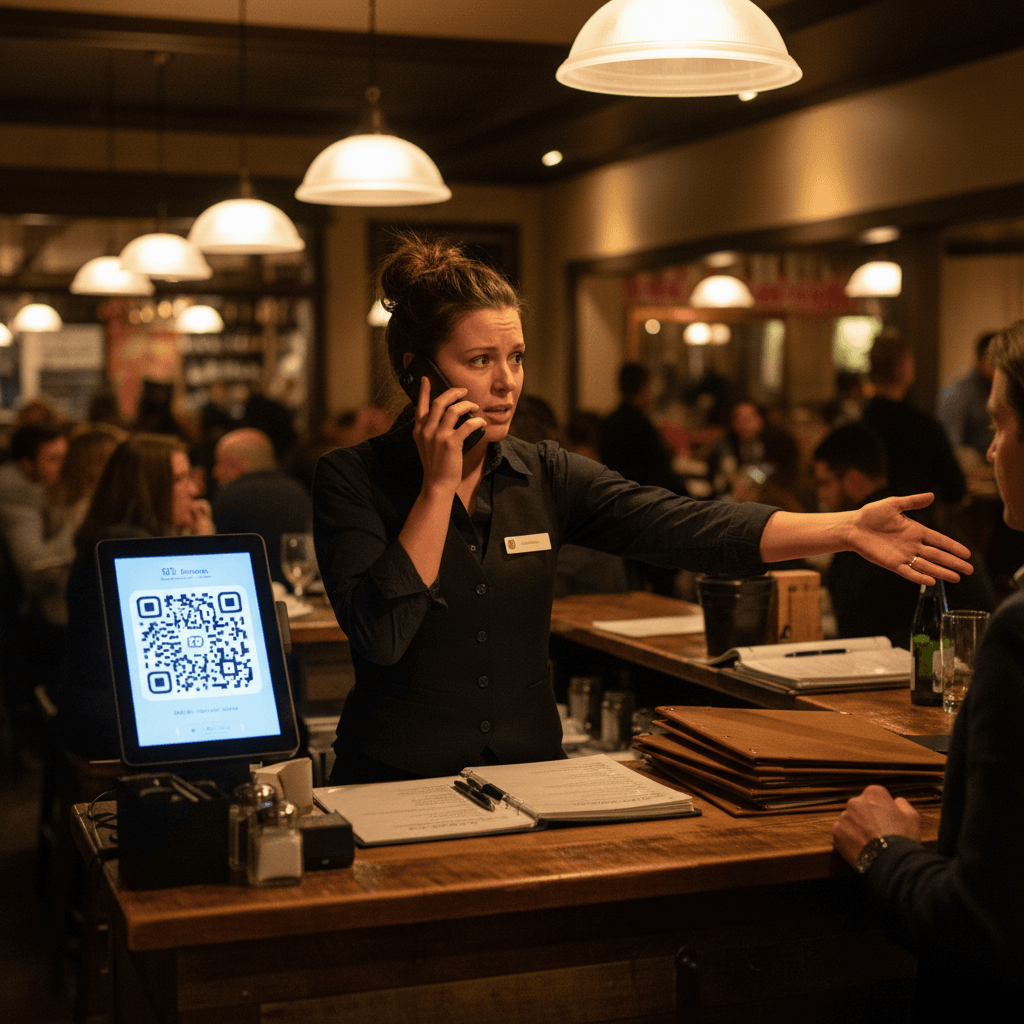
When guests walk out angry, you've already missed your chance. The recovery window is ninety seconds. That's it. Most managers wait too long. They watch from across the room, analyzing the situation, deciding what to do. By the time they walk over, the guest has already decided this restaurant doesn't care.
Your first move should be physical presence, not mental calculation. Walk to the table before your server does. Make eye contact with every guest at the table. Say "I noticed" instead of "I heard". This isn't about fixing the food - it's about fixing the feeling of being forgotten. A manager standing at the table within ninety seconds tells guests they matter more than anything else happening in the restaurant.
The Rule: If a guest looks frustrated for more than thirty seconds, you're already late. This connects directly to preventing the cascade of failures we break down in When Service Breaks Down at 7 PM, which shows how one forgotten table can unravel an entire dinner rush.
Why Apologies Make Things Worse
After you reach the table, you'll want to apologize. Don't. The industry loves teaching servers to say sorry. Here's why that fails: apologies focus on what went wrong. Solutions focus on what happens next.
Instead of "I'm so sorry your food is late", try "Your steak is coming off the grill right now, and I'm bringing you fresh bread while you wait". Shift from past tense to present action. Guests don't want your regret - they want your attention moving forward. When a server apologizes for a mistake, they're asking the guest to accept their failure. When they describe the solution, they're showing the guest they're already fixing it.
This works because anger comes from feeling powerless. A guest waiting forty minutes for food feels trapped at your table with no control. Your job is to give control back. "Your food will be here in three minutes" gives them certainty. "I'm comping this round of drinks" gives them value for their lost time. These are actions, not words.
The Manual Fix That Breaks Your Night
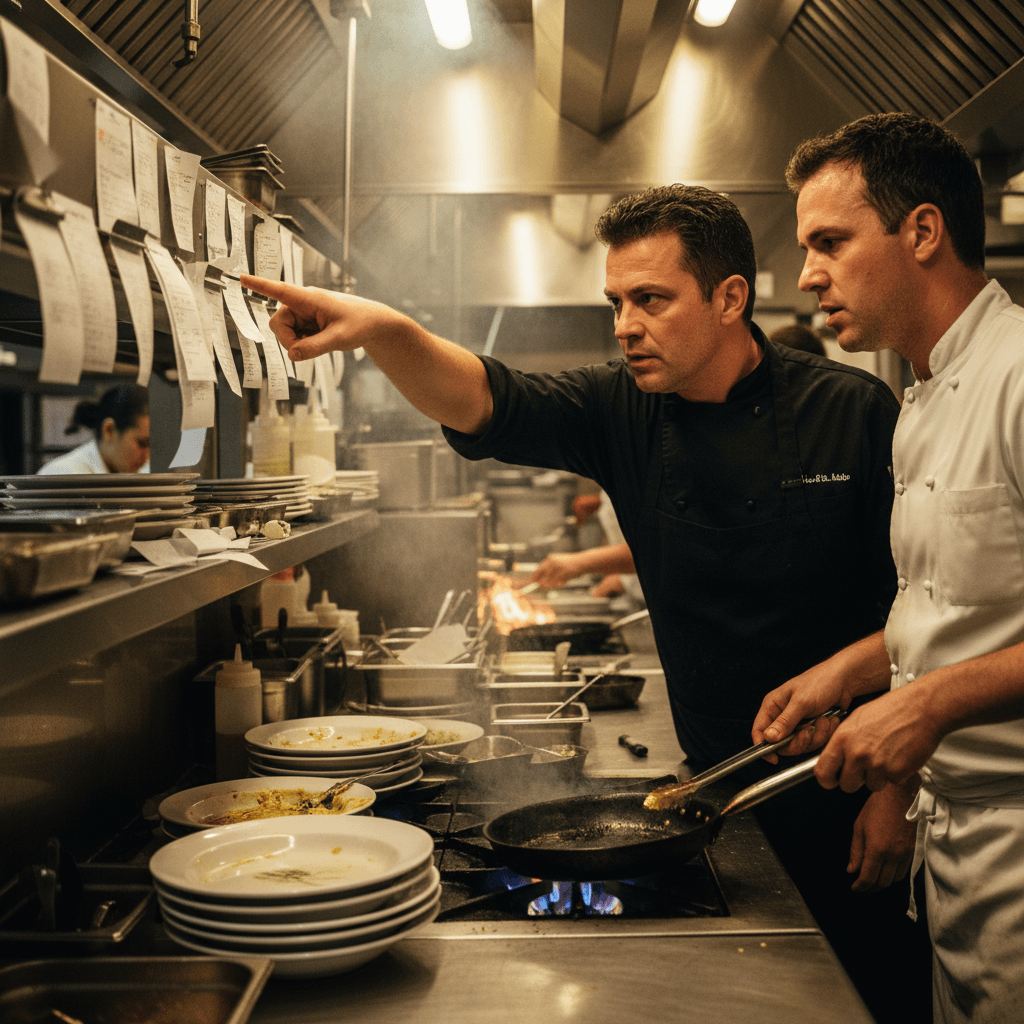
You can handle one angry table manually. You can't handle three during Friday dinner rush without breaking your entire service flow. Every minute you spend calming angry guests is a minute you're not checking on other tables, not helping expo, not managing the kitchen.
The bottleneck isn't your willingness to fix problems. It's your capacity to fix them while everything else keeps moving. You become the single point of failure in your own restaurant. While you're at table seven explaining why their appetizers took twenty minutes, table twelve's drinks are sitting at the bar getting warm, and table three needs their check.
This creates a predictable collapse pattern. One manager gets stuck firefighting complaints. Servers stop bringing problems to them because they look too busy. Small issues snowball into walkouts because no one has authority to fix them early. The kitchen falls behind because expo isn't getting clear calls. You're solving yesterday's problem while creating tomorrow's.
What Comes After The Fire Drill
The real recovery happens after they leave. Not with a discount or free dessert - those are transactional fixes that cost you money without fixing your system. The lasting fix is changing how you handle tomorrow's 7 PM rush.
Start tracking which failures repeat. Is it always drinks? Always timing between courses? Always check presentation? Patterns tell you where your system is broken, not where your staff made mistakes. If three tables complain about slow bar drinks on Friday nights, your problem isn't lazy bartenders - it's that two people can't make sixty cocktails in thirty minutes during peak hour.
Build a simple recovery playbook that servers can use without you. Three approved solutions for common problems: comped drinks for kitchen delays over fifteen minutes, free dessert for incorrect orders, immediate manager visit for any guest who asks for one twice. A clear escalation path: server tries first solution, if guest isn't satisfied they get manager automatically. And most importantly - permission to make things right without asking for manager approval every time.
Because the best recovery is the one that happens before you even know there's a problem.
Taking the Next Step
Managing service recovery manually requires constant vigilance and splits your attention during your busiest moments. Modern digital tools can automate the monitoring and alerting parts of this workflow, letting you focus on the human interaction that actually fixes broken trust.
The logic is clear: track service timing automatically, flag delays before guests complain, and give your team data instead of guesswork about where your systems break down.
If preventing walkouts matters to your bottom line and reputation, view our pricing for systems designed specifically for restaurant recovery situations or start a free trial to see how automated alerts work during your next Friday night rush.