When Guests Stop Waiting and Start Walking
Long wait times aren't about slow food. They're about broken communication. Fix the real problem before guests leave for good.
The Real Problem Isn't Slow Food
When guests stop waiting and start walking, it's never about the 45-minute cook time for a medium-rare ribeye. It's about the 20 minutes of silence after they order. The difference between patience and frustration is communication, not speed. Guests will happily wait for food they know is coming. They will angrily leave when they feel forgotten.
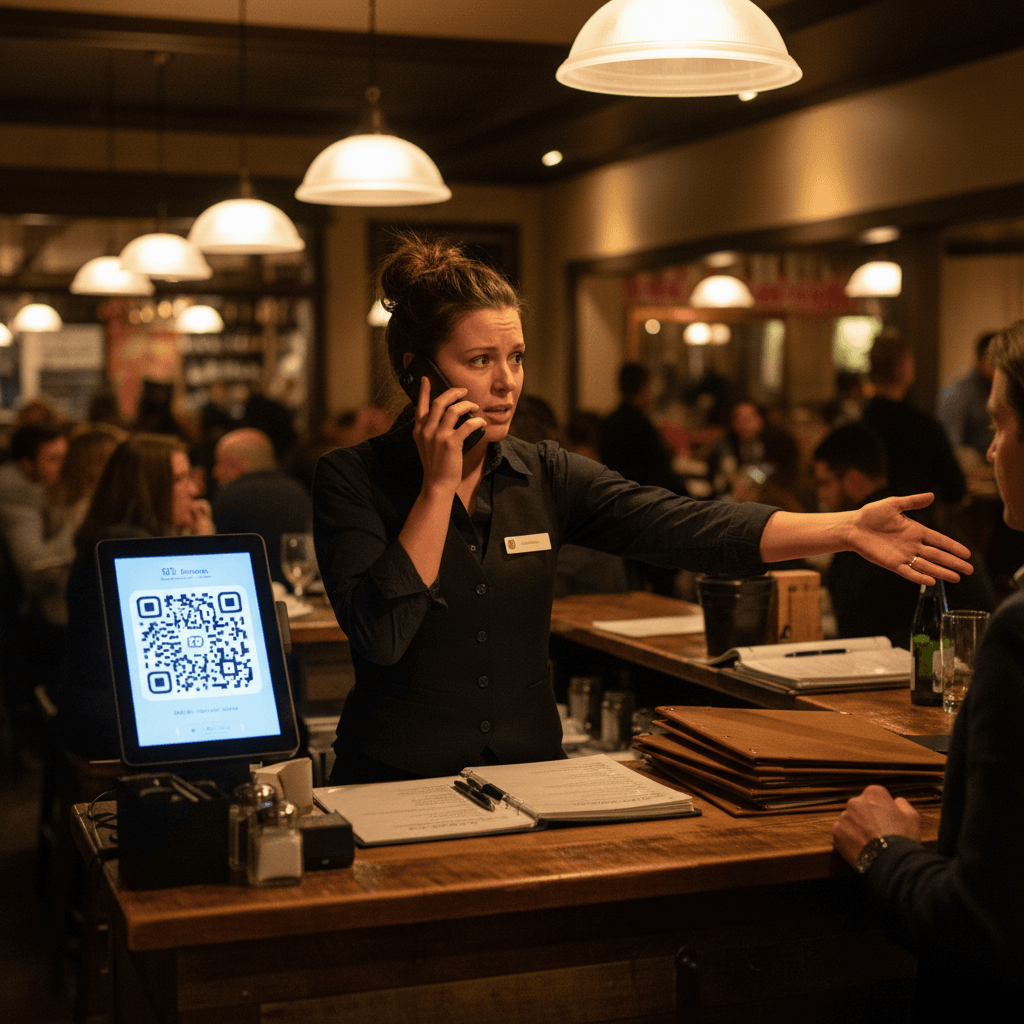
Watch a server disappear after taking an order. The table sits for 15 minutes with empty water glasses. No one tells them the kitchen is backed up on fryers. The host quotes a 30-minute wait because the kitchen won't communicate that steaks are running 18 minutes behind schedule. Trust evaporates in these gaps. This broken communication creates perceived wait times that feel twice as long as the actual cook time. The real cost isn't slow food - it's the feeling of being abandoned in your own dining room.
This connects directly to the system failure we map in When Service Breaks Down at 7 PM, which shows how these communication gaps collapse entire shifts. Fixing wait times starts with fixing information flow before guests ever feel the delay.
The Rule: Every guest must receive two updates between ordering and food arrival. The first update comes at 10 minutes. The second comes at the halfway mark of the expected cook time.
Think about your last busy Saturday. The server who runs food but never checks back creates anxiety. The expo who doesn't call out delays leaves the entire front-of-house blind. More staff doesn't fix this problem. Better communication does. Adding another server just creates more people who don't know what's happening in the kitchen.
The 7 PM Communication Drill
Every Friday at 6:45 PM, gather your host, expo, and lead server for a five-minute huddle. This isn't a meeting. It's a battle plan for information flow.
The host gets a kitchen update every 15 minutes - not just which tables are open, but current cook times for your five busiest items. If the fryer is down to one basket, the host knows to tell waiting guests that wings will take 25 minutes instead of 15. This prevents the "30-minute wait" that becomes 50 minutes because no one updated the estimate.
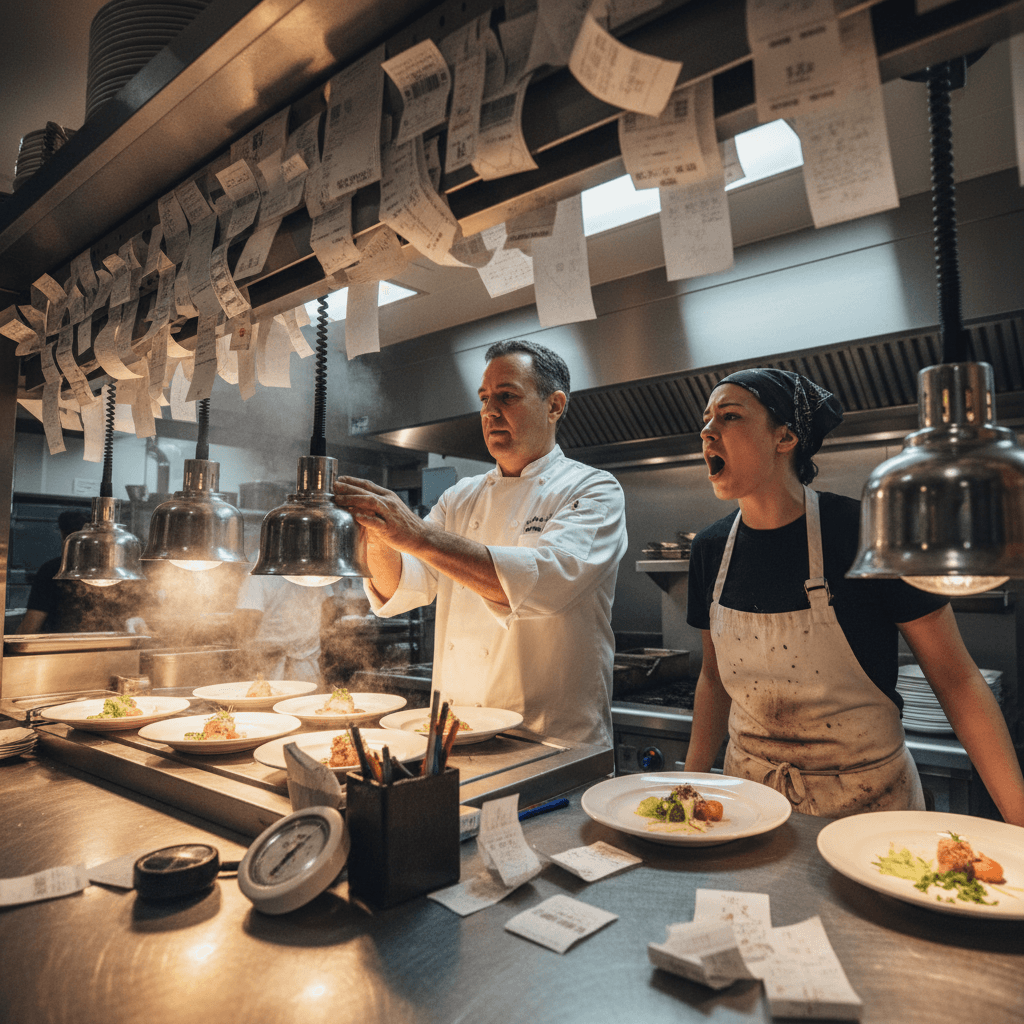
The expo calls out delays immediately. "Steaks running eight minutes behind" gets communicated to every server within 30 seconds. This isn't shouted across the kitchen. It's a clear announcement during a natural pause in ticket calling. Servers then give guests two specific updates: one at 10 minutes after ordering ("kitchen just started your appetizers"), and one at the halfway mark ("your mains are plating in five").
This manual system creates visible progress where guests previously saw only waiting. It turns unknown time into managed expectations.
Train your servers to use the kitchen window as an information source, not just a pickup point. A quick glance at the ticket rail tells them if their table's food is next in line or five tickets back. That's a 10-second check that prevents a five-minute explanation later.
The Rule: No server leaves the kitchen without checking two things: their next table's ticket status and any announced delays from expo.
This drill works because it's simple, repetitive, and tied to specific times and roles. The host has a 15-minute timer on their phone. The expo has three specific delay phrases they use consistently. Servers have two mandatory update points burned into their muscle memory.
When Manual Systems Break at 9 PM
The communication drill works perfectly until Friday hits peak volume. At 9 PM, the expo is calling six orders at once while plating four others. The host can't leave a packed door to check kitchen status for the tenth time. Servers get trapped in the weeds with eight-top modifications and drink refills.
Your beautiful manual system collapses because humans can only process so much information during chaos. This is when guests start walking - not because food is slow, but because your communication channels have overloaded.
Watch what happens: The expo misses calling out the delay on well-done burgers because three new tickets printed simultaneously. A server forgets the 10-minute update because their other table needed separate checks. The host stops getting kitchen updates entirely because no one has 15 seconds to spare.
The system didn't fail because it was bad. It failed because it relied on perfect human execution during imperfect conditions. This is the breaking point every restaurant hits when manual processes meet real volume.
The Rule: Any communication system that requires someone to stop their primary job during peak rush will eventually fail.
Think about your last breakdown. Was it because staff didn't know what to do? Or was it because they physically couldn't do it while also running food, taking orders, and managing complaints? The bottleneck isn't your kitchen speed or staff count. It's information flow under pressure.
From Chaos to Calm: What Comes Next
When manual systems fail at 9 PM, you need structure that survives the rush. The next step isn't more technology - it's simpler communication paths that work when everyone is in the weeds.
Start by mapping your current information flow during peak chaos. Where do delays get lost? Which role becomes the single point of failure? Usually it's the expo or lead server who becomes overwhelmed with both execution and communication duties.
Create backup channels that don't require verbal communication during loud, busy moments. A simple whiteboard near the expo station where cook times are updated every 10 minutes gives servers a visual reference without interrupting ticket calling. Color-coded magnets for different stations (red for grill delays, yellow for fryer backup) create instant visual status updates.
The Rule: Critical information must be accessible without conversation during peak volume.
Train your team to read the room differently during chaos periods. Servers should glance at the ticket rail before approaching tables with timing questions. Hosts should get updates from the visual board rather than asking busy cooks directly. Expo should use hand signals for common delays instead of shouting over kitchen noise.
This shift from verbal to visual communication reduces cognitive load exactly when brains are overloaded. It turns complex explanations into simple status checks that take two seconds instead of twenty.
The real solution lives in communication paths that work when people can't stop moving. Think about how your team shares critical updates during your busiest hour right now. If it requires someone to pause their primary task, it will break under pressure.
Modern digital tools can automate the repetitive parts of this workflow when manual systems become unsustainable during peak volume. Kitchen display systems that show real-time cook times to front-of-house staff eliminate the need for constant verbal updates between stations. Digital ordering platforms that provide automatic guest notifications create consistent communication without relying on server memory during chaotic moments.
These tools don't replace your team's judgment or skill. They handle the repetitive information sharing that humans struggle with during high-pressure situations, freeing your staff to focus on hospitality instead of status updates.
Taking the Next Step
Fixing wait times starts with fixing communication before guests ever feel delayed. The logic is clear: unknown time creates anxiety, managed expectations create patience.
Your shift tonight doesn't need complex technology or more staff - it needs simple information flow that survives Friday night pressure.
Start by implementing one piece of this system during your next busy service - perhaps just having expo call out one delay announcement per hour - and see how it changes guest perception view our pricing. When you're ready to build consistency into those communication channels without relying on perfect human execution every rush, you can start a free trial to explore how digital tools handle the repetitive notification work while your team focuses on hospitality