When Guests Feel Forgotten at 7 PM
Guests don't leave because of slow food. They leave because they feel invisible. Here's how to make every table feel special during the dinner rush.
The Invisible Guest Problem
When Guests Feel Forgotten at 7 PM, you can see it in their body language. They stop talking to each other and start watching the dining room. Their eyes follow servers who rush past without looking up. The water glasses sit empty for twenty minutes. Appetizer plates from the first course still clutter the table when entrees arrive. This isn't about slow food coming from the kitchen. It's about disappearing hospitality in the dining room.
The real cost isn't lost tips from that single table tonight. It's the regular who stops coming back next month. They don't tell you they felt ignored. They just don't return. This connects directly to the deeper operational breakdowns we analyze in When Service Breaks Down at 7 PM, which breaks down the full system failure behind these moments.
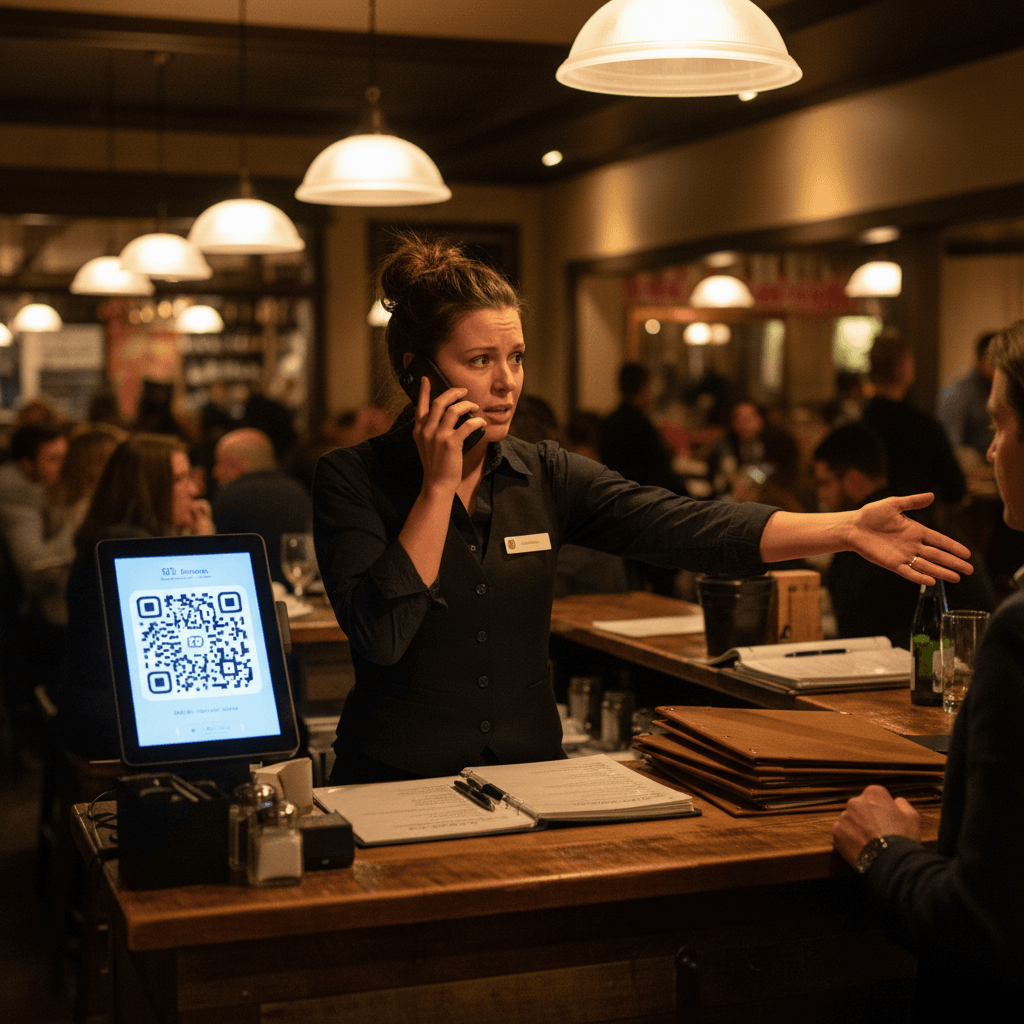
At 7:15 PM, your best server has six tables in different stages. Table three needs water refills right now. Table five's appetizers are up at the pass but getting cold because no one ran them. Table two has been waiting twelve minutes for their check while the server takes a drink order at a new table. The human brain cannot track all these details while also processing new information. Service becomes reactive instead of proactive.
The 90-Second Connection Rule
Here's the mathematical truth of peak hours: You cannot give every table perfect service for their entire meal. But you can give every table one perfect moment that changes their entire experience. Train your team on the 90-second connection rule.
The Rule: When a server takes an order, they must stay at that table for 90 seconds after writing down the last item.
During those 90 seconds, they make deliberate eye contact with each guest. They ask one follow-up question about a food choice - "Excellent choice on the salmon, would you like that with the lemon butter or the dill sauce?" They check every water glass and refill what's needed. This creates a memory anchor that lasts through the inevitable wait times of a busy service.
Watch what happens without this rule. A server takes an order, says "Great, I'll put that right in," and rushes away to enter it into the POS. The guest immediately feels like a transaction instead of a person. That feeling lingers through every subsequent delay.
Implement this tomorrow in your pre-shift meeting. Role-play three different table scenarios with your servers. Have them practice staying present for 90 seconds after taking the order. You'll see how naturally they want to break away early to handle other tasks. Break that habit first.
Why Manual Systems Break at 7:15 PM
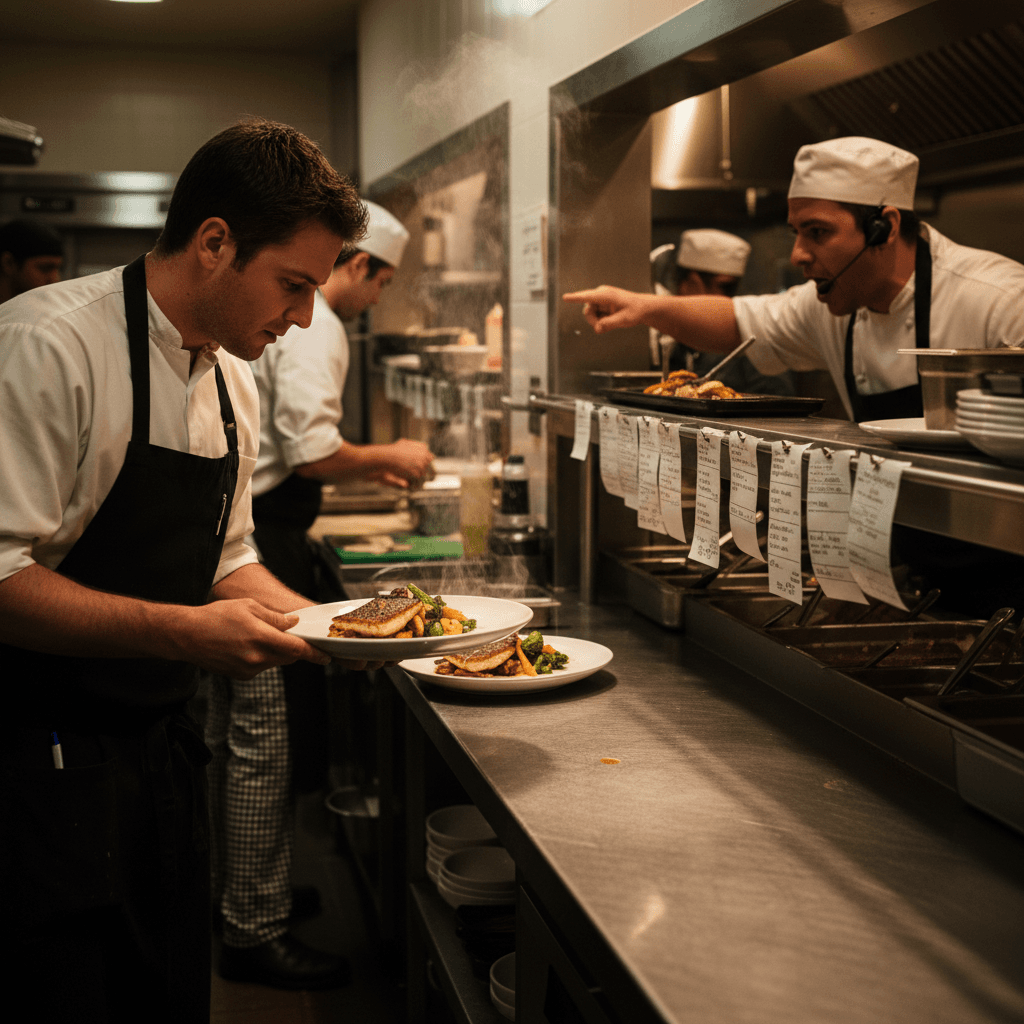
Manual systems fail because they rely on human memory during peak cognitive load. At 7:15 PM, your expo is calling three orders at once. Your server is trying to remember which table needs ranch dressing while carrying hot plates to another section. Your busser is clearing a four-top while three other tables need clearing.
The problem compounds minute by minute. A server remembers table six needs more bread but forgets table four's drink refill on the way back from the kitchen. They see the empty water glasses at table two but get intercepted by a guest asking for extra napkins at table seven. Each interruption creates another forgotten task.
This isn't about lazy staff or poor training. It's about system design. The human brain can only hold so many details under pressure. When servers become order takers instead of hosts, it's because your system forces them to prioritize transactions over connections.
The solution becomes part of the bottleneck. Managers try to implement checklists or table-tracking sheets, but during rush hour, no one has time to update them consistently. Servers develop their own shorthand systems - turning water glasses upside down, leaving straw wrappers as signals - but these break down when multiple people work the same section.
From Surviving to Thriving During Rush Hour
The goal shifts from surviving the rush to creating regulars during your busiest hour. Start with one measurable outcome this week: How many guests mention their server by name in your online reviews?
Track this number specifically for Friday and Saturday dinner services. When guests use server names in reviews - "Ashley was amazing even though they were packed" - you know they felt seen as individuals, not just as table numbers.
Implement station checks every thirty minutes during peak times. The Rule: Every thirty minutes, servers pause at their station and scan each table for three things - water levels, empty plates that need clearing, and guests who look like they're trying to get attention.
This thirty-second scan prevents small issues from becoming big problems. It catches the half-empty water glass before it goes dry for twenty minutes. It spots the finished appetizer plate before entrees arrive to a cluttered table.
Create visual signals that work for your team during rush hour. Some restaurants use colored coasters - green means "all good," yellow means "need something soon," red means "need help now." Others train servers to make deliberate eye contact with managers when passing through certain areas if they need support.
These manual systems work because they're simple and tied to specific moments in service. They don't require extra paperwork or complex procedures. They fit into the natural flow of a busy shift.
Modern digital tools can automate the repetitive parts of this workflow when manual discipline reaches its limits. Kitchen display systems ensure orders don't get lost between front and back of house. Table management platforms can track service stages and alert teams about pending tasks before guests feel forgotten.
Taking the Next Step
Making guests feel special during peak hours comes down to deliberate systems, not heroic effort. The 90-second connection rule creates memory anchors that last through wait times. Regular station checks prevent small oversights from becoming big problems.
These changes are practical and their logic is clear - when servers become hosts instead of order takers, guests become regulars instead of one-time visitors.
Begin implementing one piece of this system during your next dinner rush, then view our pricing to explore how digital tools can support your team's efforts when manual systems reach their limit, or start a free trial to see how automated task tracking works during your actual 7 PM service window next weekend