When Google Translate Fails Your Kitchen
Tourists can't order what they can't read. Learn how to translate menus without confusing your kitchen staff or slowing down service.
The Handwritten Translation Sheet That Actually Works
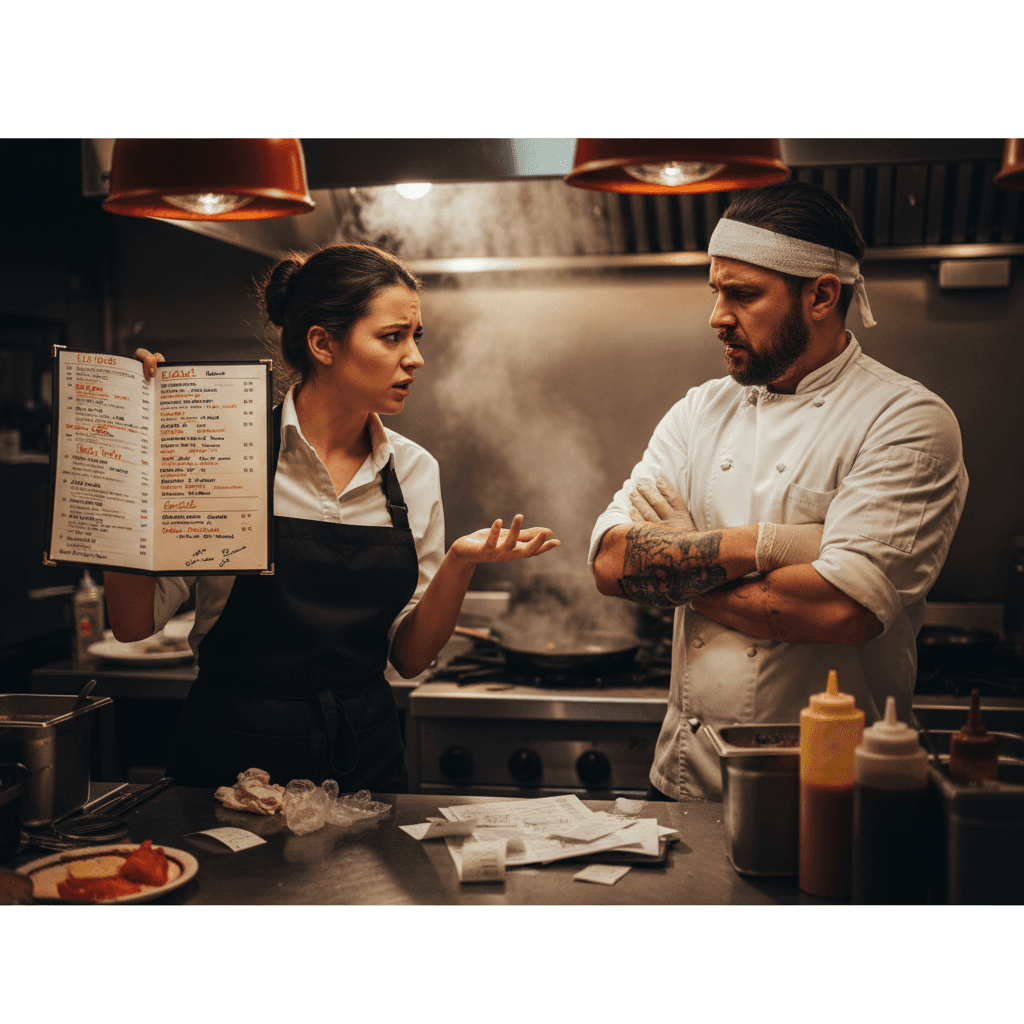
When Google Translate fails your kitchen, the breakdown happens at the pass. The expo calls for "pollo" but the grill cook hears "filete" because the phone translation was garbled. The ticket sits under the heat lamp while everyone tries to decipher what the guest actually wanted.
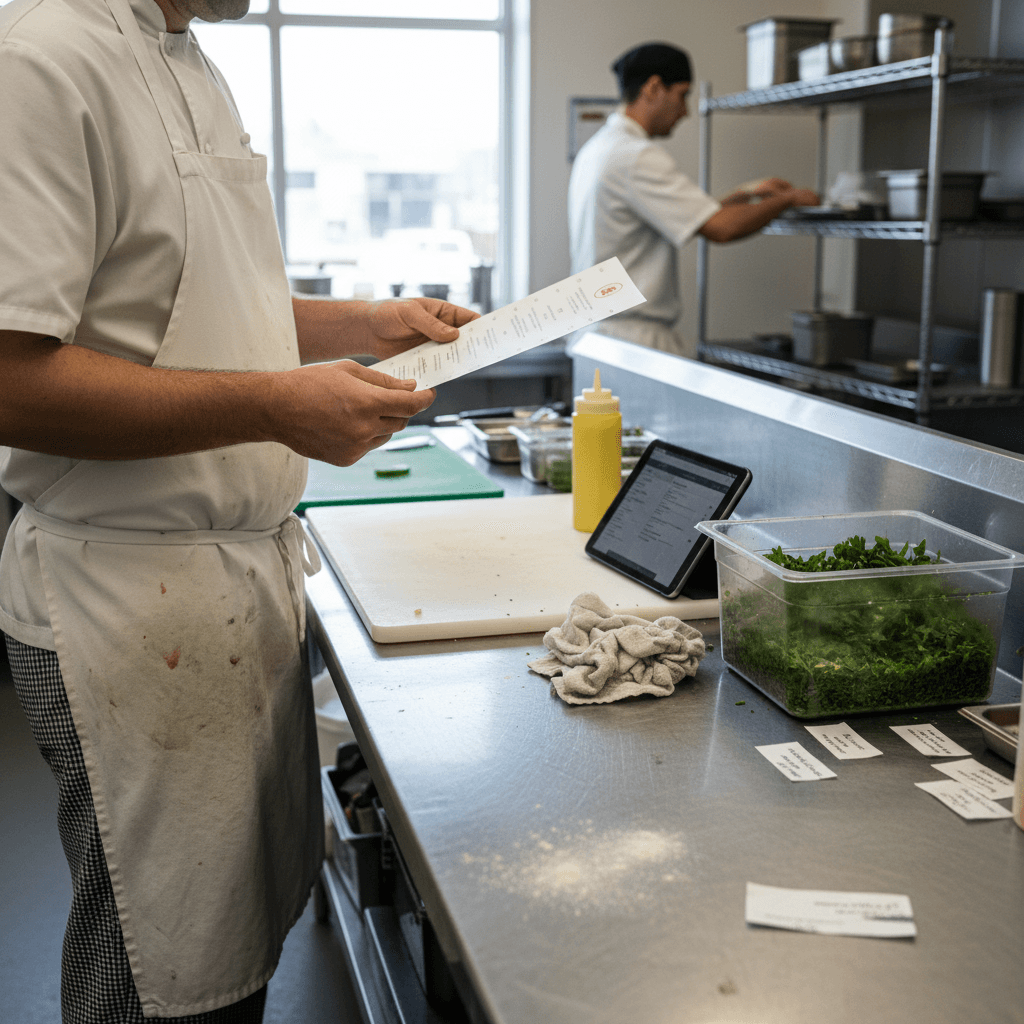
Forget perfect translations - focus on what cooks need to know. Create a one-page cheat sheet that lives at the pass. List each menu item in English, then write the three most common translations underneath in simple terms cooks understand. This connects to a broader strategy we cover in Turning Tourists Into Regulars: The Restaurant Guide, which breaks down how to build systems that attract international guests consistently.
The hard truth: Your kitchen doesn't need poetic translations. They need to know "beef stew" equals "boeuf bourguignon" equals "estofado de ternera." Keep it to food words only - no descriptions, no marketing fluff.
The Rule: One page, laminated, at every station where food leaves the kitchen. That means the pass, the expo station, and the pickup window. If a server has to walk more than three steps to check it, they won't use it during Friday rush.
Start with your top five selling dishes. Write them in a column on the left. To the right, add columns for Spanish, French, and Mandarin - or whatever languages your tourists speak. Use simple food vocabulary that matches what appears on tickets. "Grilled salmon" becomes "salmón a la parrilla" not "pescado cocinado sobre fuego." The second version creates confusion when tickets print.
Test this sheet during a slow lunch shift. Have your bilingual server order in Spanish while another server inputs the English version. Watch how quickly the kitchen responds when both tickets match exactly. That ten-second difference multiplies across twenty tables during dinner service.
Update this sheet quarterly. When you add a seasonal special, add its translation immediately. When you notice tourists from a new country becoming regulars, add that language column. This isn't about being comprehensive - it's about covering 90% of translation needs with one glance.
Why Your Bilingual Server Is Burning Out
That laminated sheet solves half the problem. The other half happens when your best translator gets triple-sat during peak hours.
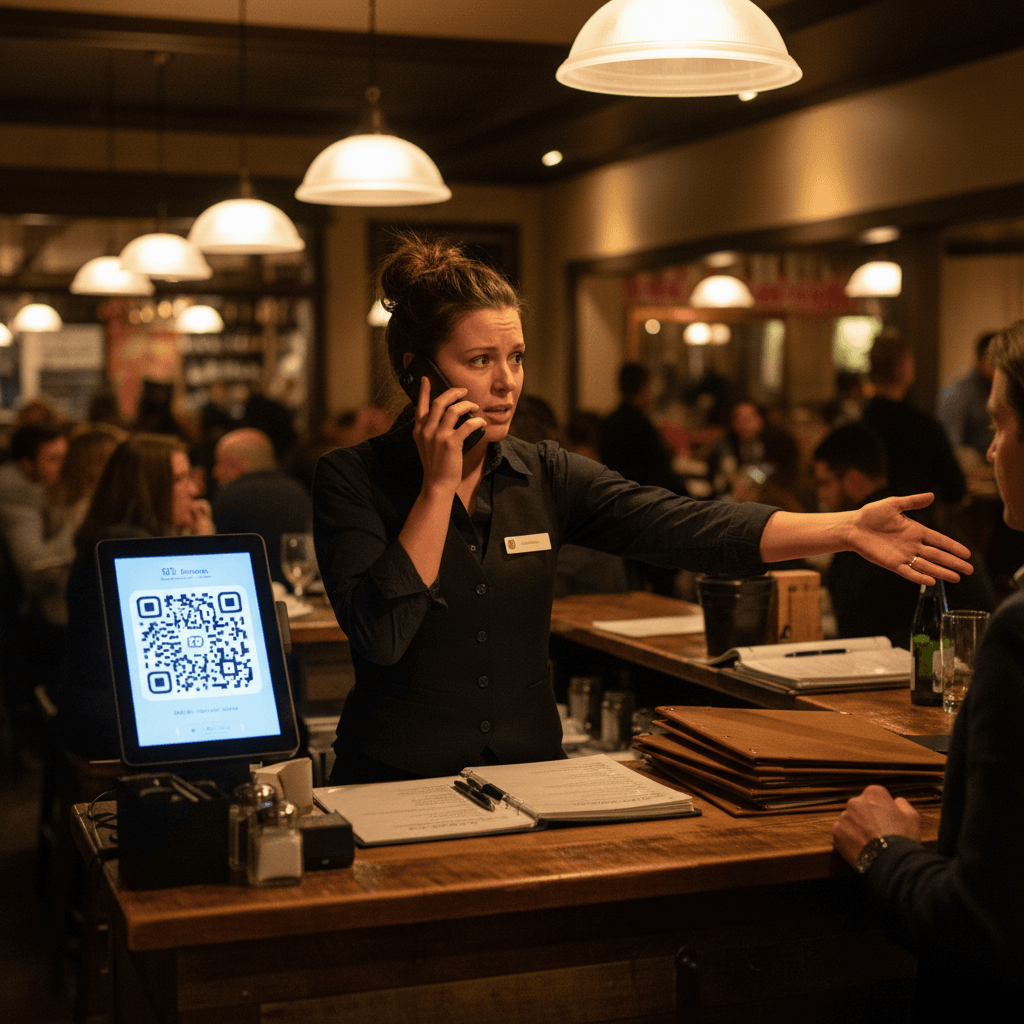
That one employee who speaks three languages becomes your de facto translator every shift. They're running food, taking orders, and playing interpreter while their section suffers. The bottleneck isn't translation - it's having one person responsible for communication across multiple tables during rush.
You'll see it every Saturday night. Maria is explaining the specials in Portuguese to table 12 while her other four tables wait for drink refills. The host keeps seating her section because she's "good with international guests." By 8 PM, her tip average drops 15% because service slowed across her entire station.
This creates a hidden cost: resentment. Other servers notice Maria getting special treatment (more time at tables, slower turnover) while they're expected to maintain pace. The bilingual server feels exploited - they're doing two jobs for one wage. Eventually, they either demand a raise or quit for a place that values their language skills properly.
The solution isn't banning translation help. It's scheduling it like any other station duty. Rotate which server handles international tables each shift. Give them a slightly smaller section (five tables instead of six) to account for the extra time translation requires. Pay them a small premium ($1-2 more per hour) during shifts where they're designated as the language lead.
Train all servers on three key phrases in your top tourist languages: "Hello," "Thank you," and "The special today is..." This spreads basic communication skills across your team instead of concentrating it in one person. When every server can greet guests in their language, you create immediate rapport without burning out your star employee.
From Translation Chaos to Smooth Service
Rotating language duty protects your staff. Building visual systems protects your kitchen during the busiest moments.
The solution isn't more bilingual staff. It's creating systems that work when your best translator calls in sick. Build menu cards with visual icons alongside translations. Train all servers on three key phrases in your top tourist languages. Most importantly, create a feedback loop where kitchen staff can flag confusing translations before they hit the floor.
Start with menu cards that use universal symbols alongside text. A picture of a cow next to "beef," a fish next to "seafood," a pepper next to "spicy." These visual cues work even when the written translation fails. Print these cards on durable plastic that won't wilt under condensation from water glasses.
During pre-shift meetings, practice pronunciation of your top ten menu items in two languages. Don't aim for perfection - aim for clarity. If every server can say "pollo" close enough for the kitchen to understand, you've solved 80% of communication errors. Record these pronunciations and share them via your team messaging app so new hires can practice before their first shift.
Create a simple feedback system for translation issues. Place a small whiteboard near the dish pit where cooks can write confusing ticket terms they encountered that night. "What is 'carne de res'?" written at 9 PM gets answered by morning prep with "beef" written next to it. This turns confusion into education without requiring formal meetings.
The Rule: Any translation that causes a remake gets reviewed within 24 hours. If "chicken breast" translated as "pechuga de pollo" results in grilled chicken instead of fried chicken being sent back, you need more specific terminology on your cheat sheet. Update it immediately - don't wait for the same error to happen again next weekend.
Measure success by tracking two numbers: remake percentages on tables with international guests versus domestic guests, and average table time for those same groups. If your systems work, both numbers should equalize within six weeks. If international tables still take 15 minutes longer and have double the remake rate, your translations aren't clear enough.
Taking the Next Step
Translation problems are operational problems with clear solutions. The laminated cheat sheet protects your kitchen during rush hours while rotating language duty prevents staff burnout.
These manual fixes create immediate relief, but maintaining them requires discipline week after week. Modern digital tools can automate parts of this workflow - displaying translated menu items directly on kitchen screens or providing pronunciation guides through staff tablets - reducing the manual effort needed to keep systems running smoothly.
If translation errors are costing you money during busy seasons, view our pricing to find a solution that matches your restaurant's volume and needs. You can start a free trial today and test how digital systems handle multilingual orders during your next Friday night service without disrupting your current workflow