When DIY Food Photos Cost You Money
Your phone photos might be hurting sales. Learn when to hire a pro versus doing it yourself - and why getting this wrong costs you more than photography fees.
The Hidden Cost of Bad Photos
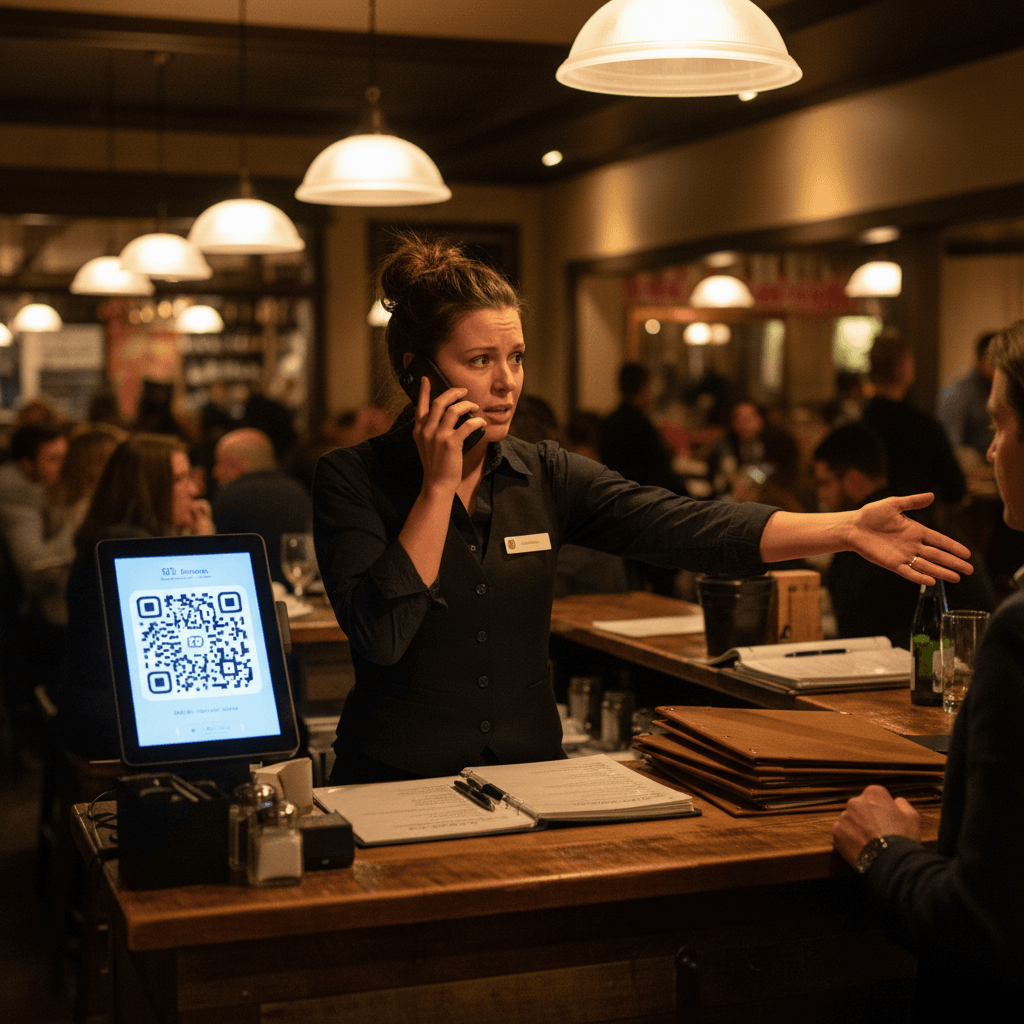
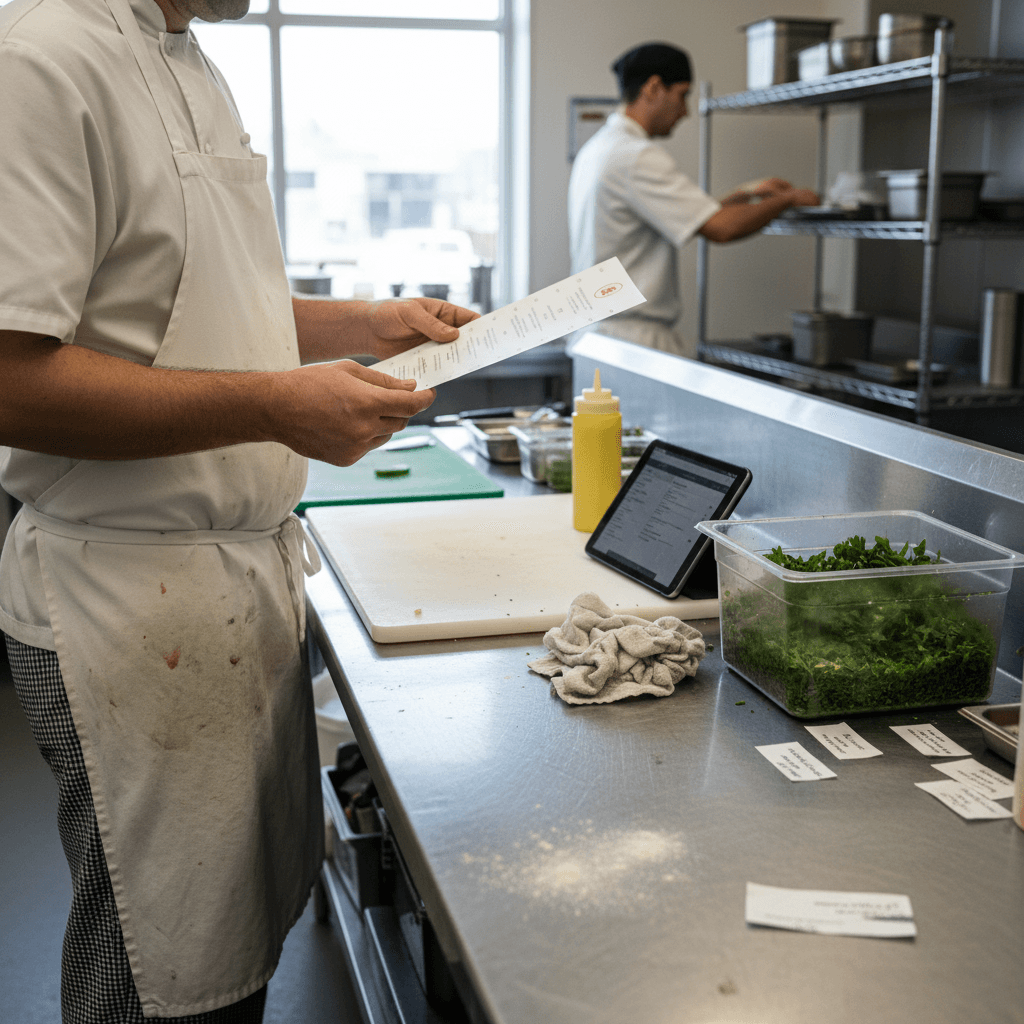
When DIY Food Photos Cost You Money, you feel it first on a busy Friday night. A server walks back to the kitchen with a full plate. "Table six says this doesn't look like the picture." The line cook stares at the ticket, then at the photo on the tablet menu. The steak is plated differently. The sauce drizzle is missing. The customer is now waiting, the food is getting cold, and the entire kitchen rhythm is broken for a five-minute debate about visual accuracy. That single moment of confusion costs you more than a photographer's fee - it costs you table time, staff focus, and customer trust during your peak revenue hour.
Your phone photos look good to you. But customers see something different. That $24 steak photo that looks dark on their screen means fewer orders. The burger that appears smaller than it actually is creates disappointment at the table. This isn't about vanity - it's about what happens when the picture doesn't match the plate. Customers order with their eyes first. When the reality at the table falls short of the digital promise, you don't just lose that sale - you lose the chance for dessert, for a second round of drinks, and for that customer to ever come back. For a complete system on capturing images that drive orders instead of complaints, our guide Phone Food Photos That Actually Sell breaks down the exact lighting, angles, and plating your staff needs to master.
The cost shows up in your sales data before it shows up in complaints. You notice your signature pasta isn't selling as well this month. You check your online ordering platform and see the photo is dark, taken last winter when natural light was weak. Customers scrolling at 7 PM see a gloomy dish instead of vibrant, fresh ingredients. They order the burger instead. That single photo just cost you the higher profit margin on the pasta all month long. The Rule: Your food photos are part of your inventory. Bad photos are like spoiled produce - they directly reduce what you can sell.
When Phone Photos Actually Work
Hard Truth: Professional photographers waste money on 80% of your menu items. The Caesar salad doesn't need a $500 photo shoot. The house fries don't need studio lighting. Focus your budget where it matters: your signature dishes, your highest-priced items, anything with complex presentation that gets lost in a phone snapshot. For everything else, use the same natural light window, same 45-degree angle, same plating style across all photos.
Think about your menu like a kitchen prep list. You don't hand-chop every vegetable for stock - you use a food processor for the bulk work and save knife skills for the garnish. Apply that same efficiency to your visuals. Your side salad, your soup of the day, your standard burger - these can all be captured beautifully with a phone during one focused session. The key is consistency in three areas: light source, camera angle, and plating portion.
Do this tomorrow: Take your menu and draw two circles. Circle one gets your five most profitable dishes - the steak, the seafood tower, the chef's tasting plate. These get professional photos. Circle two gets everything else. Schedule one two-hour window next Tuesday morning when your kitchen is clean but idle. Use the same window light for every shot. Place every plate at the same 45-degree angle on the same table with the same plain background. Your server who takes great Instagram photos can handle this session with a checklist you create.
This approach saves thousands while maintaining quality where it counts. Your high-margin items look spectacular under professional lighting that shows every detail of their premium quality. Your everyday items look clean, consistent, and appetizing without breaking your budget. Customers see a cohesive menu where everything looks like it belongs together - because it was all shot with the same operational discipline.
The Friday Night Bottleneck
You planned the photo session for Tuesday afternoon. But Tuesday's specials look different than Friday's rush plates. The line cook plates faster during dinner service, creating a different presentation. The lighting changes as the sun sets. Your 'consistent' phone photos now show three different versions of the same dish across your menu. Customers notice inconsistency before they notice quality.
Here's what happens during service: Your expo calls three steak orders at once during the Saturday night rush. The grill cook is moving fast - he plates all three slightly differently based on timing and space on his station. One gets an extra rosemary sprig because it was handy. Another has sauce drizzled with a heavier hand because the bottle was full. The third has perfect presentation because it was the only order on his mind at that moment. All three go to tables where customers saw the same photo online.
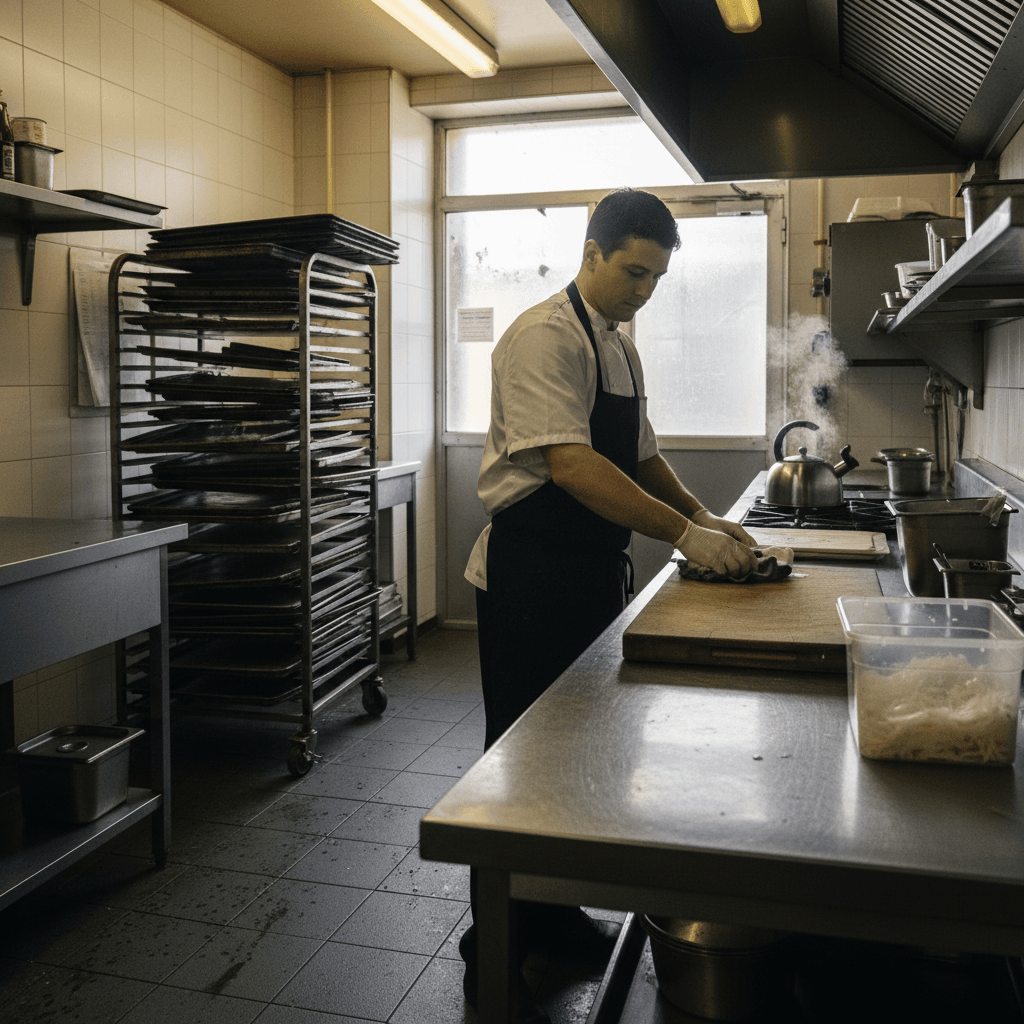
The disconnect creates operational friction all night long. Servers field questions about portion size. Kitchen staff gets interrupted to confirm plating standards during peak hours. Managers get pulled into visual quality checks when they should be managing flow. This isn't about artistic perfection - it's about reducing cognitive load during service so your team can focus on cooking and hospitality instead of explaining why reality looks different from marketing.
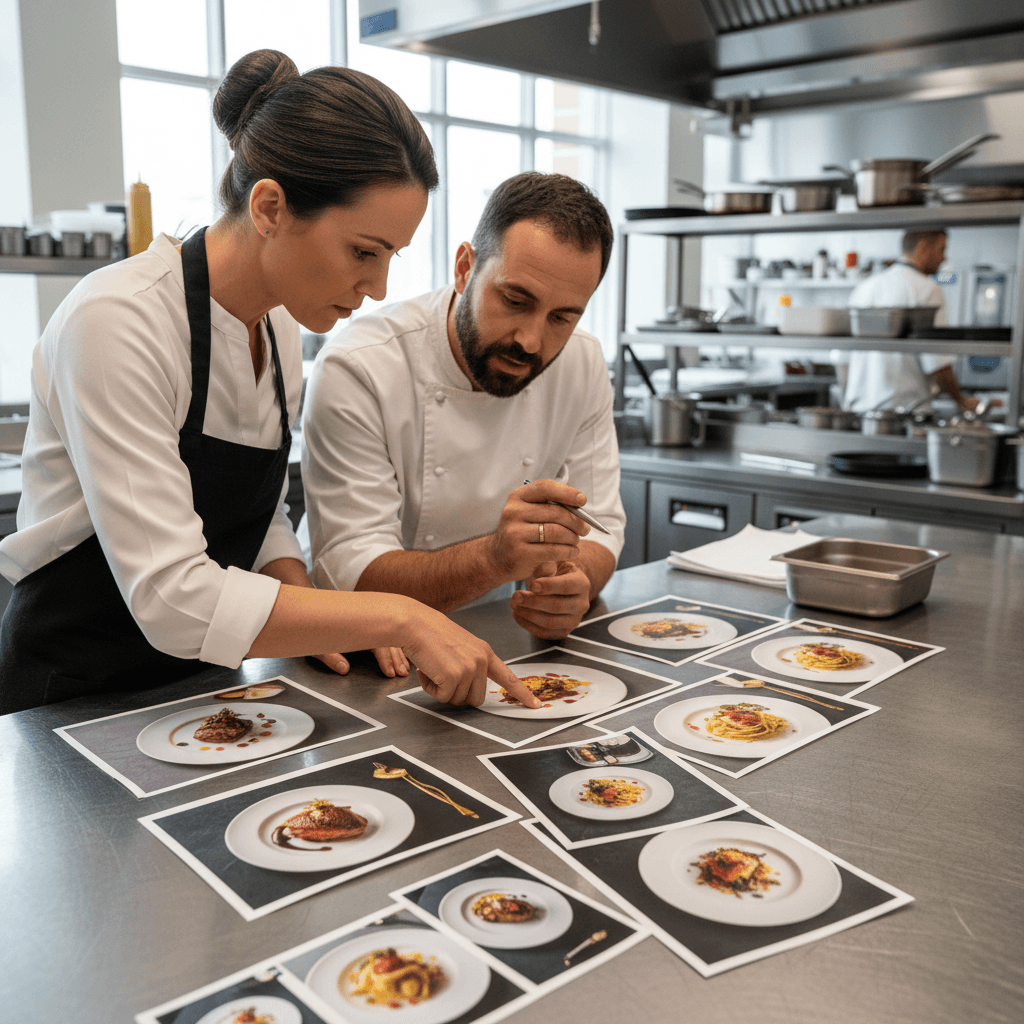
Solve this with documentation that lives in your kitchen, not in a photographer's portfolio. After your professional photo shoot for key items, print those images and post them at every plating station. Laminate them so they survive kitchen splatter. Make them part of your pre-shift briefing for new cooks: "This is exactly how the salmon should look when it leaves this station." For phone-shot items, do the same with your best in-house photo from that Tuesday session.
Your Next Move with Visuals
Start with your five most profitable dishes - hire a pro for those only. Use your phone for everything else, but do it all in one two-hour session with the same light source. Test both sets of photos by tracking which items get ordered more after you update your menu.
The testing part is crucial and often skipped. Update your digital menu on a Tuesday when business is predictable. Track sales for two weeks before and two weeks after the change for those five key dishes specifically using whatever simple system you have - even if it's just comparing line items on daily sales reports from your POS system.
What you're looking for isn't just total sales increase (though that matters). You're looking for changes in customer behavior patterns:
- Does that $38 steak now sell more frequently as an add-on to other entrees?
- Are tables ordering more appetizers because they look cohesive with main courses?
- Is there less send-back or modification requests on dishes with accurate photos?
This data tells you whether your visual investment is working or not.
Manual systems work but require discipline - someone must remember to take consistent photos during that Tuesday window, someone must update all digital platforms with new images, someone must track sales data before and after.
Modern restaurant technology can automate parts of this workflow once you establish good manual habits first.
Digital menu platforms can help you A/B test different photos to see which drives more orders without changing anything else about the dish or price. Inventory systems connected to sales data can automatically flag when a dish with new photography starts moving faster or slower through inventory. Scheduling tools can remind managers to conduct quarterly visual audits against posted plating standards.
The technology doesn't replace good process - it supports consistency after you've established what consistency looks like on your plates during actual service.
Taking the Next Step
The choice between DIY photos and professional photography comes down to margin protection and operational clarity. Your most profitable items deserve investment that shows their value visually. Everything else needs consistency more than perfection.
Track what happens when customers see exactly what they'll get before they order. The right mix saves money while building trust between your digital presence and dining room reality. view our pricing shows options designed for restaurants managing this exact balance between quality and cost. start a free trial lets you test how digital tools support consistent visual standards across every service period