When Customers Refuse to Download Your App
Customers abandon orders when forced to download apps. Learn how no-download QR ordering keeps them at your table and spending money during busy service.
The Silent Walkout: When Apps Become Barriers
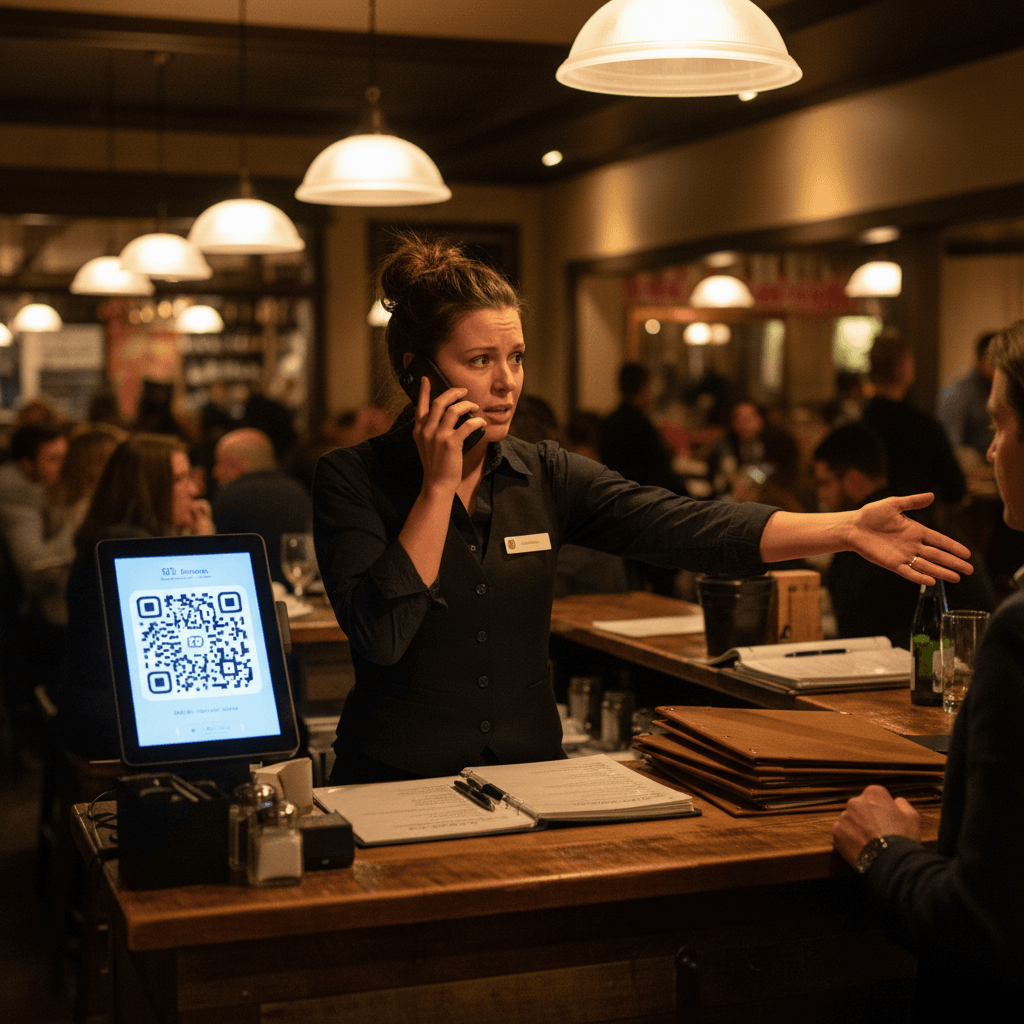
When Customers Refuse to Download Your App, you watch them scan the QR code, then put their phones down. The table goes quiet. They're not deciding what to order - they're deciding whether to bother. Every restaurant owner has seen this moment. The app download prompt appears, and suddenly your hungry customers become tech critics. During Friday night rush, this hesitation costs you real money. Tables sit empty longer. Servers make extra trips for 'just one more minute.' The kitchen gets staggered orders instead of clean tickets.
The server sees the body language first. A couple leans back from the table, phones dark on the tablecloth. They look at each other, then around the dining room for a human face. Your server is already three tables deep in drink orders. That quiet table just added five minutes of dead time to their turn. Five minutes doesn't sound like much until you multiply it by every hesitant table during peak hours. That's lost revenue sitting right there, staring at a phone screen they don't want to use.
This connects directly to a broader operational strategy for making technology work for your team, which we break down step-by-step in QR Codes in Restaurants: A Practical Guide. That guide moves past theory into the exact floor plans and staff training that prevent these silent walkouts.
Paper Menus and Patient Servers
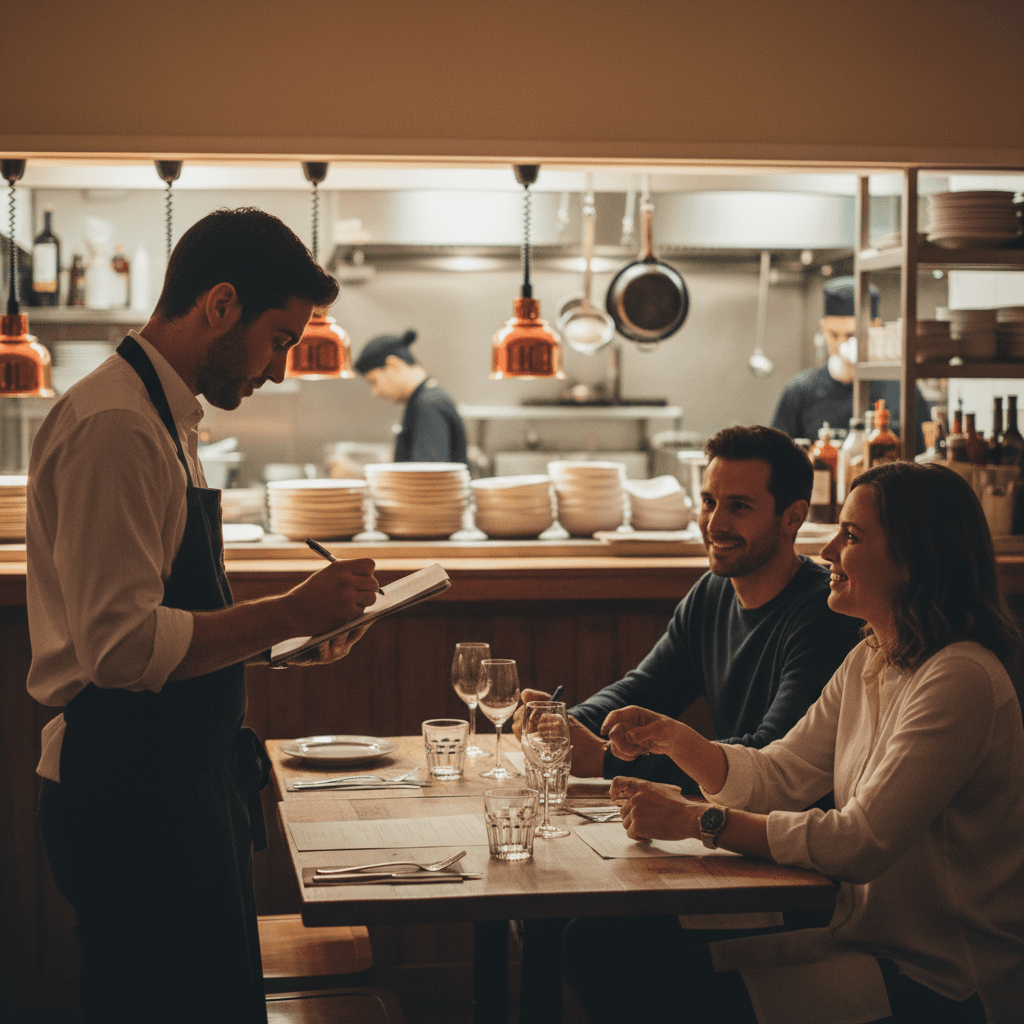
The obvious fix feels simple: keep paper menus handy. Train servers to take orders manually when customers resist technology. Have backup systems ready. This works until 7 PM on Saturday when every table needs attention at once. Your best server spends ten minutes walking one couple through the menu while three other tables wait for drink refills. The hard truth nobody wants to hear: being customer-service heroes during rush actually hurts your overall service. That extra attention for one table means neglected service for others.
You need a system that doesn't rely on heroic effort. Heroic effort is unsustainable and creates inconsistent service. Some tables get the royal treatment while others get ignored because their server is playing tech support elsewhere.
The Rule: Every table gets the same access path to ordering within 90 seconds of being seated.
This isn't about being rigid. It's about fairness and flow. If Table 12 needs a paper menu, that menu must be within arm's reach of their server station. Not in the back office. Not behind the bar under a stack of coasters. On a dedicated hook or shelf at that server's primary service area. The moment they see resistance, they grab and go without breaking stride.
When Manual Solutions Create New Bottlenecks
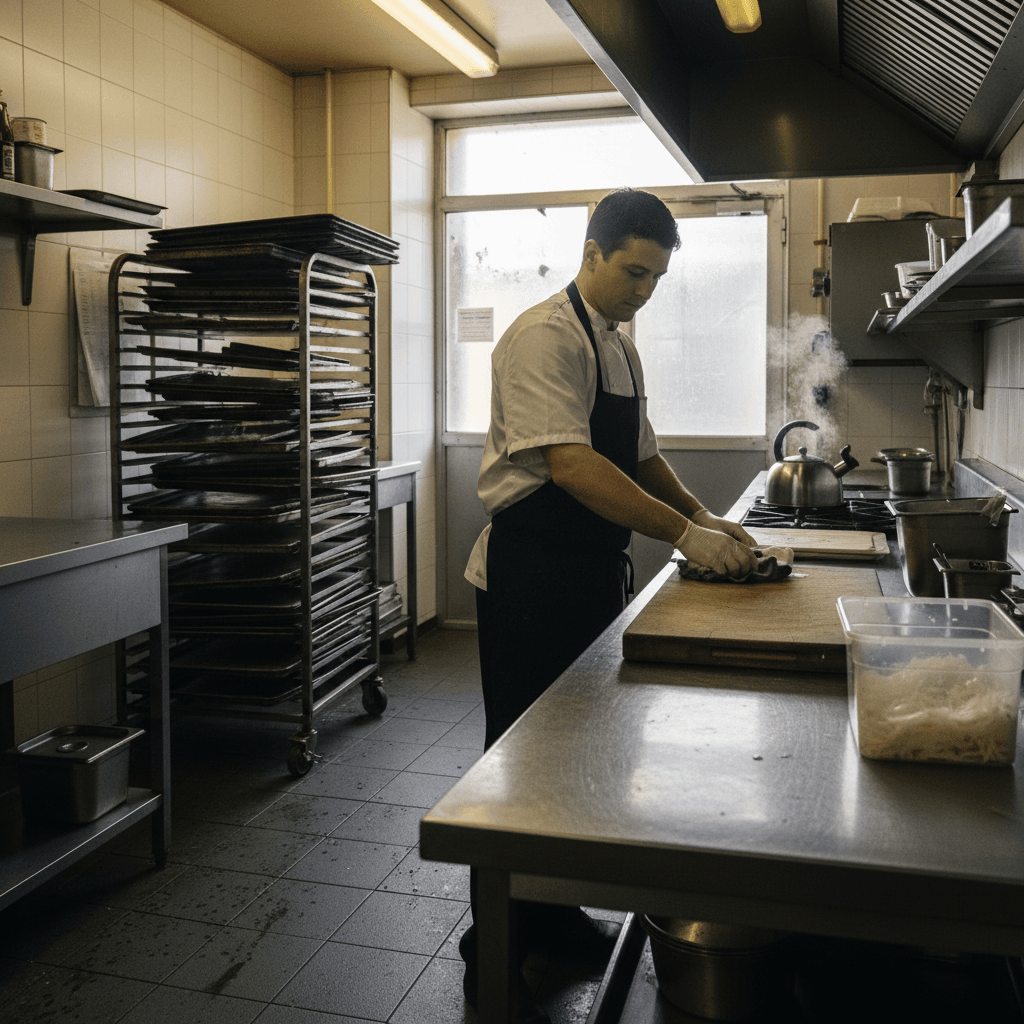
You solve the app problem but create a pacing problem. Servers become human QR codes - they physically carry orders from table to kitchen instead of digital systems doing it instantly. Expo calls out three tickets at once while your server is still writing down a complicated modification. The kitchen times get thrown off because handwritten tickets arrive in clusters instead of steady flow. You wanted to remove friction for customers but added friction for your entire operation.
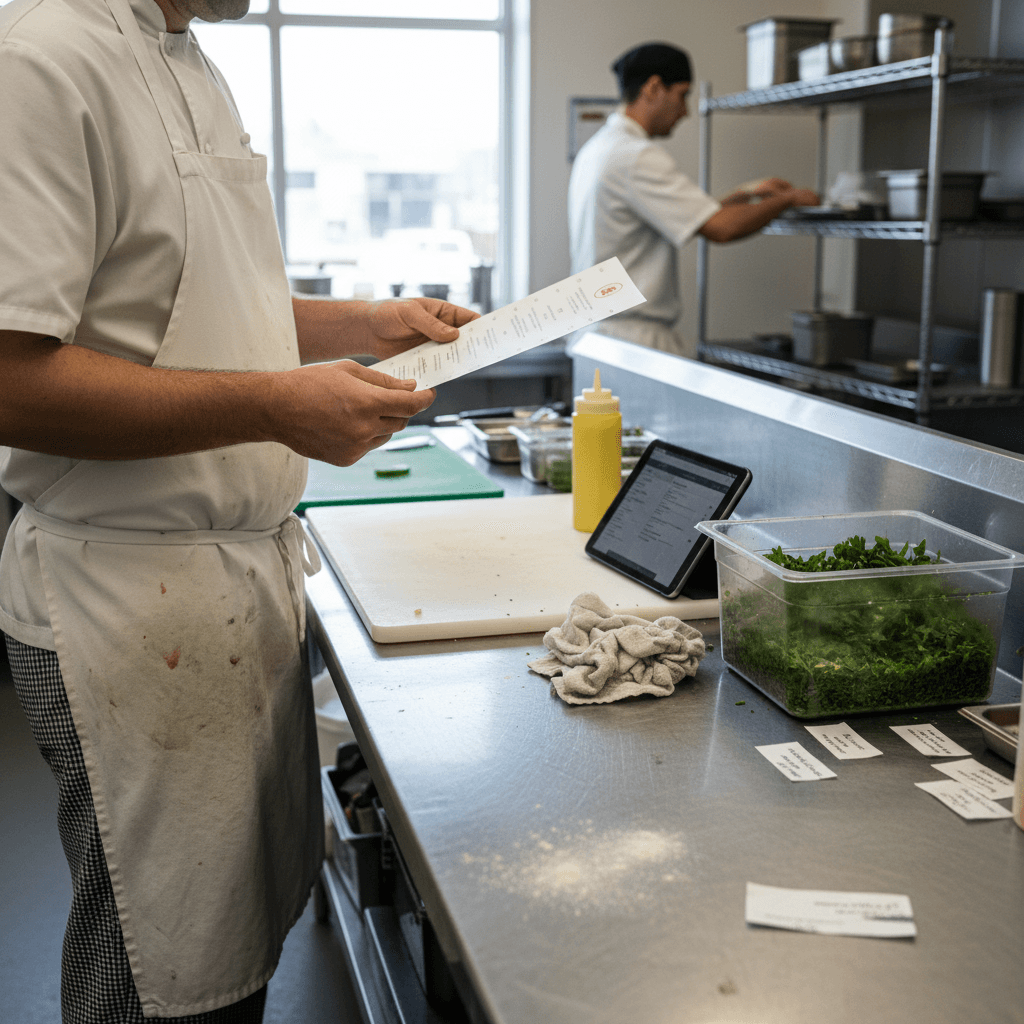
Watch the expo station during this transition. Digital orders flow in one by one as customers tap their phones. Handwritten orders arrive in batches when servers finally make it back to the kitchen with their notepads full. The kitchen gets slammed with five tickets at 7:15 PM, then has nothing new for six minutes while servers are back on the floor taking more manual orders. This uneven flow burns food and frays tempers.
The fix is a hybrid rhythm. Designate one server per shift as the 'manual order runner.' Their primary job is to collect handwritten tickets from other servers and input them into the POS immediately. This keeps the kitchen's ticket rail moving steadily instead of in chaotic bursts. The other servers stay on the floor, maintaining drink service and table checks while the runner handles the data entry bottleneck.
This role rotates each shift so no single server bears the burden. It turns a systemic weakness into a managed process.
The Frictionless Future Starts at Table 34
Stop thinking about technology as something customers need to learn. Start thinking about service as something that should disappear into the background. The next shift begins with one simple change: make ordering invisible. When customers don't notice how they order, they focus on what they're ordering - and keep ordering more.
The goal isn't to force technology on anyone. The goal is to make the act of ordering so effortless that customers don't think about it at all. They think about the truffle fries or the craft cocktail special instead.
This starts with physical cues before they even sit down. Place a small, elegant stand on each table with two options: a QR code that opens instantly in any phone's camera (no app store redirect) and a line of text that says "Prefer a menu? Just ask any team member." The wording matters. "Just ask" is permission, not an obstacle.
Train your hosts on a simple script: "Welcome in! You can scan to see our menu right from your seat, or I'm happy to bring you one." This gives control back to the guest immediately. No pressure, just options.
During service, servers should glance at tables within two minutes of seating. If phones are down and no ordering has happened, that's the signal for a quick check-in: "Getting settled? Need anything to start?" Often, that gentle nudge is all it takes to move them from hesitation to action.
The manual systems we've outlined work, but they require constant discipline and management oversight. Modern digital ordering platforms are built specifically to eliminate these friction points without requiring app downloads from guests.
These systems allow customers to order directly from their phone's browser while keeping your kitchen's ticket flow steady and predictable.
Taking the Next Step
The path forward is clear: give customers effortless options while protecting your kitchen's rhythm and your staff's sanity. The logic isn't complicated - it's about removing obstacles before they become problems during your busiest hours.
If you're ready to stop losing tables to download screens and start serving more guests smoothly, view our pricing for systems designed around actual restaurant shifts or start a free trial to see how invisible ordering works during your next Friday night rush