When Color-Coded Cutting Boards Fail
Your allergy system is broken if it stops at colored boards. Build a kitchen-first defense that works during the Friday night rush when tickets pile up.
The Hidden Cross-Contamination That Color Coding Misses
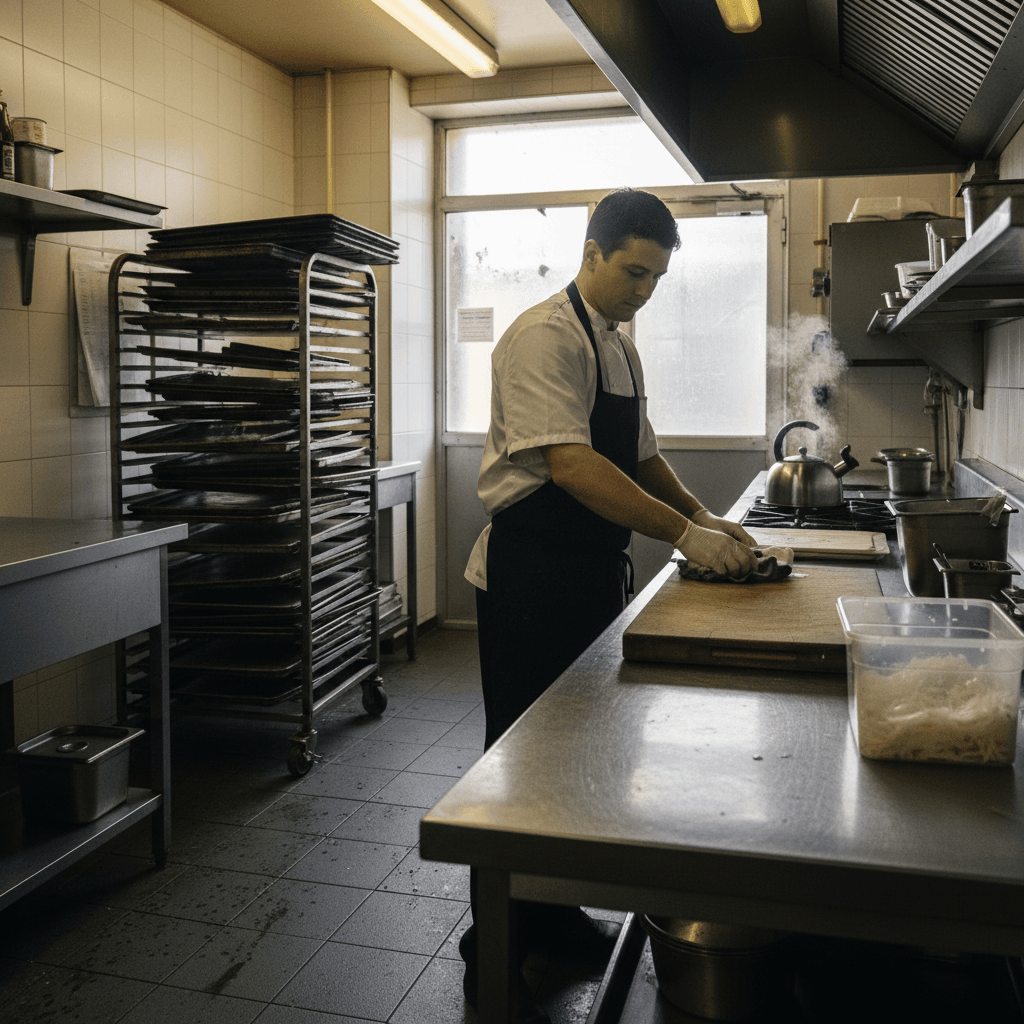
When Color-Coded Cutting Boards Fail, it's usually on a Saturday night at 7:45 PM. The expo station has four tickets hanging, the fry cook is using one pair of tongs for gluten-free sweet potato fries and regular onion rings, and a server just rushed back to say Table 12 forgot to mention their shellfish allergy. The colored boards are clean and stacked neatly by the prep sink. They did their job during the slow afternoon prep. They are useless right now.
The real breakdown happens in the three seconds between tickets. It's the line cook who wipes his knife on a side towel after cutting salmon, then uses it on a chicken breast for an allergy order. It's the server who sees the "no dairy" note but doesn't realize the sauté station uses the same ladle for the cream-based sauce and the vegan broth. Your most dangerous cross-contamination risks are not on the cutting board. They are in the frantic hand-offs, the shared utensils, and the missed communication when the printer won't stop. This is about building a system that works when everyone is moving at rush speed, not just when they have time to think. For a complete breakdown of moving from menu notes to an operational safety system, see our guide Allergen Safety: Beyond the Menu Card.
Build Your Kitchen's Allergy Defense System
Color coding is a good start, but it's only a start. You need to build zones.
A zone is more than a board. It's a dedicated space with its own tools, its own plating area, and its own path through the kitchen. For high-risk allergens like gluten or nuts, this is non-negotiable. The Rule: If an item can cause a severe reaction, it gets a full zone. Not just a purple board. A purple board, purple-handled knives, purple tongs, and a purple quarter-sheet pan for plating. That zone does not touch any other station.
Your most experienced cook is your biggest risk. They work fast. They develop muscle memory that saves seconds - grabbing the nearest spatula, wiping a knife quickly, reusing a bowl. During a rush, those saved seconds feel essential. But that's exactly when you need them to break their habit and work at allergy speed.
Allergy speed is different. It means stopping, looking at the ticket again, clearing a small workspace, and using only the tools from the dedicated allergy kit. Train for this during slow periods. Run drills where you call out "severe nut allergy on ticket 42" and time how long it takes the line to set up the zone correctly. The goal isn't to be slow. The goal is to make the safe process the automatic one, even under pressure.
When Your System Breaks During The Rush
You'll know your defense is cracking when the expo calls three separate allergy mods across different stations at once. The fry cook has one basket for celiac orders but is using shared tongs. The sauté cook is reading tickets off a screen cluttered with modifiers, and the tiny "no shellfish" flag gets lost. The manager is running food and can't watch every hand-off.
The bottleneck isn't knowledge. Every cook knows not to put peanuts in a peanut-free dish. The bottleneck is communication under sheer volume.
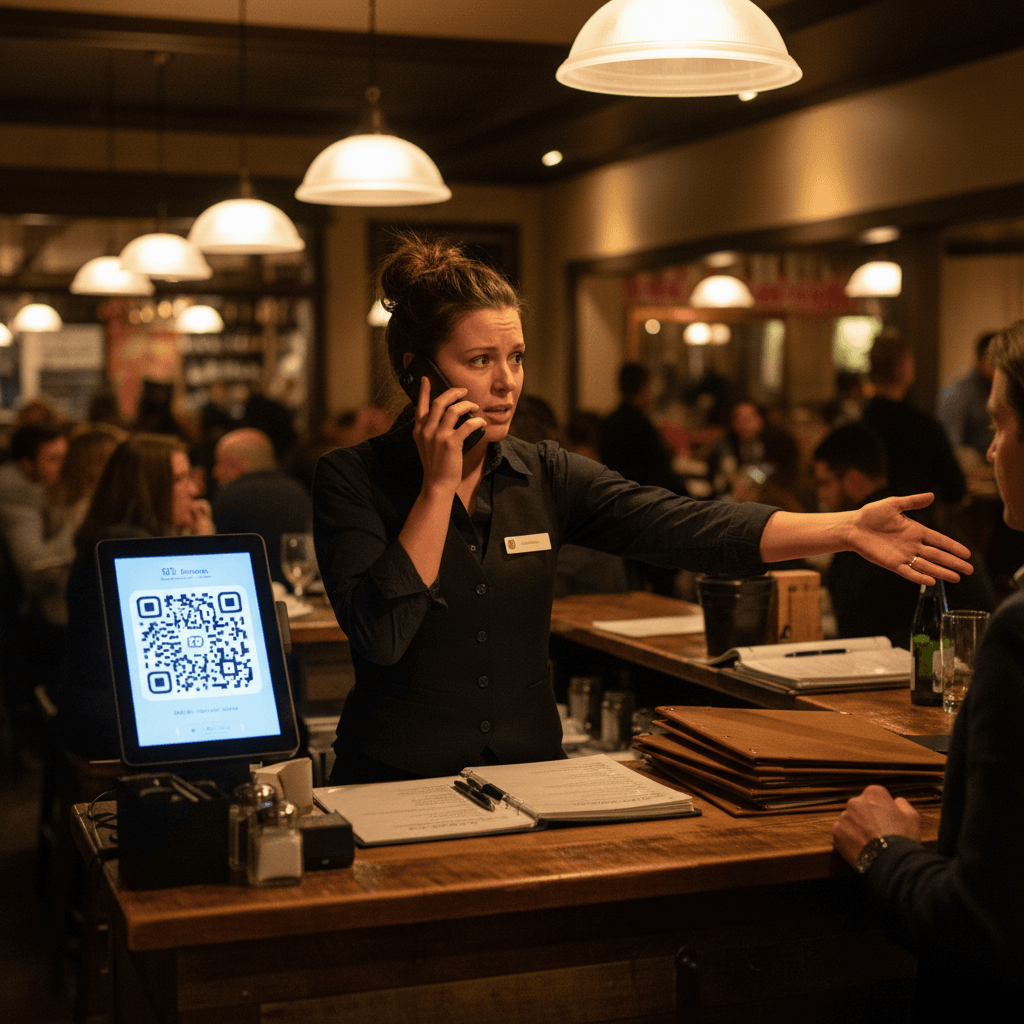
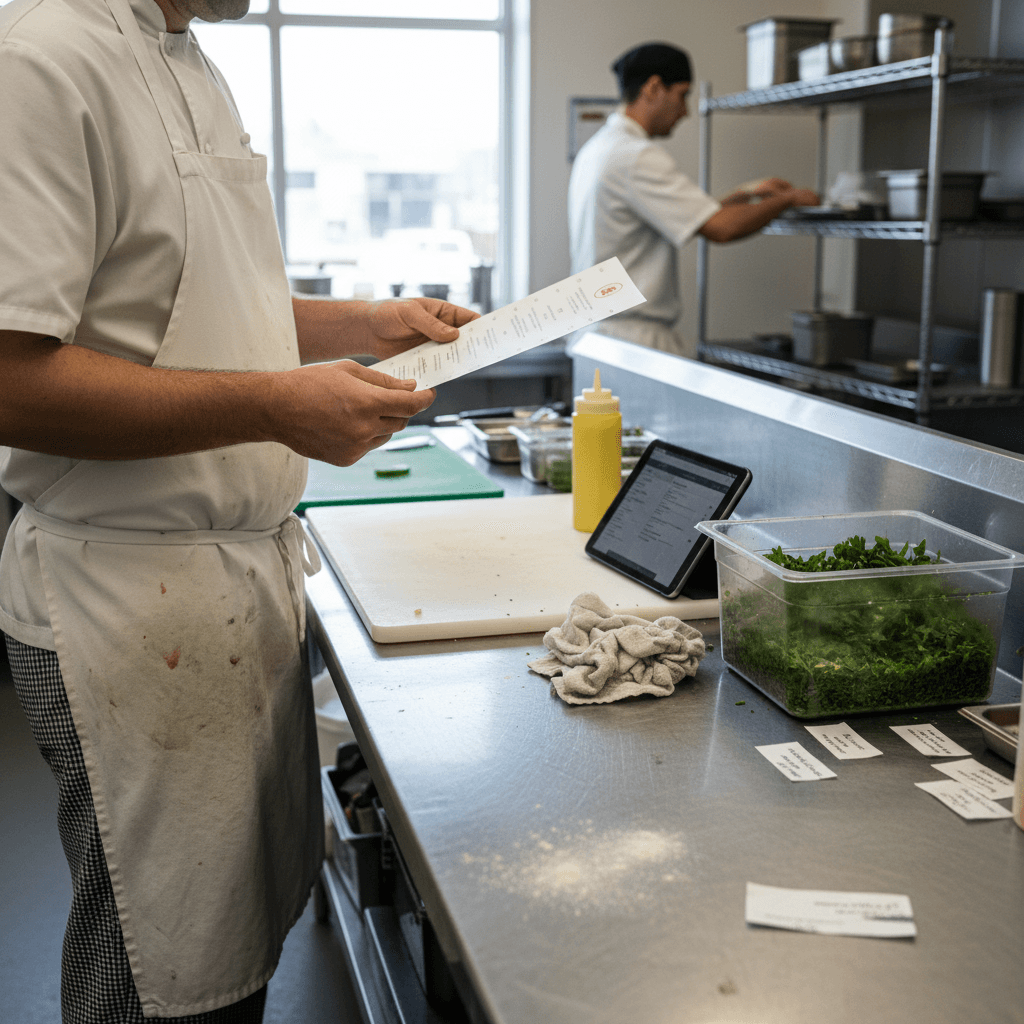
Servers get flustered and forget to press the "allergy alert" button on the POS, so the ticket prints normally. Line cooks glance at tickets but focus on the protein and temperature - "two salmon, one mid-rare" - missing the critical note scribbled below. The expo tries to be the gatekeeper, but they're also calling pick-ups, wiping plates, and managing the window.
This is where visual systems save you. Color isn't just for boards.
Put colored tape on utensil handles for allergy zones - bright green tape for vegan items, red tape for gluten-free tools. Create a dedicated allergy plating station that servers can see from the pass. When they bring an allergy ticket to expo, they point to that station. It creates a physical checkpoint.
Develop a simple hand signal between expo and line cooks. One finger pointed up could mean "stop, severe allergy on next ticket." This cuts through kitchen noise instantly. The cost is zero. The effectiveness is measured in prevented disasters.
From Defense To Offense: Making Allergies Your Strength
A perfect allergy response during your busiest hour is not just safety - it's marketing.
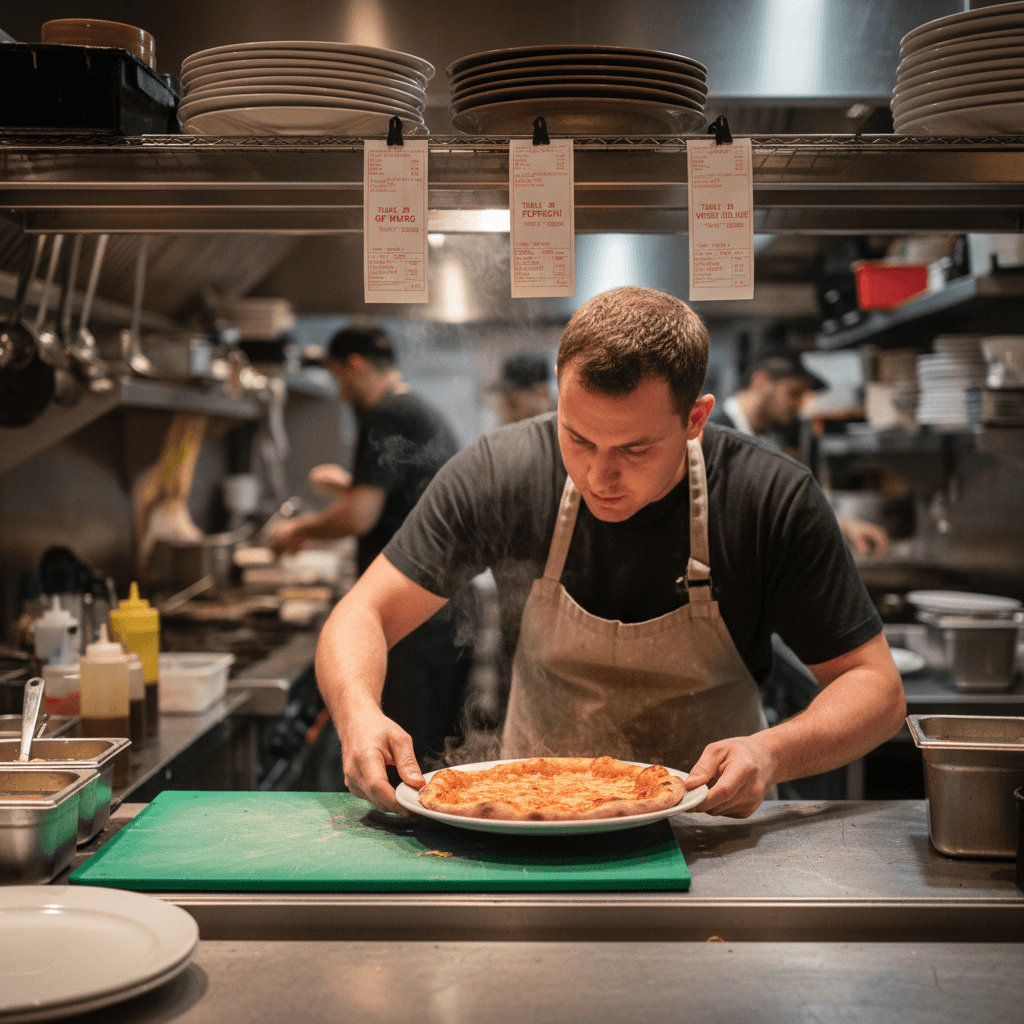
Guests with allergies are watching you closely. They see the server double-check with the kitchen manager. They notice their food comes out on a different colored plate from a separate area. They see the expo point directly at their dish when calling it to the runner. That visible execution builds immense trust.
Turn your protocol into a signature feature. Train hosts to ask about dietary restrictions during seating confidently: "Before we get started, does anyone in your party have any food allergies or dietary needs we should alert the kitchen about?" This proactive question moves the responsibility from a last-minute scribble on a ticket to a standard part of your service rhythm.
When that guest sees your team handle their complex order flawlessly while simultaneously managing a full dining room, they will tell their friends. They will post about it online. They will become regulars because they feel safe. Your operational burden becomes your competitive advantage.
Manual systems built on training and clear zones are powerful, but they rely on human discipline every single shift. Modern kitchen display systems can automate critical parts of this workflow by forcing allergy alerts to be acknowledged before tickets fire to specific stations, creating digital checkpoints that don't get lost in the rush.
Taking the Next Step
Building this system requires shifting your team's mindset from seeing allergies as a complication to viewing them as a core part of your service standard. The logic is clear: safer guests mean fewer emergencies and more loyal customers.
The manual fixes described here - zoning, visual tools, communication drills - lay an essential foundation that no software can replace. To explore how digital tools can reinforce this foundation by automating alerts and creating fail-safe ticket trails, you can view our pricing or start a free trial to see how it integrates into your existing kitchen flow during your next busy service