What Your Guests Won't Tell You
Most guest feedback forms ask the wrong questions. Here's how to get honest answers that actually fix service problems before customers walk out.
The Silence Before the Storm
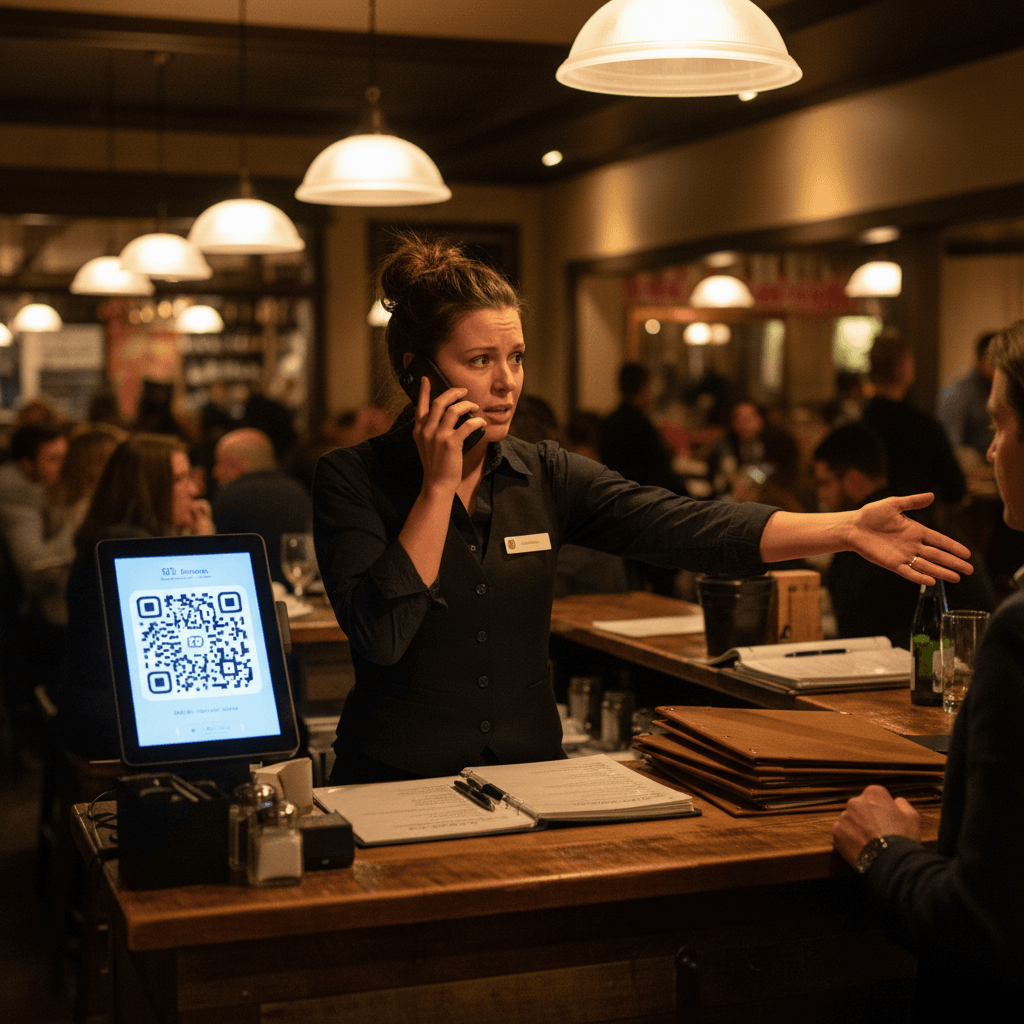
What your guests won't tell you is happening right now. It's Friday at 8:15 PM. The dining room is full, the kitchen is in the weeds, and table 12 has been waiting 28 minutes for their entrees. They haven't flagged down their server. They aren't sending back cold food. They're just sitting there, quietly deciding this will be their last visit. The quiet table that never sends food back is often the one that never returns.
Most feedback forms ask about food temperature and wait times - but those aren't the real problems. Guests complain about cold food when they really mean "I felt ignored for 20 minutes." They mention slow service when they mean "No one checked on us after we got our entrees." The complaint is a symptom. The real disease is how your guests feel during the gaps in your service sequence. This connects directly to the operational breakdowns we map in When Service Breaks Down at 7 PM, which shows how to fix the real problems before guests walk out.
The Rule: A silent guest is a dangerous guest. When they stop giving you feedback during the meal, they've already made up their mind to leave for good.
Three Questions That Actually Work
Forget the standard 1-10 scales that generate meaningless averages. Those numbers don't tell you what to fix before tomorrow's dinner rush. Ask these three questions instead during checkout or on your digital receipt.
First: "What's one thing we could have done to make tonight better?" This gets specific, actionable feedback instead of vague ratings. A guest might write "Our server disappeared after appetizers" or "The music was too loud for conversation." Both are clear instructions for your next pre-shift meeting.
Second: "Did anyone on our team stand out tonight?" This tells you who's doing great work and what good service looks like at your restaurant. When three different guests praise Sarah for remembering their anniversary, you have a training moment. You can tell other servers: "Be like Sarah. Notice the details that matter."
Third: "Would you recommend us to someone looking for [your specialty]?" Insert what you're known for - wood-fired pizza, craft cocktails, Sunday brunch. This reveals if you're delivering on your core promise. If someone says "I'd send friends here for drinks but not dinner," you know your bar program works but your kitchen needs attention.
The Hard Truth About Timing
Here's what most restaurants get wrong: asking for feedback at the wrong moment. Paper comment cards left on tables get filled with complaints about decor or generic praise like "Great food!" Digital surveys sent days later get ignored or filled with distorted memories of a meal that's already faded.
The sweet spot is within 30 minutes of paying the bill - when the experience is fresh but emotions have cooled slightly. This isn't about catching guests in a heated moment. It's about capturing accurate details while they still remember which server brought the wrong side dish, or how long they waited for their check.
Think about your own shifts. When a guest pays at 9:42 PM, they remember exactly what happened between their 8:15 reservation and that moment. By tomorrow morning, it all blurs together into "service was slow." You need the specifics from tonight to fix tomorrow.
When Paper Stops Working
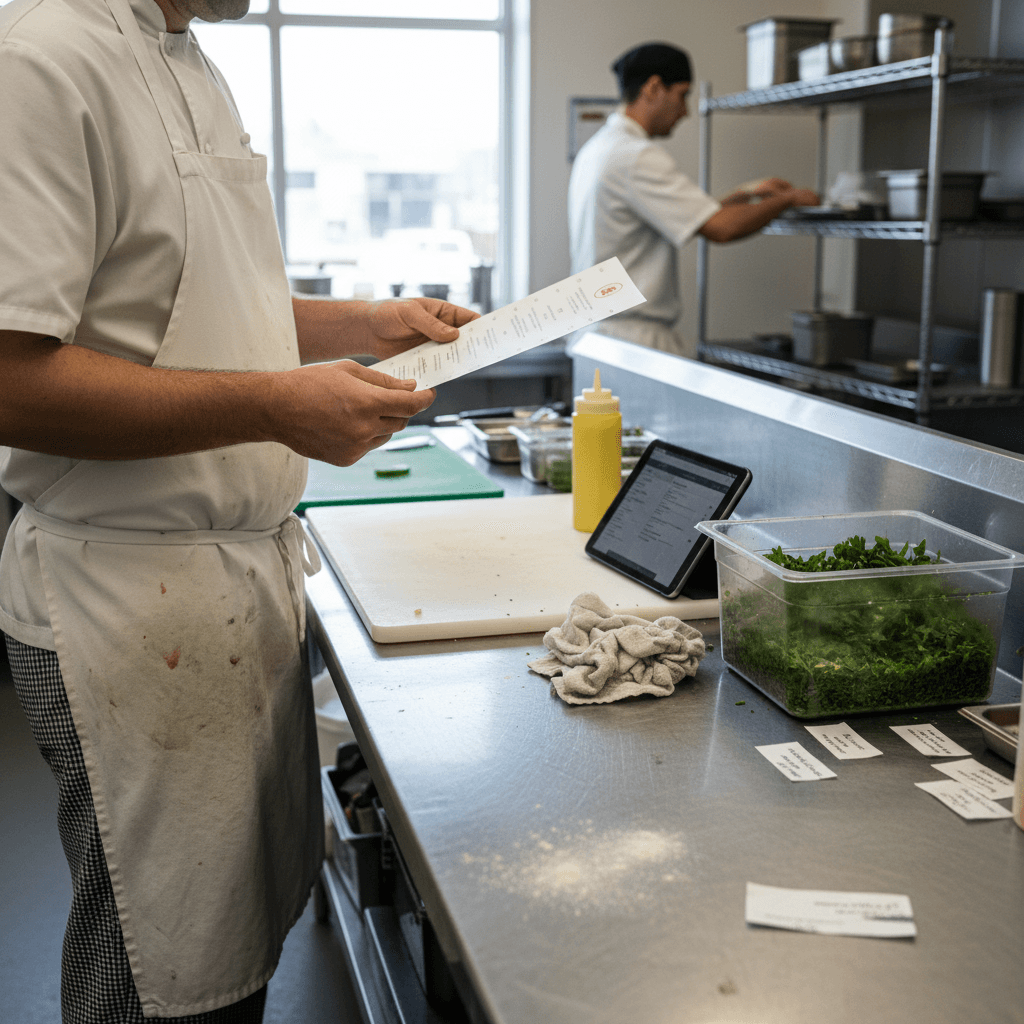
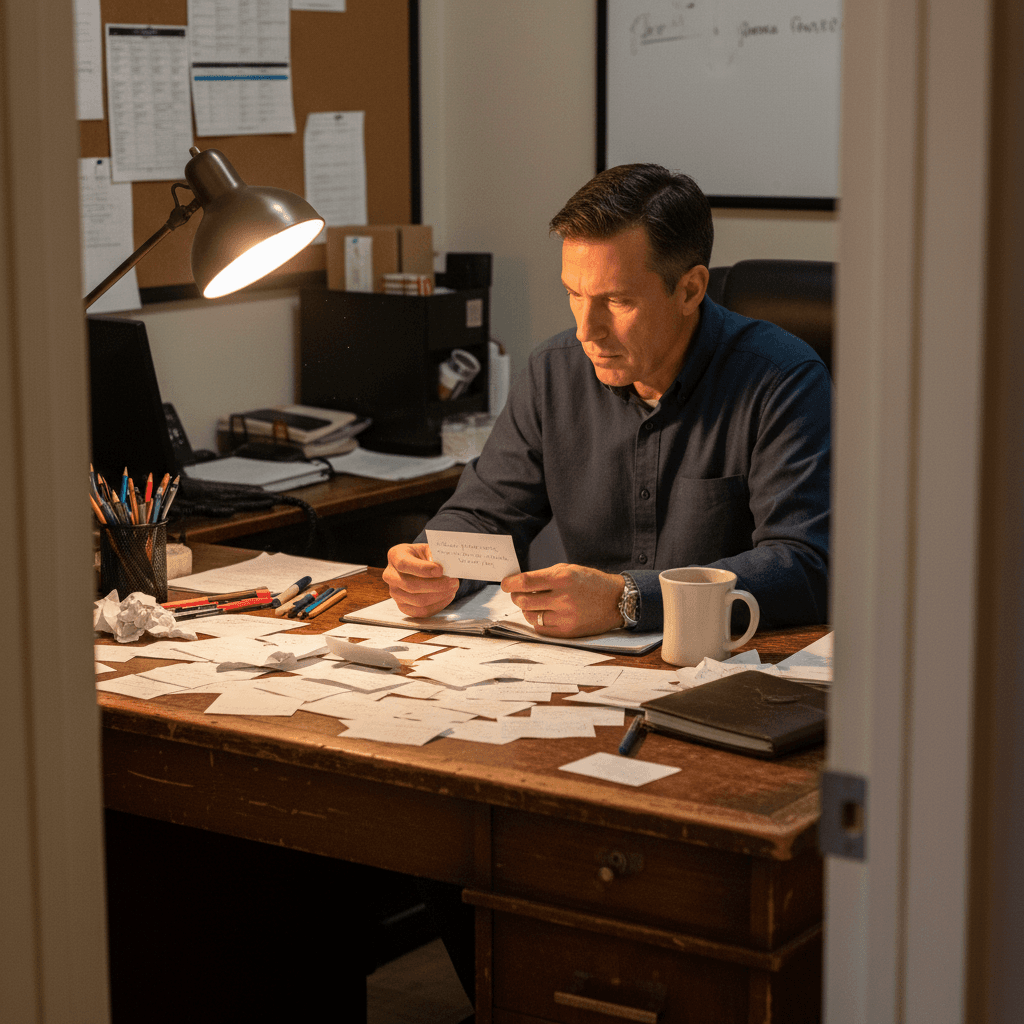
Collecting handwritten cards creates an immediate bottleneck. Someone has to type them up during prep time when they should be checking inventory or setting up stations. Sorting through 50 comments takes hours you don't have between lunch cleanup and dinner setup.
Positive feedback gets celebrated once then forgotten in a drawer. Negative feedback triggers defensive reactions instead of solutions. A cook reads "steak was overcooked" and thinks "That guest doesn't know medium-rare." The real issue might be ticket timing or grill temperature calibration.
The bottleneck isn't getting feedback - it's turning that feedback into actual changes on the floor next Friday night. Paper comments don't organize themselves by shift, server, or problem type. You can't easily see that three different tables complained about bar service last Saturday unless you manually comb through every card.
From Complaint to Change in One Shift
The real value isn't in collecting guest opinions - it's in creating a system where those opinions change how you operate within one business cycle.
When three guests mention slow bar service on Saturday nights, that becomes next week's pre-shift focus for bartenders. You don't need a long meeting - just five minutes showing them the specific comments and saying "These three tables waited too long for drinks last Saturday. Let's talk about our well setup and cocktail sequencing."
When multiple people praise a server's wine knowledge, that becomes training material for the whole team. You can say "Jessica got three compliments on her wine pairings last week. On Tuesday, she'll show us her approach during family meal."
Feedback should flow directly into your next staff meeting, not sit in a folder on your desk. Create a simple rule: Every piece of guest feedback gets addressed within seven days, either as training, process adjustment, or equipment check.
This requires discipline more than technology initially. Designate one person - maybe a manager or senior server - to review all feedback before each pre-shift meeting. Their job is to find patterns and present one actionable item per shift.
Taking the Next Step
What your guests won't tell you directly will eventually show up in empty tables and declining sales. The system described here moves feedback from passive collection to active operational improvement within days, not months.
The logic is straightforward: capture specific comments at the right moment, organize them by actionable patterns, and implement changes before the same problem affects another guest.
To streamline this process beyond manual methods, modern digital tools can automate collection and organization while preserving the human analysis that drives real change on your floor.
If silent dissatisfaction is costing you repeat business, view our pricing for solutions that fit restaurant operations or start a free trial to see how automated feedback collection works during your next busy weekend service