What 86 Means in Restaurants (And Why It Matters)
When your kitchen calls '86' during rush, it's not just a word. It's a system failure that costs you money and frustrates guests. Learn what it really means.
The Real Cost of Calling '86' During Rush
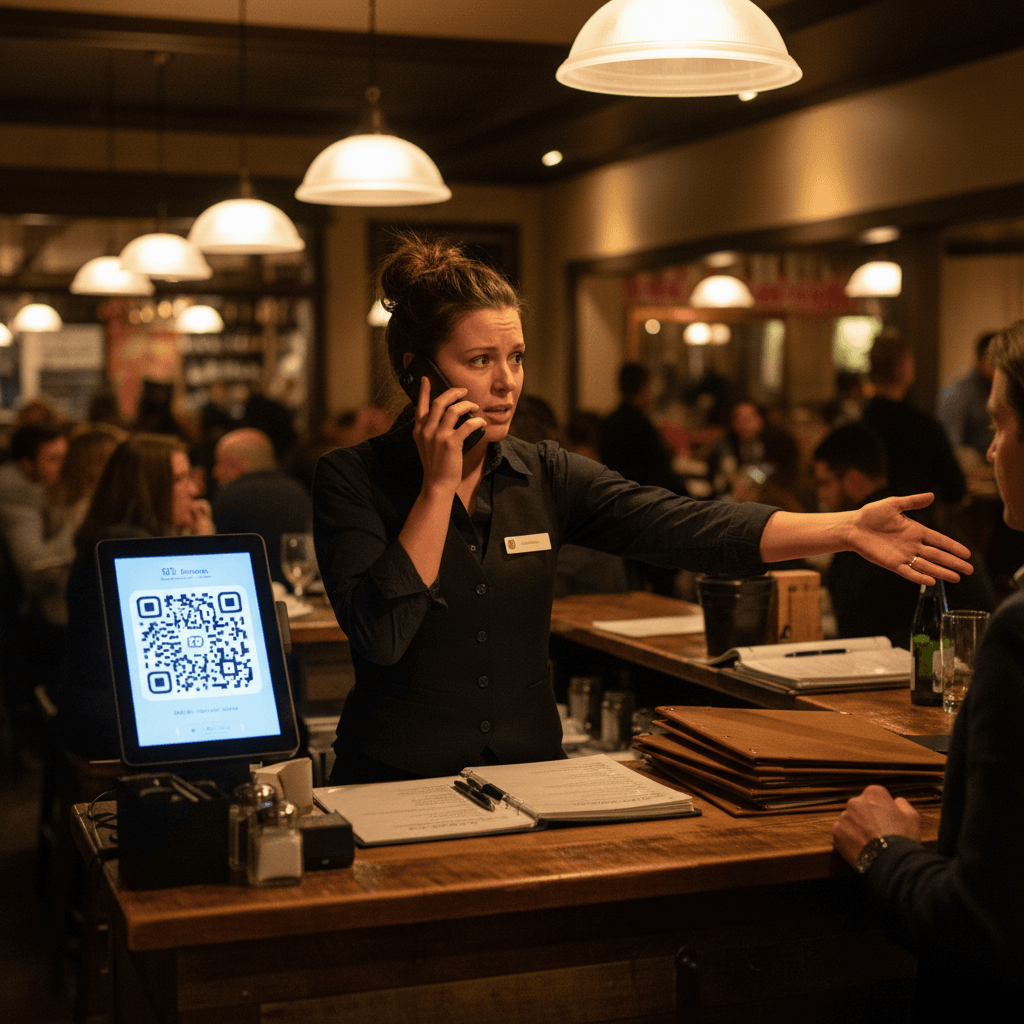
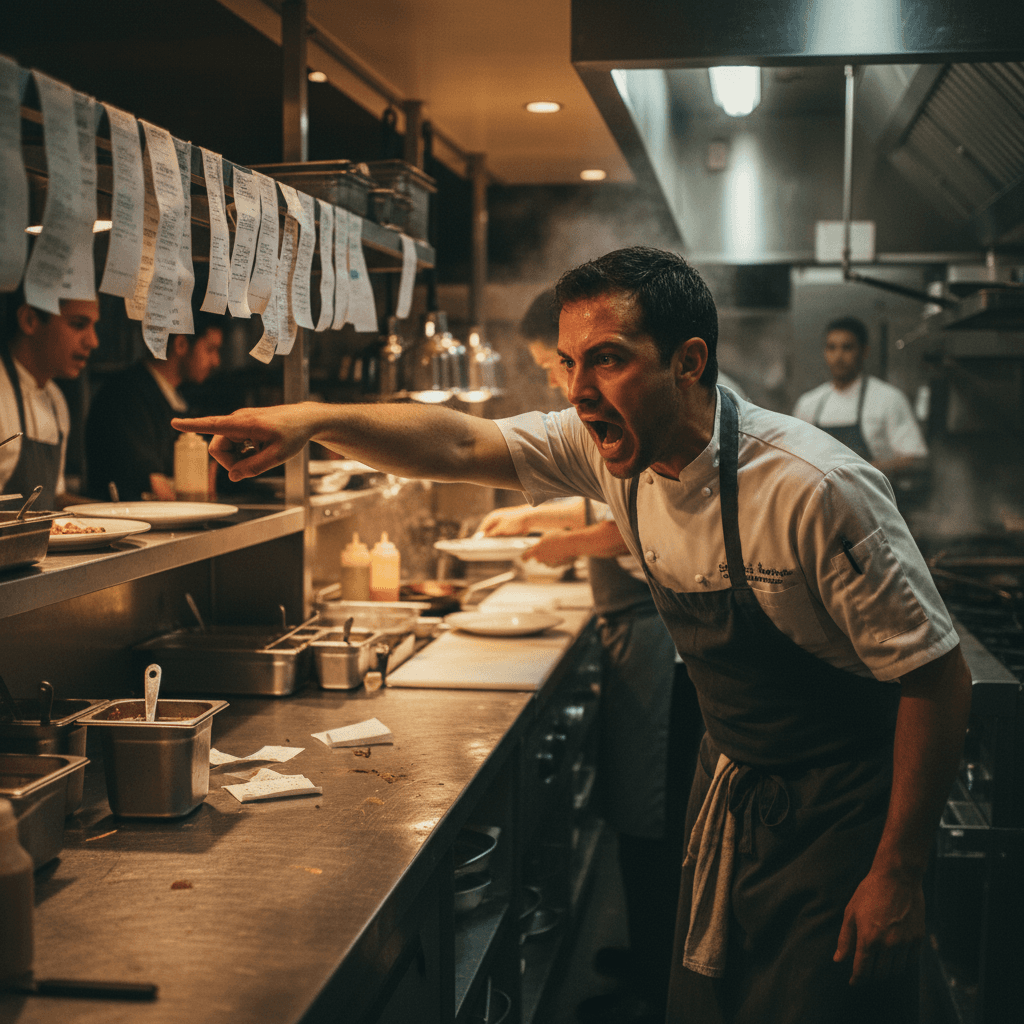
It's 7:45 PM on a Friday. Your expo just yelled "86 salmon" across the line. The server at table 12 heard it. They promised the salmon special five minutes ago. Now they have to walk back and tell their guests you're out. The kitchen prepped 25 portions. They sold 24. That last order is where the real money disappears.
What 86 Means in Restaurants (And Why It Matters) isn't just about running out of food. It's a breakdown in your communication chain that costs you three ways immediately. First, you lose the profit from that specific sale. Second, you waste the prep time and labor that went into every other ingredient on that plate - the vegetables, the sauce, the garnish. Third, you create friction for your staff that slows down the entire dining room. Servers get frustrated having to re-sell. Cooks get annoyed by the interruption. Managers start scrambling to find a substitute special.
This moment exposes a deeper system failure, one where your kitchen speed depends on information flowing correctly before the rush hits. For a complete breakdown of how to fix those underlying timing issues, see our guide on Kitchen Speed: When Your Line Cooks Are Waiting.
The financial hit is direct and measurable. Let's say your salmon dish sells for $32 with a food cost of $9. You just lost a $23 contribution margin - that's the money left after food cost to cover everything else. But the real loss is bigger. The server now spends three extra minutes apologizing and suggesting alternatives. The kitchen expo wasted thirty seconds calling out the shortage instead of plating food. That's lost productivity during your busiest window.
How to Fix It Before You Have to Say It
The solution starts hours before service, not minutes before the call. Most restaurants track inventory wrong because they do it at the wrong time. Counting product at 11 PM when you're closing down is useless for preventing a 7:45 PM shortage. Your counts need to happen when they inform action - during prep.
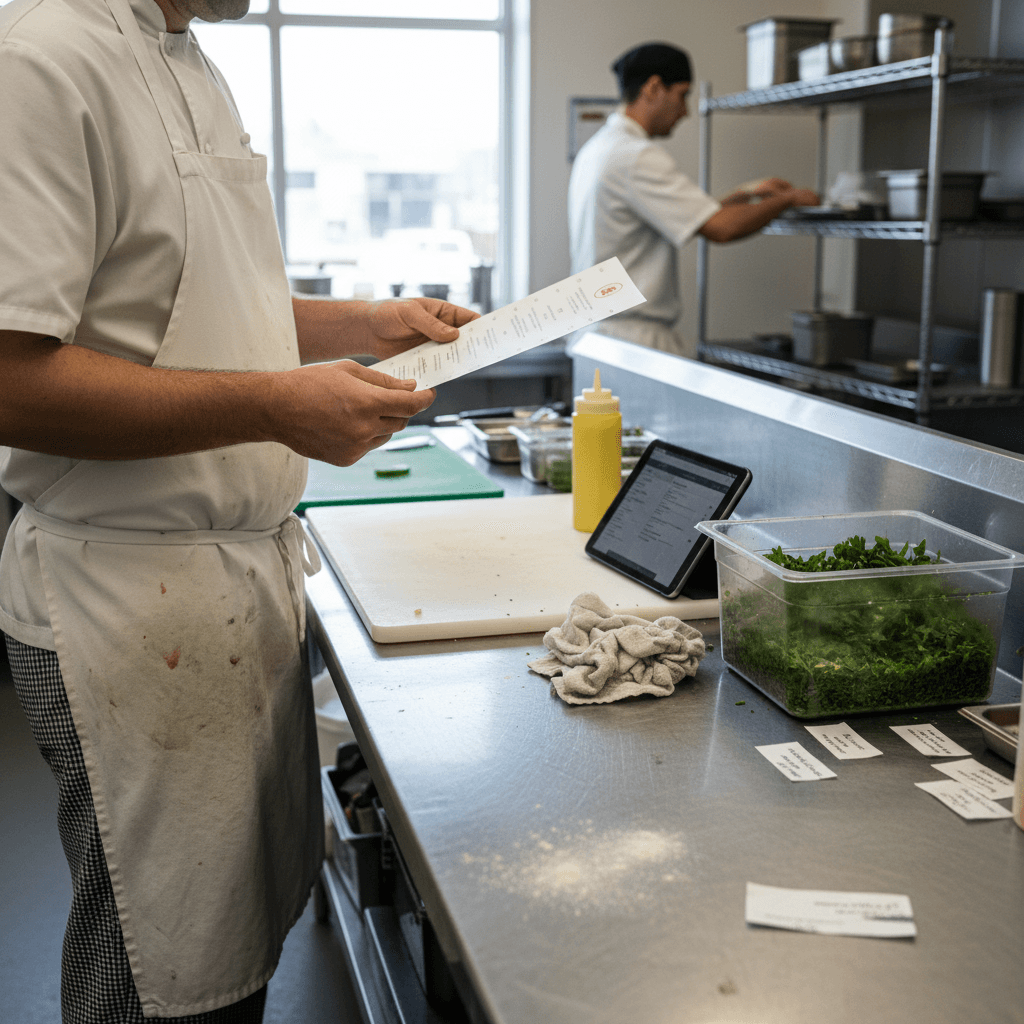
The Rule: Your lead line cook must do a physical walk-in count for all key proteins and specials at the start of their prep shift, not at the end of service. This count gets written on the prep sheet in red pen. It's not a suggestion. It's the starting number for the day.
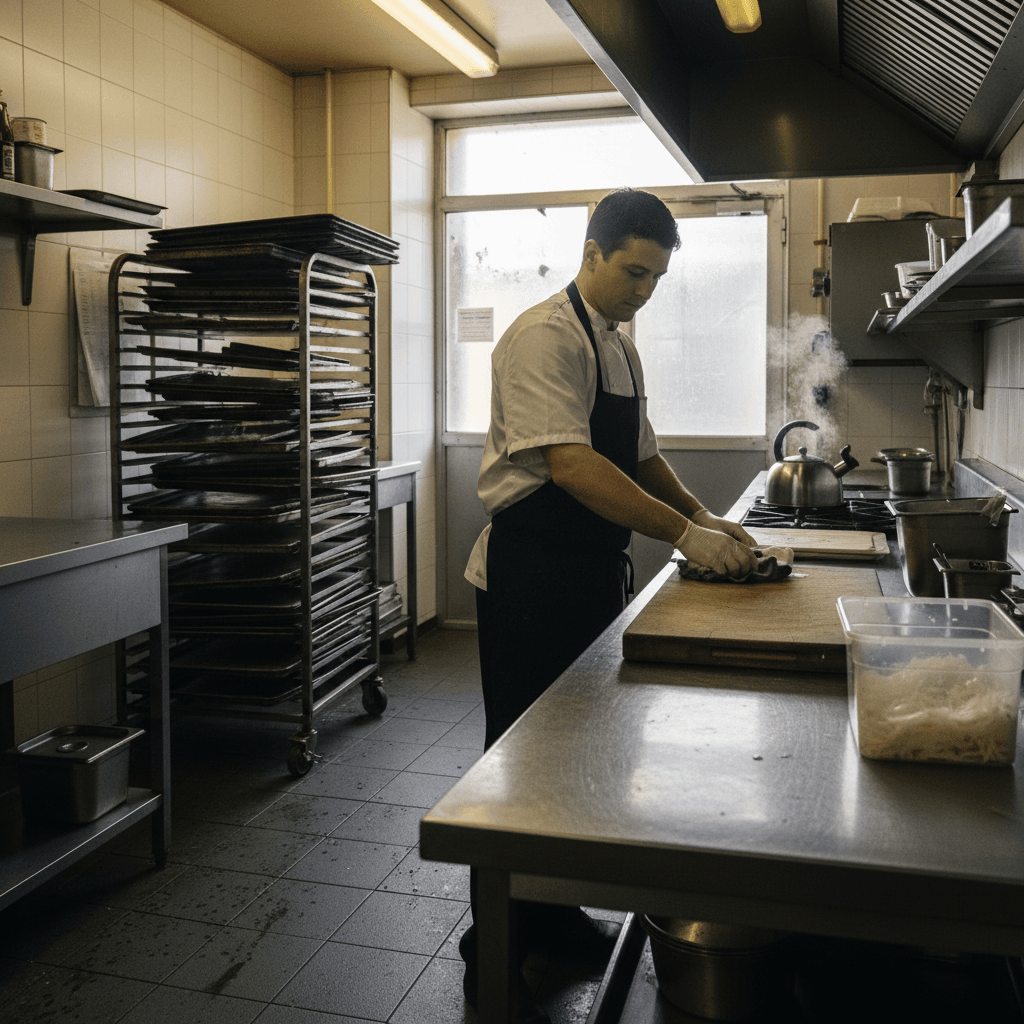
Here's how it works in practice. Your morning cook arrives at 10 AM. Before they even turn on the fryers, they open the walk-in. They count every salmon fillet, every chicken breast, every steak portion designated for tonight's service. They write "Salmon: 28" at the top of the prep list. Now everyone knows the starting point.
This simple act changes everything. Your afternoon cook comes in at 2 PM. They see "Salmon: 28" on the board. They know they have 28 portions to work with for dinner. They can mentally track as they pull product for prep. If they use 10 fillets for pre-portioning, they know there are 18 left for service. This isn't complex math. It's basic awareness.
The critical step happens next: communication to the front of house. At 4:30 PM, during pre-shift meeting, your manager or lead server must announce any potential shortages based on that starting count and projected covers. "We have 28 salmon portions tonight with 120 reservations. We expect to run low by 8 PM if it sells at our usual rate." Now your servers know before they take the first order.
When Manual Tracking Breaks Down
Even with perfect prep sheets and pre-shift announcements, Friday dinner rush changes everything. Your lead line cook is plating three orders at once while your expo calls for more fries from the low boy. Your sauté cook is searing scallops while managing two pans of sauce. No one has time to walk to the walk-in, count remaining fillets, and update a whiteboard.
This is where manual systems break down under pressure. The information exists - someone knows roughly how much is left - but it's trapped in someone's head or on a piece of paper across the kitchen. The expo might sense they're getting low on salmon because tickets are coming in fast, but they can't leave their station to verify.
The breakdown follows a predictable pattern. First comes uncertainty: "Are we low on salmon?" Then comes hesitation: "I think we have maybe four left?" Then comes the reactive call: "Expo, how many salmon we got?" By then it's often too late. The sixth salmon order just hit the printer, and you only have five portions plated.
The system works until it doesn't - and that moment always comes during peak volume when you can least afford it. That's when you hear '86' echo across the line, followed by the immediate scramble to inform every server simultaneously before they sell more.
From Reactive Calls to Proactive Systems
Stop reacting to shortages and start preventing them entirely. The best kitchens build communication into their daily rhythm so '86' becomes rare instead of routine.
Start with visual management at the point of use. Place a small whiteboard or magnetic countdown tracker right at each station where product is plated. When your grill cook pulls six salmon fillets from the low boy at 6 PM, they immediately change the number on their board from "24" to "18". This takes two seconds with a dry-erase marker.
Create clear thresholds for alerts. The Rule: When any key item hits five portions remaining, the expo must announce it to all servers immediately - not when it hits zero. "Servers, we are at five salmon remaining." This gives your front-of-house team a buffer zone to start steering guests gently without outright refusal.
Empower your expo with absolute authority over counts during rush. During peak service from 7-9 PM, only one person speaks for inventory levels: your expo. If a server asks "Do we still have salmon?", they ask the expo. The expo checks their station board or asks their grill cook directly. This creates a single source of truth during chaos.
Train servers on pivot points, not just shortages. Instead of saying "We're out of salmon", teach them to say "Our salmon is moving very quickly tonight. May I tell you about our seared scallops or our popular steak frites?" This maintains guest experience while managing inventory flow. Your servers should know what's running low before they take orders, not after they've already promised something you can't deliver.
Manual systems require discipline and consistent execution from every team member across every shift. For operations that want to remove human error from this equation, modern kitchen display systems can automate this tracking in real time. Digital tools connect point-of-sale data directly to kitchen screens, showing live counts that decrement with each order placed. This moves your team from reactive counting to proactive management without requiring someone to remember to update a whiteboard during the rush.
Taking the Next Step
Running out of product during service is a solvable problem with clear steps. Start with physical counts at prep time. Communicate those numbers during pre-shift. Use visual trackers at each station. Establish clear alert thresholds. These manual fixes work because they attach information to action at specific moments in your daily rhythm.
The logic is straightforward: if you know your starting count and you track what leaves the kitchen, you'll know when you're getting low before you run out entirely. This isn't theoretical management science. It's practical floor operations that save real money during your next Friday dinner rush.
To implement these changes systematically across your operation, view our pricing for tools that support this workflow or start a free trial to see how digital tracking integrates with your existing kitchen communication