VIP Tables That Feel Forgotten
Your best guests don't complain about slow food. They complain about feeling ignored during your busiest hour. Here's how to prevent it.
The Invisible VIP Problem
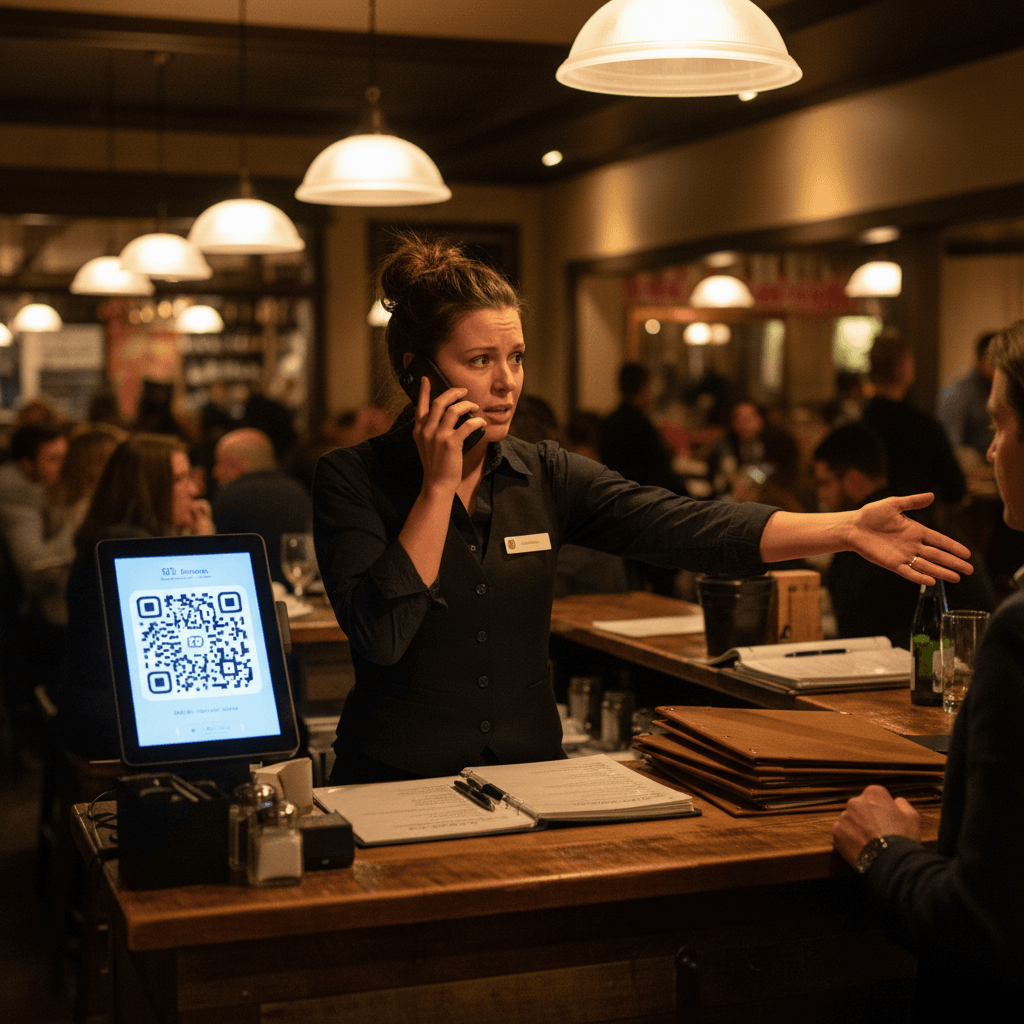
VIP Tables That Feel Forgotten is what happens at 7:15 PM on a Friday night. Three regulars who each spend $500 monthly walk through your door within minutes of each other. Your floor manager is running food to table six. Your best server just got triple-sat with new guests. Your host is seating a walk-in party of eight. Suddenly, your most important guests are watching other tables get greeted first, waters delivered faster, and menus opened while they wait.
This isn't about slow food. It's about the quiet moment when a loyal guest realizes they're just another table during your rush. They don't complain about the ten-minute wait for a drink. They complain about feeling ignored while the restaurant moves around them. This specific breakdown point is part of a larger pattern we map in When Service Breaks Down at 7 PM, which shows how to fix the real problems before guests walk out.
The pain is operational, not emotional. Your server knows Mr. Johnson drinks Woodford Reserve neat. They know the Smiths always order the wedge salad to share. But at 7:15 PM, that knowledge is useless because your server is taking drink orders three tables away. The system hasn't failed. The timing has collapsed.
The Two-Minute Rule That Changes Everything
Here's the hard truth most restaurants get wrong: VIP attention isn't about more time. It's about better timing. The contrarian rule? Never assign your best server to VIP tables during peak hours. Instead, create a rotating VIP spotter system where any staff member can trigger a two-minute intervention.
What that looks like on Friday night: Your host sees Mr. Johnson arrive at 7:10 PM. They tap the expo's shoulder and say "VIP alert table four." The expo calls "VIP table four needs eyes" without breaking plating rhythm. Within two minutes, someone - anyone - makes eye contact, drops waters, or says "Your usual bourbon is coming right up."
The Rule: No VIP table waits more than two minutes for initial contact during peak service.
This works because it separates recognition from service. The server who knows their drink order might be busy. But the runner who just delivered food to table two can make eye contact while walking back to the kitchen. The manager refilling coffee at table eight can nod and say "We'll be right with you." The bartender can send over a complimentary amuse while their cocktail is being built.
Think about last Saturday night. Your server got triple-sat at 7:30 PM. Three new tables arrived simultaneously in their section. Under the old system, your VIP regular at table twelve would have waited seven minutes for a greeting while their server took three other tables' drink orders first.
With the spotter system, the host alerts the expo when table twelve arrives. The expo calls it out while plating salmon. The food runner dropping fries at table nine hears "VIP table twelve" and makes eye contact on their way back to the kitchen. Total elapsed time: ninety seconds.
Why Manual Systems Collapse at Eight Tables
The problem isn't the system. It's scale. Your spotter system works perfectly until you have eight VIP tables in house simultaneously. Now your expo is calling alerts every ninety seconds. Servers start missing their own sections because they're responding to VIP calls. The kitchen hears "VIP" so often it loses meaning.
You end up with alert fatigue where every table feels equally important, which means no table gets special treatment. The very system designed to prevent neglect becomes the reason everyone feels neglected.
Last month during your anniversary week, you had fourteen regulars booked between 7 PM and 8 PM. Your expo called "VIP alert" so many times that by 7:45 PM, servers stopped responding. They assumed someone else would handle it. Three of those regulars left without ordering dessert - a clear sign they felt overlooked during what should have been a celebratory visit.
The breakdown happens in the communication chain. When your expo calls "VIP table four," they're assuming someone heard them. During Friday dinner rush with tickets piling up and four servers calling back orders, that assumption fails. The alert gets lost in the noise of service.
The Quiet Hour Before The Storm
The real solution happens before doors open at 5 PM. Print your reservation list and circle every guest who visited three times last month. Not by dollar amount - by frequency. These are your true VIPs.
Create a simple map showing where these tables will sit throughout service. Not for special treatment, but for strategic positioning. Place them where they're visible from multiple service points - near the service station, by the kitchen pass, or along main traffic lanes.
Tonight at 7 PM, when three circled names arrive within ten minutes, your team already knows where to look. They're not searching for VIPs - they're maintaining rhythm while keeping peripheral vision on specific coordinates.
During pre-shift briefing, show servers the map with circled tables marked in red pen. "Table four is Mr. Johnson - Woodford Reserve neat. Table seven is the Smiths - they'll want extra blue cheese on the wedge. Table eleven is Sarah from accounting - she always orders the salmon medium rare."
This takes ninety seconds. It transforms random recognition into planned observation. Your servers aren't trying to remember every regular's preference during rush. They're glancing at specific coordinates where important guests will be seated.
That's how you prevent guests from feeling forgotten without breaking service flow. You create visibility before you need it. You build recognition into your floor plan instead of relying on memory during chaos.
Taking the Next Step
The shift from reactive recognition to planned visibility changes how your restaurant operates during peak hours. It turns what feels like emotional neglect into a solvable operational problem. The logic is clear: if you can see them sooner, you can serve them better.
Manual systems work until scale breaks them. When you consistently have more than six VIP tables during a single rush, the communication overhead becomes unsustainable. That's when digital tools designed for restaurant operations can automate the repetitive parts of this workflow - tracking regulars, alerting staff based on seating patterns, and maintaining visibility without constant verbal alerts.
See how this approach fits into your specific service patterns by viewing our pricing. Test whether planned visibility changes your Friday night rhythm with a free trial starting with your next busy service period