Turning Tables Faster: The 15-Minute Drill
Stop losing money on slow table turns. Learn the exact 15-minute drill that gets tables back in service faster without rushing guests.
The Real Cost of Slow Table Turns
Turning Tables Faster: The 15-Minute Drill begins with a simple scene. It's 7:45 PM on a Friday. Your host stand has a 45-minute wait. You look across the dining room and see three empty tables. One still has dirty plates. Another has chairs pushed in but no silverware. The third is clean but the server hasn't marked it ready in the POS. Each of those tables could be seating new guests right now. That's the real cost - not some abstract number, but actual people waiting while your best real estate sits idle.
The math is unforgiving. If a table takes 10 extra minutes to turn, that's 10 minutes you can't sell to another party. Across 20 tables in a night, that's 200 lost minutes of service time. That's more than three hours of revenue gone. This isn't about rushing guests out the door. It's about reclaiming the dead time between when they leave and when you're ready to seat again. For the complete system of turning operational efficiency into real profit growth, our guide on Restaurant Sales Growth: Practical Strategies breaks down the full framework.
Think about your average party check. Multiply that by how many extra turns you could fit in during peak hours. Now multiply that across every Friday and Saturday night for a year. The number gets uncomfortable fast. Slow turns don't just cost you tonight's revenue - they compound over time, limiting your capacity and frustrating your staff who work harder for less result.
The 15-Minute Reset Drill
The industry loves complicated systems, but here's the hard truth: fancy software won't fix messy operations. Your bussers need a physical checklist, not another app to ignore. Start with timing each step of your current reset process. Use a stopwatch during a slow Tuesday lunch when you can afford to experiment.
Break it down into measurable chunks: clearing plates and glassware (2 minutes), wiping all surfaces including chairs (1 minute), resetting place settings (3 minutes), checking floor for debris (30 seconds), final visual inspection (30 seconds). Train your team to move like a pit crew, not like they're doing favors. Each person should know their exact role and sequence.
The Rule: No table sits dirty for more than 3 minutes after guests leave. This isn't arbitrary - it's the time it takes for a busser to clear plates and wipe surfaces if they're focused and have a clear path to the dish pit. If it takes longer, you have a layout problem or a staffing problem.
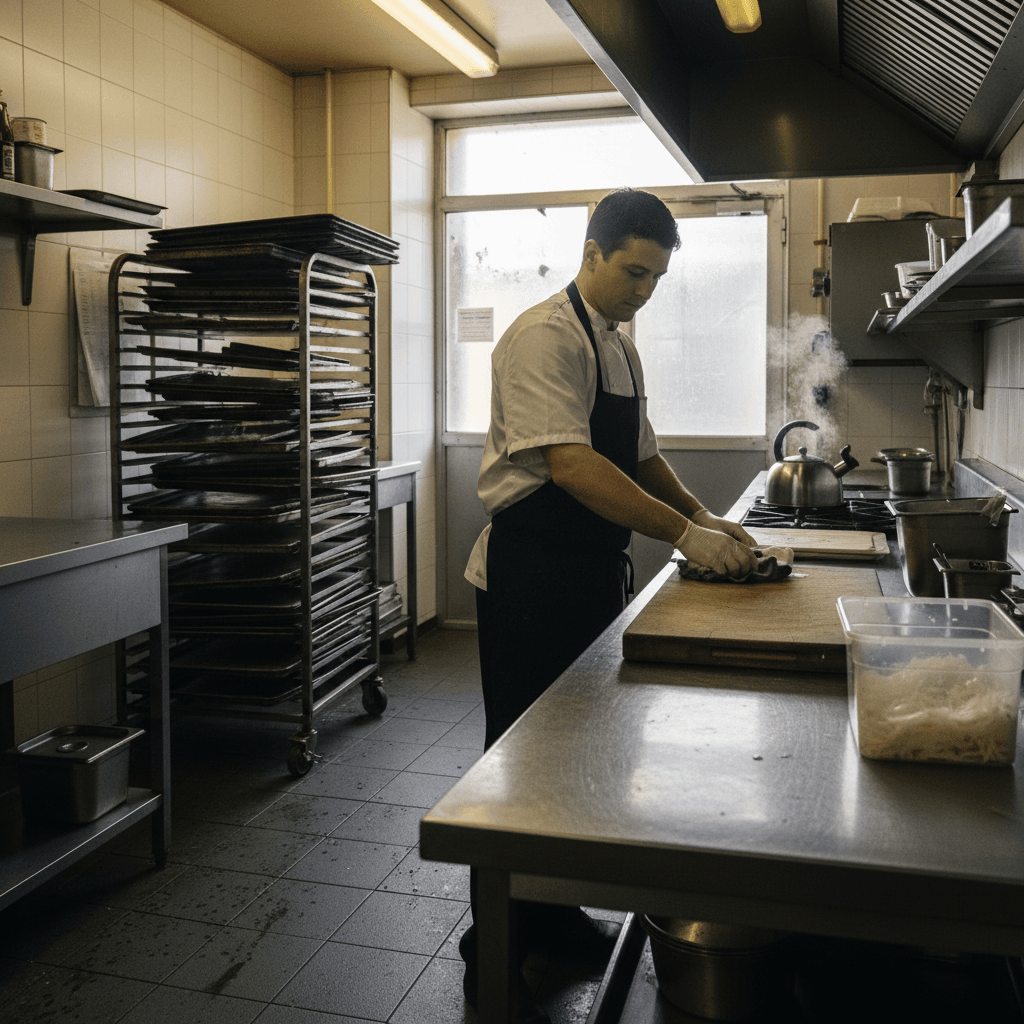
Create physical reset stations. These are small carts or stations with everything needed to reset a table: rolled silverware, clean napkins, salt and pepper shakers, condiment caddies, menu jackets. Place them strategically so bussers don't waste time walking back and forth to the main service area. Every step saved is time gained.
Practice the drill during pre-shift meetings twice a week for two weeks. Time your team, give immediate feedback, then time them again. Make it competitive in a healthy way - celebrate when they beat their previous time without sacrificing quality. The goal isn't to create robots, but to build muscle memory so the reset happens automatically even during chaos.
When Your Team Hits The Wall
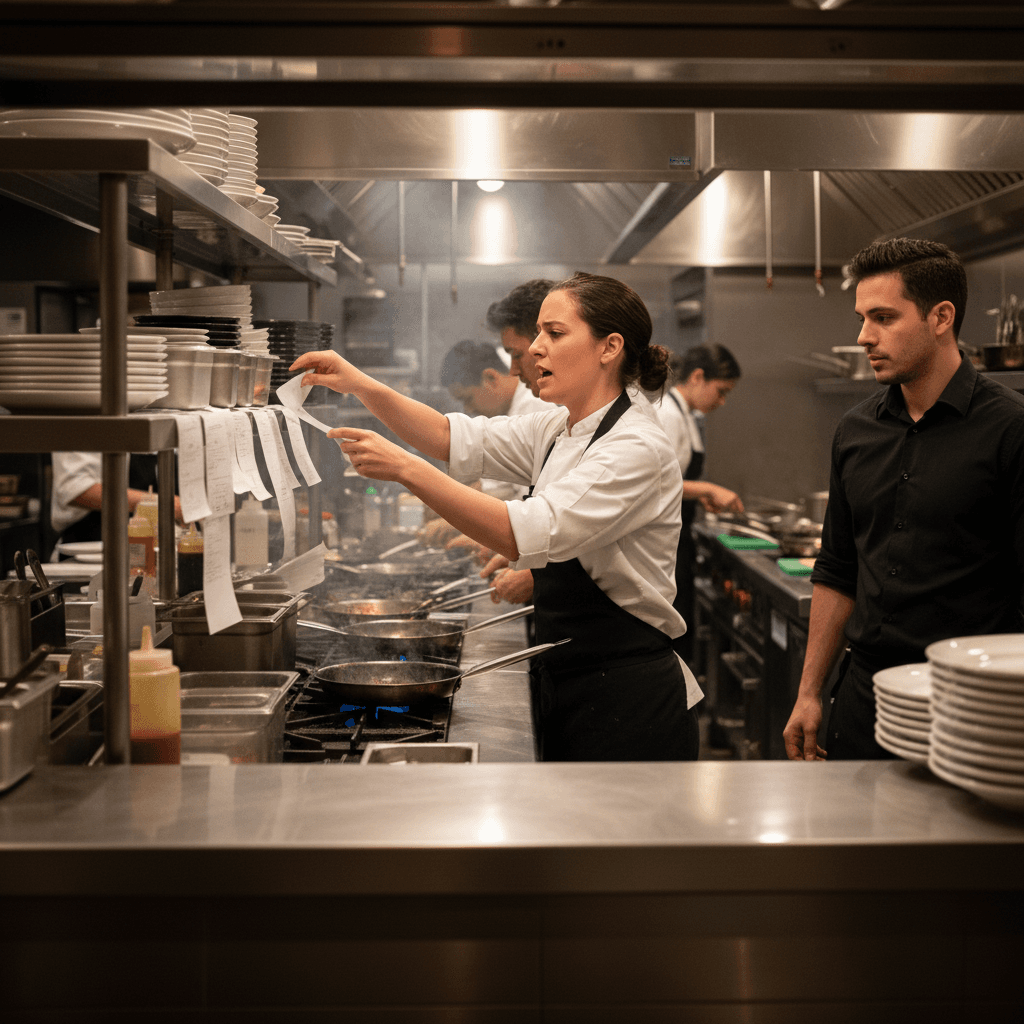
Even perfect execution hits limits. Your best busser can only move so fast when they're waiting for servers to run checks or when the dish pit is backed up. Servers get stuck taking dessert orders while tables wait to be cleared across the room. Managers spend more time watching clocks than helping guests navigate these bottlenecks.
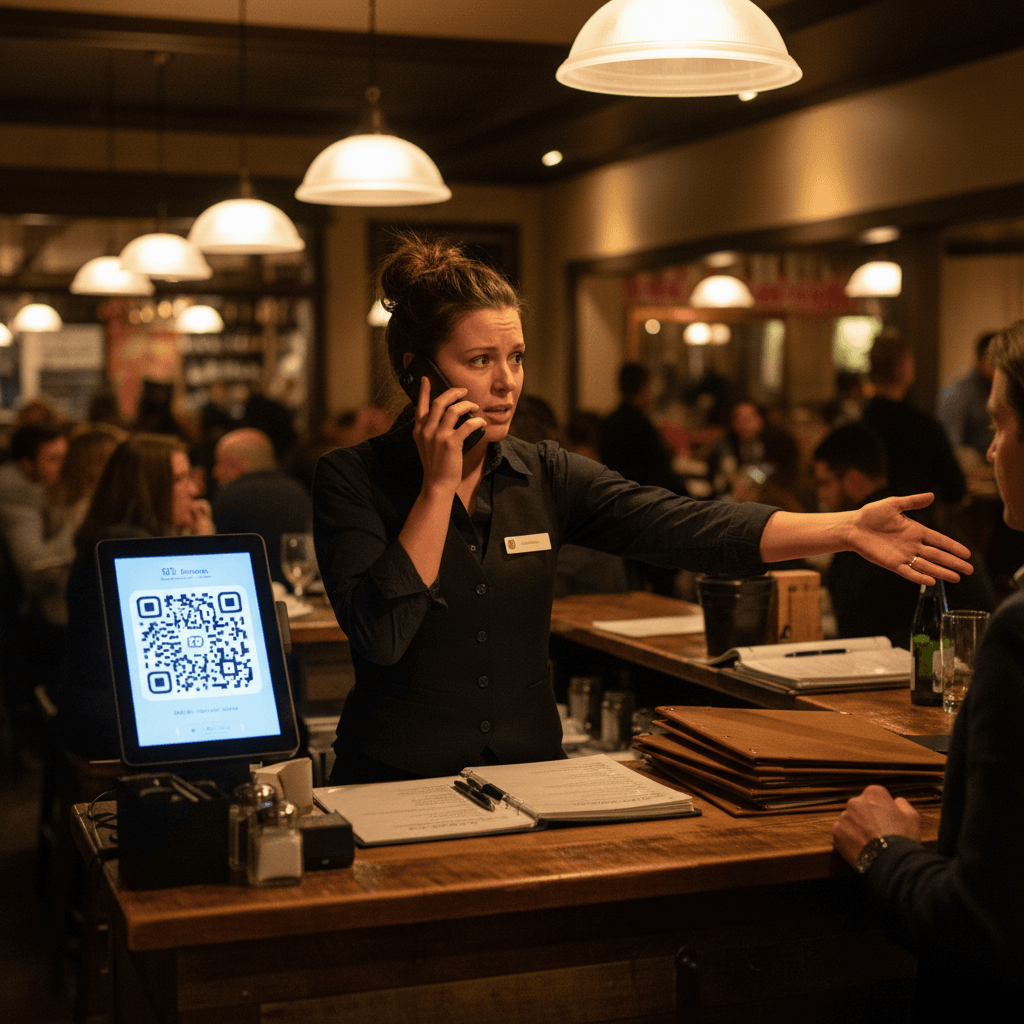
The problem isn't effort - it's coordination between front and back of house during peak hours. When communication breaks down, everything slows down. A server might think a table is still finishing drinks when actually they're ready for the check. A busser might reset a table only to find out the server needs to add another place setting for a walk-in joining the party.
Watch for these specific breakdowns: servers not marking tables as dirty in the POS immediately after guests leave, bussers having to search for managers to get table assignments, hosts seating tables before they're fully reset because they can't see real-time status. Each of these adds minutes that compound throughout service.
The Rule: Clear communication beats individual speed every time. A moderately fast team that communicates well will outperform lightning-fast individuals who work in silos every shift of the week.
Create simple hand signals or verbal codes that work in a loud dining room. "Table 12 is walking" from server to busser. "Four-top reset and ready" from busser to host stand. "Dish pit clear" from dishwasher to busser team. These small acknowledgments keep the flow moving without anyone having to stop what they're doing.
From Stopwatch to System
The drill gets you started, but real speed comes from systems that work when you're not watching. Manual processes require constant management attention and discipline that fades during busy periods or staff turnover. This is where the initial gains from training meet their natural limit.
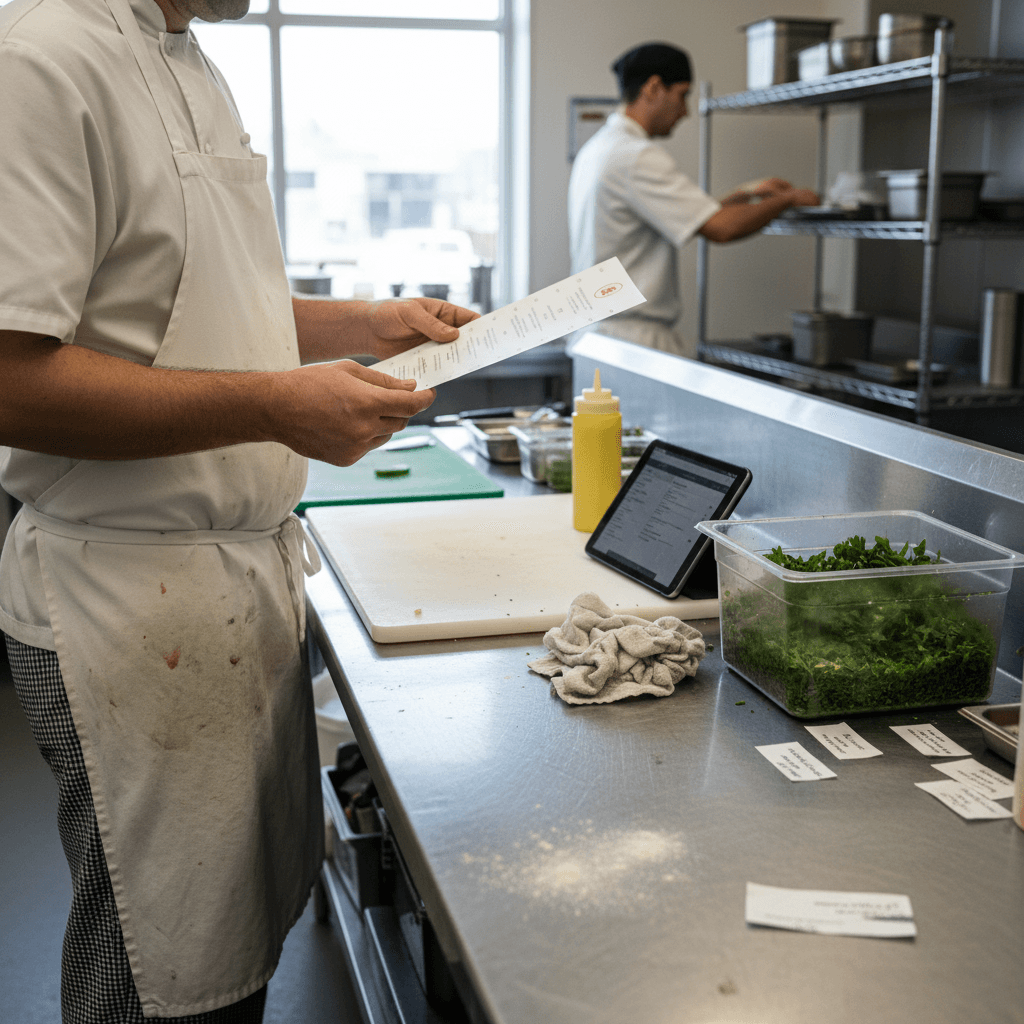
Look for tools that help servers communicate table status instantly without leaving their station or shouting across the room. Systems that let bussers see what needs attention next on a simple screen, prioritizing based on wait list pressure rather than who yells loudest. Platforms that give managers real-time visibility into turn times without hovering over shoulders, freeing them to actually manage instead of monitor.
Your goal isn't just faster turns tonight - it's consistent speed every shift regardless of who's working or how busy you are. The manual drill establishes what's possible and trains your team's muscle memory. Digital tools lock in those gains by removing communication barriers and providing clear visibility into what's happening across your floor in real time.
Modern restaurant platforms can automate the repetitive parts of this workflow: automatically timing how long tables sit dirty, alerting specific staff members when action is needed, providing hosts with live seat availability maps, and giving managers dashboards that show exactly where bottlenecks are forming before they become crises.
Taking the Next Step
Turning tables faster isn't about working harder - it's about working smarter with clear processes and better communication between your team members. The 15-minute drill gives you a measurable starting point, and systematic coordination ensures those gains last beyond training day.
The logic is straightforward: faster turns mean more guests served during peak hours without expanding your physical space or overwhelming your kitchen capacity.
If you're ready to move from manual timing drills to consistent system-wide performance, view our pricing options designed for operations focused on measurable results rather than flashy features, or start a free trial to experience how real-time visibility changes your Friday night service flow from reactive scrambling to controlled execution