The Takeaway Packaging Cost Trap
Most 'eco-friendly' takeaway packaging costs restaurants more. Learn which materials actually cut waste and reduce your bills while keeping customers happy.
When Green Packaging Eats Your Profits
The Takeaway Packaging Cost Trap is the moment you realize your good intentions are costing you real money. It's Friday night, and your expo station is buried under a pile of mismatched containers. Your server just handed a customer a $24 pasta dish in a compostable bowl that's already turning soft and translucent from the heat. The customer looks at it, then at you. You know that bowl cost you 85 cents. The standard plastic clamshell you used to use cost 32 cents. You made the switch for sustainability, but now you're watching your margin leak away, one soggy container at a time.
Let's start with the numbers everyone ignores. That bamboo container with the nice finish? It costs 40% more than the plastic alternative. The molded fiber box for your burgers? Nearly double. Customers say they want eco-friendly packaging, but here's the hard truth: they won't pay extra for it on the check. When you raise menu prices to cover the cost, they notice. When you add a "sustainable packaging fee," they complain online. Your choice becomes simple: absorb the cost or lose the customer.
The math is brutal. Take your best-selling $16 salad. Your food cost is $4. Your old plastic container and lid cost 28 cents total. Your new compostable set costs 67 cents. That's an extra 39 cents per salad going straight to packaging, not food. Sell 100 salads a week, and you've just added $39 to your weekly packaging bill - over $2,000 a year for one menu item. That's real money that could be a staff bonus, a repair fund, or pure profit.
This connects directly to the bigger picture we cover in Sustainable Practices That Actually Save Money, which shows how true sustainability cuts costs instead of adding them.
Now consider function failures. The compostable cutlery that snaps when someone tries to cut through grilled chicken. The paper straws that dissolve in iced coffee before the drink is half finished. The fancy branded paper bags that arrive soggy in the rain, ruining an entire $75 order and forcing a full refund plus redelivery. Each failure has a direct cost: replacement food, delivery fees, and the staff time to manage the complaint.
The Rule: Packaging must work first, be green second. A container that leaks during delivery creates more waste than it saves - wasted food, wasted packaging, wasted labor. Your sustainability effort just created three problems instead of solving one.
Choose Packaging That Actually Works
Customers care about their food arriving intact and hot. Sustainability is a bonus, not the primary requirement. This means choosing packaging based on performance, not just marketing claims.
Focus on three non-negotiable functions: leak resistance, microwave safety, and stackability for delivery drivers.
Leak resistance matters most for saucy items. Test every container with your actual menu items during prep hours. Fill it with your soup or curry sauce, seal it, turn it sideways for five minutes - that's how it sits in a delivery bag. If it leaks in your kitchen, it will leak in transit. Sometimes plastic-lined paper works better than 100% compostable options because it prevents the larger waste of ruined orders and refunds.
Microwave safety is critical for takeaway customers who reheat at home or office. Many compostable containers warp or release chemicals when microwaved. Label containers clearly with microwave instructions if they're safe. Better yet, choose containers that work consistently so customers don't call you confused about why their lunch exploded in the office microwave.
Stackability affects delivery efficiency and food quality during transport. Drivers need containers that nest securely without crushing delicate items like salads or desserts. If your packaging requires special handling or can't be stacked with other orders, you're slowing down delivery times and increasing the risk of mistakes during busy periods.
The contrarian truth: sometimes hybrid materials serve both sustainability and function better than pure alternatives. A paper container with a thin plastic lining might be less "green" on paper but prevents food waste from leaking containers - and food waste has a much larger environmental impact than packaging material choice.
When evaluating options, run this simple test with your kitchen team during slow hours: package your five most popular takeaway items in the new containers. Have someone carry them around the dining room for ten minutes - simulating delivery movement - then open them and inspect. Does the fried food stay crisp? Does the salad dressing stay contained? Does the hot soup stay hot? This real-world test costs you nothing but reveals everything.
The Friday Night Packaging Bottleneck
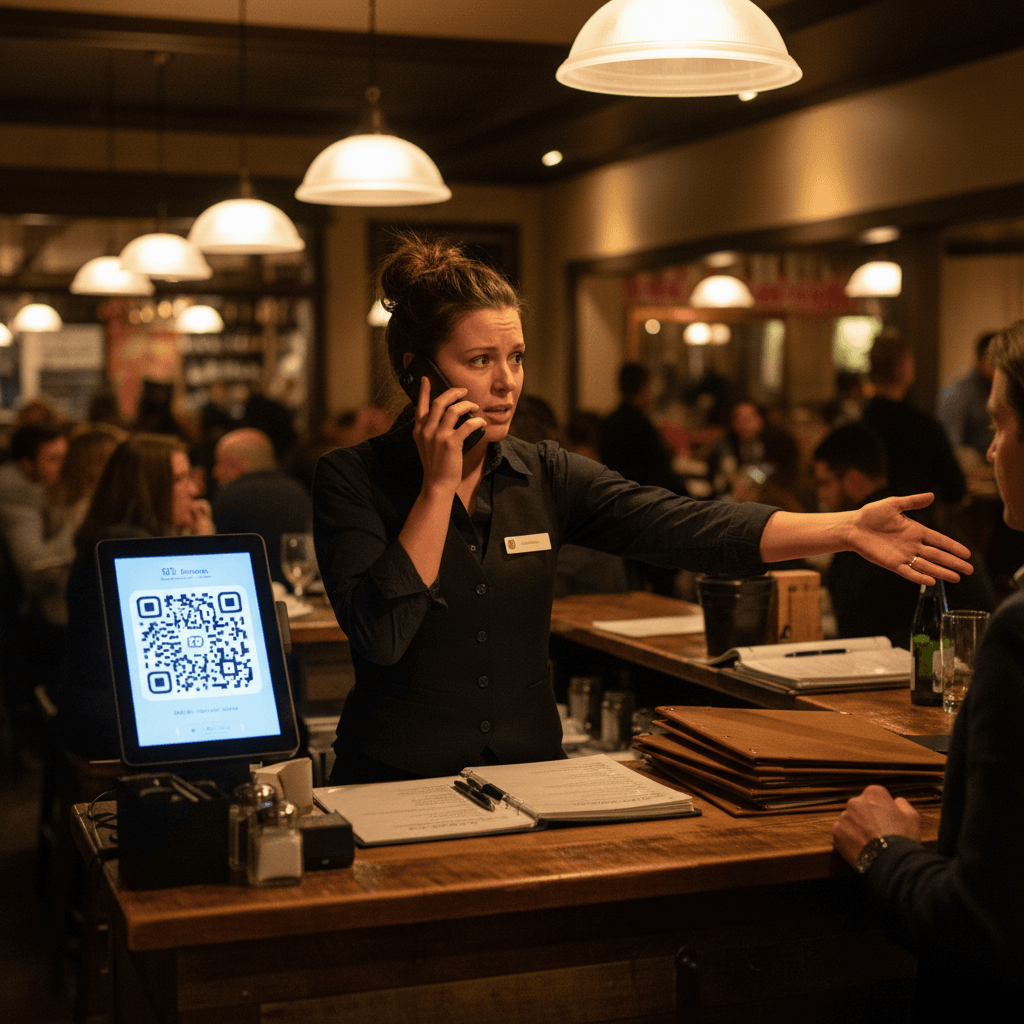
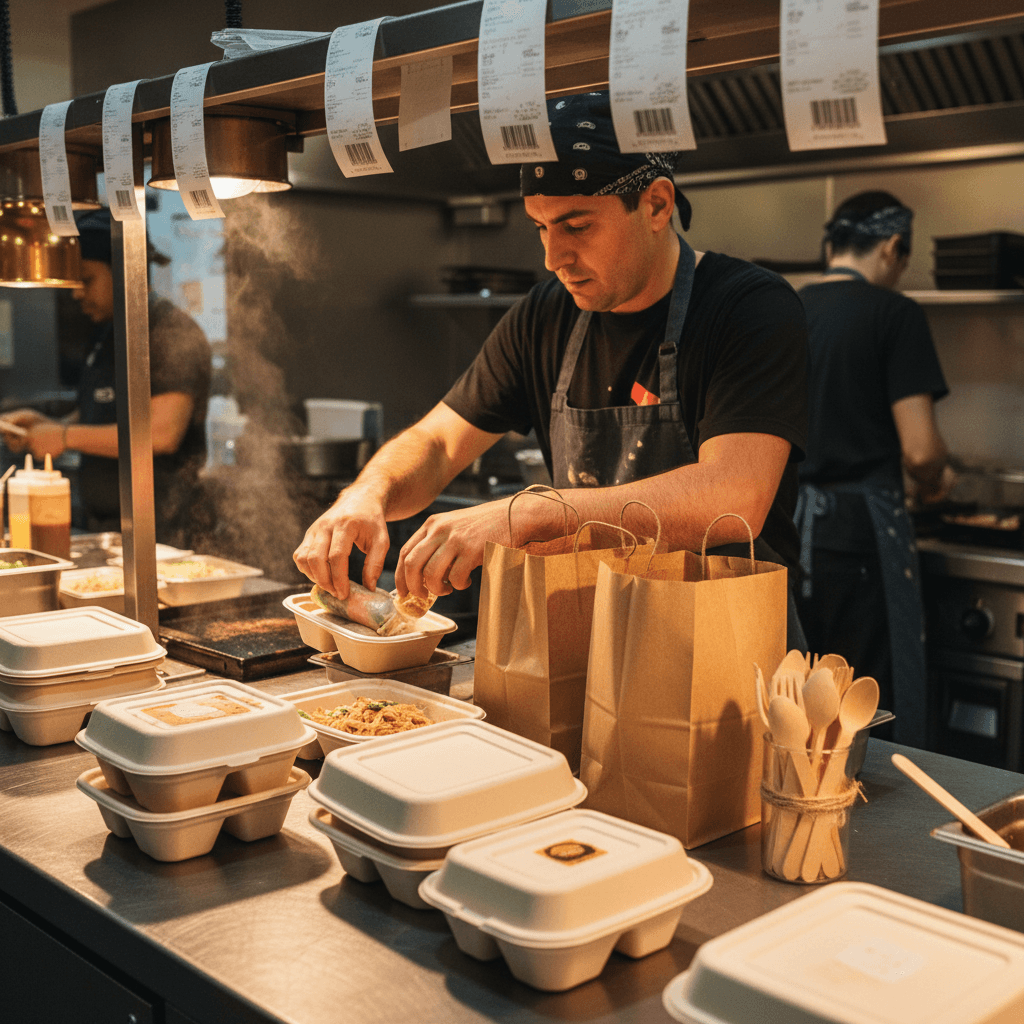
This is where good intentions meet bad operations head-on. It's 7:45 PM on Friday, and your expo station has turned into a packaging puzzle game no one can win.
You have three different container types for different menu categories: round bowls for pasta, rectangular boxes for burgers, square containers for salads. Each has its own lid style - some snap on, some press fit, some have locking tabs that never seem to align right when you're in a hurry. Your expo person is trying to assemble four orders simultaneously while calling tickets to the line cooks.
Here's what breaks down: staff grab wrong lids because everything looks similar under pressure cookers lights. The vegan container - that special green-rimmed one you ordered for plant-based items - is buried somewhere in the bottom of the storage rack because someone didn't restock properly after lunch rush. Now you have three vegan orders backed up while someone searches through boxes.
Each minute of delay costs you multiple problems: food sits under heat lamps losing quality, delivery drivers get frustrated waiting for completed orders, servers can't clear their tables because they're waiting on takeaway packaging assembly.
The solution isn't more sustainable materials - it's smarter systems.
First, standardize where possible without compromising food quality. Can burgers and sandwiches share the same container style? Can most hot entrees use one versatile bowl shape? Every unique container type adds complexity during rush hour.
Second, create visual differentiation that works under pressure. Color-coded lids work better than subtle logo differences. Bright red for spicy items requiring extra napkins? Green for vegan? Blue for gluten-free? Make the differences impossible to miss when hands are moving fast.
Third, organize your packaging station like your line cooks organize their mise en place - everything within reach, clearly labeled, with backup stock visible behind primary stock. The Rule: If someone has to search for more than ten seconds during peak service, your system has failed.
Train this during pre-shift meetings with actual containers in hand: "This lid goes with this container only." "When we run low on these boxes, grab more from this shelf right here." Make it muscle memory before the rush hits.
Packaging That Pays For Itself
How do you build a system where your packaging choices actually improve your bottom line while keeping customers happy? Start with an audit of what you're currently spending versus what's being wasted.
Grab last month's invoices from your packaging supplier and your POS reports on takeaway sales. Calculate your average packaging cost per takeaway order by dividing total packaging spend by number of takeaway orders sold.
Now track waste for one week: every time a container leaks and ruins an order requiring replacement; every time staff grab wrong lids and have to repackage; every time customers call complaining about packaging failures; every time delivery drivers report crushed items due to poor stackability.
The math becomes clear quickly: if premium sustainable packaging costs you an extra 50 cents per order but reduces waste complaints by 30%, you might be saving money overall through fewer refunds and redeliveries.
Run simple tests with your most popular items during off-peak hours:
- Package identical items in different container options
- Have staff handle them as they would during actual service
- Open after simulated delivery conditions
- Score each on food quality preservation
When should you charge for premium packaging versus absorb the cost as marketing? The answer depends on your customer base and competition.
If you're in an area where sustainability commands premium pricing - think affluent neighborhoods with strong environmental values - consider building it into your menu prices with clear messaging: "Our prices include premium compostable packaging at no extra charge."
If you're in a price-sensitive market where competitors use cheap plastic containers, absorbing the full cost might hurt too much financially but adding fees might drive customers away.
Consider this middle path: use functional hybrid materials (like plastic-lined paper) for most items but offer truly premium sustainable options as an add-on charge for customers who specifically request them and are willing to pay extra.
This approach does two things well: it keeps your base pricing competitive while giving environmentally conscious customers exactly what they want without forcing everyone to subsidize their preferences.
Building this system requires discipline but pays off in predictable costs and happier customers who get what they actually need - food that arrives as perfect as when it left your kitchen.
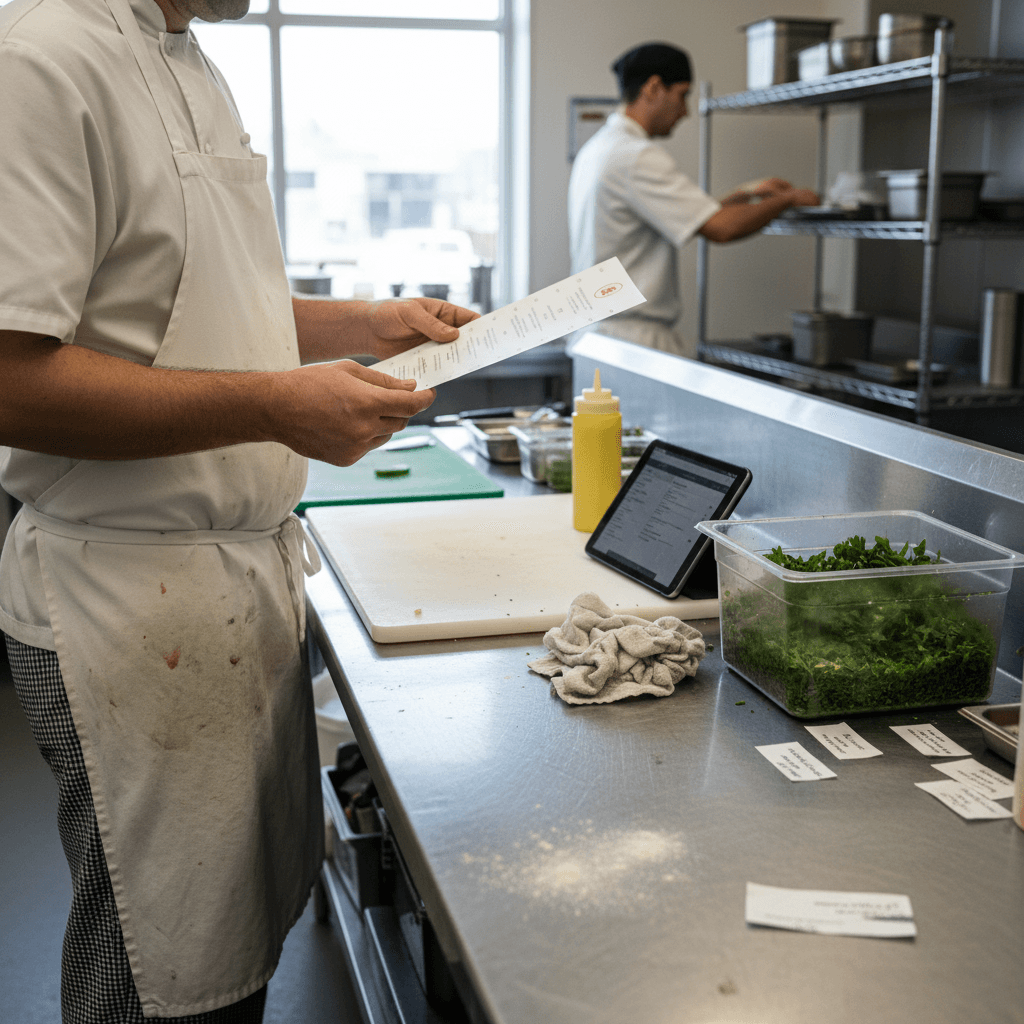
Modern digital tools can help automate parts of this workflow once manual systems are solid. Inventory tracking software can alert you when specific packaging types run low before service begins. Kitchen display systems can flag special packaging requirements right on tickets so expo staff see "vegan container" or "extra secure lid" without having to read special instructions buried in notes. Digital ordering platforms can offer sustainable packaging as an optional upgrade with clear pricing transparency before checkout. These tools handle repetitive tracking so managers can focus on training staff and maintaining quality standards during busy services rather than counting boxes or chasing down missing lids manually after closeout each night. They turn what was manual guesswork into predictable data-driven decisions about when to reorder supplies based on actual usage patterns rather than panic buying when shelves go empty mid-service. The technology supports good systems but doesn't replace them - clean processes come first always then automation makes them scalable without constant supervision from management during peak hours when attention needs focusing elsewhere like cooking perfect steaks or greeting regulars by name at door arrival moments that build loyalty beyond any single transaction value calculation could ever capture fully anyway because hospitality lives human connection not spreadsheet cells alone despite needing both ultimately succeed long term sustainably speaking both environmentally financially operationally all together simultaneously somehow making magic happen night after night despite odds stacked against success sometimes feeling impossible until suddenly isn't anymore thanks careful planning execution teamwork shared vision common purpose serving others well while making living doing so honorably profitably sustainably possible indeed necessary actually essential really truly deeply meaningfully so let's continue forward together shall we?
Taking the Next Step
The shift from costly sustainable packaging to functional profitable systems is practical once you apply clear logic to each decision point. Start by testing current containers during slow periods rather than assuming they work under pressure. Track actual waste costs versus material savings to see what truly benefits both environment and bottom line simultaneously without compromise either direction unnecessarily ever again moving forward from today onward consistently over time building better habits daily weekly monthly quarterly yearly decade after decade sustainably profitable hospitality business model worth building proud serving community well while making living doing so honorably indeed beautifully wonderfully perfectly imperfectly humanly real restaurant life lived fully completely authentically yours uniquely special place world needs more like yours truly sincerely genuinely deeply meaningfully so let's begin now together shall we?
To implement these changes systematically across all locations or departments without manual tracking errors creeping back over time, view our pricing options designed specifically for multi-unit restaurant operations facing exactly these inventory control challenges daily, or start a free trial today to see how digital tools can lock in these manual process improvements permanently while freeing management time back toward guest experience rather than supply chain logistics paperwork endlessly repeating cycles unnecessarily anymore ever again starting now forward together better stronger smarter more profitable sustainably speaking both ways environmentally financially operationally all at once finally possible indeed necessary actually essential really truly deeply meaningfully so let's go do this right now today shall we?