Sustainable Practices That Actually Save Money
Stop treating sustainability as a cost center. Real eco-friendly practices cut waste, reduce bills, and boost profits when done right.
The Hidden Cost of Greenwashing
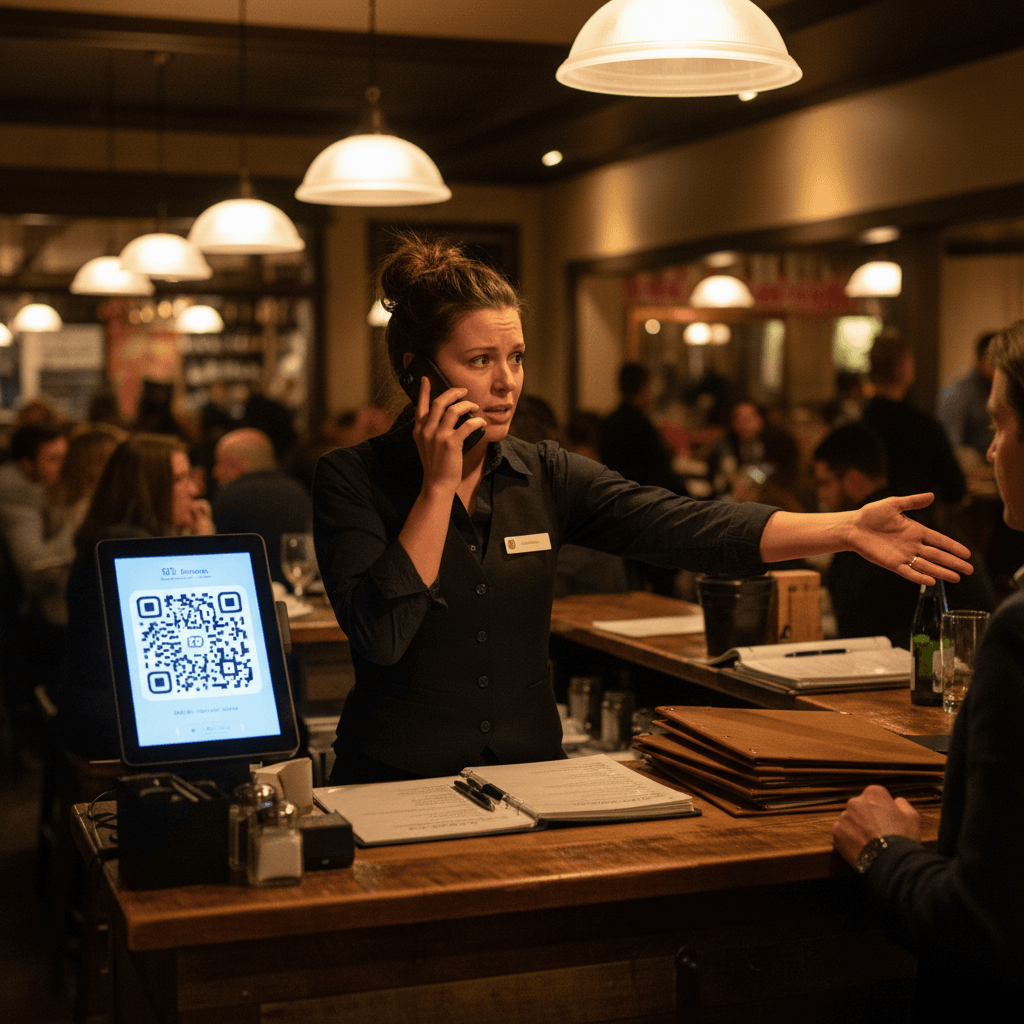
The Friday dinner rush is breaking. Your expo is calling three orders at once. A server drops a full tray of waters, and a line cook just tossed half a pan of wilted arugula. This is where saving money with sustainable practices actually happens - not in a consultant's spreadsheet, but in the chaos of service. Most sustainability advice comes from people who have never worked a Friday night rush. They talk about solar panels and fancy compost systems while your team throws away food and burns energy because the daily systems are broken.
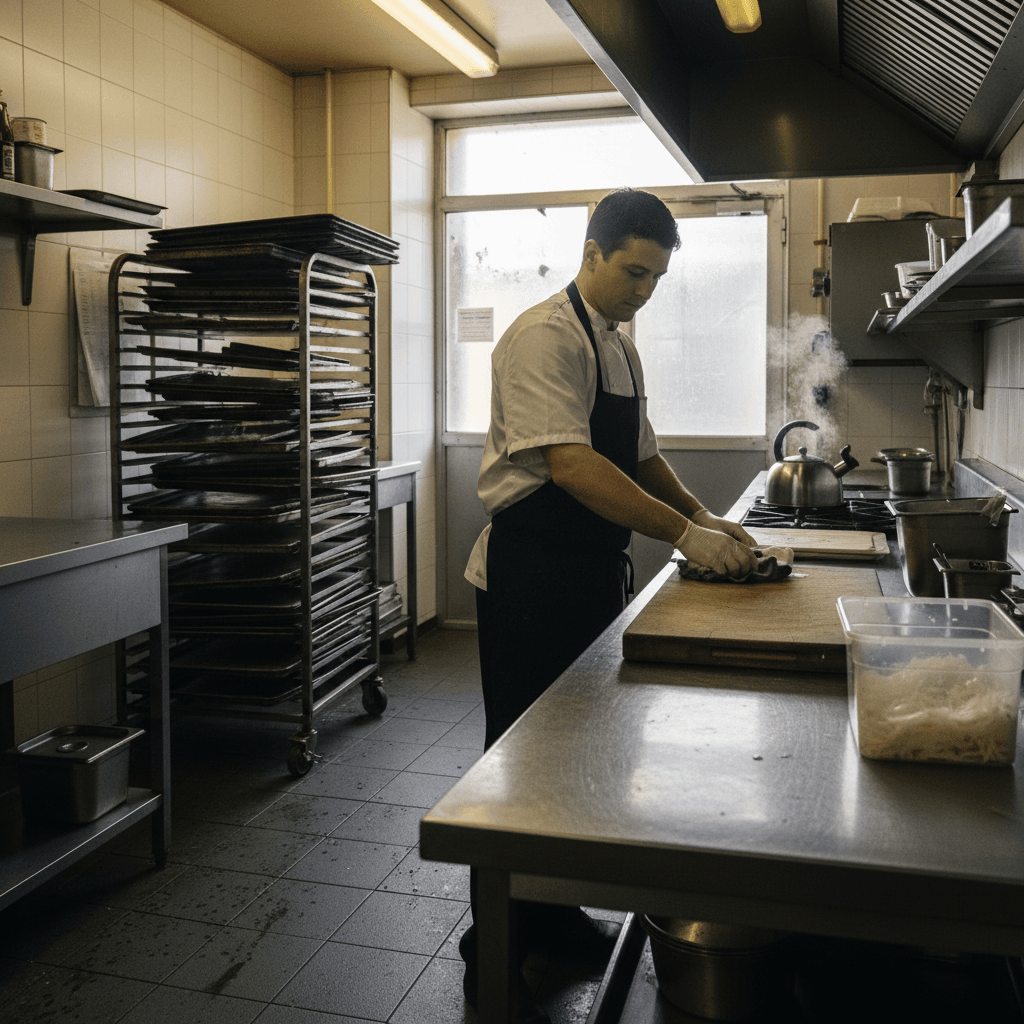
The real waste happens in daily operations, not in your energy bill. It's in the over-poured wine, the mis-portioned proteins, and the hood vents running full blast during a dead hour between lunch and dinner. These are the small leaks that sink your profit margin while you're distracted by expensive green certifications.
Why Most Eco-Friendly Programs Fail
You know the problem. Here's why your current fix fails.
The problem starts with good intentions and bad execution. Managers print recycling signs but don't train staff on what actually goes in each bin. Chefs order organic produce but don't adjust portion sizes for the higher cost. Servers bring water to every table automatically, then dump full glasses at the end of the meal. These programs look good on paper but fail on the floor because they're disconnected from actual service flow.
Hard truth: recycling bins often create more waste than they save. When staff aren't trained properly, contaminated loads get rejected by recycling centers and end up in landfills anyway. You're paying for the extra sorting labor and still sending everything to the dump. The Rule: If you can't train your team to sort correctly in three minutes during pre-shift, don't bother with separate bins.
Energy-saving light bulbs mean nothing if your walk-in door stays open for two minutes while someone looks for parsley. Composting programs recover pennies while portioning errors waste dollars. Focus on what happens between 5 PM and 10 PM, not what looks good in a marketing brochure.
The Three Pillars of Profitable Sustainability
That's the trap. This is how you escape it.
Forget about expensive certifications and marketing campaigns. Focus on three areas where you can see immediate results: food waste reduction, energy efficiency during service hours, and smarter purchasing decisions. These don't require capital investment - just operational discipline that pays off next week.
Contrarian opinion: local sourcing isn't always greener or cheaper. Sometimes buying from a regional distributor who consolidates deliveries has a lower carbon footprint than five different local farmers each driving their trucks to your back door. Calculate cost per plate delivered, not just price per pound at the farm gate.
The first pillar is food waste. Track what gets thrown away during prep and what comes back on plates. The second is energy used during your actual operating hours - not just your monthly bill. The third is purchasing decisions that consider both cost and waste potential. A cheaper case of tomatoes that spoils faster costs more than expensive ones that last.
Daily Systems That Cut Waste Immediately
Start with your prep sheets tomorrow morning.
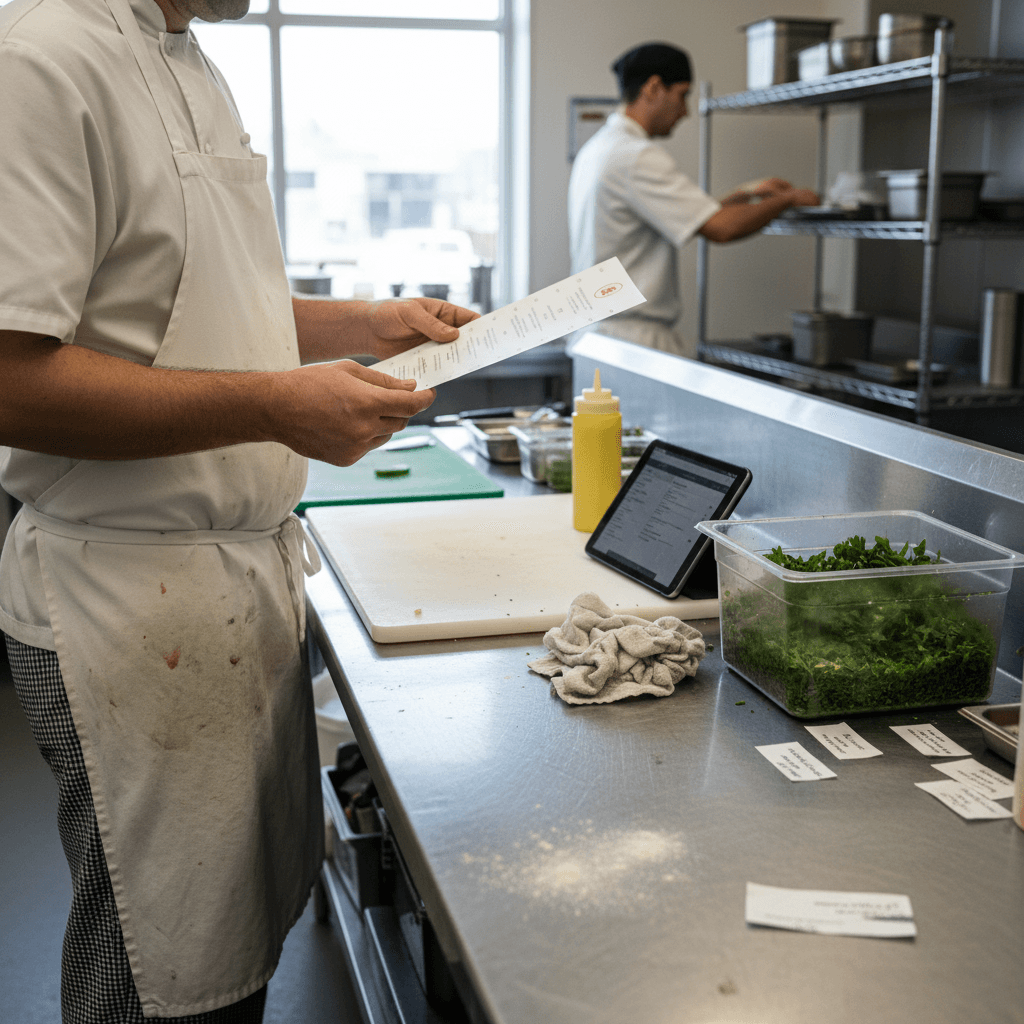
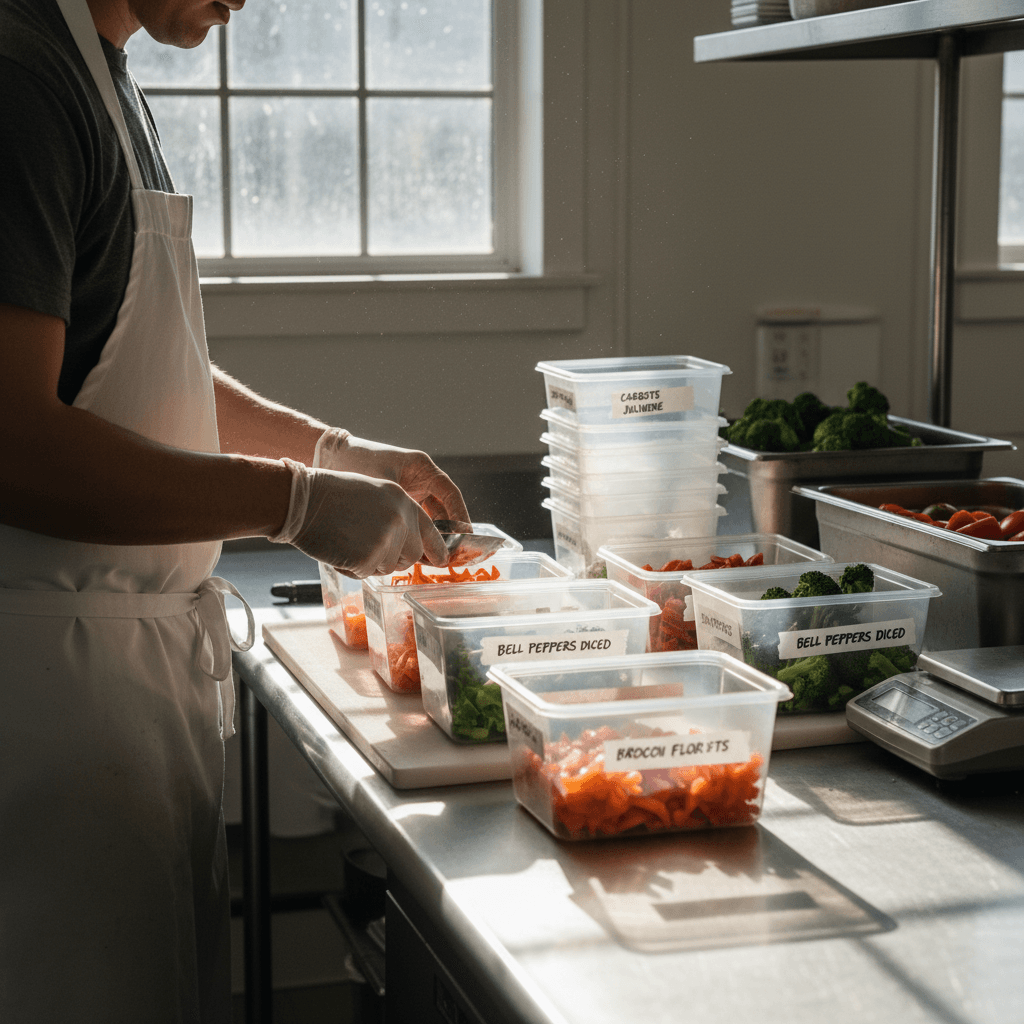
Are cooks portioning correctly or eyeballing everything? Implement a simple scale system for high-cost items like proteins and cheeses. Use clear deli containers with dates for everything in the walk-in - no more mystery leftovers that get tossed on Thursday.
During service, track what comes back on plates. If guests consistently leave half their fries, reduce the portion size by 20% and watch both food cost and waste drop overnight. This isn't complicated data analysis - it's looking at plates as they come back to dish.
Energy savings happen during dead hours, not peak service. Turn off hood vents during slow periods between lunch and dinner rushes. Use timers on coffee stations and prep area lights so they're not burning electricity when no one is working.
Pre-portion sauces into ramekins instead of letting servers scoop from bulk containers. Use smaller bus tubs so staff empty them more frequently instead of letting food scraps sit and attract pests. These are zero-cost changes that save money immediately.
Turning Sustainability Into Staff Culture
Make waste reduction part of every pre-shift meeting this week.
Show servers how much money gets thrown away when they over-pour wine or bring unwanted bread baskets. Teach line cooks that proper knife skills mean less trim waste - show them the dollar value of what they're cutting off.
The most sustainable practice is training staff to do things right the first time. A well-trained cook wastes less food than any composting program can recover. Make it about efficiency, not just being green.
Create simple competitions between shifts: which team produces less trash per cover served? Which server has the lowest percentage of returned food? Post the numbers where everyone can see them. People care more about beating their coworkers than about abstract environmental goals.
Measure What Matters, Ignore The Rest
Track three numbers weekly: food waste weight in pounds, utility costs per cover served, and inventory shrinkage percentage.
These tell you more about your sustainability progress than any certification ever will. Food waste weight measured daily shows if your portioning changes are working. Utility costs per cover served reveal if your energy-saving habits during slow periods are effective.
When you see food waste drop from 15% to 8%, that's real money back in your pocket - not just a feel-good story for your website. That 7% reduction might be thousands of dollars per month depending on your volume.
Ignore complex metrics that require hours of tracking. Focus on what you can measure with a scale, your utility bill divided by covers served, and your inventory counts. If you can't explain it to a line cook in thirty seconds during pre-shift, it's not worth tracking.
Taking the Next Step
The operational shift toward profitable sustainability is inevitable because waste costs money every single day you ignore it.
Start measuring your kitchen's food waste by weight tomorrow morning during prep. That single action will show you exactly where saving money with sustainable practices begins - at the cutting board before service even starts.
View our pricing to see how simple tracking turns waste into profit, or start a free trial and measure your first week's savings during Friday night service where it matters most