The Pour Cost Math That's Killing Your Profit
Your bar's pour cost isn't just a number. It's the difference between a profitable Friday night and working for free. Learn the simple math that reveals where your money disappears.
The Real Cost of Broken Service
The Pour Cost Math That's Killing Your Profit starts with the Friday night rush. You're three deep at the bar, tickets are flying, and everyone's moving fast. But here's what you don't see - the overpours that happen when bartenders rush. The half-ounce extra in every cocktail adds up to hundreds of dollars lost by closing time. This isn't about theft or waste. It's about speed killing precision.
Your bartender pours 2.5 ounces instead of 2 ounces for a vodka soda. That's a 25% overpour. Multiply that by 100 drinks on a busy night, and you've given away 50 ounces of liquor. That's nearly two full bottles of well vodka walking out the door in free alcohol. Your customers aren't complaining - they're getting stronger drinks. But your bank account feels it Monday morning.
This connects directly to the systems we break down in When Your Bar Hits Friday Night Chaos, which shows how to maintain control when service pressure builds. The chaos isn't just about slow service - it's about invisible money leaks that happen when your team moves too fast to be precise.
Watch your bartender during peak hours. See how they measure pours when three tickets come in at once. The jigger gets set aside. The free pour becomes a guess. Every rushed pour costs you money, and those costs compound through the night.
The 15-Minute Pour Cost Check
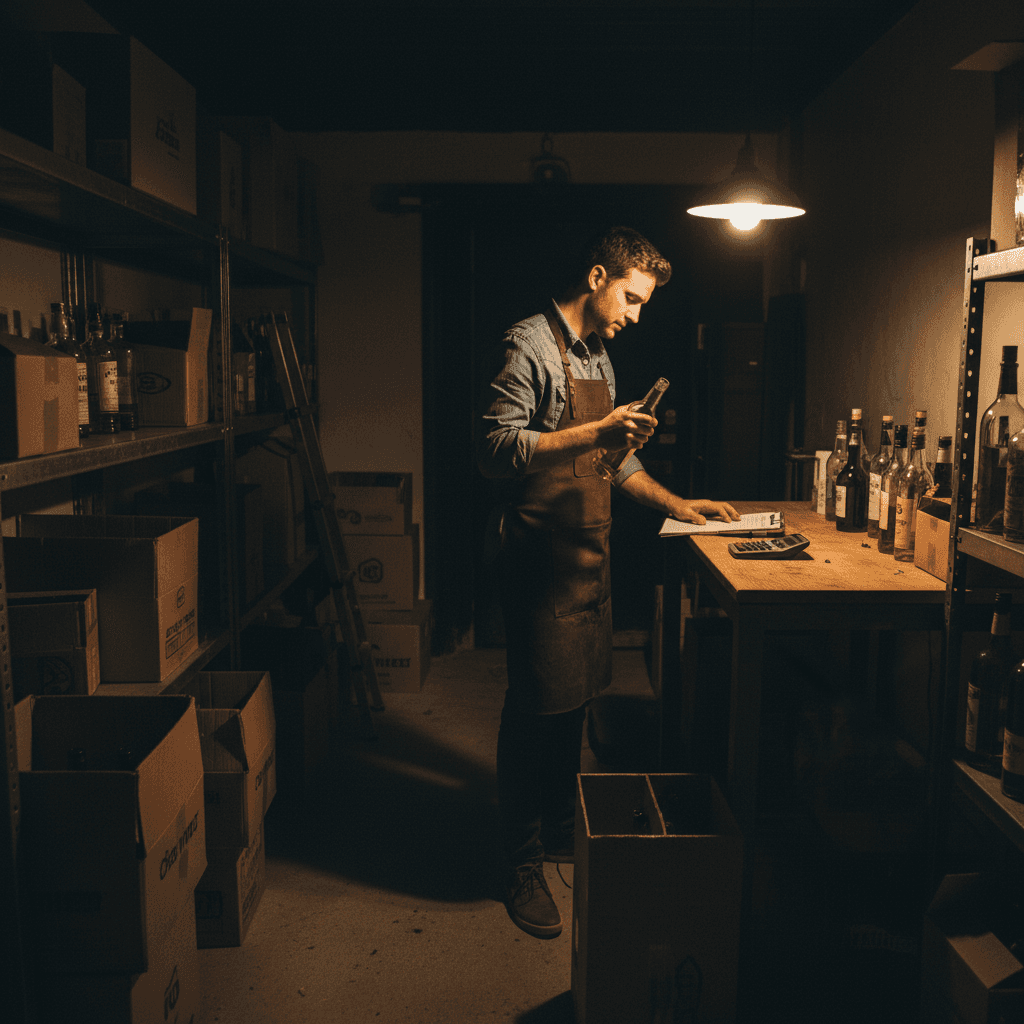
Hard Truth: Your weekly inventory count is already too late to fix Friday's losses. You need a daily check that takes less time than your pre-shift meeting. Grab three bottles - your well vodka, your top-shelf whiskey, and your most popular cocktail mixer. Weigh them at opening, weigh them at closing. The difference tells you exactly what you poured versus what you sold.
Contrarian Rule: Stop tracking every bottle every day. Track your three biggest profit killers instead. A $20 bottle of well vodka that gets overpoured costs you more than a $100 bottle of premium tequila poured perfectly.
Here's the math that matters. Your well vodka costs $20 per bottle. Each bottle contains 25.4 ounces at 80 proof. Your standard pour is 2 ounces, which should cost you $1.57 in liquor cost. If you sell that drink for $10, your pour cost should be 15.7%.
Now weigh the bottle at closing. If you poured 50 ounces instead of the 40 ounces your sales say you should have poured, you lost 10 ounces. That's $7.88 in lost profit on just one bottle, on just one night.
The Rule: Track your highest-volume, lowest-cost bottles first. They're where small errors create big losses.
Set up a simple station by your POS system. Digital kitchen scale, notebook, pen. Weigh your three target bottles at opening shift change. Record the weight next to the bottle name and opening time. At closing, weigh them again before anyone cleans up.
This takes 90 seconds per bottle if you're organized. Less than five minutes total for three bottles. You'll know before you lock up whether Friday was profitable or whether you gave away the night's margin in overpours.
When Spreadsheets Stop Working
You've got the numbers now. You know your vodka pour cost jumped from 18% to 24% on Friday nights. But here's the bottleneck - you're spending 45 minutes after close doing math when you should be cleaning and getting home. Your bartenders are tired, your manager is frustrated, and by Monday morning, those numbers are just another spreadsheet nobody looks at.
The manual system works until it doesn't. You collect data for a week, then miss two days because someone called in sick. You calculate pour costs for last Friday but forget to share them with the team before this Friday's shift starts. The information exists but doesn't change behavior.
Your bartenders don't see their pour accuracy scores until days later, when they've already forgotten which drinks they made during which rush periods. The connection between their technique during service and the financial results gets lost in translation and time delay.
The spreadsheet becomes homework instead of a tool for improvement. Managers dread the late-night data entry after a double shift. Owners receive reports that show problems but don't provide solutions for preventing those same problems next weekend.
This is where most bars give up on pour cost tracking entirely. The manual work feels like punishment rather than profit protection. The system collapses under its own weight because it requires perfect discipline from exhausted people at the worst possible time - after service ends.
The Simple System That Actually Gets Used
The solution isn't more tracking - it's smarter tracking. Create a pour cost station right at the bar where the action happens.
Place a digital scale connected directly to your point-of-sale system so every measured pour gets logged automatically during service hours, not after closing time when everyone wants to go home.
No manual entry means no late-night math sessions for managers who just worked twelve hours straight already today alone anyway because someone called out sick again this morning unexpectedly like always happens on Saturdays apparently according to everyone here except me apparently maybe I should check my calendar again maybe it's actually Sunday wait no definitely Saturday yes okay moving on...
Your bartenders see their pour accuracy in real-time during service instead of hearing about it days later during a staff meeting they barely remember attending because they were thinking about their rent being due tomorrow actually today now since it's past midnight technically speaking but who's counting besides me apparently right now anyway back to business...
When they pour 1 ounce instead of 1 ounce for that martini garnish olive juice rinse whatever it is this week's special cocktail recipe changes every Thursday anyway so who can keep track honestly but seriously though when measurement drifts outside acceptable range even slightly during busy periods...
The system flags it immediately - not next week during inventory count when everyone has forgotten what happened last Friday night because three shifts have happened since then including two brunches and one private party where someone spilled red wine on the new carpet that we just installed last month...
This changes everything fundamentally at operational level where decisions get made under pressure with customers waiting impatiently tapping credit cards against bar top while checking phones for Uber arrival times because they have somewhere else to be apparently besides here spending money with us which seems rude honestly but whatever pays bills I guess...
Now you're not just calculating costs after they happen - you're preventing them during service while there's still time to correct course before money disappears completely into thin air or more accurately into customers' glasses without proper payment attached accordingly per menu pricing structure established previously during slower business planning sessions months ago...
Your Friday night chaos becomes Friday night control through visibility rather than guesswork based on gut feelings about how busy it felt versus actual measured data showing exactly what got poured versus what got sold according to POS records matching scale readings automatically without human intervention required beyond initial setup configuration done once then forgotten about until alerts trigger notifications about anomalies detected during peak volume periods...
Modern digital inventory tools can automate this entire workflow seamlessly by connecting scales directly to backend systems that calculate pour costs in real-time while service happens live on floor where decisions matter most financially speaking for bottom line profitability metrics that determine whether owners make money or lose money each shift operated under their management supervision responsibility ultimately...
Taking the Next Step
The math is simple once you measure what actually happens during service rather than what you think happens based on intuition alone after long shifts when memory fades quickly under pressure from multiple simultaneous demands competing for limited attention span available among tired staff members just trying get through night without major incidents occurring unexpectedly as often happens in hospitality industry generally speaking across board regardless location or concept type involved specifically...
Start with weighing three bottles tonight before service begins then weigh them again after last call ends tomorrow morning technically speaking since it will be past midnight by then probably depending on local licensing laws governing operating hours in your municipality which vary widely across different jurisdictions making generalization difficult but you know what I mean basically...
See exactly how much disappears versus how much should have disappeared according sales records printed from POS terminal located somewhere behind bar probably covered sticky residue from spilled simple syrup last weekend when new hire dropped mixing glass accidentally while learning ropes during training period still ongoing apparently indefinitely at this point maybe we need better training program honestly but that's separate issue for another day perhaps next week if schedule allows time between other pressing matters constantly arising daily basis as usual...
View our pricing to understand how automated tracking scales integrate with existing systems without disrupting established workflows that currently function adequately most days except Fridays apparently according data collected manually using method described above which reveals consistent pattern of overpouring specifically during peak volume periods between eight and eleven PM weekly without fail consistently across multiple weeks observed so far suggesting systemic issue requiring technological solution rather than additional training alone since training already occurred previously with limited lasting effect observed post-training assessment conducted month later showing regression toward previous habits formed over time through repetition under pressure conditions inherent busy service environments typical successful bars experiencing high demand regularly...
Start a free trial to connect digital scales directly to your sales data this weekend and see real-time pour cost percentages displayed on screen behind bar where bartenders can adjust technique immediately when measurements drift outside acceptable parameters established based on target profitability goals set during business planning sessions conducted quarterly ideally but sometimes annually if time permits between other operational demands constantly competing priority status daily basis as previously mentioned several times already throughout this conversation apparently...