The Menu Math That Actually Works
Stop guessing at prices. Learn the simple math that shows you exactly what to charge for every dish on your menu.
When Your Prices Are Just Guesses
The Menu Math That Actually Works starts when you're in the weeds on a Saturday night. Your expo is calling three orders at once. The printer is spitting out tickets faster than your line can read them. You look at the board and see a sea of $18 pasta orders, but only two of the $34 steaks. In that moment, you're not thinking about percentages or margins. You're thinking about getting food to tables before guests walk out. But every plate that leaves your kitchen carries a hidden number - a number that determines whether you make money or just move food.
That hidden number is your actual profitability, and it's different from what your spreadsheet predicted. The math on paper assumes perfect execution: no waste, no mistakes, every upsell captured. Reality is messier. A burned piece of fish, a forgotten side of asparagus, a server who doesn't mention the profitable wine pairing - each small deviation chips away at your theoretical profit. When you price by gut feeling or by copying the restaurant down the street, you're building your business on shifting sand. You need numbers that work on the floor, not just in a quiet office on Tuesday morning.
This connects directly to the system we break down in Restaurant Reports That Actually Work, which shows you how to track what matters during actual service, not just in monthly summaries.
The Three Numbers That Tell You Everything
Forget complex formulas. You only need three numbers: food cost percentage, contribution margin, and menu mix. Food cost percentage is what you spend on ingredients versus what you charge. A $10 burger that costs $3 in ingredients has a 30% food cost. Contribution margin is what's left after food cost - that $7 difference pays for everything else: labor, rent, utilities, and profit. Menu mix is what actually sells - your top sellers versus your slow movers.
Here's the hard truth: Your most popular dish might be your worst performer. That beautiful salmon special everyone loves could be costing you money if it doesn't cover its share of rent and payroll. I've seen restaurants where the signature burger sells 50 plates a night but contributes less to overhead than the steak that only sells 10 times.
The Rule: Calculate contribution margin for every item, not just food cost percentage. A dish with 25% food cost might seem better than one with 35%, but if the cheaper dish takes twice as long to plate during rush hour, it's actually costing you more in labor. Your line cook's time has value. So does your dishwasher's time when that complicated dish uses three pans instead of one.
Start with one section of your menu this week. Take your appetizers or your entrees and run the real numbers. Not just ingredient costs from your invoice, but the full picture: prep time, plating time, plate wear and tear, and typical waste during service. You'll find surprises immediately.
Why Spreadsheets Can't Save Friday Night
You can calculate perfect prices on paper, but service changes everything. When the rush hits and your line cook burns three chicken breasts, your perfect food cost goes out the window. When servers forget to upsell the profitable sides, your contribution margin shrinks. The math works in theory, but restaurants run on reality.
The bottleneck isn't the calculation - it's the execution. You can know exactly what to charge, but if your team doesn't know why those prices matter, you're just collecting data that never gets used. I've watched servers recommend the lower-priced item because "it's what people usually get" while the profitable special sits untouched in the cooler.
Ticket errors cost money. That is a certainty. A modifier forgotten on a ticket means remaking a dish means double food cost for one sale. An allergy notation missed means sending back a full plate means zero revenue plus wasted food. These aren't abstract percentages - they're real dollars disappearing during the shift you're currently running.
Your pricing strategy needs to survive contact with your actual operation. If your beautiful $32 seafood dish falls apart when your newest line cook plates it during peak volume, you need to either retrain, simplify the plating, or adjust the price to account for realistic waste levels.
From Calculation to Cash Register
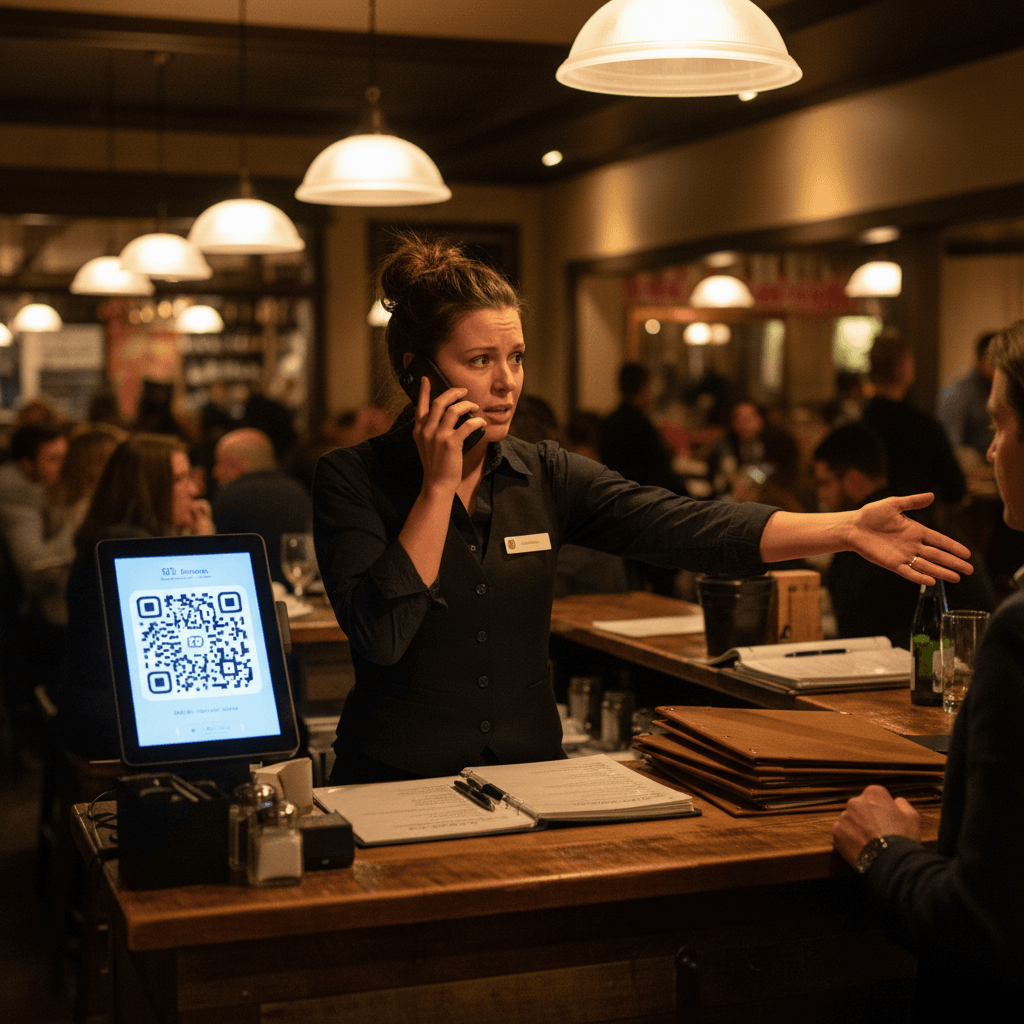
The real work happens after you set the prices. Train your servers on why certain items are priced higher - not to justify costs to guests, but to understand what drives profit. Show them that recommending the steak add-on instead of the salad adds $8 to the check and significantly improves their tip average while helping the restaurant cover fixed costs.
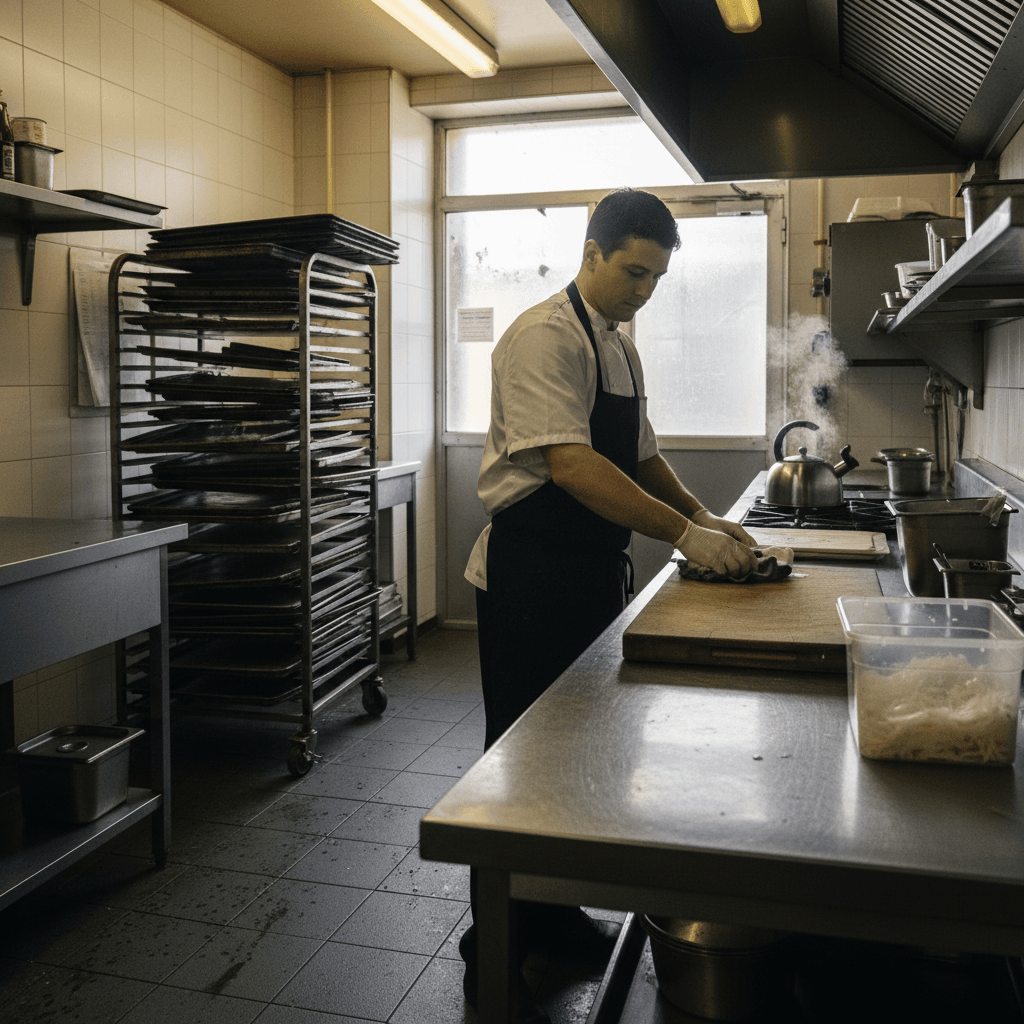
Show your kitchen team how waste affects those beautiful numbers you calculated. When they see that burning two $18 chicken dishes wipes out the profit from four perfectly cooked ones, they understand why consistency matters beyond just guest satisfaction. Make it tangible: "Every time we remake this pasta, we lose $12 before we even pay for electricity."
Make pricing part of your daily conversations, not just something you do once a year. In pre-shift meetings, highlight one profitable item and explain why it matters: "Tonight, let's feature the trout special. It has great margin for us and cooks quickly for the kitchen." During shift walks, point out when waste happens and connect it directly to numbers: "We just had to comp that steak because it was overcooked. That's $34 off tonight's revenue plus $12 in food cost."
Your menu math needs to live on your floor, not in your office. When your team understands how their actions affect profitability minute by minute, they start making different decisions. Servers become more intentional with recommendations. Cooks become more careful with portions and plating.
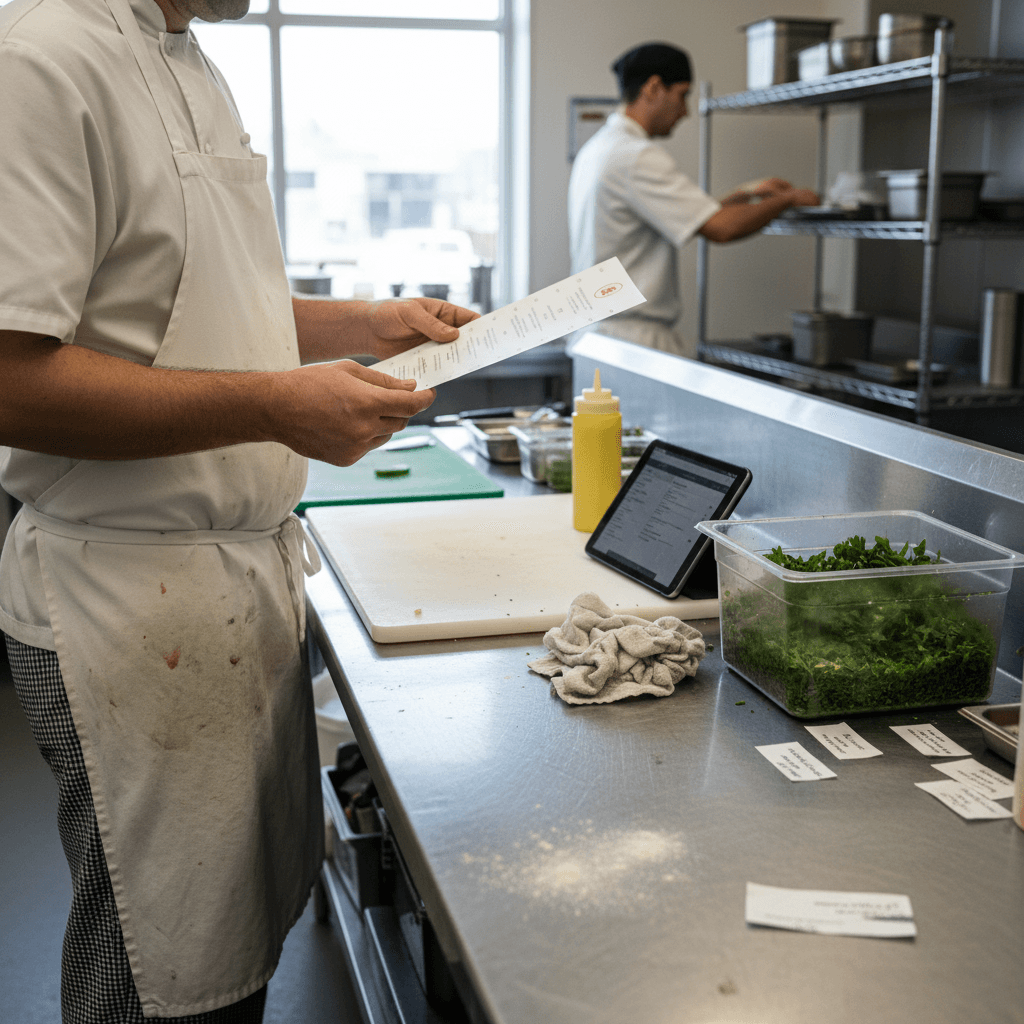
Modern digital tools can help bridge this gap between calculation and execution. Kitchen display systems show real-time food costs as orders come in, helping cooks prioritize dishes that keep profitability on track during rush hours. Digital inventory tools track waste automatically when items are marked as spoiled or incorrectly prepared, giving you actual rather than theoretical food costs.
Taking the Next Step
The shift from guessing to knowing is practical and immediate. The logic is clear once you connect kitchen actions to financial outcomes.
Stop wondering if your prices are right and start knowing with certainty. View our pricing to see how straightforward tracking becomes when tools handle the calculations automatically, then start a free trial to test real menu math during your next busy service period without spreadsheet headaches