The Daily Food Safety Checklist That Actually Works
Most food safety checklists fail during Friday dinner rush. Here's the 5-minute system that works when your kitchen is slammed.
When Your Checklist Becomes Wallpaper
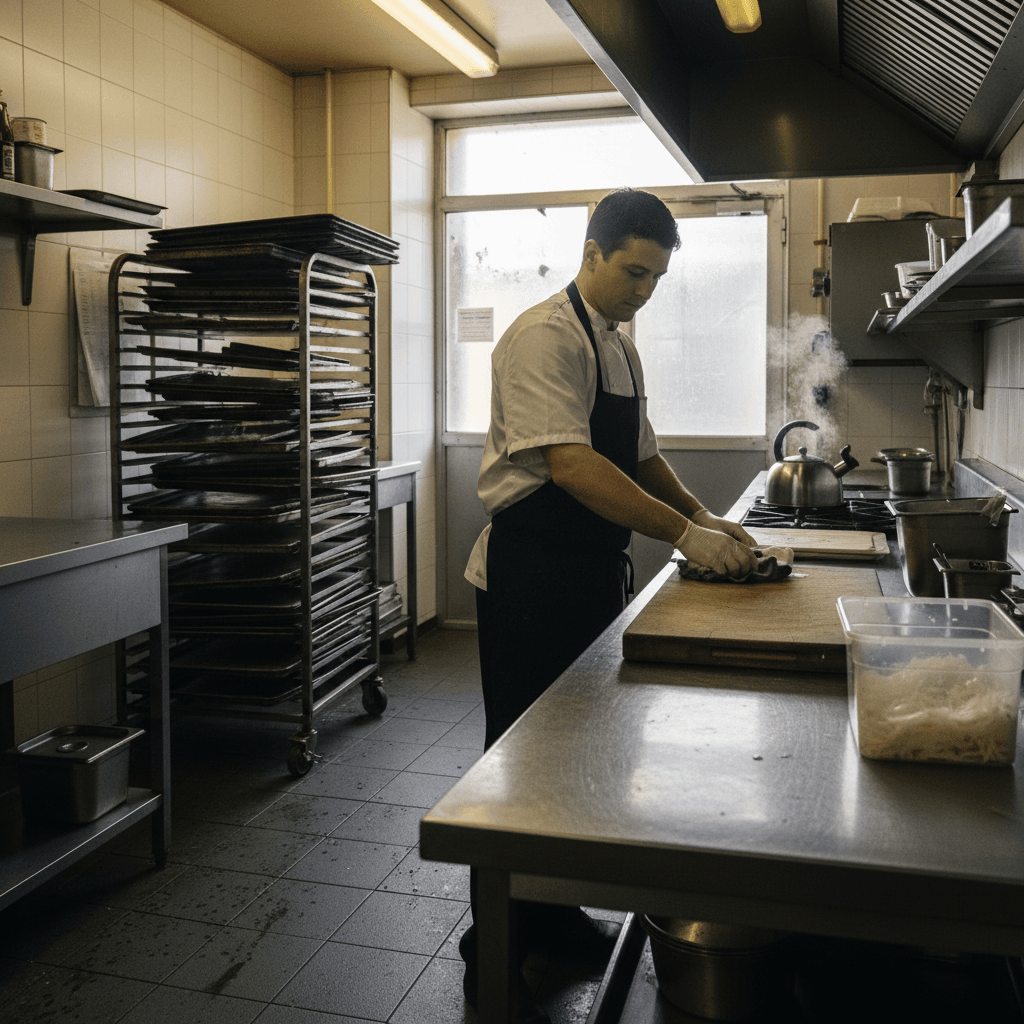
The Daily Food Safety Checklist That Actually Works is the one your line cooks use at 7:45 PM on a Friday when the grill is smoking and three tickets are hanging. Every restaurant has that laminated sheet by the walk-in. It's yellowed with age, covered in grease splatter, and completely ignored during the rush. The problem isn't the checklist itself. It's that most checklists are written for health inspectors, not for cooks who have thirty seconds to make a decision.
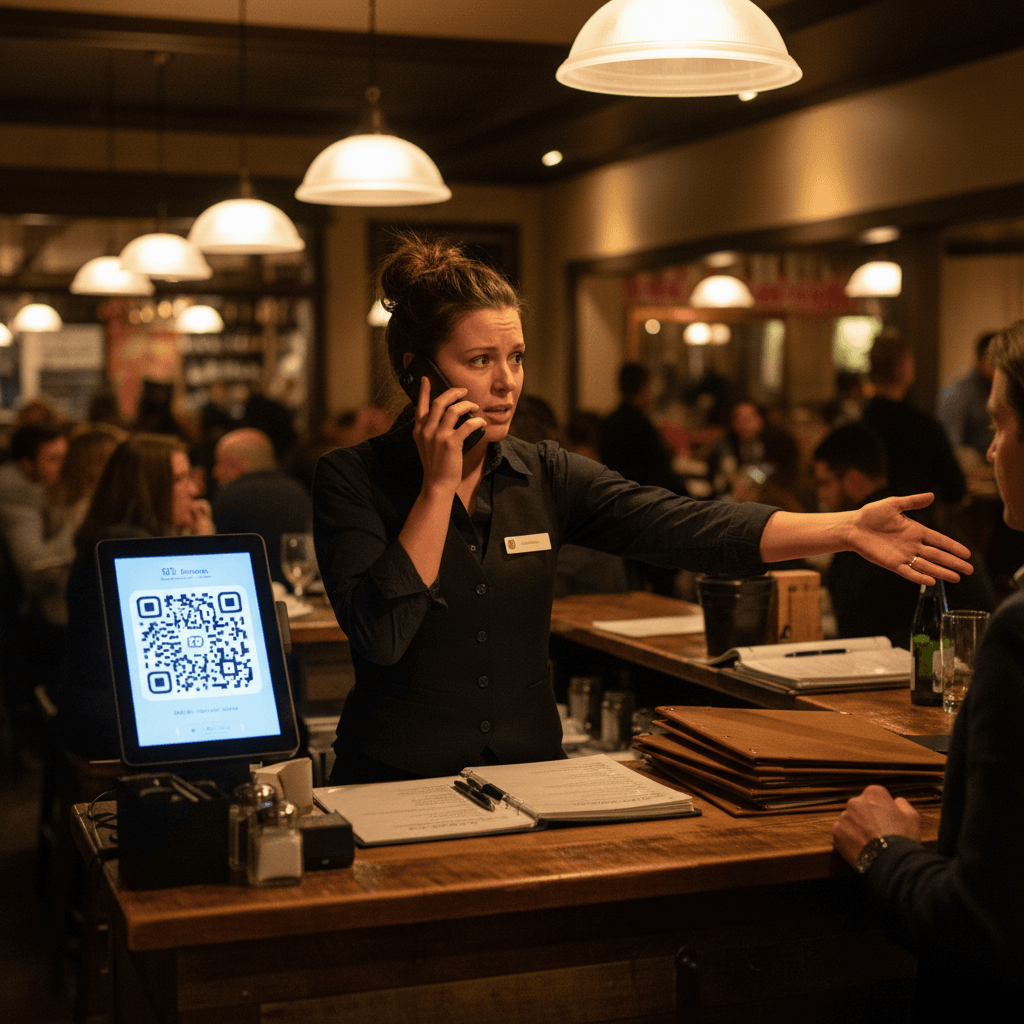
You know the scene. The expo is calling three orders at once. The fry cook is dropping baskets while checking temps. Someone shouts "86 salmon!" That's when food safety breaks down. Not because your team doesn't care, but because your system doesn't work under pressure. This manual breakdown is a core symptom of a slow kitchen, which we break down in Kitchen Speed: When Your Line Cooks Are Waiting. Broken checks during service are a direct path to wasted food and lost tickets.
The checklist becomes wallpaper. It fades into the background noise of a busy shift. Your staff glances at it during the calm morning prep, ticks boxes without thinking, and forgets it exists when the first wave hits. This isn't negligence. It's a design flaw. You've given them a system built for audit compliance, not for operational survival.
The 5-Minute Morning Drill That Saves Your Night
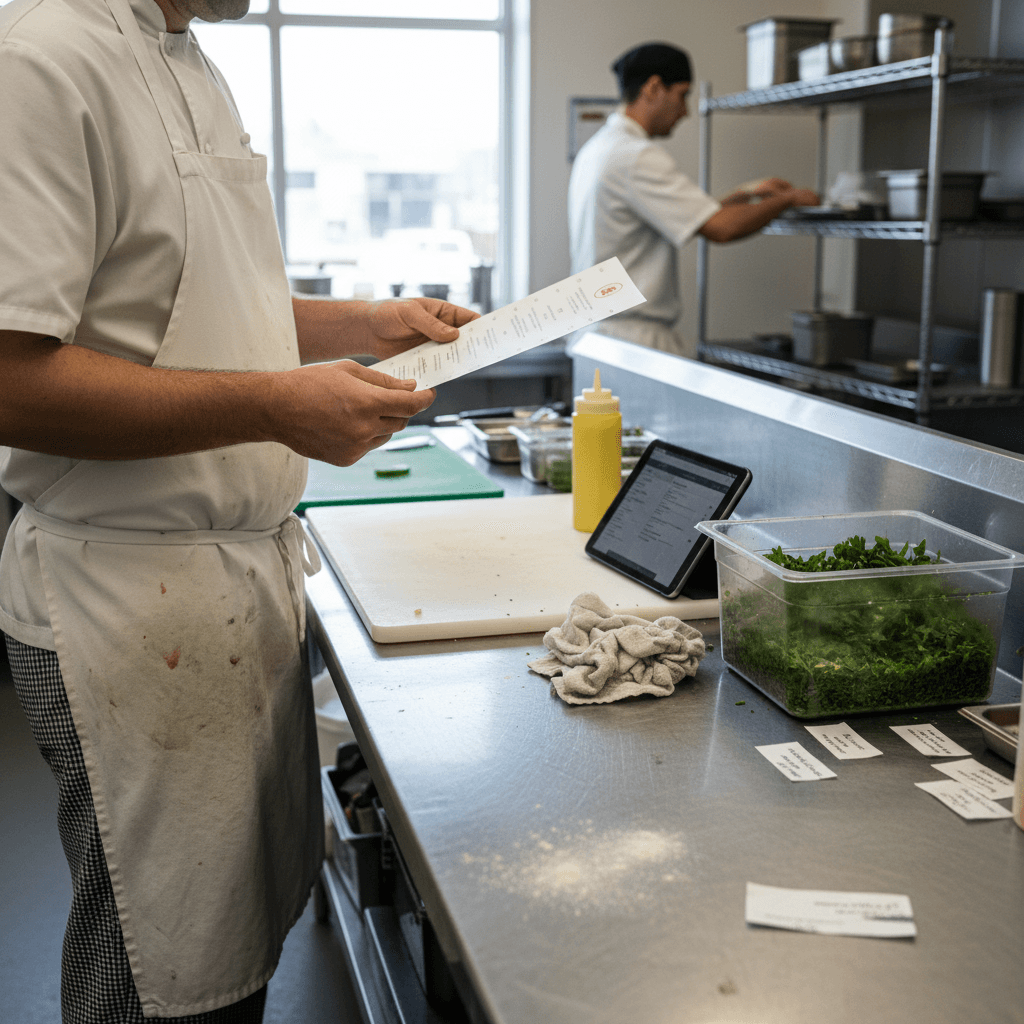
Here's the hard truth. Your food safety checklist should fit on one hand-written note card, not a three-page laminated document. If it takes longer than five minutes to complete, it won't get done when you're short-staffed or running behind on prep.
Start with three non-negotiable items that happen before service starts. These are not health department requirements. They are Friday night survival tools.
First, walk-in temps checked and logged. Not just glanced at. The probe goes into the thickest part of the product, not just dangled in the air. Write the number down. A two-degree shift over a week tells you your compressor is failing before you lose $800 in product.
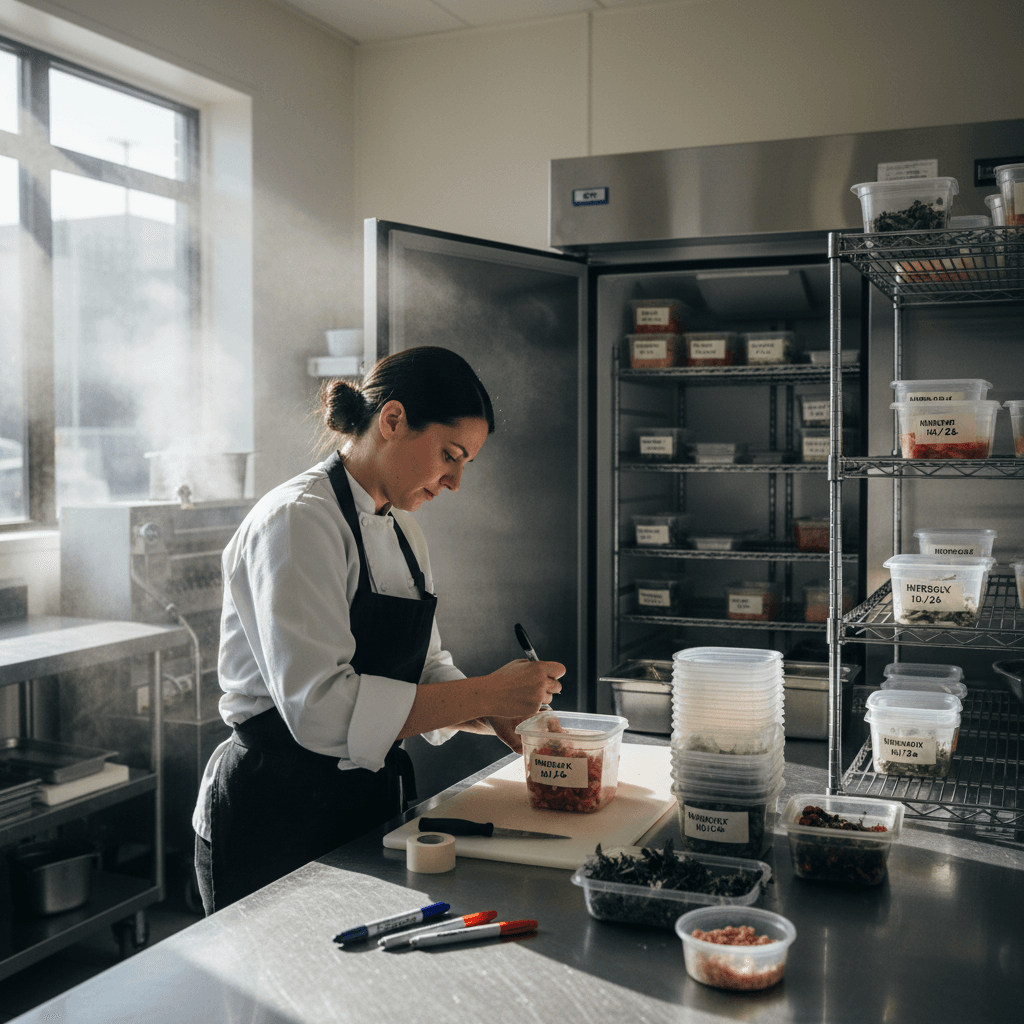
Second, prep labels dated with time. Not just the date. When your line cook reaches for that container of diced onions at 7:45 PM during the rush, they need to know exactly when it was prepped. "Sometime today" is useless. "2:15 PM" written in sharpie on blue tape is actionable information.
Third, hand sink stocked with soap and paper towels. Not almost full, not functional tomorrow. Stocked and ready for the first handwash of the shift. An empty soap dispenser during service means hands don't get washed. That is a certainty.
This drill takes five minutes if done right. Assign it to your opening cook or manager as part of their mise en place. It is not an extra task. It is the foundation of their setup.
The Bottleneck No One Talks About
The real problem emerges around 8 PM on Saturday night. Your checklist says "check temps every two hours." Your grill cook hasn't looked at a thermometer since 6 PM because he's cooking 40 steaks an hour. Your expo is supposed to check plate temps but she's running food to three different sections.
This is where manual systems fail completely. They assume you have time to stop and document. During peak service, you don't have time to stop for anything. The checklist becomes another piece of paper to ignore, another task that feels like bureaucracy instead of protection.
What happens next is predictable but dangerous. Shortcuts become habits. The same container gets used for multiple preps without washing in between because washing it means walking to the dish pit and waiting. Gloves come off and go back on without handwashing because the sink is three steps away and there's a ticket in the window.
Cross-contamination risks multiply with every saved second. The cook uses tongs for raw chicken, then uses them to grab a burger bun because his hands are full. He knows it's wrong. He also knows Table 12 is waiting and the manager is watching ticket times.
The Rule: If your safety procedure requires someone to stop cooking during peak service, it will be skipped. Every time.
From Checklist to Muscle Memory
The solution isn't more checklists. It's fewer, smarter habits built directly into the service flow.
Instead of "check temps every two hours," make it "temp check with every protein pull from the walk-in." The action of grabbing the salmon triggers the check. The thermometer stays on a hook by the walk-in door. You grab product, you stab it with the probe, you read it as you walk to your station.
Instead of "log handwashing," make it "soap and towel check before each shift change." The closing prep cook checks and fills all stations during their last ten minutes. This isn't paperwork. It's preventing tomorrow's 86 list because someone didn't wash their hands after taking out trash.
Your closing manager should spend two minutes walking the line before last call. Are all proteins covered and dated? Are cutting boards clean and stored properly? Is the hand sink actually functional with hot water? This walk isn't an inspection. It's quality control for tomorrow's opening shift.
The best food safety system works like your mise en place. It's organized before service so you can execute flawlessly during service.
When your line cooks know exactly where everything is, when it was prepped, and how long it's good for, they cook faster and safer. They aren't guessing or searching. They are executing.
That salmon you almost served past temp? It gets caught during the 4 PM prep check, not during the 8 PM ticket chaos. The chicken that needed more time in the lowboy? It gets pulled early for tomorrow's lunch special, not rushed to the pass tonight.
Food safety done right doesn't slow you down. It speeds you up by eliminating mistakes before they happen. It turns reactive panic into proactive control.
This manual discipline requires constant reinforcement from management. It becomes culture through repetition and clear expectation.
Modern tools can help by removing the manual logging burden. Digital temperature sensors can log walk-in temps automatically. Inventory tracking software can flag items approaching their use-by date based on your prep labels. These systems handle the documentation so your team can focus on the action. They turn manual checks into automated alerts that work even when everyone is too busy to look at a clipboard.
Taking the Next Step
A functional daily food safety routine is built on simple habits executed under pressure. The logic is clear: prevent problems before they cost you sales or reputation. The system must be designed for your busiest shift, not your slowest inspection.
If manual tracking is creating gaps in your process, view our pricing for tools that automate temperature logs and shelf-life tracking. To see how digital checks work during your actual dinner rush, start a free trial and implement the morning drill with automated support next service