Stop Wine List Chaos with Tablets
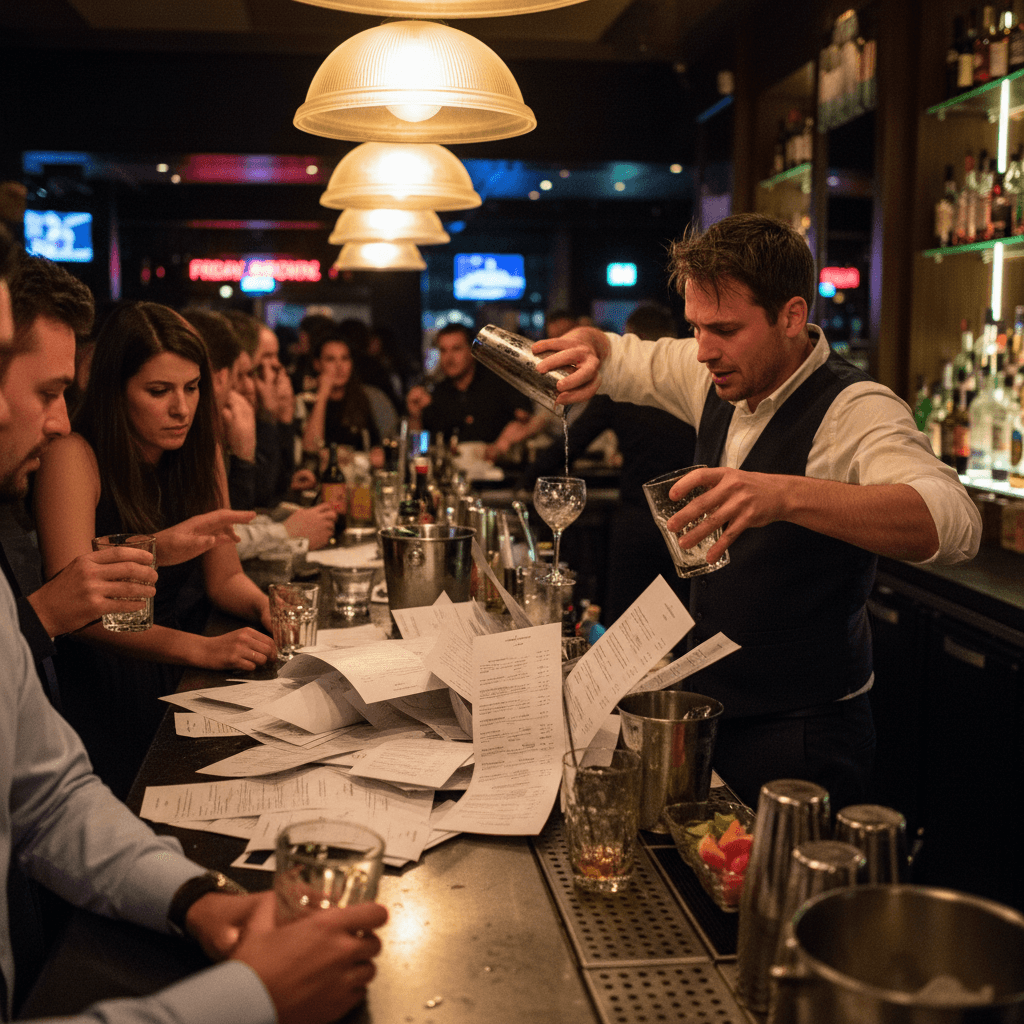
When your bar hits Friday night chaos, paper wine lists fail. Digital tablets keep service moving when customers wait three deep.
The Paper Wine List Problem
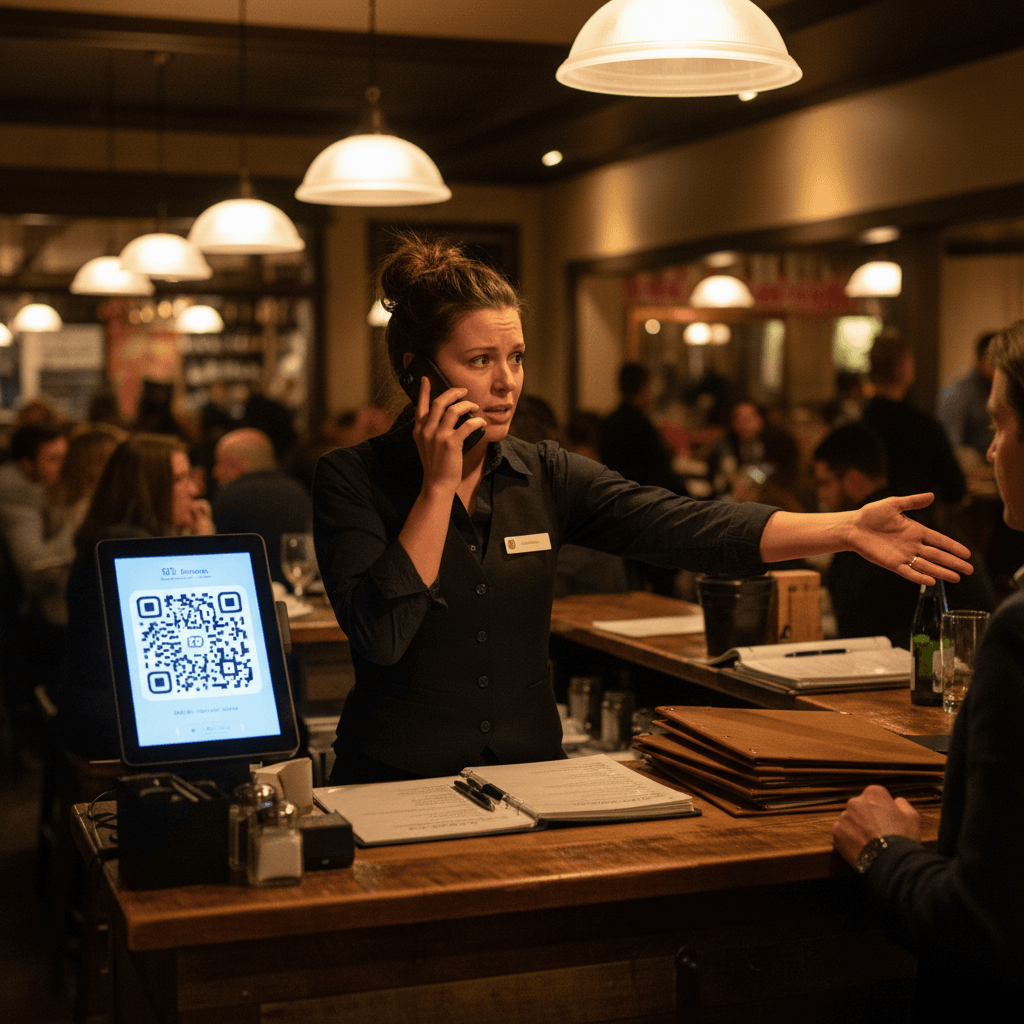
Stop Wine List Chaos with Tablets. It's Friday night, 7:45 PM. Your bar is three deep. A server is scanning the room, looking for a wine list. Another just handed a stained menu to a table of four who can't read the descriptions in the dim light. You're watching two more servers circle the same station, waiting for the one clean copy to become available. This isn't service - it's a scavenger hunt that costs you money every minute it continues.
The chaos starts small. A list goes missing after a table pays. Another gets a red wine spill on the white pages. You reprint, but the new version has a price change you forgot to update. Now you have conflicting information in circulation. Servers waste precious seconds explaining discrepancies instead of taking orders. This specific breakdown is a symptom of a larger operational issue we address in When Your Bar Hits Friday Night Chaos, which breaks down the full system for keeping service smooth when tickets pile up.
Paper lists create invisible bottlenecks. Every time a server walks away from a potential sale to find a menu, you lose momentum. Customers waiting for a list are customers not ordering drinks. The time adds up fast - two minutes per table across ten tables during peak hour is twenty minutes of lost selling time. That's two or three extra rounds you could have served.
The problem compounds with inventory changes. Your distributor calls at 4 PM on Friday to say your popular Sauvignon Blanc is out of stock. You tell your bartender and manager, but how do you communicate this to every server on the floor? Someone inevitably sells it, then has to go back to the table with bad news. That interaction damages trust and slows service for everyone involved.
Train Your Team on Paper First
Before you consider any technology, your team must master the fundamentals on paper. This builds the knowledge base that makes any system work.
The Rule: Every server must know your twenty best-selling wines by heart before they touch a tablet. This includes varietal, region, three tasting notes, and food pairing suggestions. Test them during pre-shift meetings. Have them recite two wines each day until they can do all twenty without hesitation.
This training serves two purposes. First, it builds unshakable confidence. A server who knows the list cold can make recommendations without looking down at a screen. They maintain eye contact and build rapport. Second, it creates a feedback loop for your menu. When servers know the wines intimately, they sell what they believe in. Their genuine enthusiasm becomes your best marketing tool.
Start with the physical list itself. Design it for speed, not aesthetics in dim light. Use large, clear typefaces with high contrast - black text on cream paper works better than fancy script on dark backgrounds in low light. Organize wines by style (light-bodied whites, full-bodied reds) rather than just by region or varietal. This helps servers guide customers based on preference rather than geography.
Create a "speed sell" section at the top of your list - your five highest-margin wines that pair with everything. Train servers to open with these options when customers seem indecisive. This simple technique increases average check size while reducing decision fatigue at busy tables.
Practice the physical handoff during training shifts. Teach servers to present the list open to the appropriate section based on what the customer just ordered for food. If they ordered steak, open to full-bodied reds. If they ordered fish, open to crisp whites or light reds. This small touch shows expertise and speeds up the ordering process.
When Manual Systems Break Down
Paper works beautifully until volume hits critical mass. That moment usually arrives at 8:15 PM on Saturday night.
You'll see three servers clustered around the host stand, all asking for wine lists that don't exist anymore. One server is photocopying pages from the manager's office because half your lists disappeared during the first seating. Another is trying to decipher handwritten notes about price changes that weren't communicated clearly.
The breakdown happens in measurable increments. Each server spends an average of 90 seconds searching for or waiting for a list during peak hours across six tables per hour. That's nine minutes of non-selling time per server per hour during your busiest period across five servers - 45 minutes of lost opportunity every single peak hour.
Inventory management becomes guesswork with paper lists sold out items create cascading problems when servers don't know about them until they try to ring in an order then have to return to the table apologize and start over this damages customer experience and wastes server time that should be spent selling other items
Communication gaps widen as your team grows if you have fifteen servers on the floor how do you ensure everyone knows about tonight s 86 d items or this week s featured wine special handwritten notes at the service station get missed verbal announcements during pre shift get forgotten by those running late
The physical deterioration of paper lists affects perceived quality stained menus with crossed out prices make your establishment look disorganized even if your kitchen runs perfectly customers judge your entire operation based on what they hold in their hands when they re deciding what to drink
The Digital Shift That Works
Tablets solve these specific breakdown points without changing how your team sells wine they simply remove the friction that slows them down
When every second counts during Friday night rush having updated inventory visible to every server means no one sells an 86 d item again this eliminates those awkward return trips to tables and preserves customer trust navigation becomes intuitive with digital lists servers can filter by varietal price range or food pairing in three taps instead of flipping through pages under dim light
The real advantage comes from consistency every server sees exactly the same information at exactly the same time price changes update instantly across all devices new specials appear immediately tasting notes remain consistent because they re not being paraphrased from memory this standardization improves service quality and reduces training time for new staff
Digital lists also capture valuable data you can see which wines servers are recommending most which descriptions lead to sales and which price points resonate with your customers this information helps you build better lists over time focusing on what actually sells rather than what looks impressive on paper
The shift requires minimal change to your existing workflow servers still approach tables engage customers and make recommendations they simply reference a device instead of paper the tablet becomes a tool not a replacement for knowledge which is why mastering paper first remains essential
Modern digital inventory tools can automate the repetitive parts of this workflow syncing sold out items across all devices instantly updating pricing without reprinting and tracking sales patterns that inform future purchasing decisions these systems handle the administrative burden so your team can focus on serving guests
Taking the Next Step
The move from paper chaos to digital clarity follows a logical progression master your list train your team then implement tools that remove friction this approach builds on existing strengths rather than attempting technological shortcuts
If paper lists are slowing your service during peak hours explore how digital systems can restore momentum view our pricing for options that scale with your volume then start a free trial to experience the difference during your next busy weekend shift