Stop the Expo Line Chaos
When tickets pile up and cooks wait, your expo station is broken. Here's how to fix it before Friday's rush hits.
When Tickets Become a Wall
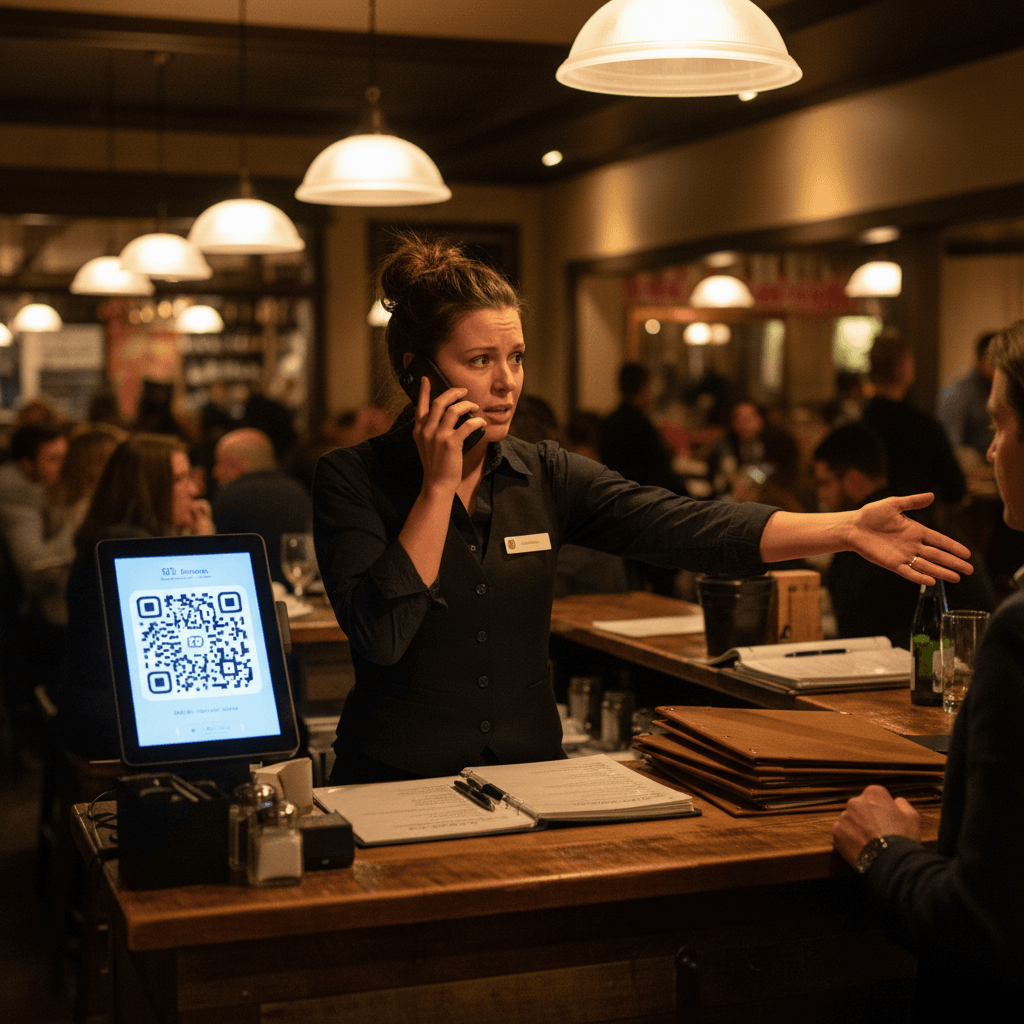
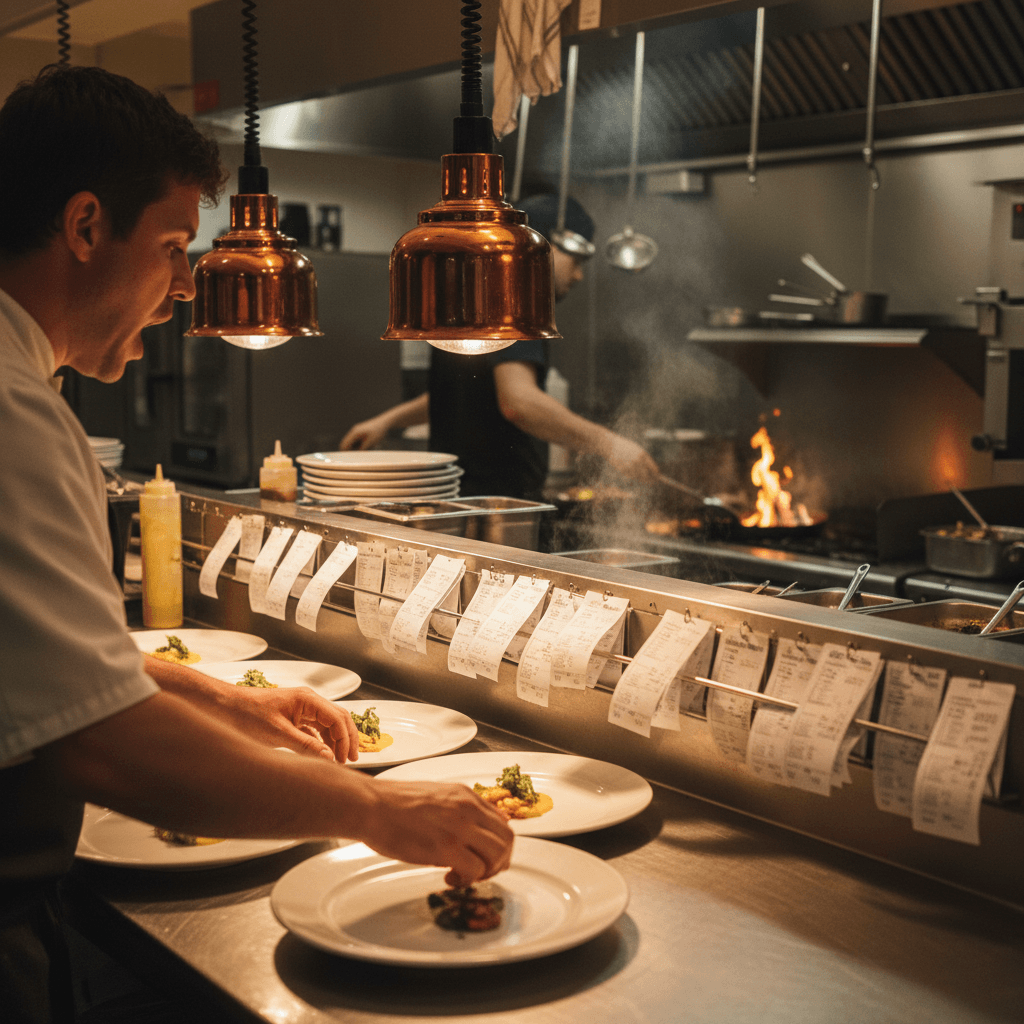
Stop the Expo Line Chaos. It starts with a sound - the frantic rip of three tickets printing at once. You're calling table 42's steaks when servers from sections 3, 5, and 7 all arrive at the pass. They clip their new orders onto the rail, which is already holding last round's tickets. Within 90 seconds, you have a wall of paper. The grill cook yells 'What's next?' because he can't see through the clutter to find his next ticket. The salad station is silent, waiting for direction. Every second cooks stand idle is money walking out the door as tables wait for food. This isn't about messy paper; it's about broken communication that kills your Friday night profit. For a complete breakdown of how to fix the entire kitchen system, not just the expo station, see our guide on Kitchen Speed: When Your Line Cooks Are Waiting.
The problem is visual overload. Your line cooks process information with their eyes first. When they look up and see a jumbled mess of tickets, their brains stall. They spend precious seconds scanning instead of cooking. That delay cascades. The appetizer for table 31 goes out late, which pushes back their entree order, which means their server can't turn the table for the 8:30 reservation waiting at the door. Your entire service rhythm breaks down because one person couldn't see what to cook next.
Your 15-Minute Ticket System Reset
Forget color-coded clips and fancy ticket holders. They are decorations that fail under pressure. The real fix is physical space and ruthless simplicity.
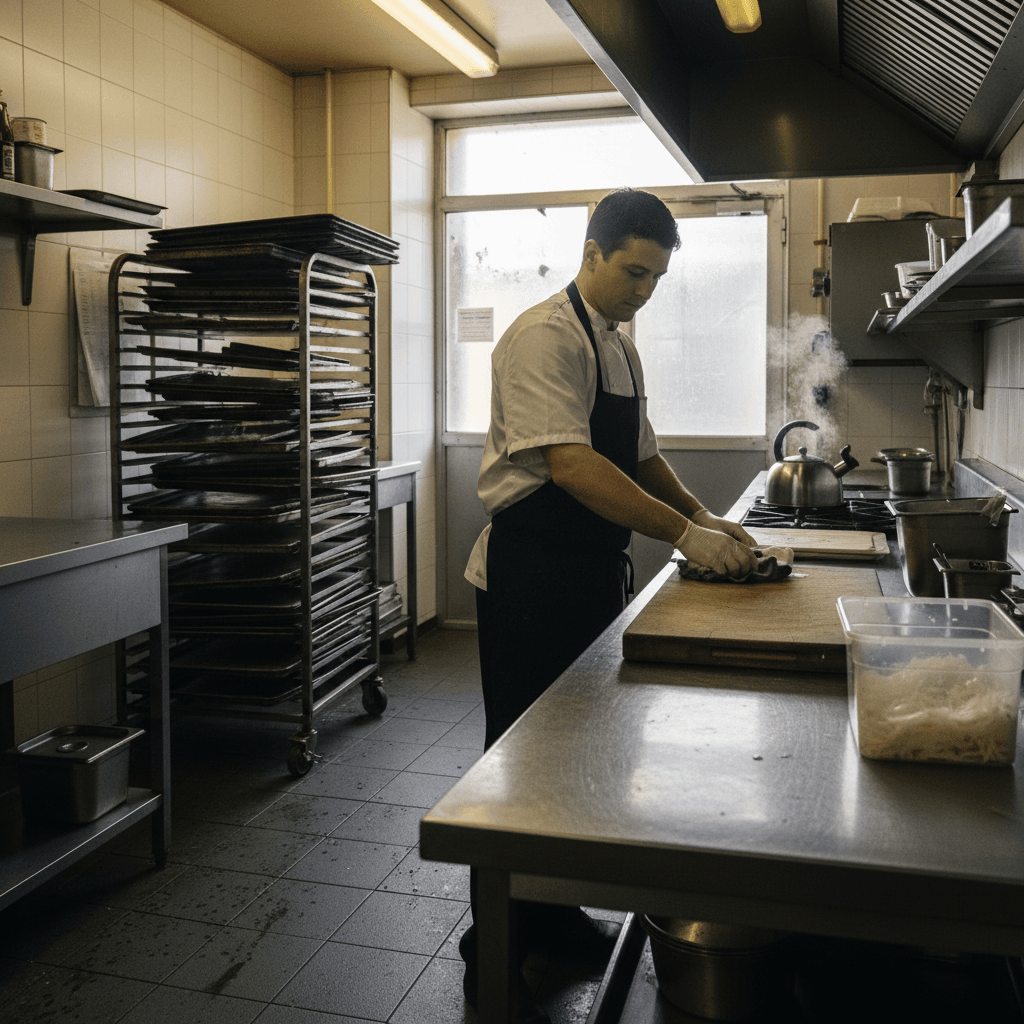
Clear everything off your pass right now. Every pen, every old menu, that random spoon, the spare printer paper - get it off the surface. Wipe the stainless steel clean. Now place only three items within arm's reach: your ticket rail, one sharpie that writes every single time, and a clean side towel. Everything else lives on a shelf below the pass or in a drawer. This creates a visual calm zone where only work exists.
The Rule: During peak service, do not organize tickets by table number. Organize them by cook station.
Group all grill tickets together on one part of the rail. Group all fryer tickets together. Group all salad and appetizer tickets together. Your line cooks process information faster when they see all their work in one visual cluster. The grill cook looks up, sees five tickets for proteins, and knows his next thirty minutes of work instantly. He doesn't need to search for his name or a color; he sees his entire station's workload in one glance.
This requires discipline from your expo person. Their job is to sort incoming tickets by station as they arrive, not by table sequence. It feels wrong at first because you're trained to think in table order. But think from the cook's perspective: they need to know what to cook next for their station, not what table is eating next in the dining room.
Why Your Sharpie Isn't Enough
Your manual system works perfectly on a Tuesday lunch with 40 covers. You have time to write neatly, call out modifications clearly, and keep the rail tidy.
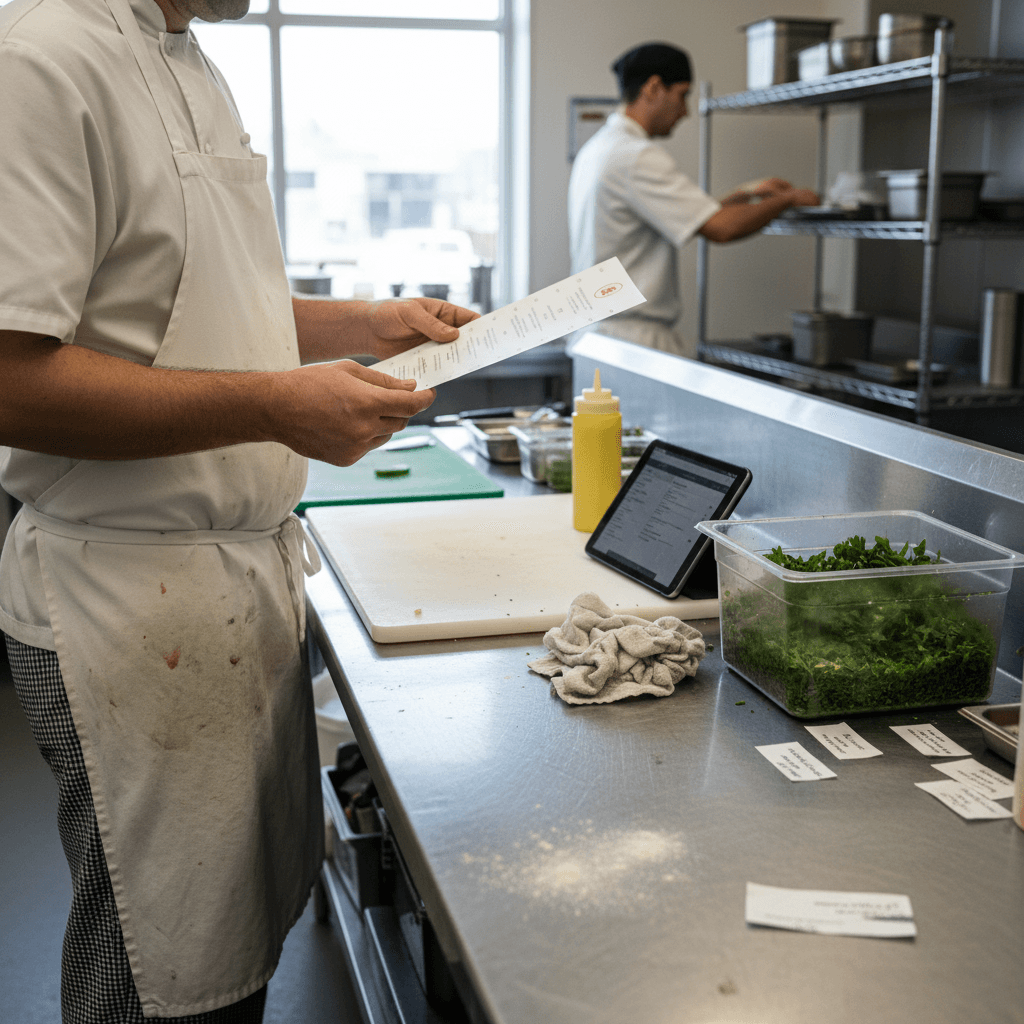
Then Friday dinner hits with 180 reservations and three large parties arriving unannounced. Your handwriting deteriorates as you rush. You scribble 'NO ONIONS' on a ticket, but the salad cook misses it because you had to call out three other mods at the same time. You lose track of which allergy note belongs to which ticket when two gluten-free orders come in back-to-back. The manual method breaks under volume because human communication has a speed limit.
That's when cooks start waiting again. They wait for you to decipher your own handwriting. They wait for you to repeat a modification you already called because the fry cook didn't hear it over the hood vents. They wait because you're physically rewriting a ticket that got sauce spilled on it. Each wait is 15 to 30 seconds of dead kitchen time multiplied across six cooks.
The hidden cost is mental fatigue. Your expo person is making a hundred micro-decisions an hour: where to clip this ticket, how to abbreviate that mod, when to call for runners. By the third hour of rush, their decision-making quality drops. They make errors in sorting or calling. Those errors create more questions from the line, which creates more delays. It's a spiral that starts with something as simple as messy handwriting.
The Next Plate Always Matters
Fixing tonight's rush is one battle. Building a system that survives tomorrow's challenges is the war.
Tomorrow brings new servers who haven't learned your ticket sorting rule. Next week brings a broken printer that spits out duplicate orders randomly. Next month brings a menu change that adds three new modifiers per dish, overwhelming your handwritten shorthand system.
Your expo organization must be staff-proof and evolution-proof.
Start tonight by writing down your three non-negotiable rules for the pass. 1) Tickets are sorted by station, not table number. 2) Only one sharpie lives on the pass. 3) Modifications are called twice - once when clipped, once when firing.
Test these rules with your weakest expo person during tomorrow's lunch shift. If they can run the pass smoothly without you hovering and correcting every move, you've built something that lasts. If they struggle, your rules are too complex or poorly taught. Simplify until any competent person can execute them under moderate pressure.
This discipline pays off during staff turnover. When your star expo calls in sick, your backup knows the exact three rules to follow. They won't do it as gracefully, but they will maintain basic system integrity. That prevents a single sick call from collapsing your entire dinner service.
The final layer acknowledges reality: manual systems require constant human discipline. Modern kitchen display systems remove the handwriting problem entirely. Digital tickets appear directly at each cook station with modifications highlighted automatically. This eliminates miscommunication and allows cooks to work from a clear digital queue instead of a paper wall. The technology handles the repetitive sorting and clarity tasks, freeing your expo person to focus on timing and plating quality.
Taking the Next Step
Clearing your expo line isn't theoretical hospitality management; it's practical shift work that directly impacts how fast food leaves your kitchen tonight. The logic is simple: visual clutter creates mental delays that cost you money with every idle second.
If your current manual system consistently breaks down under Friday night volume, it's time to evaluate tools that provide permanent clarity. You can view our pricing for digital kitchen management solutions designed specifically for high-volume service environments. To see how automated ticket sorting and station-specific displays work during your own pre-shift setup, start a free trial before your next busy service period