Stop Guessing When You'll Be Busy
Learn how to predict busy nights before they happen. Stop getting caught short on staff or wasting food. Use simple data you already have to forecast accurately.
The Friday Night Surprise That Costs You Money
Every restaurant owner knows the feeling. You staff for a normal Friday, then get slammed. Or you over-prep for what should be busy, only to watch food go bad. The problem isn't that you can't handle busy nights - it's that you don't know which nights will actually be busy.
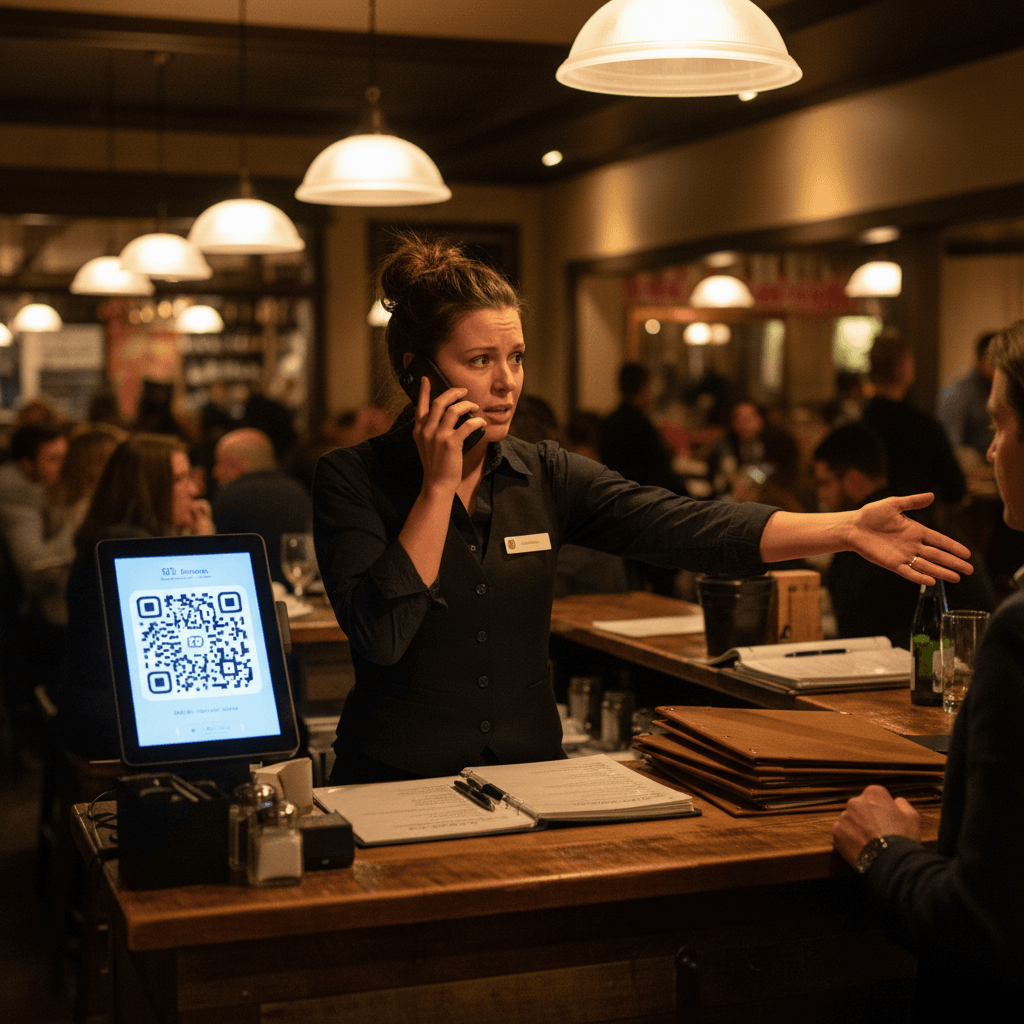
It's 7:45 PM on a Tuesday you thought would be slow. Your expo is calling three orders at once. Your line cook is out of the special you prepped for the weekend. Your servers are in the weeds because you only scheduled two for the floor. You're losing money on rushed service and wasted prep, all because your forecast was wrong. Stop Guessing When You'll Be Busy. The fix starts with understanding why your current system is broken, and it connects directly to the data-driven approach we outline in Restaurant Reports That Actually Work, which shows you how to use the numbers you already have to make better daily decisions.
Your Calendar Is Lying to You
Here's the hard truth: Your reservation book or last year's numbers are wrong more often than right. A wedding party cancels. The weather changes. A local event gets rescheduled. You need to look at three things together: historical sales data, local events calendars, and weather forecasts. Not just one.
You looked at last year's sales for this week and saw a strong Thursday. So you scheduled your full weekend crew and ordered extra protein. What you didn't see was that last year's numbers were inflated by a now-canceled corporate retreat that booked 50 covers. Or that this Thursday has a 90% chance of thunderstorms, which kills your patio business. Relying on a single data point - like last year's sales - is a recipe for waste and stress.
The Rule: Never make a staffing or prep decision based on just one source of information. You must cross-reference three streams: what happened before, what's happening around you, and what's coming from the sky.
The 15-Minute Weekly Forecast Drill
Every Monday morning, take 15 minutes with your team. Look at last week's sales by day and hour. Check the local events calendar for the coming week - concerts, sports games, conferences. Glance at the weather forecast for Thursday through Sunday. Then make your staffing and prep decisions based on all three, not just gut feeling.
This isn't a corporate meeting. It's a tactical huddle with your kitchen manager and floor supervisor. Pull up your POS report from last week. Note that Tuesday dinner was dead but Wednesday lunch was unexpectedly strong because of a nearby conference. Then open the local tourism website or newspaper events page. See that a minor league baseball team has a homestand starting Thursday, which will bring post-game crowds. Finally, check the weather app. If rain is predicted for Saturday night, you know your 40-seat patio won't fill, so you adjust your covers forecast down.
The outcome is concrete: you schedule one less server for Tuesday dinner, prep more burgers for Wednesday lunch, order extra draft beer for Thursday through Sunday, and tell your kitchen to hold back on Saturday's seafood order since patio sales will be low. This drill turns vague anxiety into specific, actionable adjustments.
When Manual Forecasting Breaks Down
The problem comes when you're trying to remember what happened last month while also handling today's food order. Or when three different managers keep their own notes in different places. The system works until you get busy running the restaurant instead of planning it.
You nailed the Monday morning drill for two months straight. Then your kitchen manager called in sick on a delivery day, and you spent Monday scrambling instead of planning. You skipped the forecast huddle "just this once." That Friday, you got crushed by a graduation party no one remembered to check for because the notes from last year's similar event were scribbled on a paper schedule that got thrown out.
Manual systems rely on perfect discipline and perfect memory - two things that disappear during a busy service week. Notes get lost between shift changes. Last year's event calendar isn't easily searchable. Correlating weather from a specific Saturday with its corresponding sales data requires digging through old reports. The process becomes the first thing dropped when operational fires need putting out.
From Reactive to Ready
The goal isn't perfect prediction - it's being prepared enough that surprises become manageable. When you know a concert might bring extra business, you schedule one more server as backup. When rain is forecast for Saturday, you prep less outdoor seating and more indoor covers. This is how you turn forecasting from a guessing game into a competitive advantage.
You move from reacting to surprises to preparing for probabilities. Instead of being shocked by a slow Tuesday, you anticipated it based on last week's data and scheduled accordingly, saving on labor cost. Instead of running out of wings during the big game, you saw the schedule and ordered extra, capturing every dollar of demand.
This shift requires consistency, not complexity. The 15-minute weekly drill creates a rhythm that makes your restaurant more resilient and profitable. It reduces both waste (from over-prepping) and lost sales (from under-staffing). For teams that master this rhythm, digital tools can automate the data gathering and pattern recognition, freeing up mental space for execution.
Taking the Next Step
The logic is straightforward: better information leads to better decisions on staffing and prep, which directly controls your two biggest costs - labor and food. Implementing a simple weekly review of sales, events, and weather creates immediate visibility into what's coming.
Stop letting busy nights catch you off guard or slow nights drain your payroll. View our pricing to see how automating this forecast process fits into your operation or start a free trial to see how much time you can reclaim each Monday morning