Social Media Specials That Actually Sell
Stop posting specials that nobody sees. Learn how to promote restaurant specials on social media in ways that drive real customers through your door.
Why Your Specials Posts Get Ignored
Social Media Specials That Actually Sell start with a simple truth you can see every Tuesday night. It's 7:45 PM, and your special - the one you posted at 2 PM - has only sold three portions. Your servers are tired of explaining it. Your line cooks are annoyed they prepped for twenty. The problem isn't your food - it's how you're talking about it. Most restaurants treat social media like a bulletin board instead of a conversation. You post your Tuesday pasta special at 2 PM when your regulars are still at work. You use stock photos instead of showing the actual dish coming off the line. You forget to tell people why they should care tonight.
This is a specific symptom of a broader marketing disconnect. For the complete system of turning simple actions into reliable customer flow, see our guide on Simple Restaurant Marketing Ideas That Actually Work. That framework shows how to connect every piece of your operation to getting more people through the door.
Your specials fail because you're broadcasting to an empty room. You're posting when it's convenient for you, not when your customers are making decisions. The photo looks nothing like the dish that hits the table. The description reads like a menu insert, not a recommendation from a friend. This creates a predictable cycle of wasted prep, frustrated staff, and zero sales lift.
Post Like You're Talking to Regulars
Here's the hard truth nobody wants to hear: Your most beautiful food photo won't sell a single special if you're posting to strangers. Start every post like you're leaning over the bar telling your favorite regular about tonight's feature.
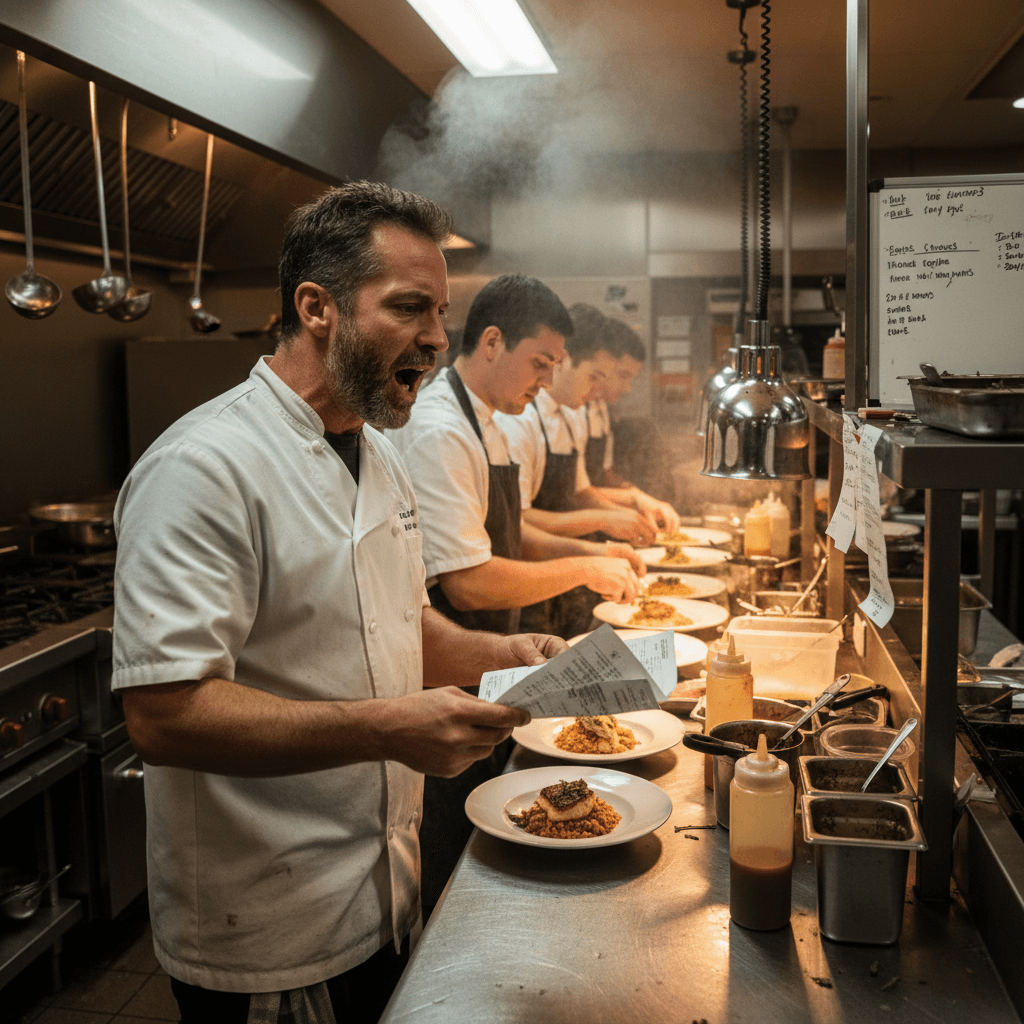
Show the dish being plated during rush hour, not staged in perfect light. Mention who's cooking it - 'Chef Maria's grandmother's recipe' beats 'house-made pasta.' Give people a reason to come tonight - 'only 20 portions' creates urgency where 'available all week' doesn't.
Time it for when people are deciding about dinner, not when you have downtime between lunch and dinner prep.
The Rule: Post tomorrow's special today, at 5 PM. This single shift changes everything. At 5 PM, people are leaving work, thinking about dinner, and checking their phones. They're not deciding about tomorrow - they're deciding about right now. By posting tomorrow's feature today, you plant the seed. You give them time to make plans, text friends, and build anticipation.
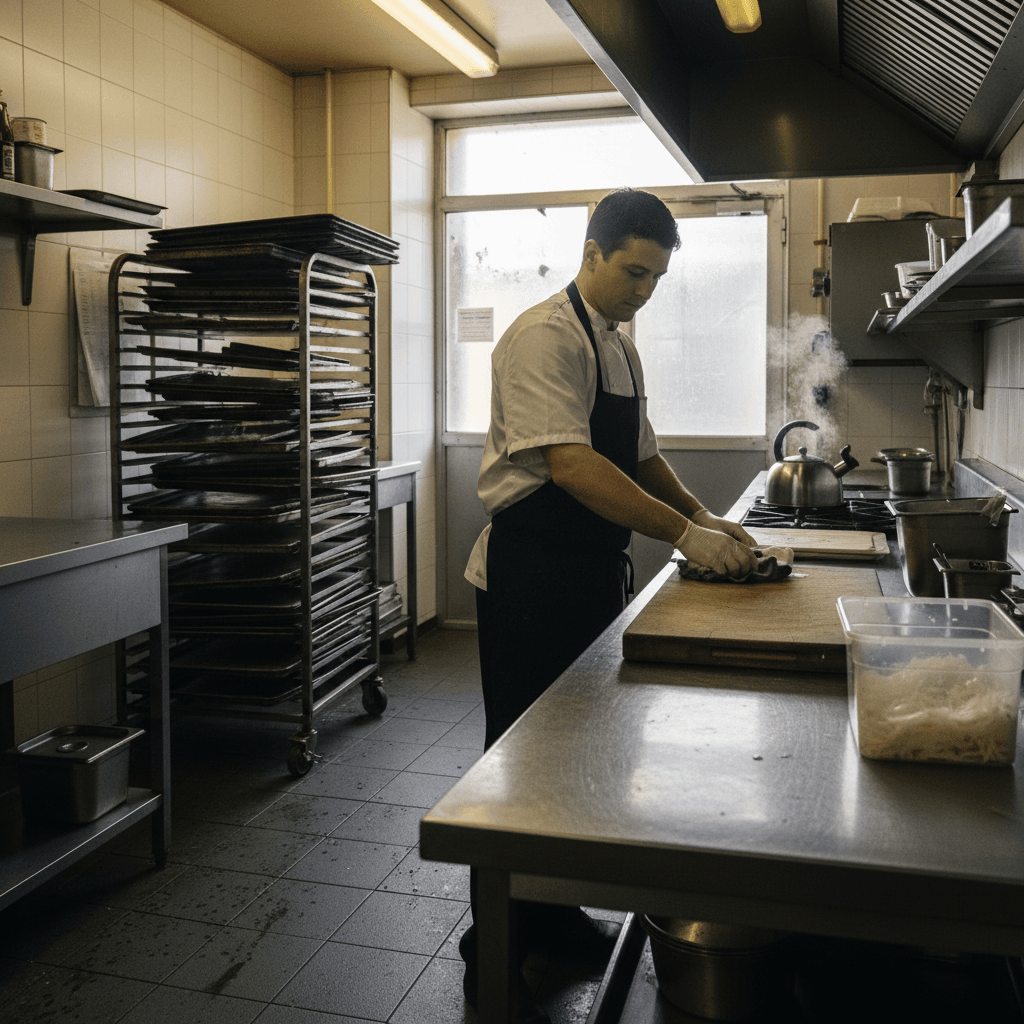
Capture your content during tonight's service. Take a quick video of the dish being finished on the line. Snap a photo of the first plate going out to a table. Get a soundbite from the cook who created it - 'The paprika in this rub is from my cousin's farm.' This takes three minutes during prep or service. It creates authenticity that no stock photo can match.
Write your caption for one person. Imagine your best regular sitting at the bar. What would you say to them? 'Hey Sarah, we're running my grandma's lamb stew tomorrow night. We only got one case of these local chops, so come early.' That's it. No hashtag lists, no emoji strings, no marketing speak.
The Social Media Grind That Wastes Your Time
You can post consistently for weeks and see nothing change. The bottleneck isn't your creativity - it's the daily decision fatigue of what to post, when to post it, and how to make it feel fresh every time.
You're spending mental energy on captions when you should be tasting sauces or training new servers. You're checking likes instead of checking ticket times.
This manual process creates three specific costs that drain your operation. First is the time cost - that 20 minutes each day trying to think of something clever adds up to over 10 hours a month. That's time not spent on the floor or in the kitchen. Second is the consistency cost - you'll have great posts on busy days when you remember, and nothing on slow days when you need them most. Third is the quality cost - rushed posts look rushed. They don't tell a story or create desire.
The solution is to systemize what works and eliminate what doesn't.
Create a weekly content template that mirrors your specials calendar. Monday: Behind-the-scenes shot of prep for Tuesday's feature. Tuesday: Video of the special being plated during service, posted at 5 PM for Wednesday. Wednesday: Customer reaction shot or empty plate photo from Tuesday night's service. Thursday: Preview of weekend features or limited items. Friday/Saturday: Real-time posts from busy service showing energy and sold-out items.
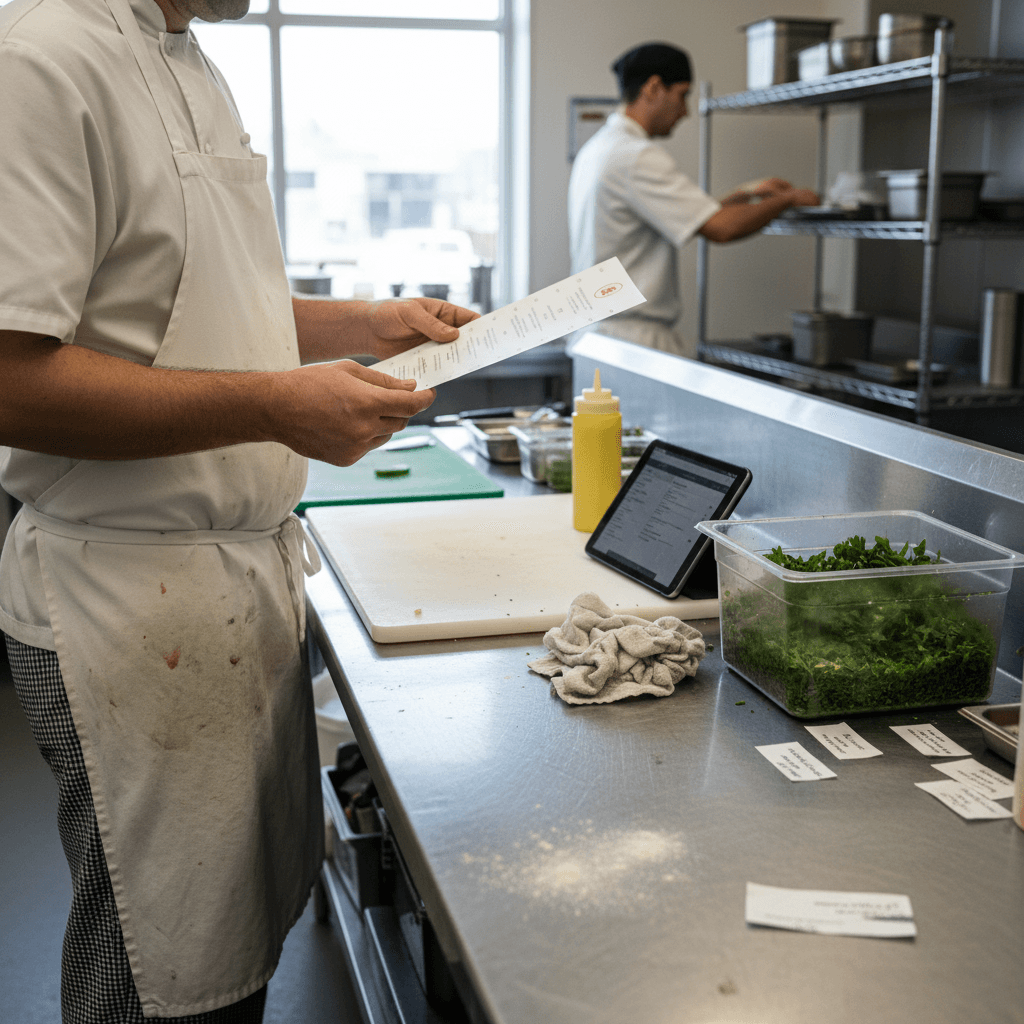
Assign this task to one person with clear guidelines. This isn't about hiring a social media manager - it's about giving your bartender or host a five-minute daily responsibility with specific instructions. 'Take one video during tonight's rush of the salmon special being plated. Send it to me by 4:30 PM.' The consistency matters more than perfection.
Track what actually drives sales, not vanity metrics. Don't worry about likes or shares unless they translate to people asking for the special by name. Your measure is simple: How many portions sold compared to previous weeks? Did servers report customers mentioning they saw it online? This feedback loop tells you what's working in real terms.
What Happens When Specials Actually Work
Imagine Friday nights where your special sells out by 8 PM because your regulars saw it and told their friends. Picture servers who don't have to explain every detail because customers already know what they want from your posts.
This isn't about becoming an influencer - it's about turning social media into your most reliable word-of-mouth channel. Start with one simple shift: Post tomorrow's special today, at 5 PM, with a photo from tonight's service and a story about why your kitchen team loves making it.
When this system works, you see measurable changes in your operation within two weeks. Your prep becomes more accurate because you're selling predictable amounts instead of guessing. Your kitchen morale improves because their creations get recognition and actually sell out. Your servers become more effective salespeople because customers arrive already interested instead of needing convincing.
The financial impact is direct and clear. A $24 special that costs $8 in food has a $16 contribution margin - that's what's left after food cost to cover labor and overhead. Selling just five extra portions each night adds $80 daily to your bottom line without any additional advertising spend or menu changes.
This manual approach requires discipline and consistency, which is where many operations hit their limit after initial success.
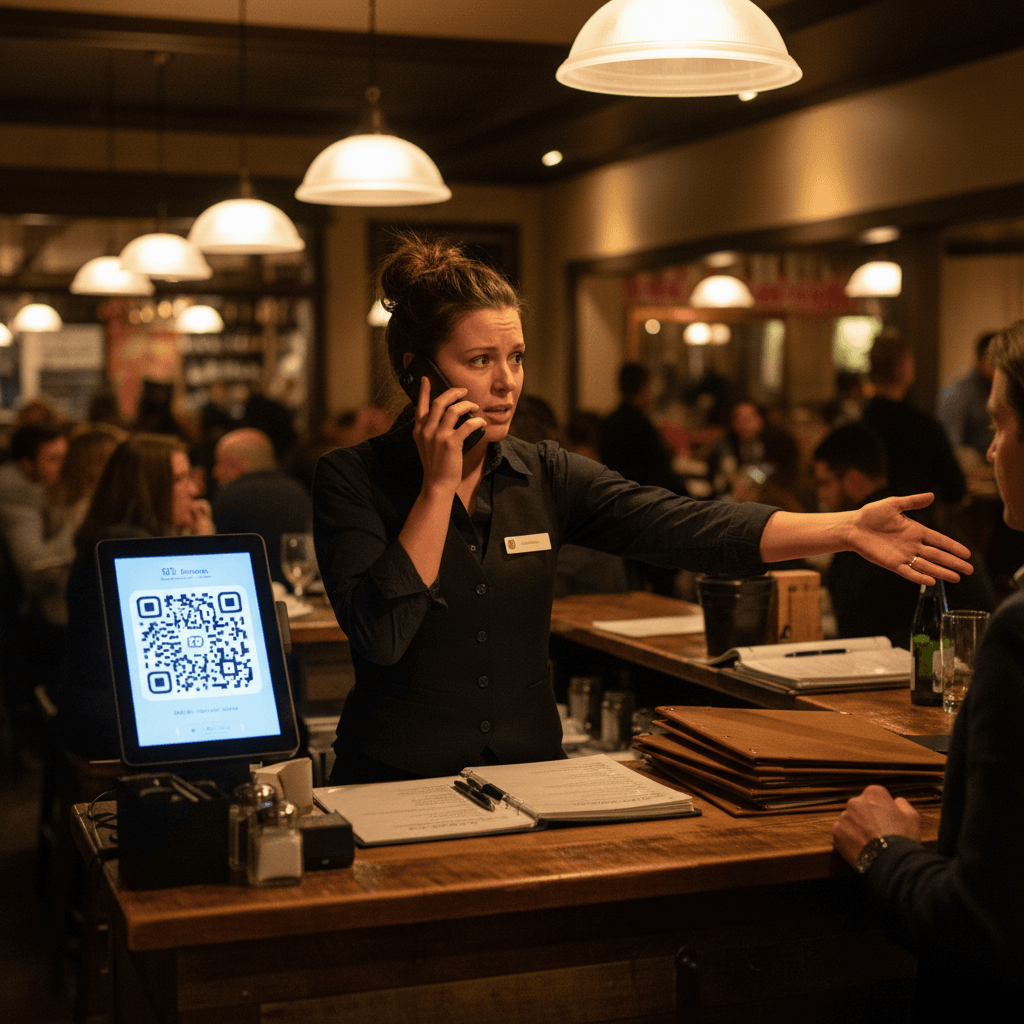
Modern digital tools can automate the repetitive parts of this workflow once you've established what works manually. Scheduling platforms let you batch-create content during slow periods and auto-post at optimal times. Digital menu boards can display sold-out items in real-time, creating urgency for customers already in your restaurant. Simple inventory tracking software can alert you when special ingredients are running low, allowing you to update posts before items actually sell out completely. These tools don't replace the human connection - they just handle the logistics so you can focus on creating genuine content during service instead of administrative tasks between shifts.
Taking the Next Step
Shifting how you promote specials is practical restaurant work, not abstract marketing theory. The logic is clear: show real food at decision time with authentic stories. The execution requires systemizing what already happens in your kitchen every day.
Stop guessing what might work online and start documenting what already works on your plates. view our pricing matches tools to your specific volume and team size. start a free trial lets you test automated posting during your next dinner rush without changing how your kitchen operates tonight